
Interior of St. John’s Palace, Eltham — History & Facts
Can paint confess what words never could? In the gentle embrace of light and shadow, Interior of St. John’s Palace, Eltham invites us to explore the unspoken hopes of history, revealing layers of emotion tucked away in its corners. Look to the left at the rich textures of the drapery, where deep reds and golds capture the opulence of the palace. Notice how the soft, diffused light spills through the window, illuminating the intricate details and casting a warm glow that invites the viewer into this serene space.
The interplay of light and shadow guides your gaze across the room, directing attention to the delicate furnishings and ornate decor, each brushstroke a testament to Turner's masterful technique and compositional prowess. Yet, amidst the grandeur, there is an undercurrent of melancholy woven into the fabric of the painting. The vacant space suggests a moment frozen in time, where the echoes of laughter once filled the air, now replaced by silence. The juxtaposition of light and dark not only highlights the beauty of the interior but also evokes a profound sense of longing — a reminder of what once was and what may never return.
This emotional tension resonates with the viewer, hinting at dreams and aspirations that linger in the air. Joseph Mallord William Turner created this work in 1793 during a period of profound artistic exploration in Britain. As the Romantic movement began to flourish, he was deeply influenced by the landscape and the interplay of light, setting the stage for his later masterpieces. This painting reflects not only his evolving style but also the era's fascination with the interplay of architecture and nature, capturing a moment of transitional beauty in a rapidly changing world.
More Artworks by Joseph Mallord William Turner
Browse all →
Dort or Dordrecht- The Dort Packet-Boat from Rotterdam Becalmed
Joseph Mallord William Turner
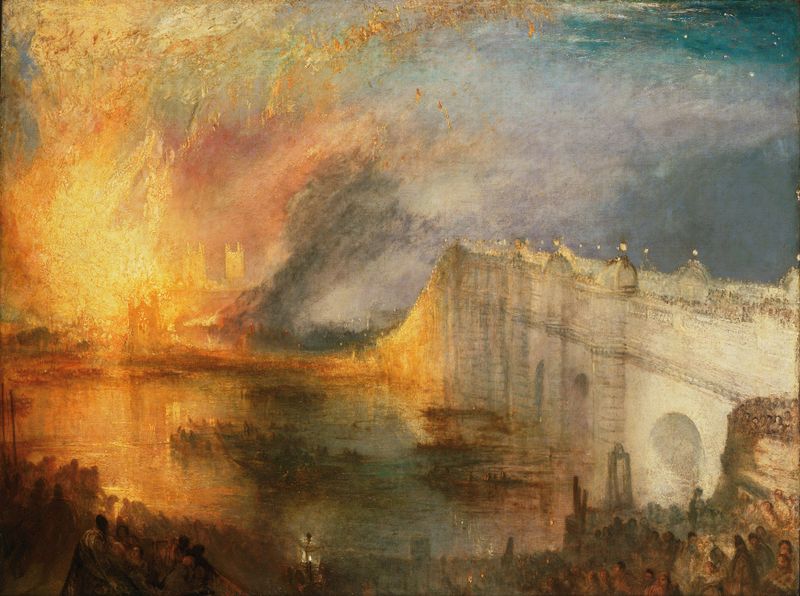
The Burning of the Houses of Lords and Commons, October 16, 1834
Joseph Mallord William Turner
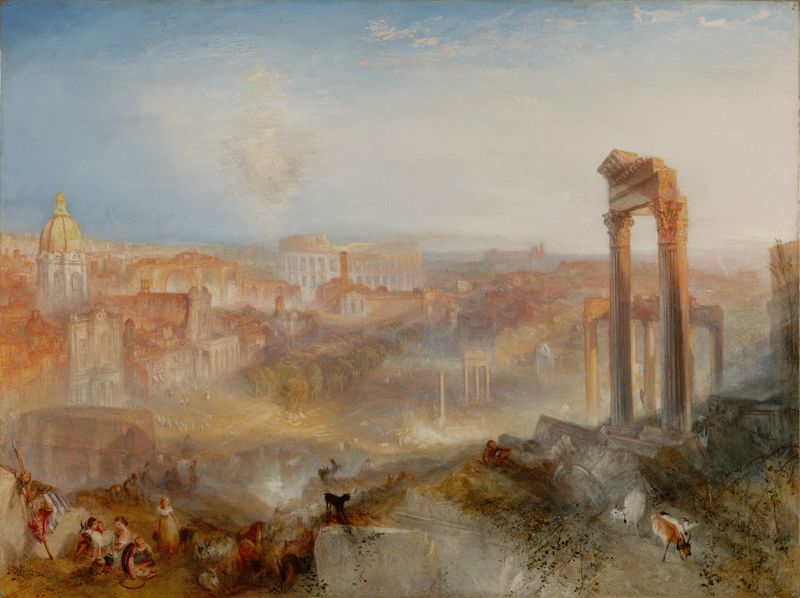
Modern Rome – Campo Vaccino
Joseph Mallord William Turner
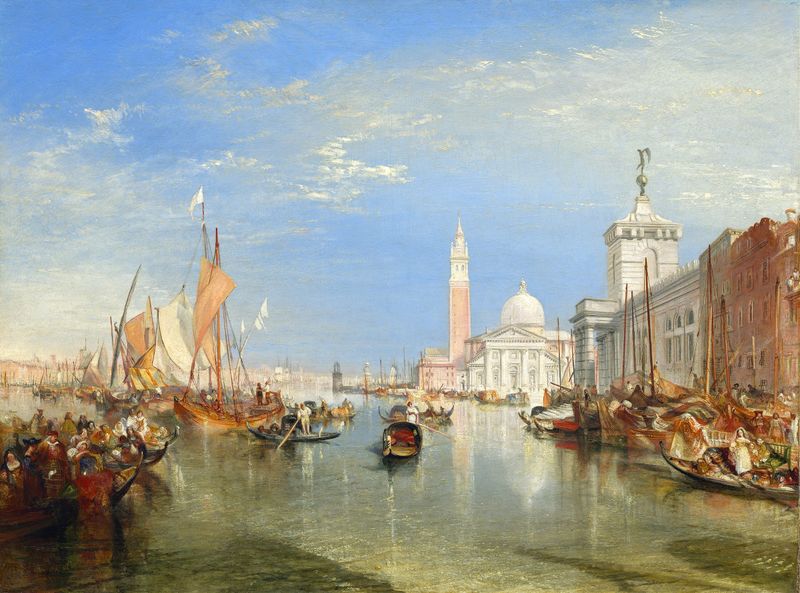
Venice – The Dogana and San Giorgio Maggiore
Joseph Mallord William Turner

The Burning of the Houses of Lords and Commons, 16 October 1834
Joseph Mallord William Turner
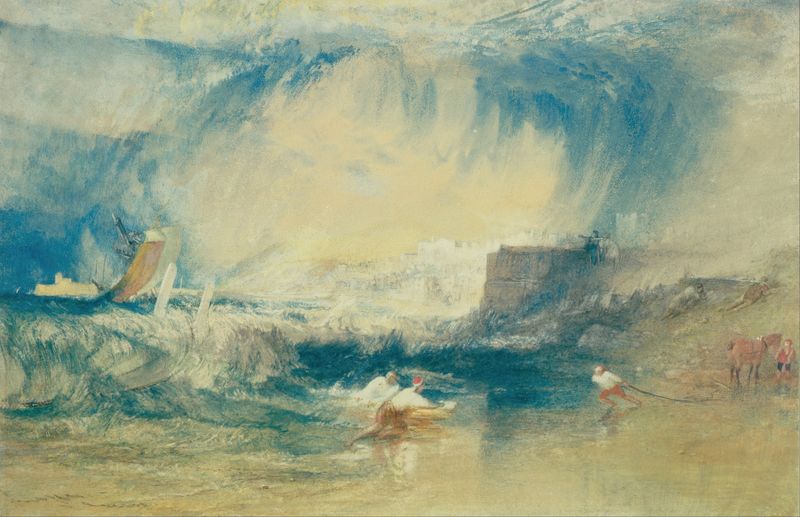
Lyme Regis, Dorsetshire, England
Joseph Mallord William Turner
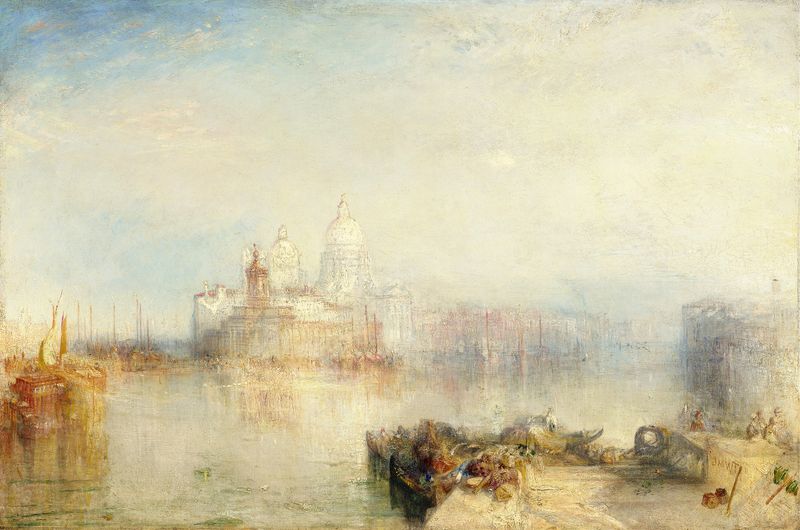
The Dogana and Santa Maria della Salute, Venice
Joseph Mallord William Turner
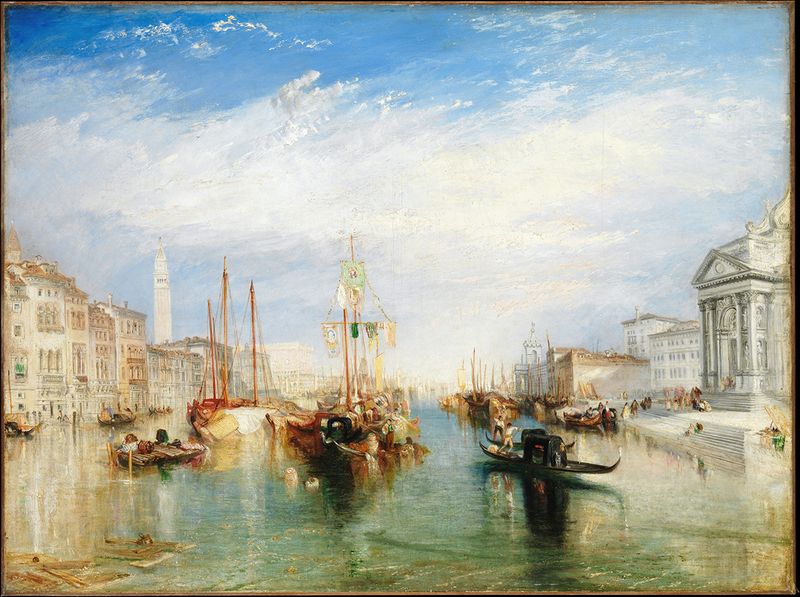
Venice, from the Porch of Madonna della Salute
Joseph Mallord William Turner
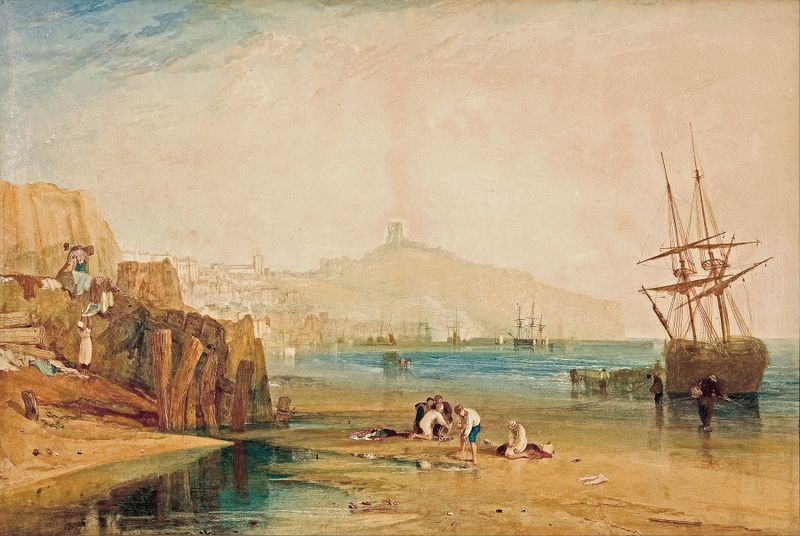
Scarborough town and castle; morning; boys catching crabs
Joseph Mallord William Turner
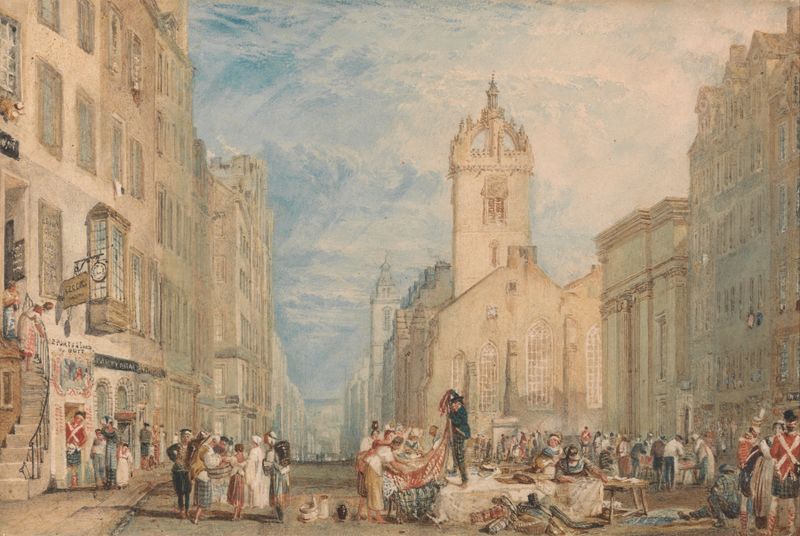
High Street, Edinburgh
Joseph Mallord William Turner





