Interior of the Baths at Caracalla — History & Facts
When did color learn to lie? This question echoes within the grand expanse of a once-majestic Roman bath, where vibrant hues mask the decay of time and the madness of forgotten splendor. Look to the foreground, where the warm ochres and rich blues establish a vivid contrast that pulls the eye deeper into the architectural marvel. Notice how the shafts of light break through the archways, illuminating the remnants of intricate mosaics and casting playful shadows that dance like specters across the stone floor. The sweeping perspective draws you into the scene, inviting contemplation of both the artistry and the eroding grandeur of a lost civilization. But amid this celebration of craftsmanship, there lies an unsettling tension.
The vibrant colors may trick the viewer into forgetting the creeping madness of neglect, as nature slowly reclaims its territory, infiltrating the once-pristine pools that once brimmed with life. Each brushstroke whispers of history, hinting at stories of revelry and contemplation, yet also of decay and abandonment, encapsulating the duality of beauty and destruction that permeates the art world's great narratives. Ducros painted this scene in 1780 while he was in Rome, at a time when neoclassicism was gaining prominence. His work reflects a fascination with antiquity and an exploration of the emotional weight carried by historical ruins.
The artist, a meticulous observer of landscapes and architecture, sought to convey not only the physicality of the baths but also the profound sense of loss intertwined with their beauty during a period of cultural and artistic rebirth.
More Artworks by Abraham-Louis-Rodolphe Ducros
Browse all →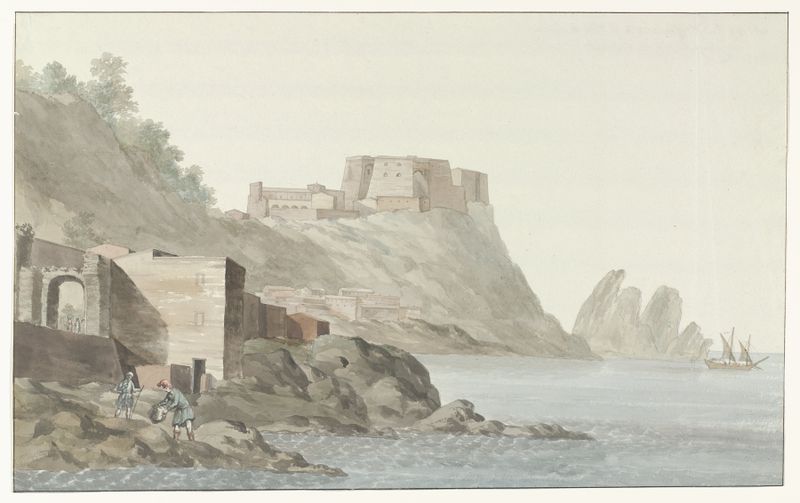
Rots en stad Scilla in de regio Calabrië aan de oostkust
Abraham-Louis-Rodolphe Ducros
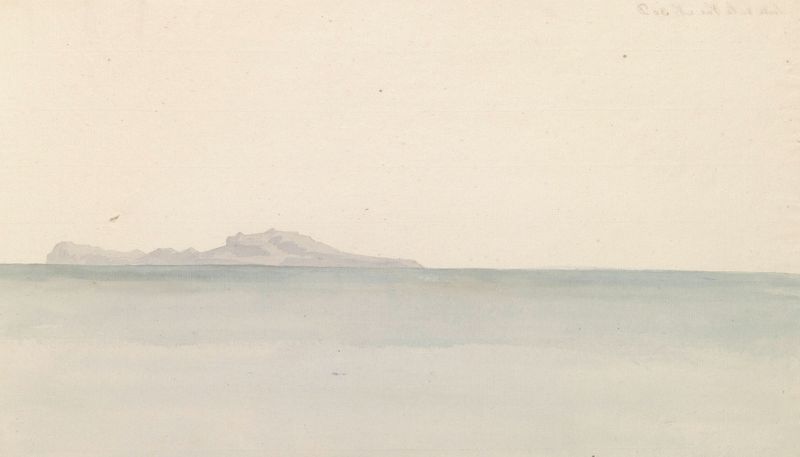
Gezicht op Golf van Napels vanaf kade bij kerk Santa Maria del Carmine
Abraham-Louis-Rodolphe Ducros
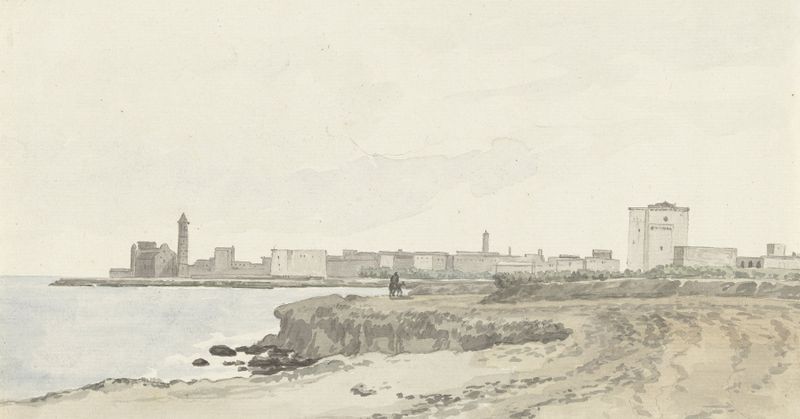
Gezicht op Trani gelegen aan de kust
Abraham-Louis-Rodolphe Ducros
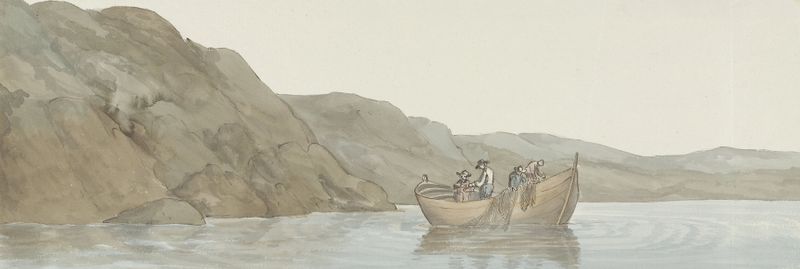
Gezicht op Kaap Paceco in Calabrië nabij de stad Scilla
Abraham-Louis-Rodolphe Ducros
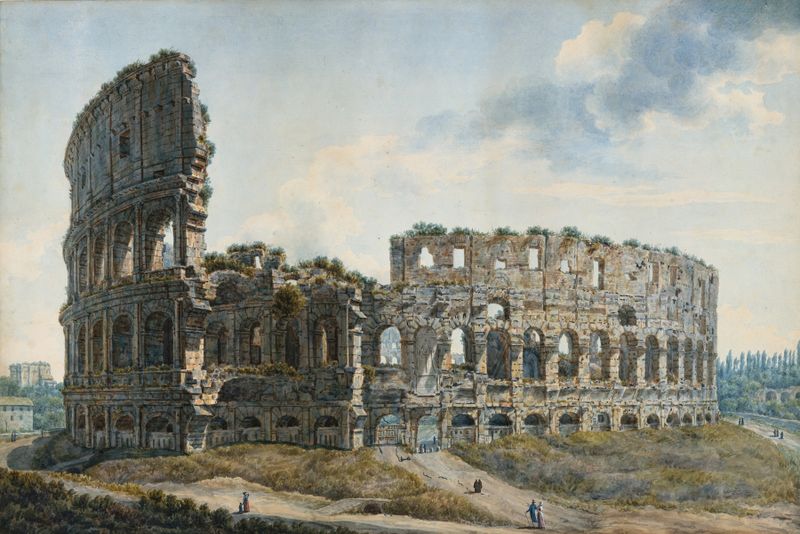
The Colosseum, Rome.
Abraham-Louis-Rodolphe Ducros
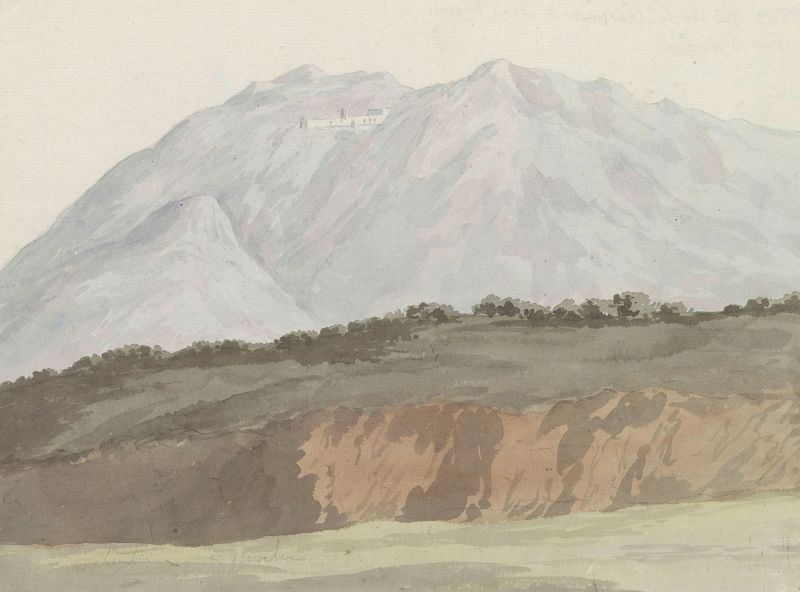
Gezicht op kartuizerklooster van Monte Vergine hoog gelegen boven Avellino
Abraham-Louis-Rodolphe Ducros
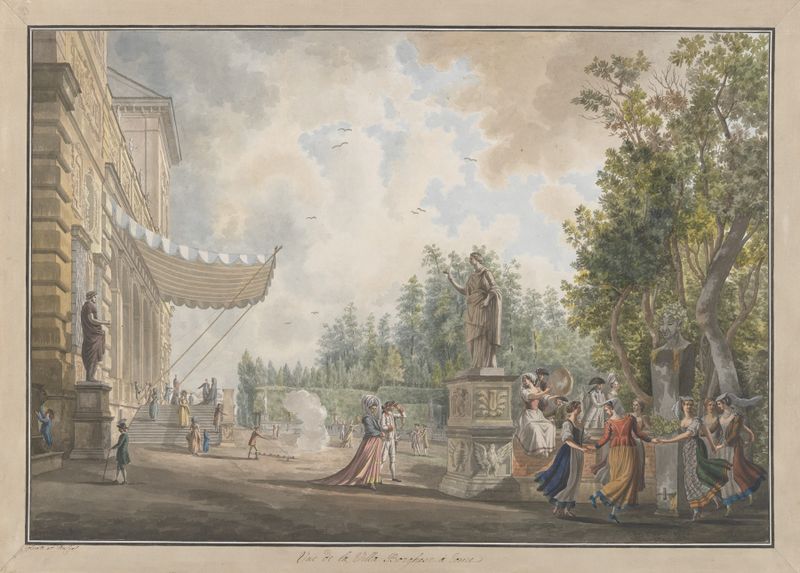
Villa Borghese
Abraham-Louis-Rodolphe Ducros
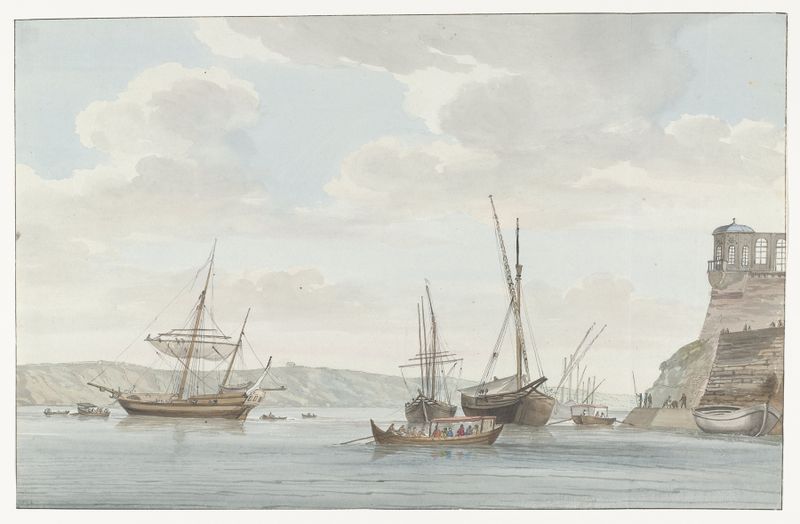
Tuinhuis van de Jardin du Grand Maître uittorend boven de haven met galei schepen op Malta
Abraham-Louis-Rodolphe Ducros
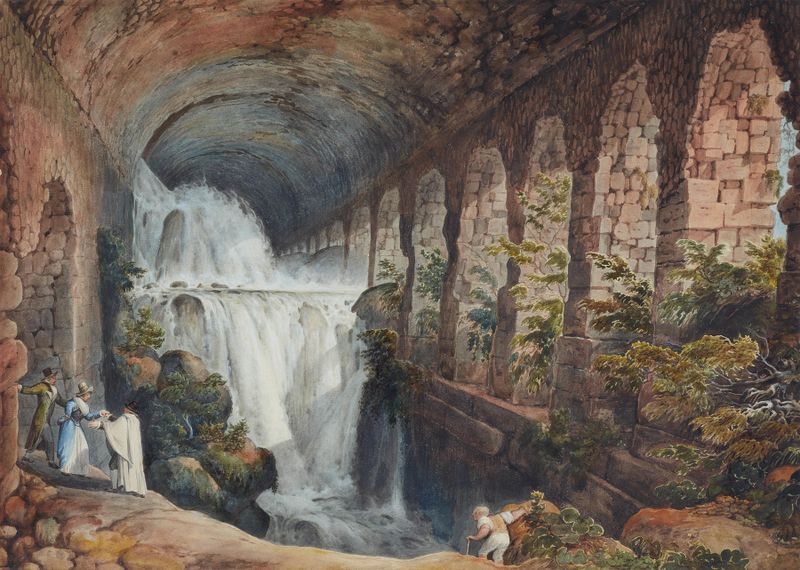
Aquädukt unter der Villa des Maecenas in Tivoli
Abraham-Louis-Rodolphe Ducros
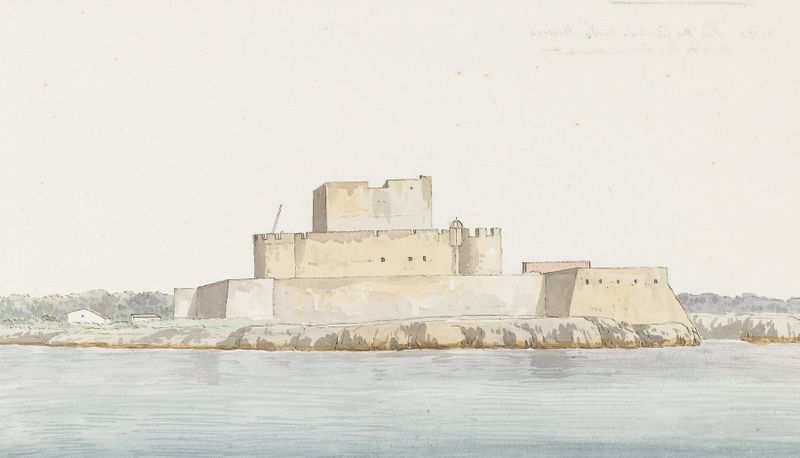
Gezicht op kasteel van San Mauro la Bruca vanaf zee bij aankomst
Abraham-Louis-Rodolphe Ducros