Interior of the Colosseum — History & Facts
In the vast emptiness of the Colosseum, beneath the weight of history, echoes of betrayal linger in the air, haunting what once stirred with life and spectacle. Look to the center of the canvas, where the crumbling arches create a dramatic contrast against the muted ochres and deep browns. This interplay of light and shadow invites your gaze deeper into the scene, revealing the intricate textures of decaying stone and the hints of green creeping through the fissures. Notice how the soft illumination spills from above, capturing the architecture's proud yet mournful decay, while shadows cloak the corners in a subtle embrace of mystery. The Colosseum, once a stage for grandeur, now whispers tales of abandonment and loss.
The empty grandeur speaks to the betrayal of time, where the vibrant life that once filled its halls has retreated, leaving only the weight of memories. The contrasts between the light highlighting the structure's glory and the dark crevices hint at the dichotomy of history—a celebration of human achievement intertwined with the sorrow of its inevitable decline. In 1902, Weiss painted this haunting interior during a time when the art world was undergoing significant changes, stepping into modernism. He was establishing his reputation in Warsaw, part of a burgeoning movement that sought to capture the essence of time and place.
The world was shifting, and the artist’s reverence for the past clashed with the contemporary pulse around him, reflecting a personal and societal struggle to honor what has been lost.
More Artworks by Wojciech Weiss
Browse all →
Kraków w oddali II
Wojciech Weiss
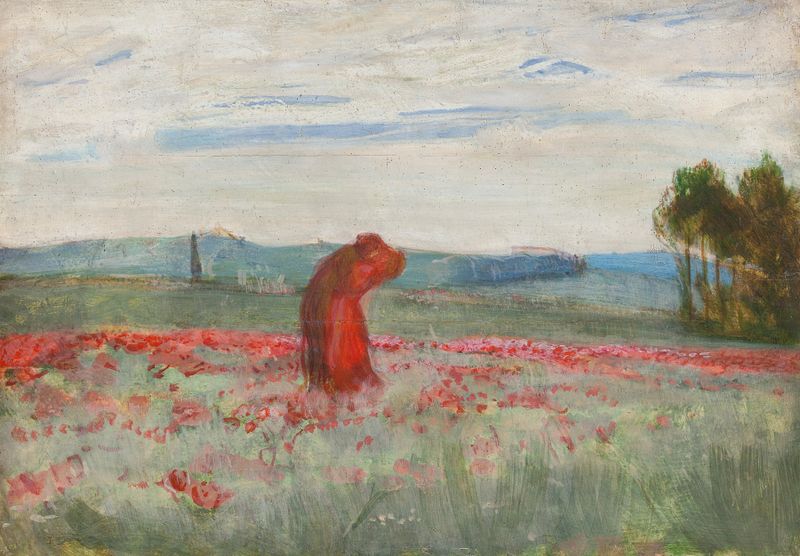
Pocałunek wśród maków
Wojciech Weiss

Calvary
Wojciech Weiss
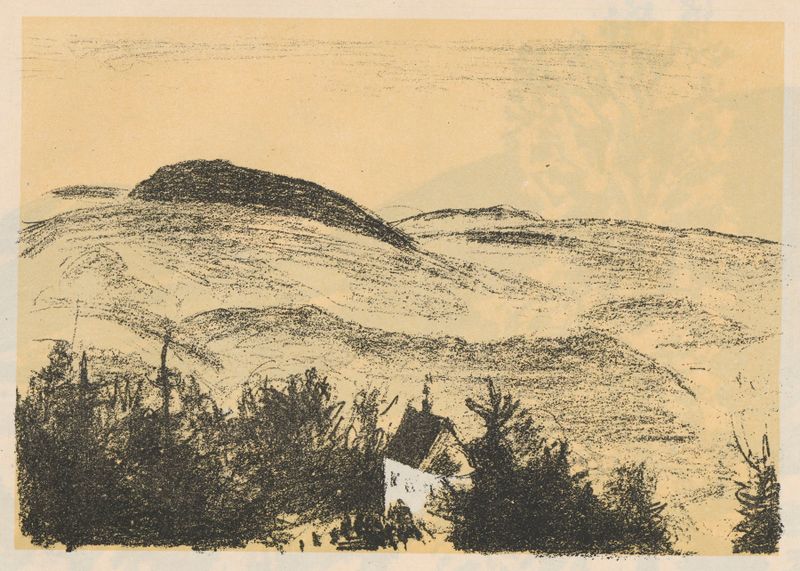
Kalwaria
Wojciech Weiss

Landscape with Trees
Wojciech Weiss
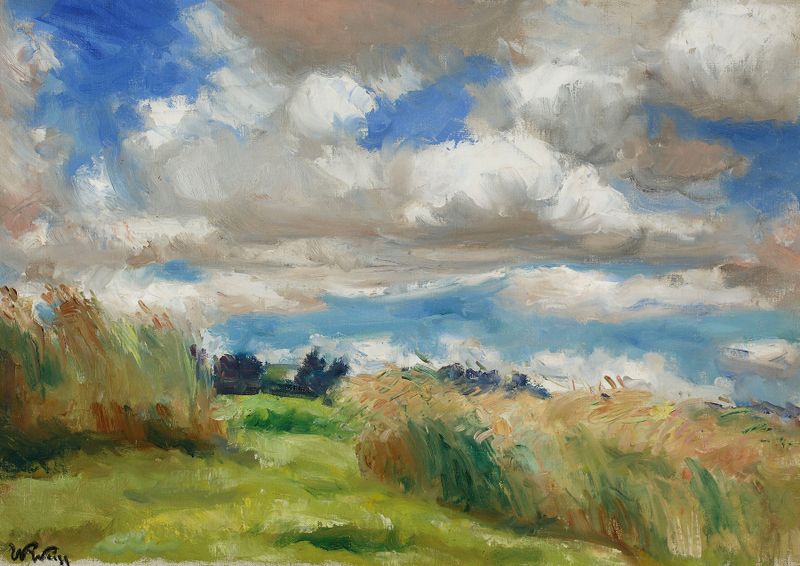
Landscape of Kalwaria Zebrzydowska
Wojciech Weiss

Apple-Trees
Wojciech Weiss
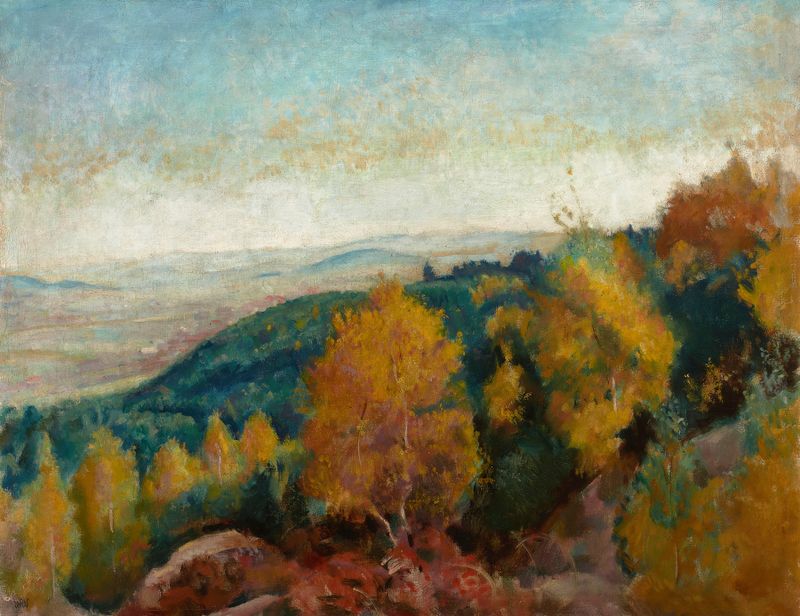
Autumn Landscape – Environs of Kalwaria Zebrzydowska
Wojciech Weiss

In the garden
Wojciech Weiss

Landscape with hollyhocks
Wojciech Weiss