Interior View of the hall at Hardwick — History & Facts
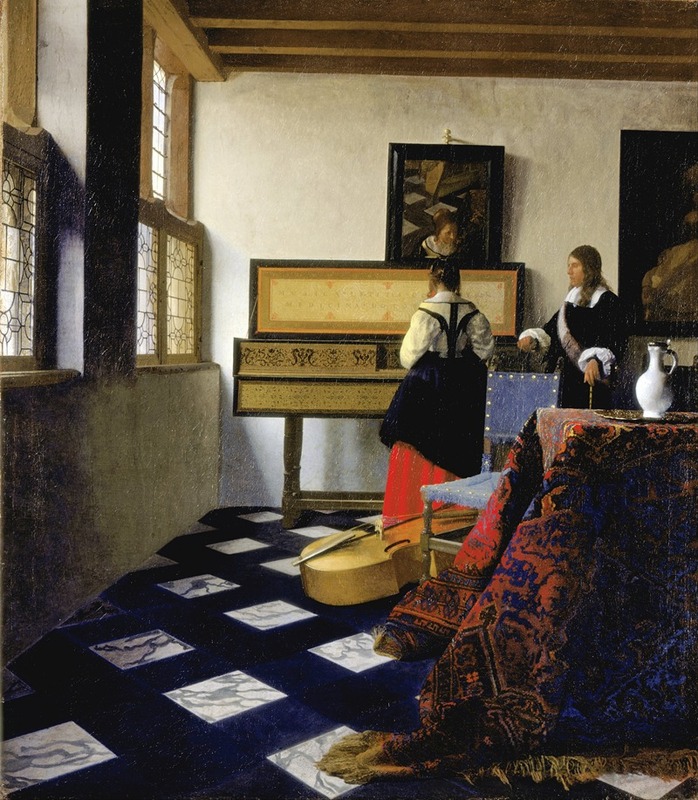
What secret hides in the quiet of the canvas? Within the stillness of an interior, a delicate equilibrium unfolds, inviting contemplation and reflection. Look to the left at the grand archway, framed by intricate stonework, where soft sunlight filters through the windows. The interplay of light and shadow casts a warm glow across the polished wooden floor, highlighting the meticulous attention to detail in the architecture. Notice how the warm hues of ochre and earth tones complement the muted greens and blues of the furnishings, creating a harmonious balance that speaks to both elegance and restraint.
The overall composition draws the eye toward the central space, inviting viewers to step into the intimate embrace of the hall. Yet beneath the serene surface lies a tension between grandeur and solitude. The empty space evokes a sense of stillness, suggesting the absence of life within such a majestic setting. The interplay of light not only illuminates the hall but also reveals its isolation, as if the very architecture holds secrets of the past.
This contrast between the ornate design and the quiet emptiness speaks to the fleeting nature of time and the stories that linger unspoken. In 1813, John Buckler painted this interior view during a period marked by a growing interest in architectural representation and heritage. At this time, he was navigating a career filled with influences from both neoclassicism and romanticism, as he sought to capture the beauty of historic structures. Buckler’s work reflects not only his dedication to the art of architecture but also the cultural shift towards preserving the past amidst rapid changes in society.
More Artworks by John Buckler
Browse all →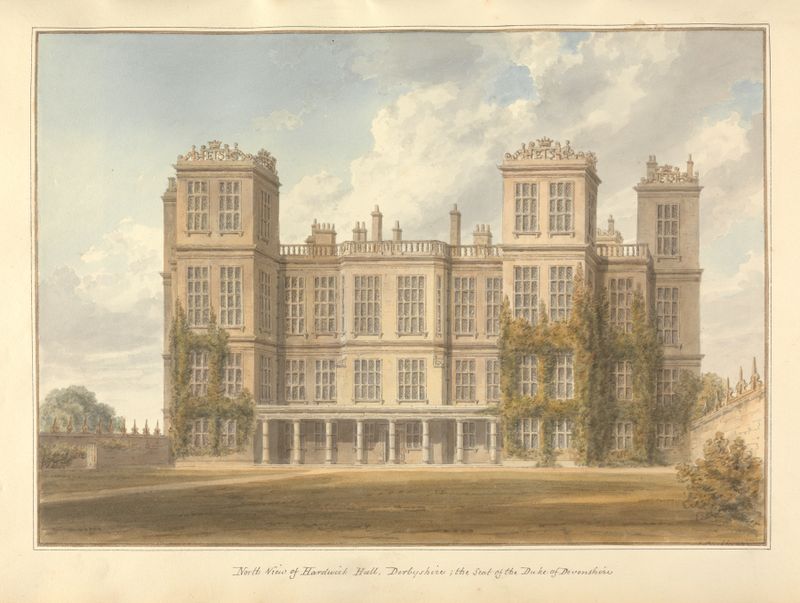
North View of Hardwick Hall, Derbyshire: the Seat of the Duke of Devonshire
John Buckler
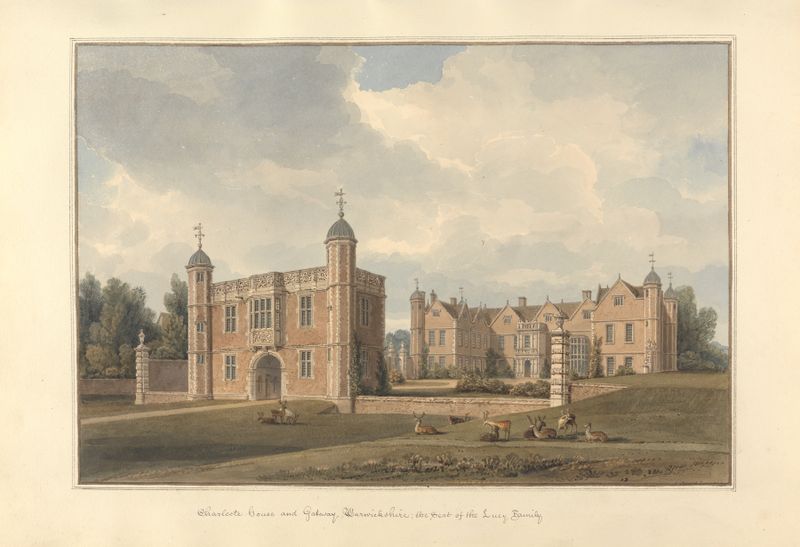
Charlcote house and Gateway, Warwickshire: the Seat of the Lucy Family
John Buckler

North East View of Holland House
John Buckler
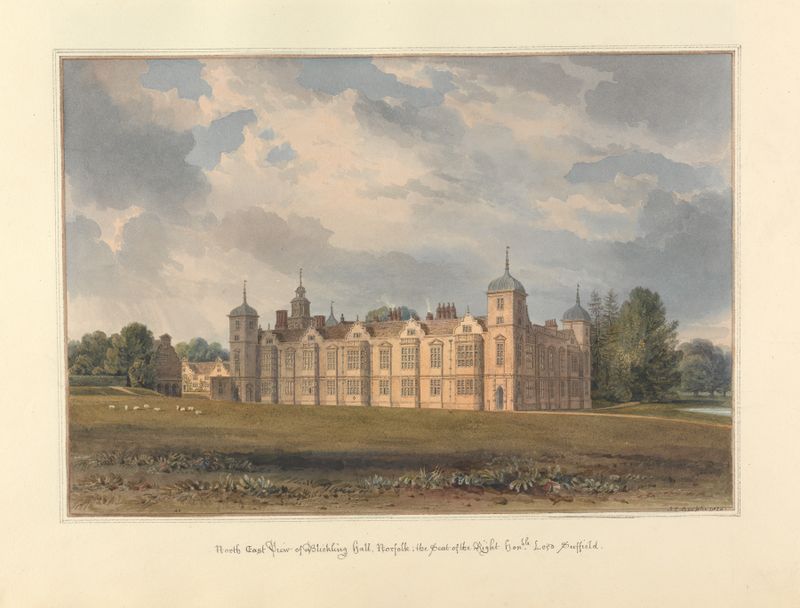
North East View of Blickling Hall, Norfolk: the Seat of the Right Hon’ble Lord Suffield
John Buckler
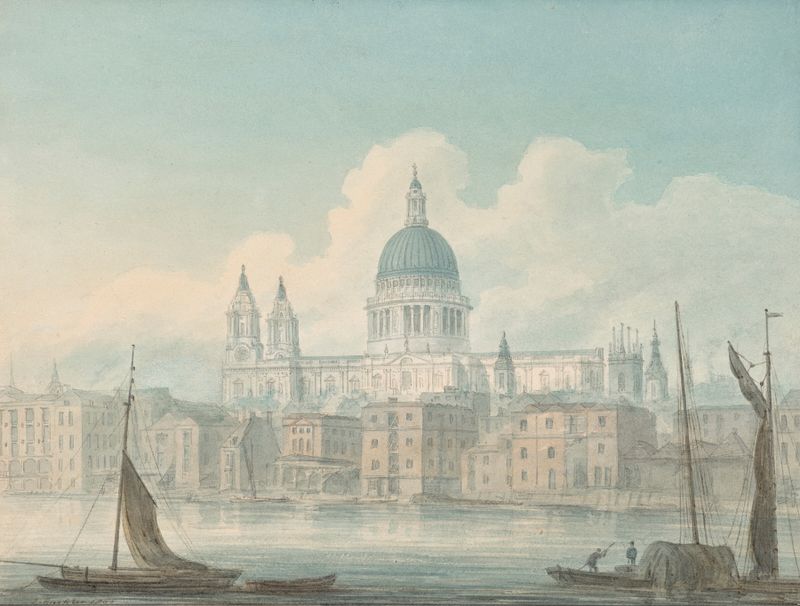
View of St Paul’s Cathedral, from the Southbank of the River Thames, London
John Buckler
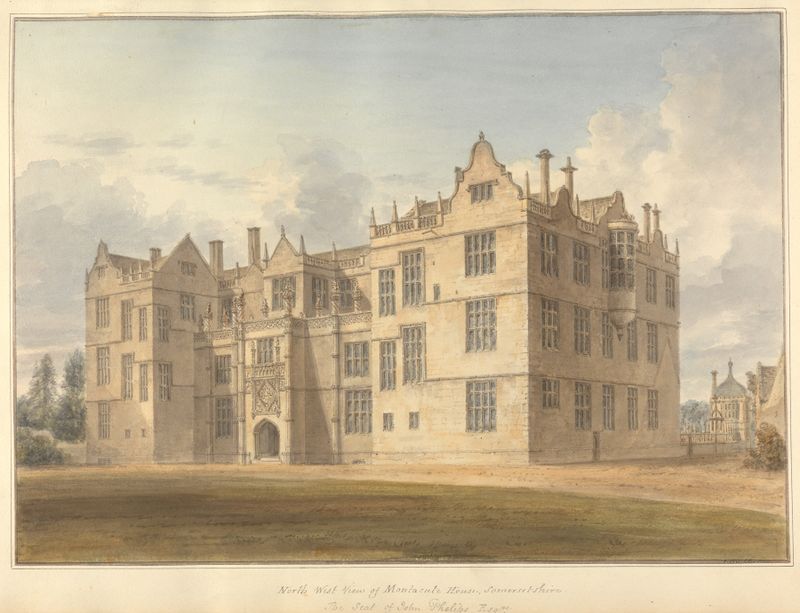
North West View of Montacute House, Somersetshire, The Seat of John Phelips Esqr.
John Buckler
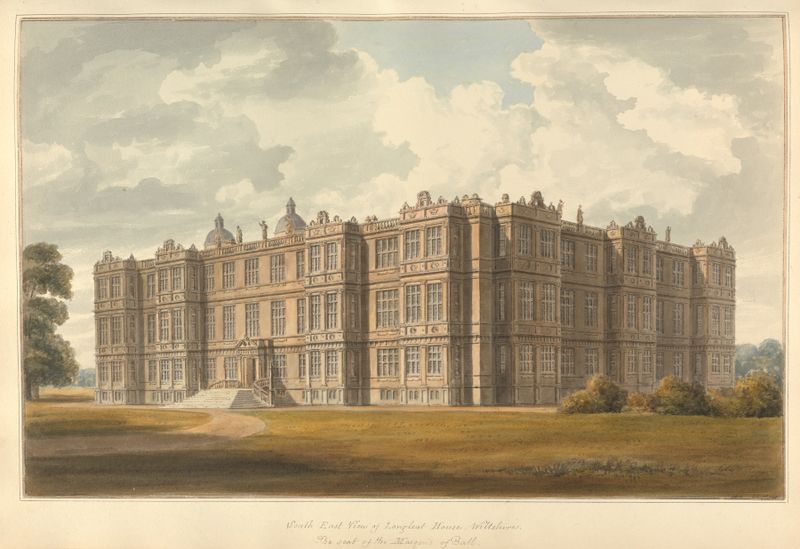
South East View of Longleat House, Wiltshire, the Seat of the Marquis of Bath
John Buckler
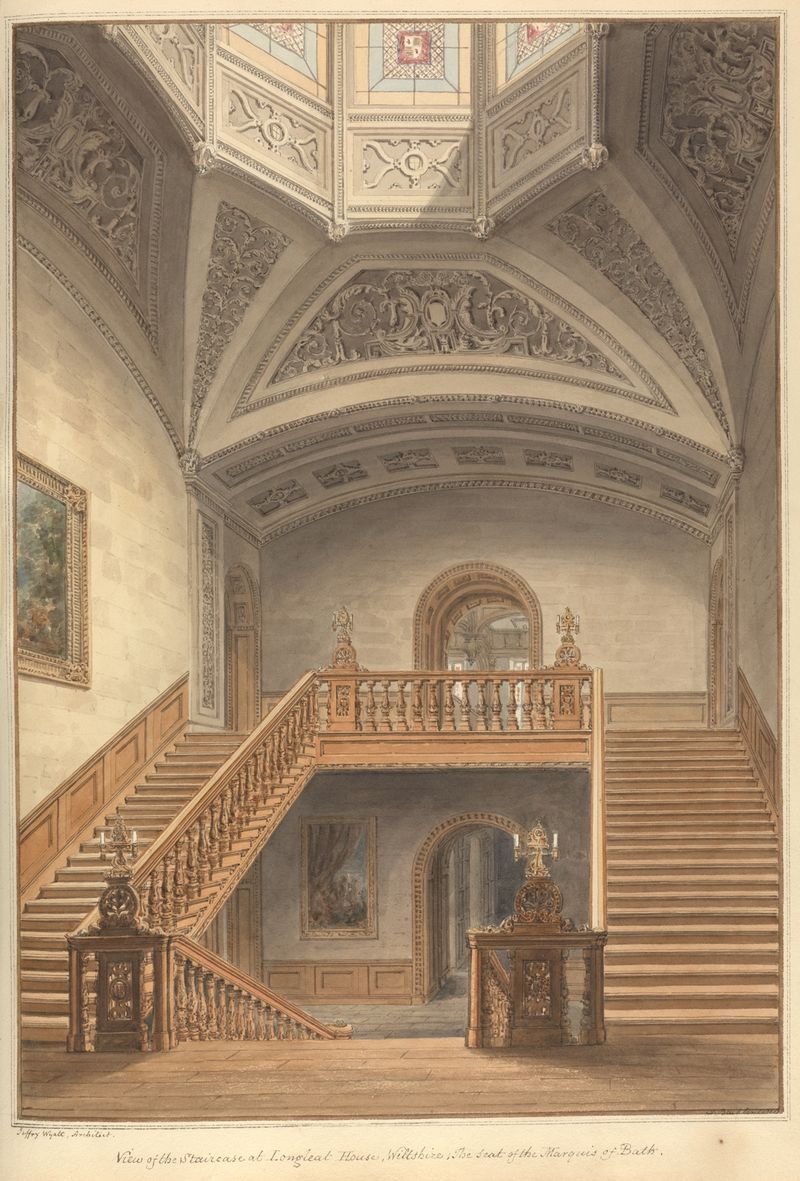
View of the Staircase at Longleat House, Wiltshire: the Seat of the Marquis of Bath
John Buckler
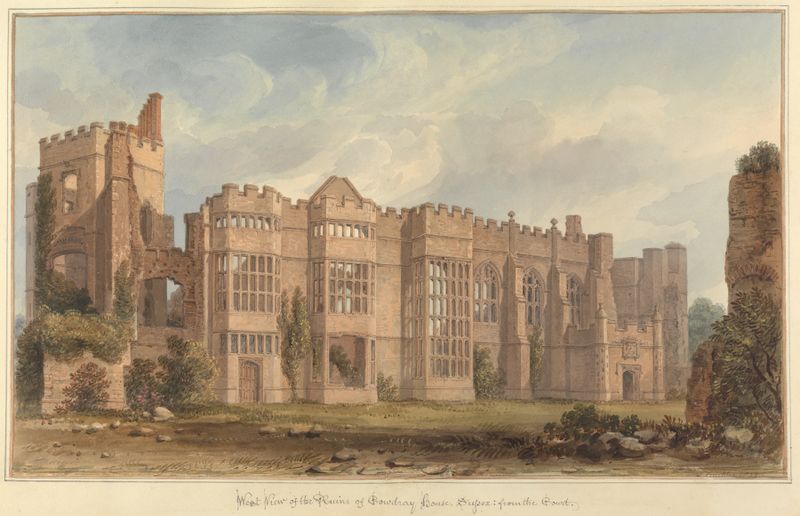
West View of the Ruins of Cowdray House, Sussex: from the Court
John Buckler
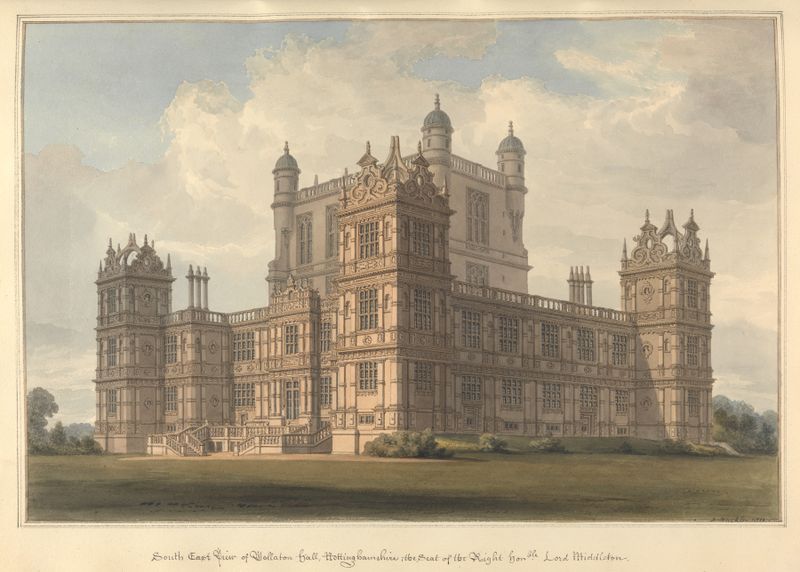
South East view of Wollaton hall, Nottinghamshire, the Seat of the Right honble. Lord Middleton
John Buckler