Interior View of the Hall at Hatfield House — History & Facts
Can beauty exist without sorrow? A question echoed through time, seeking solace in the elegant architecture of yesteryear. The interplay of light and shadow within the grand interior of Hatfield House evokes a haunting sense of nostalgia, reminding us of the delicate balance between opulence and decay. Look to the left at the richly adorned wooden panels, their intricate carvings inviting your gaze deeper into the space. Notice how the soft golden light spills through the tall windows, illuminating the faded tapestries that hang like whispers of history.
Buckler's meticulous brushwork captures not only the physical structure but also the atmospheric essence of the hall, making it both a literal and metaphorical centerpiece of the past. Within this serene yet somber interior, layers of emotion unfold. The empty space suggests stories untold, echoes of laughter faded into silence. The juxtaposition of the meticulous decorative elements against the creeping shadows whispers of transience—beauty preserved yet inevitably subject to the passage of time.
Each detail hints at a once-vibrant life, now hushed, leaving viewers to ponder the weight of history embedded in such grandeur. In 1812, John Buckler created this work during a period when the romanticism of the English countryside was flourishing. He was engaged in architectural studies and restoration, navigating a world where the appreciation of heritage and aesthetics was gaining momentum. As he captured the interior of Hatfield House, the artist was not only recording a visual masterpiece but also contributing to a broader dialogue about the relationship between art, history, and identity.
More Artworks by John Buckler
Browse all →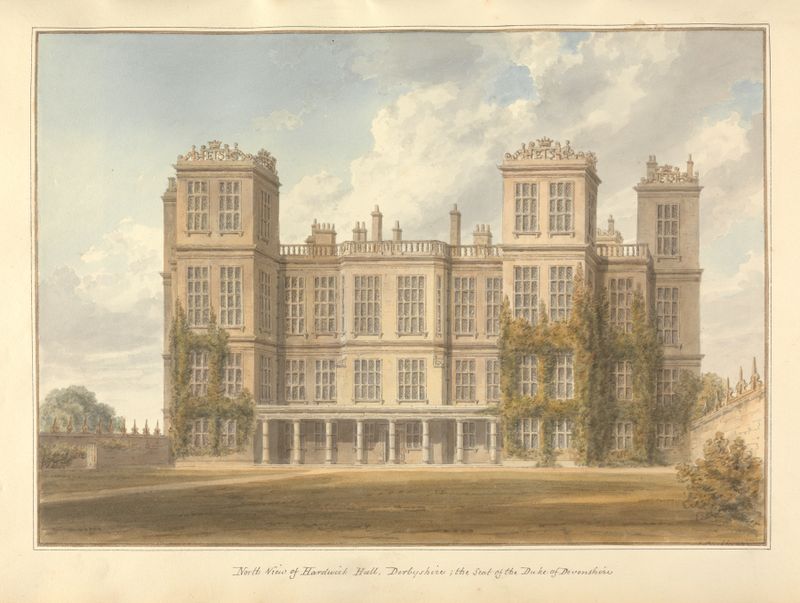
North View of Hardwick Hall, Derbyshire: the Seat of the Duke of Devonshire
John Buckler
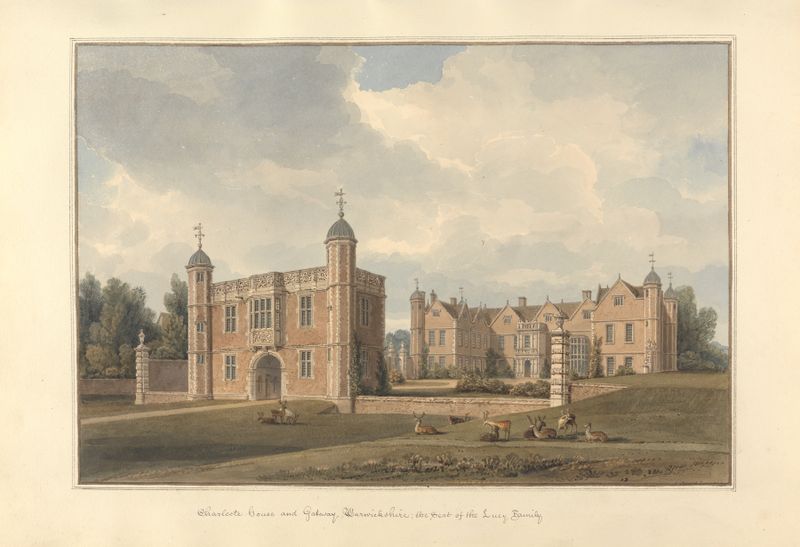
Charlcote house and Gateway, Warwickshire: the Seat of the Lucy Family
John Buckler

North East View of Holland House
John Buckler
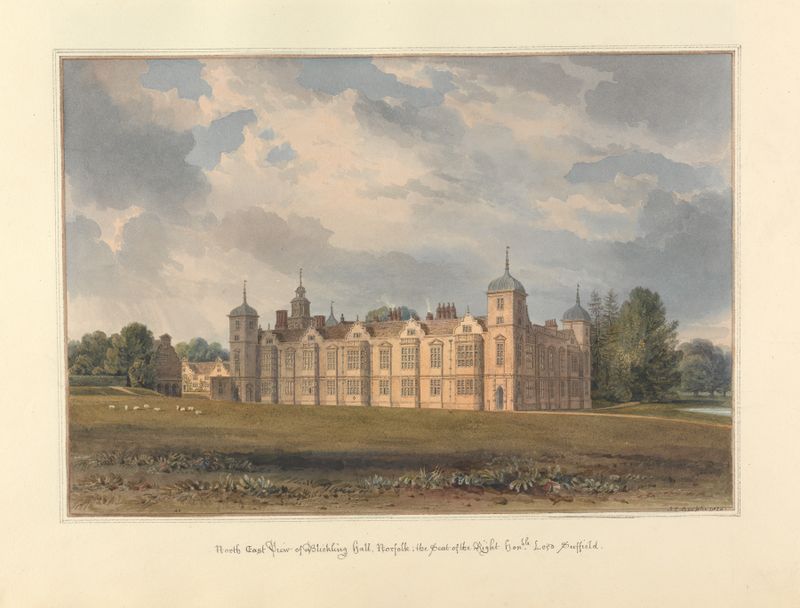
North East View of Blickling Hall, Norfolk: the Seat of the Right Hon’ble Lord Suffield
John Buckler
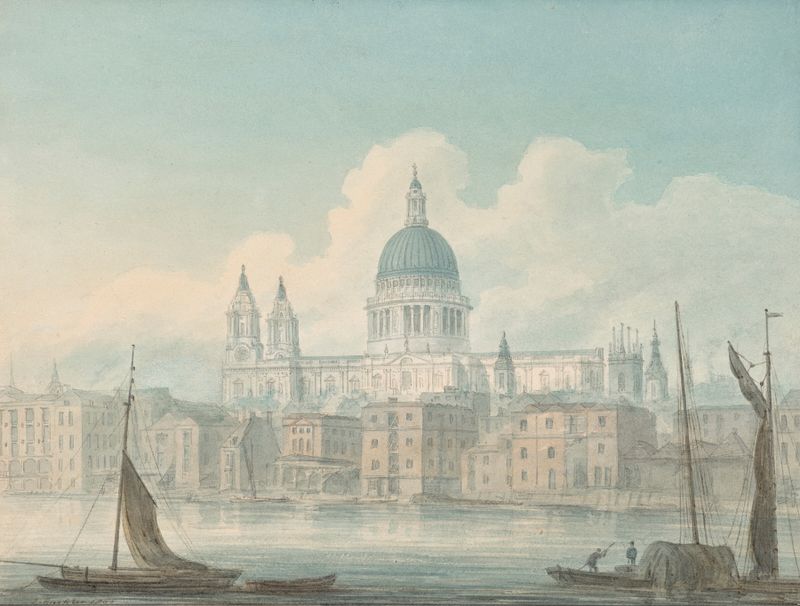
View of St Paul’s Cathedral, from the Southbank of the River Thames, London
John Buckler
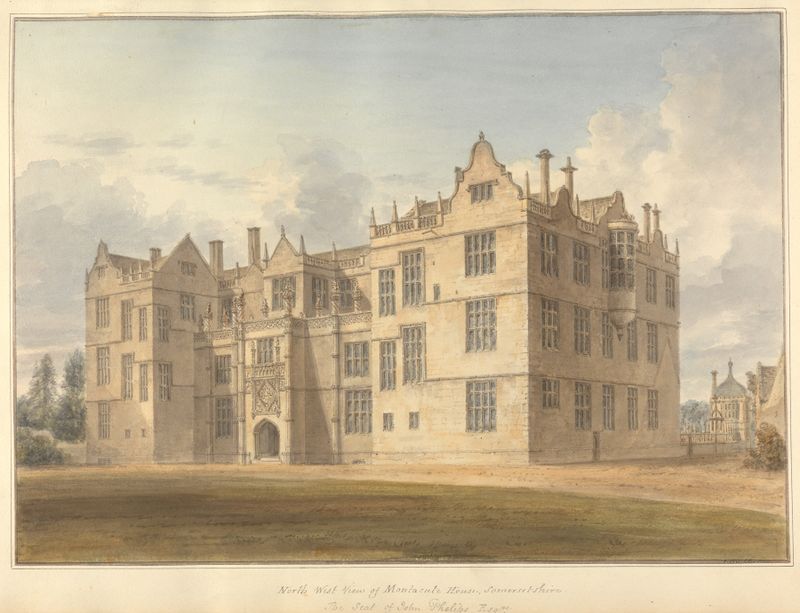
North West View of Montacute House, Somersetshire, The Seat of John Phelips Esqr.
John Buckler
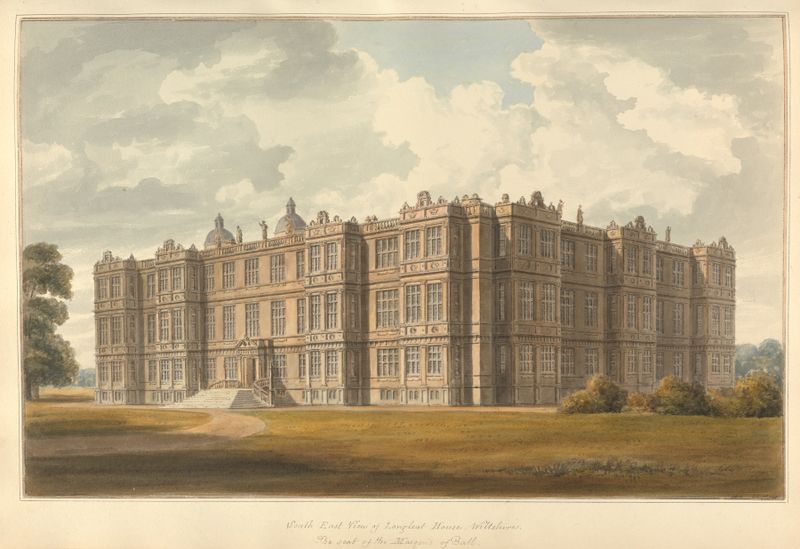
South East View of Longleat House, Wiltshire, the Seat of the Marquis of Bath
John Buckler
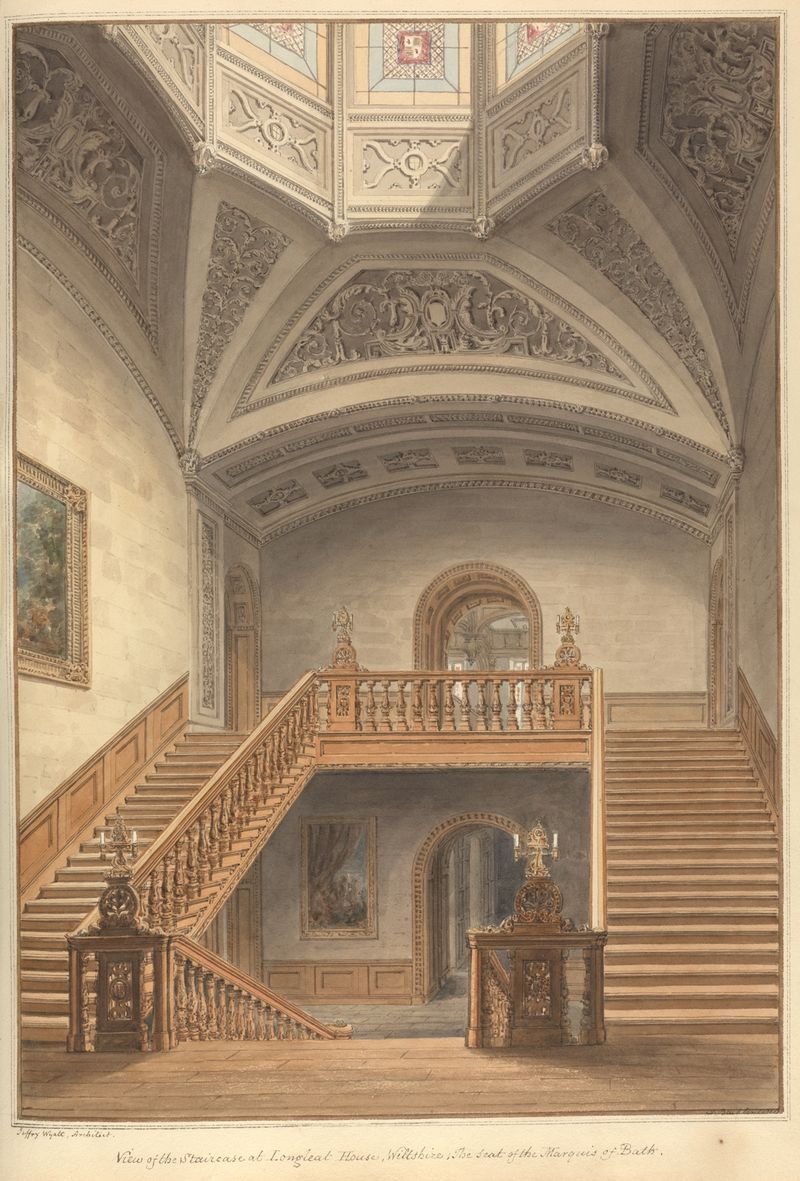
View of the Staircase at Longleat House, Wiltshire: the Seat of the Marquis of Bath
John Buckler
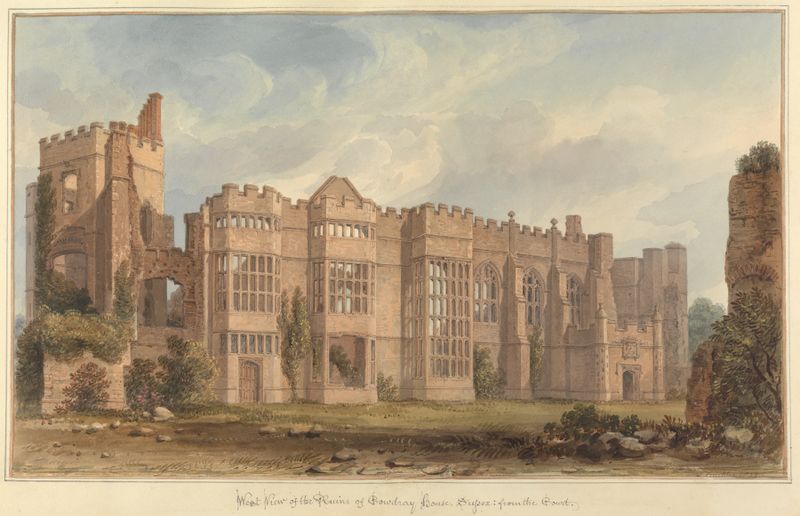
West View of the Ruins of Cowdray House, Sussex: from the Court
John Buckler
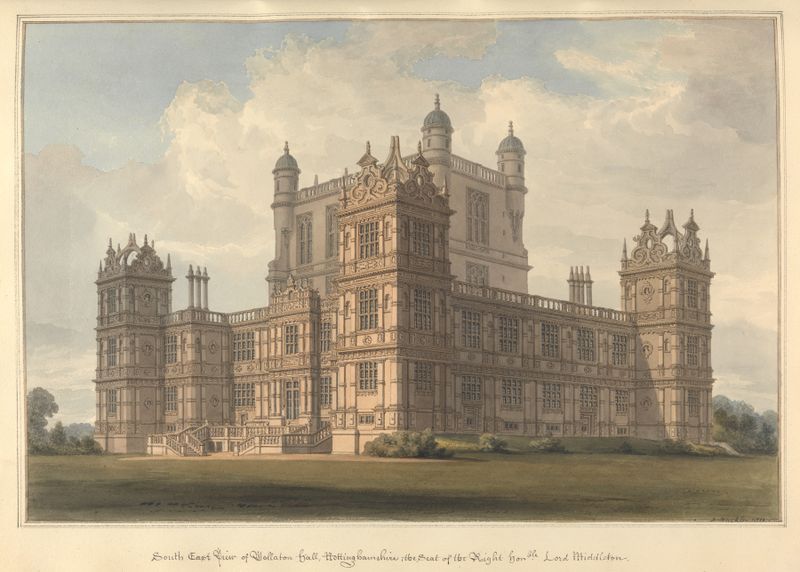
South East view of Wollaton hall, Nottinghamshire, the Seat of the Right honble. Lord Middleton
John Buckler