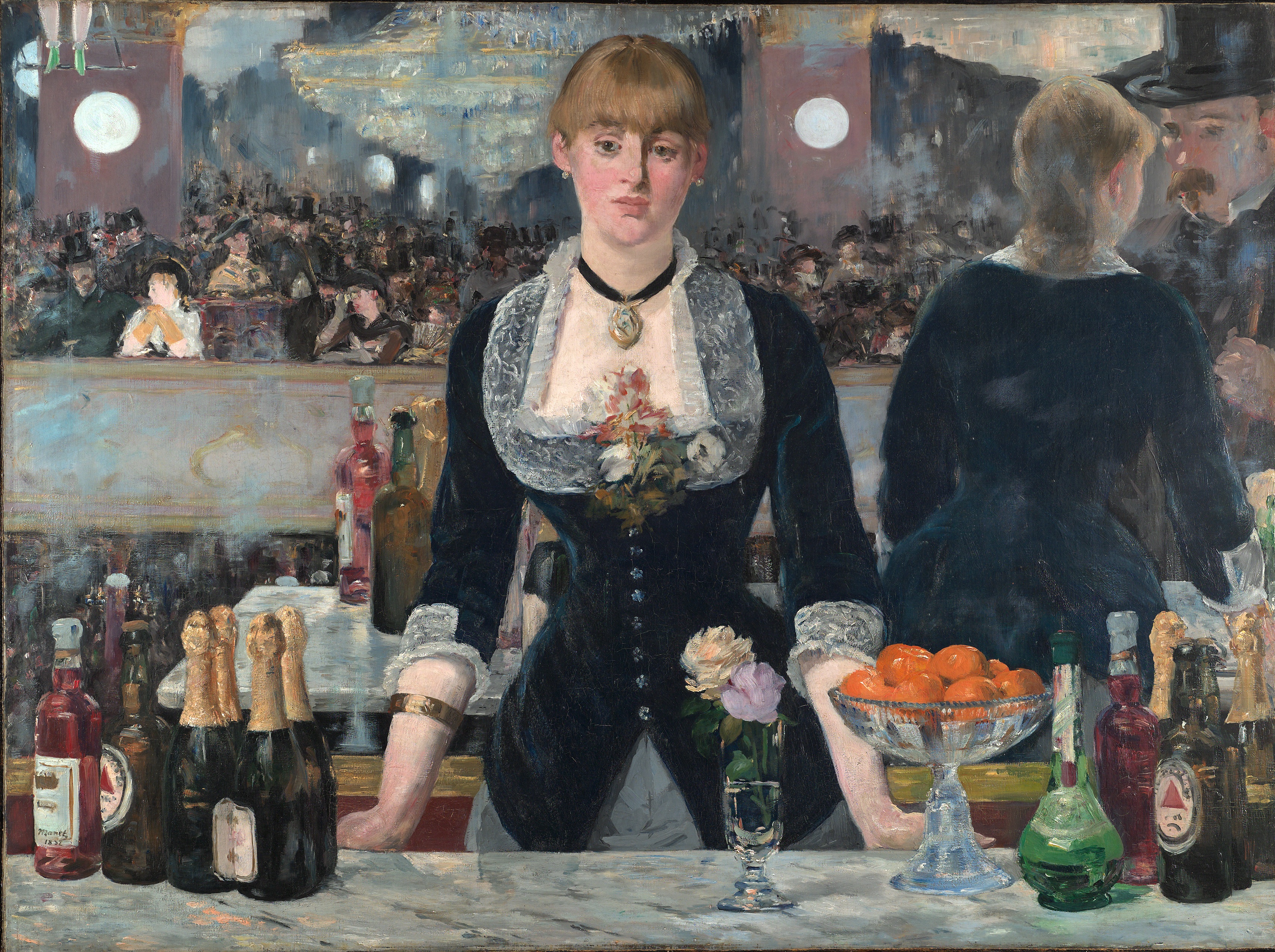
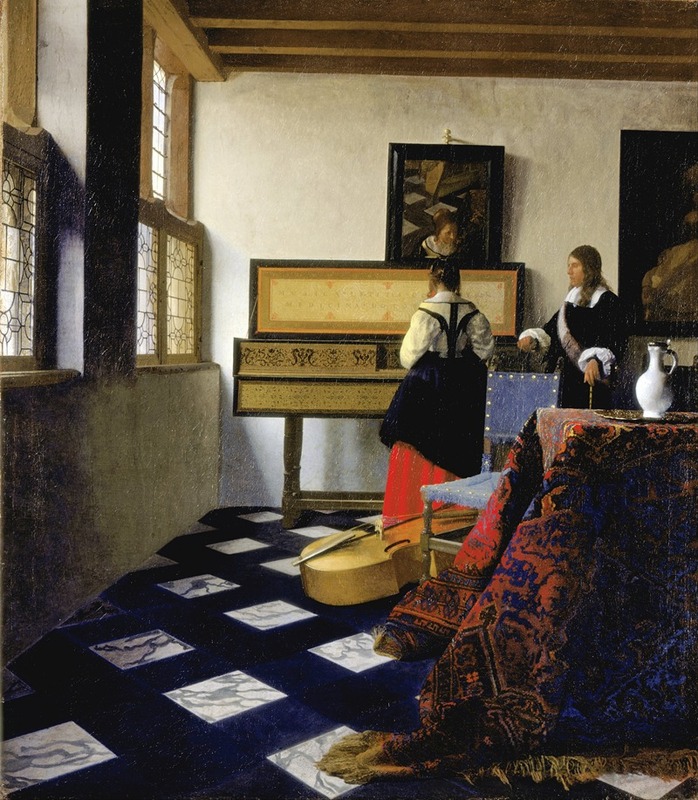
Interior View of the hall at Longleat: the Seat of the Marquis of Bath — History & Facts
When did color learn to lie? In the delicate interplay between vibrancy and decay, art becomes a complex tapestry of time, revealing the beauty and tragedy of life itself. Look to the left at the intricate architectural details of the hall, where ornate columns rise gracefully, yet show signs of wear, hinting at an elegance that was once vibrant. The muted palette, dominated by soft browns and greens, envelops the scene in a bittersweet nostalgia, while dappled light streams through the windows, casting long shadows that stretch across the floor like whispers of the past. Each brushstroke meticulously captures the aging textures, from the polished wood to the fading tapestries, inviting the viewer to explore both the grandeur and the fragility of this historic space. Notice how the contrast between light and shadow evokes a sense of unease, as the beauty of the room suggests a history rich with stories but tinged with the inevitability of decay.
The positioning of the furniture, almost as if frozen in time, speaks of lives lived and echoes of laughter that resonate in the air. There’s a poignancy in the details — a dust motes caught in the sunlight, an abandoned chair — all hinting at the passage of time and the weight of memory. John Buckler painted this evocative scene in 1821, during a period when neoclassicism was waning and romanticism was on the rise. Working primarily in England, he captured architectural subjects with meticulous detail and historical context.
At this time, the world around him was undergoing rapid changes, both in society and in artistic expression, as artists sought to capture the ephemeral beauty of their surroundings while acknowledging the inevitable decay that comes with time.
More Artworks by John Buckler
Browse all →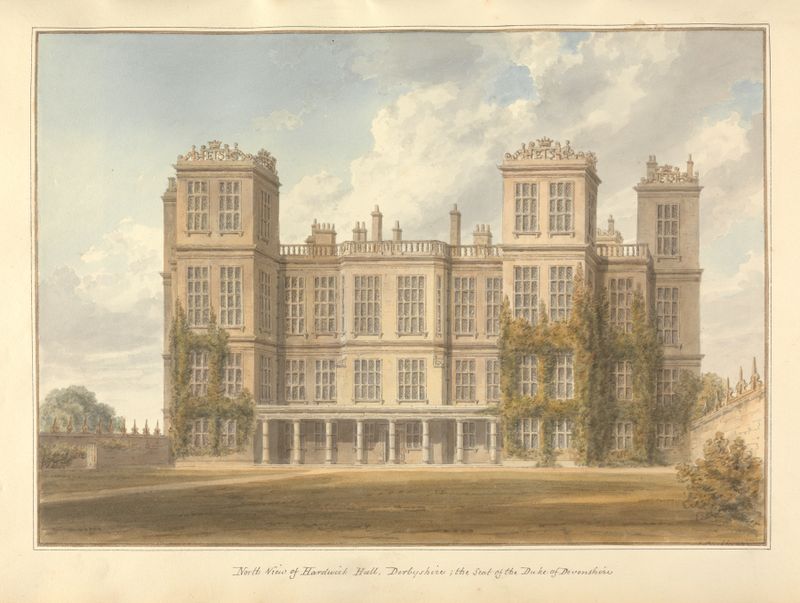
North View of Hardwick Hall, Derbyshire: the Seat of the Duke of Devonshire
John Buckler
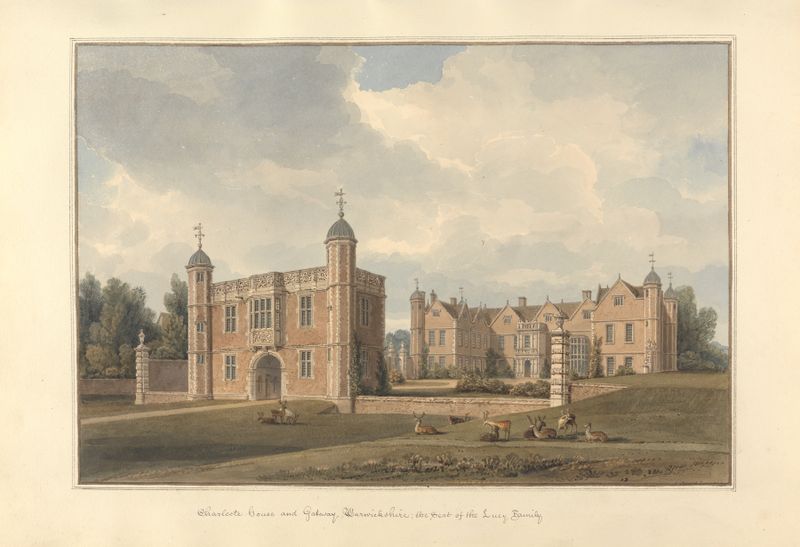
Charlcote house and Gateway, Warwickshire: the Seat of the Lucy Family
John Buckler

North East View of Holland House
John Buckler
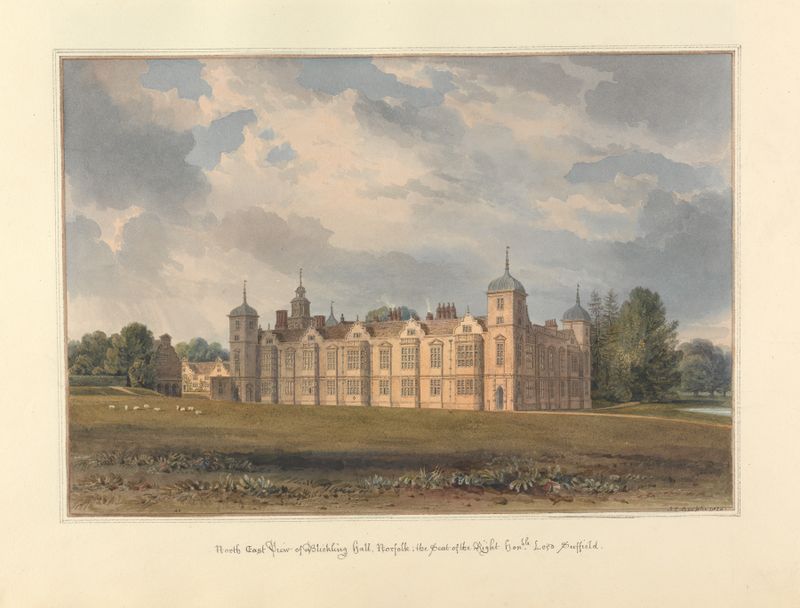
North East View of Blickling Hall, Norfolk: the Seat of the Right Hon’ble Lord Suffield
John Buckler
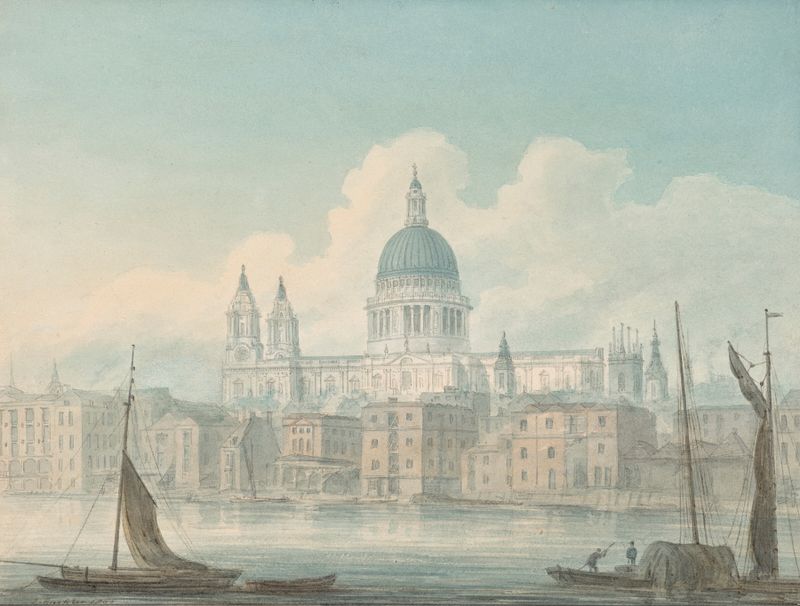
View of St Paul’s Cathedral, from the Southbank of the River Thames, London
John Buckler
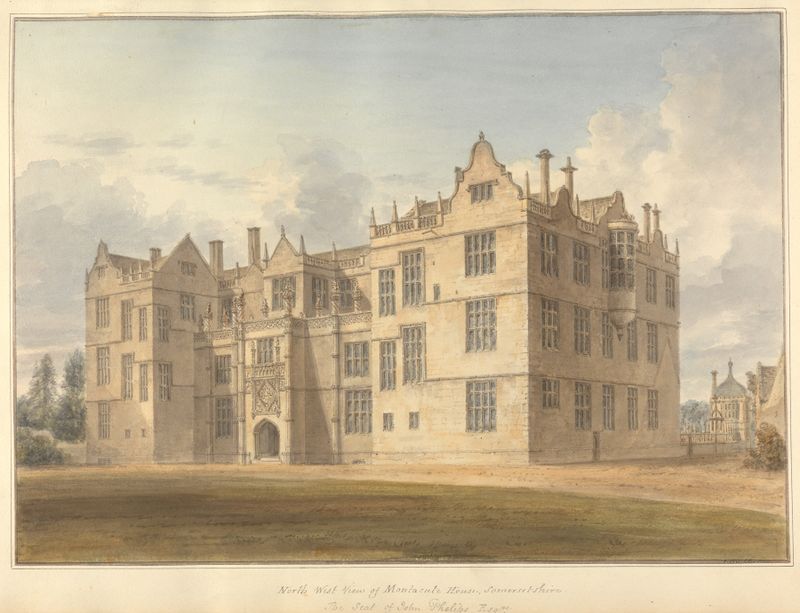
North West View of Montacute House, Somersetshire, The Seat of John Phelips Esqr.
John Buckler
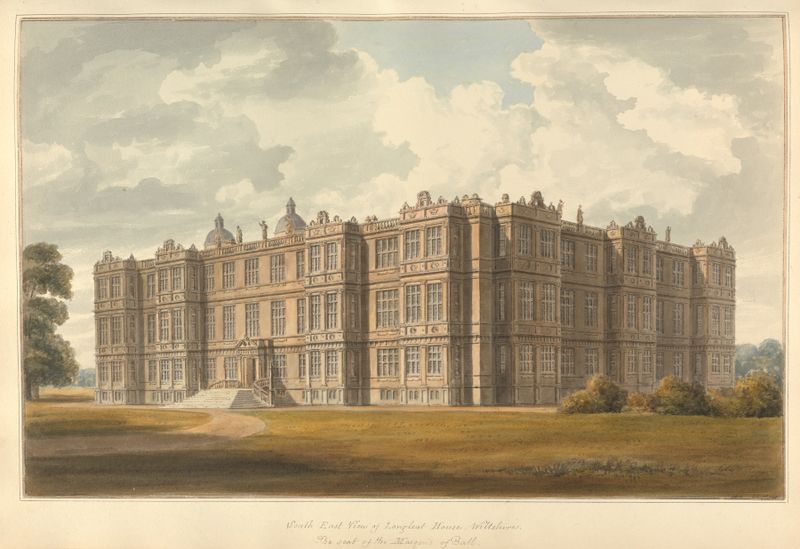
South East View of Longleat House, Wiltshire, the Seat of the Marquis of Bath
John Buckler
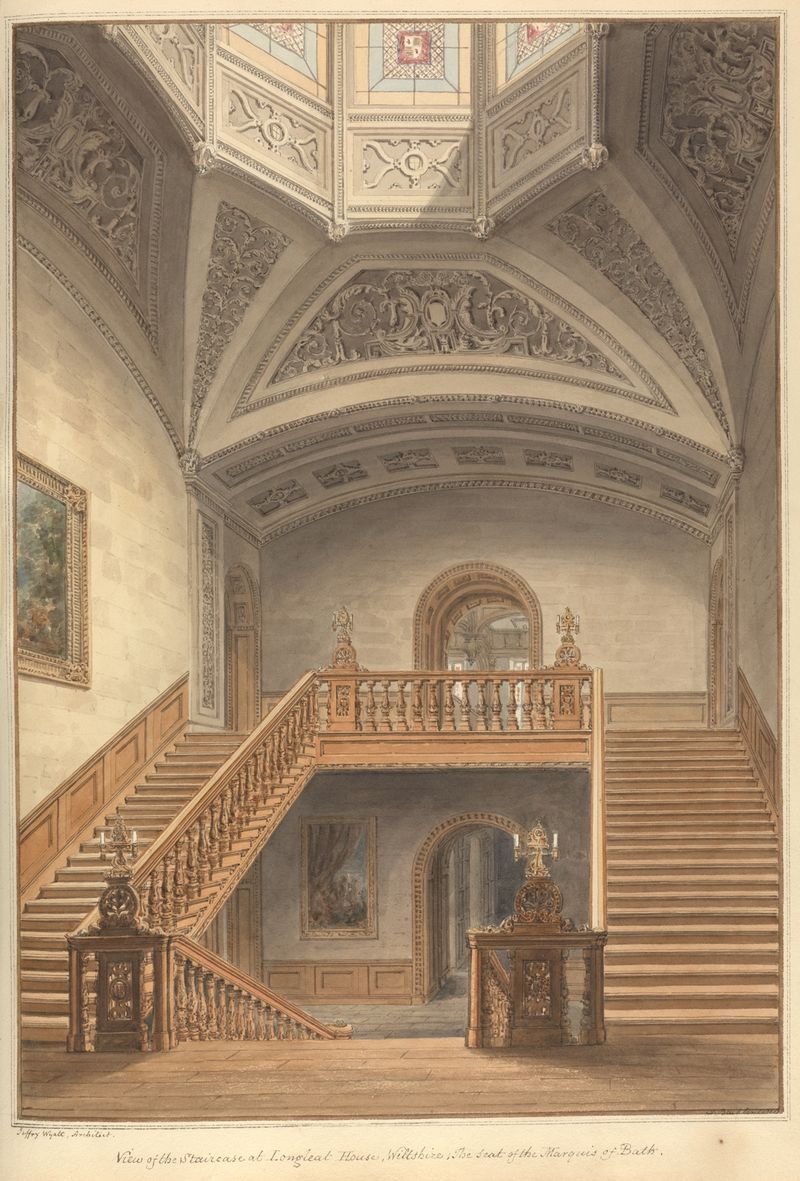
View of the Staircase at Longleat House, Wiltshire: the Seat of the Marquis of Bath
John Buckler
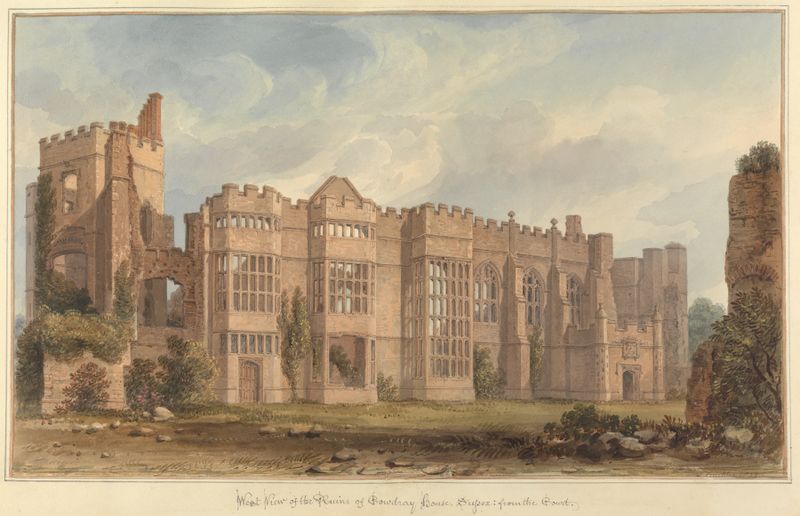
West View of the Ruins of Cowdray House, Sussex: from the Court
John Buckler
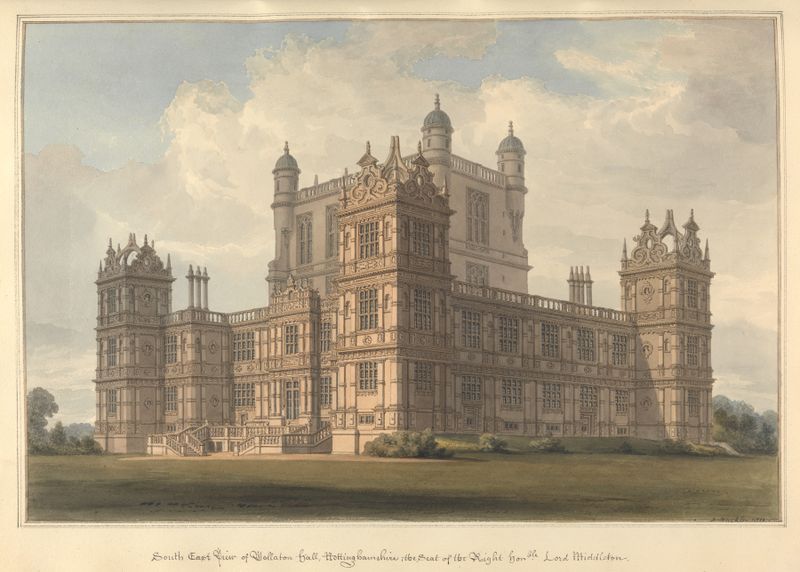
South East view of Wollaton hall, Nottinghamshire, the Seat of the Right honble. Lord Middleton
John Buckler