
International Indian Council (Held at Tallequah, Indian Territory, in 1843) — History & Facts
Can paint confess what words never could? In John Mix Stanley's International Indian Council (Held at Tallequah, Indian Territory, in 1843), the canvas speaks of unspoken histories, echoing the weight of mortality and culture lost over time. Focus on the center, where a group of solemn figures convenes, their expressions etched with complexity. The rich earth tones of their garments and the muted hues of the setting reflect a deep connection to the land, while the natural light filtering through the trees casts soft shadows, imparting a sense of tranquility amidst the tension. Notice how the arrangement of the figures creates a circular composition, drawing the viewer's eye into the heart of the gathering, where dialogue and negotiation unfold silently. In the details, the delicate textures of skin and fabric reveal the intimate humanity of the participants.
The subtle asymmetry of their positioning hints at a struggle for agency within a turbulent historical context. This gathering, a coalition of voices, contrasts sharply with the silent absence of those who have been displaced, invoking the fragility of their existence in a rapidly changing world. Each individual carries the weight of their ancestors' memories, compelling the viewer to confront notions of identity and survival. Stanley painted this significant work during a period when the American landscape was marked by the controversial policies of westward expansion and Native American displacement.
Working amidst the tension of these socio-political changes, he sought to document the resilience of Indigenous cultures and their complex negotiations for sovereignty. This painting not only reflects a historical moment but also serves as a poignant reminder of the narratives that continue to shape the present.
More Artworks by John Mix Stanley
Browse all →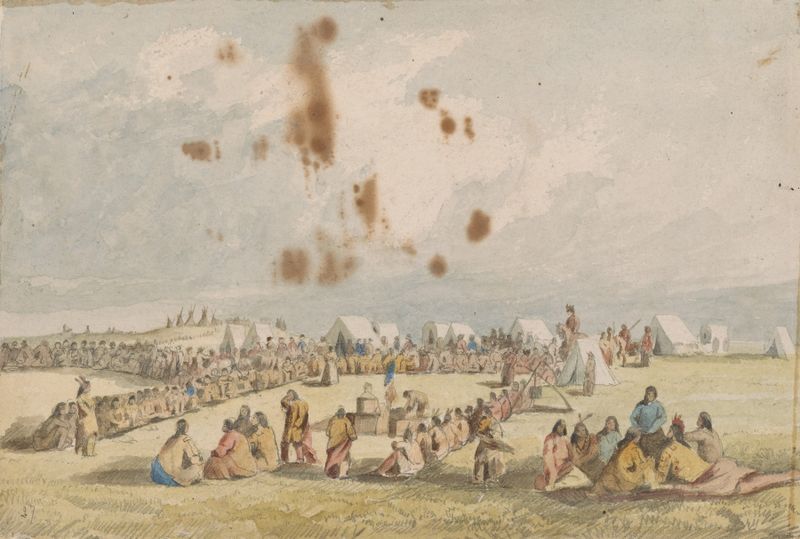
Distribution of Goods to the Assiniboins
John Mix Stanley
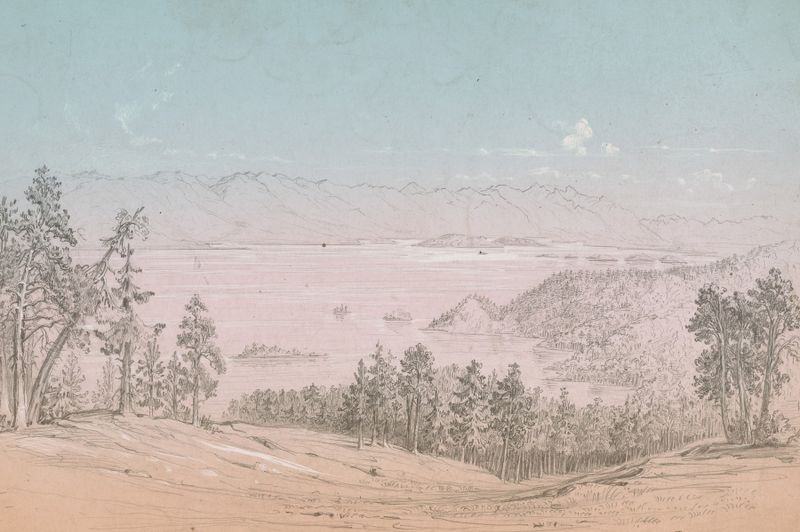
Flathead Lake, Looking toward the South
John Mix Stanley

A Morning in Milk River Valley
John Mix Stanley

Mount Rainier Viewed from Near Steilacoom
John Mix Stanley
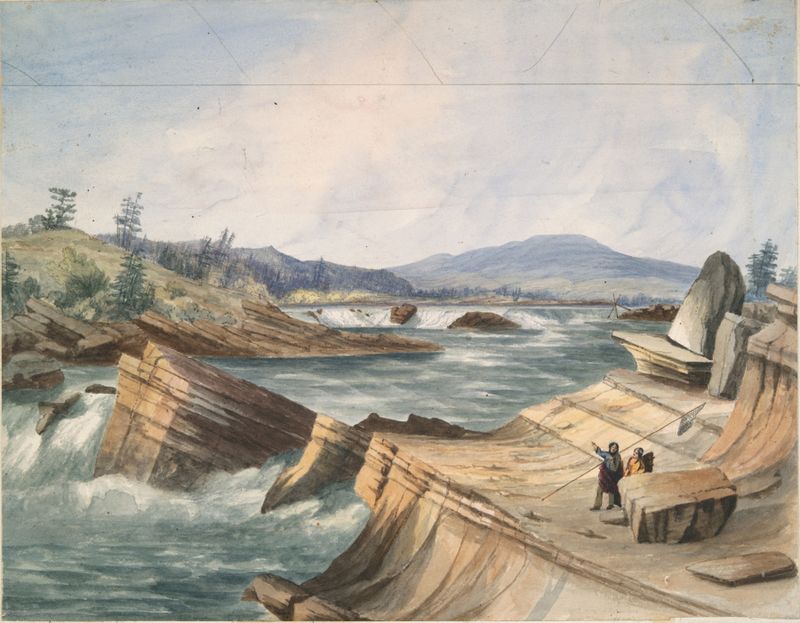
Kettle Falls, Columbia River
John Mix Stanley
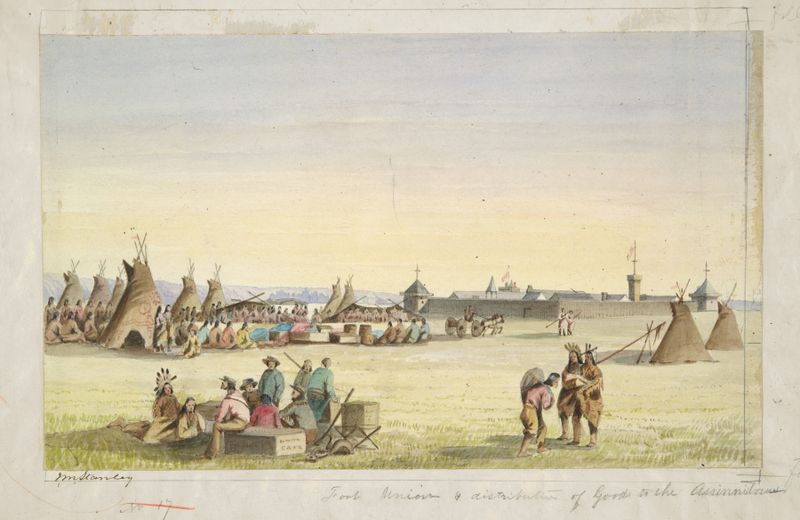
Fort Union and Distribution of Goods to the Assiniboins
John Mix Stanley

Pike Lake M.T.
John Mix Stanley
Sauk River
John Mix Stanley

Milk River – Bear’s Paw Mountain in Distance
John Mix Stanley

Fort Benton
John Mix Stanley
More Historical Art
Browse all →
The Night Watch Militia Company of District II under the Command of Captain Frans Banninck Cocq
Rembrandt van Rijn

Lincoln Memorial
Henry Bacon

The Third of May 1808
Francisco de Goya

Isaac and Rebecca, Known as ‘The Jewish Bride’
Rembrandt van Rijn

The Charge of the Mamelukes (1814)
Francisco de Goya

De vier ruiters van de apocalyps
Albrecht Dürer