
Intocht in Jeruzalem — History & Facts
Could beauty survive in a century of chaos? Wenceslaus Hollar’s Intocht in Jeruzalem invites the viewer to contemplate this question as innocence shines through a tumultuous era. Look at the intricate details of the crowd, each figure meticulously etched, capturing an array of expressions that range from awe to reverence. Notice how the warm ochres and soft blues of their garments contrast with the starkness of the cityscape behind them, drawing your gaze towards the central procession. The layering of figures creates depth, while the subtle play of light enhances the scene's vibrancy, guiding your eye across the canvas and into the heart of Jerusalem itself. Yet, within this thriving spectacle lies an undercurrent of tension.
The innocence of the crowd stands juxtaposed against the looming fortifications of the city, a reminder of the fragility of hope amid strife. Small details, such as the raised palms of the onlookers, suggest a yearning for connection and peace, hinting at a deeper longing for serenity amidst the chaos surrounding them. Each face tells a story, a mosaic of human experience that evokes both joy and an awareness of the precarious nature of such moments. Created in 1670, Intocht in Jeruzalem reflects Hollar’s life as an engraver in post-war Europe, witnessing the complexities of society in the aftermath of political and religious turbulence.
His work emerged during a time when artists were grappling with the legacies of conflict, seeking solace in the depiction of communal bonds and the timeless beauty of sacred moments. Hollar’s artistry transcends the chaos, capturing a fleeting glimpse of innocence in a world forever changed.
More Artworks by Wenceslaus Hollar
Browse all →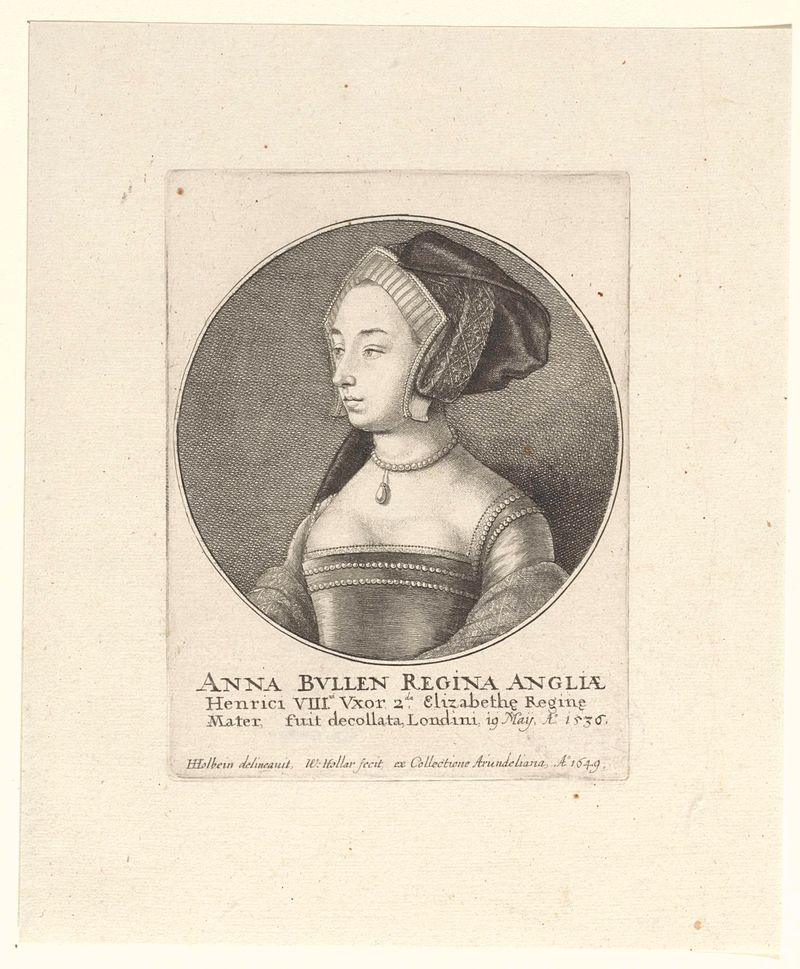
Portret van Anna Boleyn, koningin van Engeland
Wenceslaus Hollar
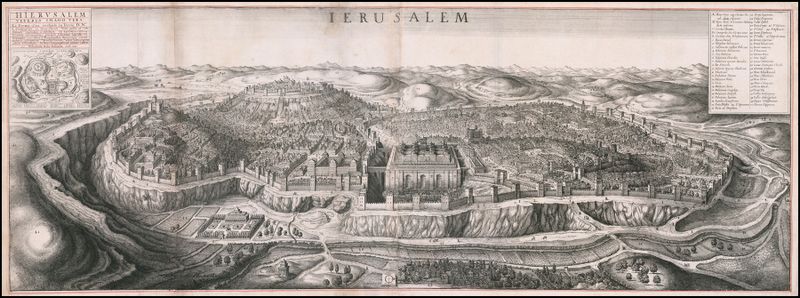
Bird’s eye view of Jerusalem
Wenceslaus Hollar
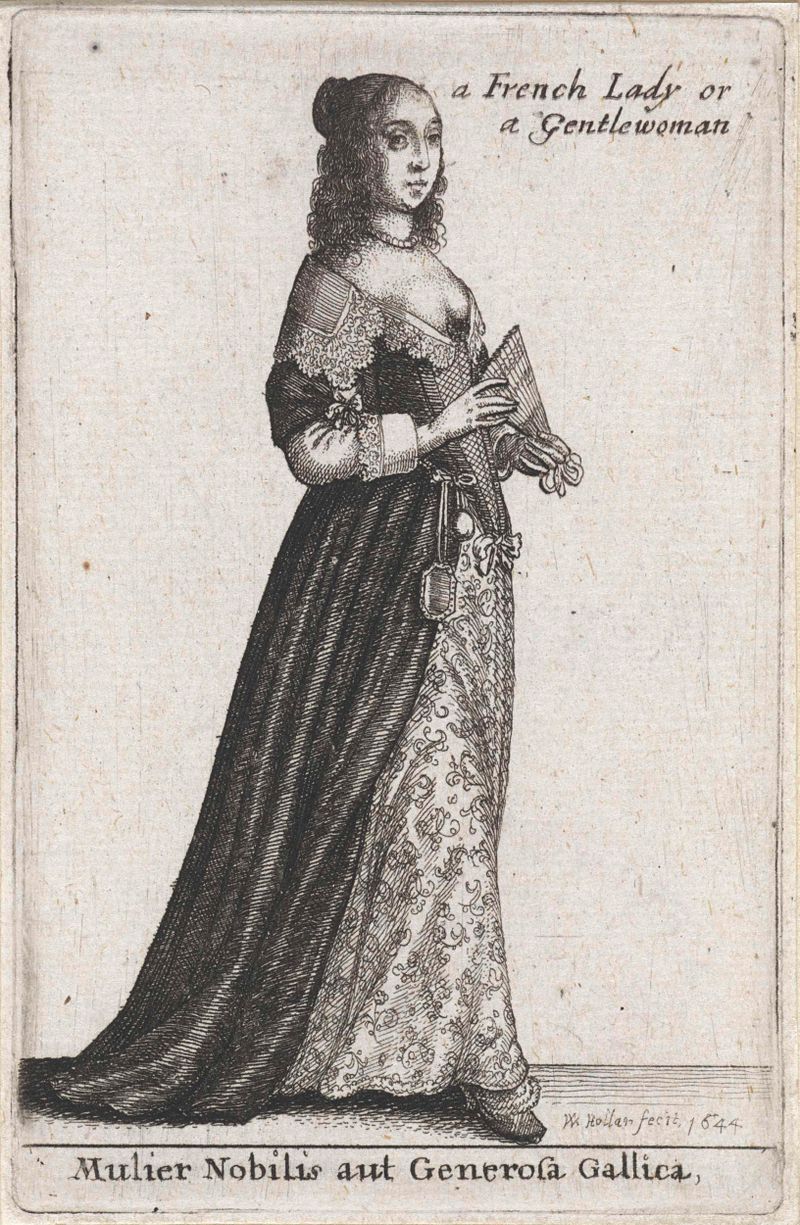
Mulier Nobilis aut Generosa Gallica / a French Lady or Gentlewoman
Wenceslaus Hollar
Titelprent voor: Ornatus Muliebris Anglicanus
Wenceslaus Hollar
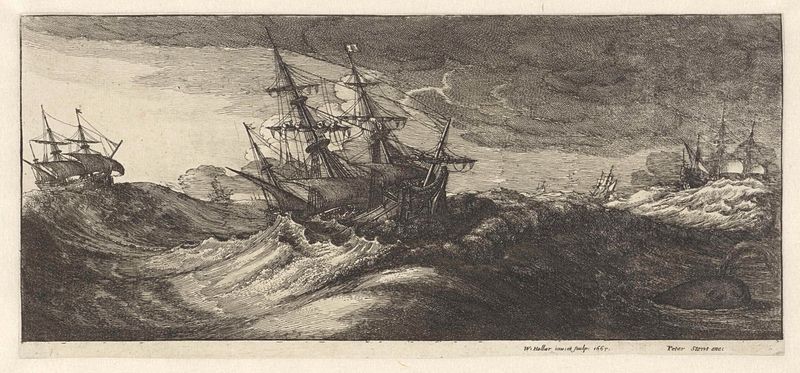
Oorlogsschepen en een walvis in een zeestorm
Wenceslaus Hollar
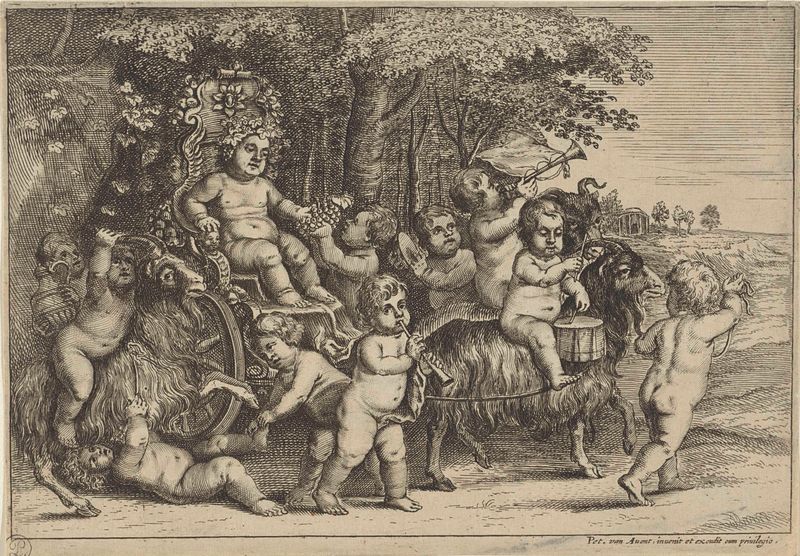
Optocht van bacchant en jongetjes op geiten
Wenceslaus Hollar
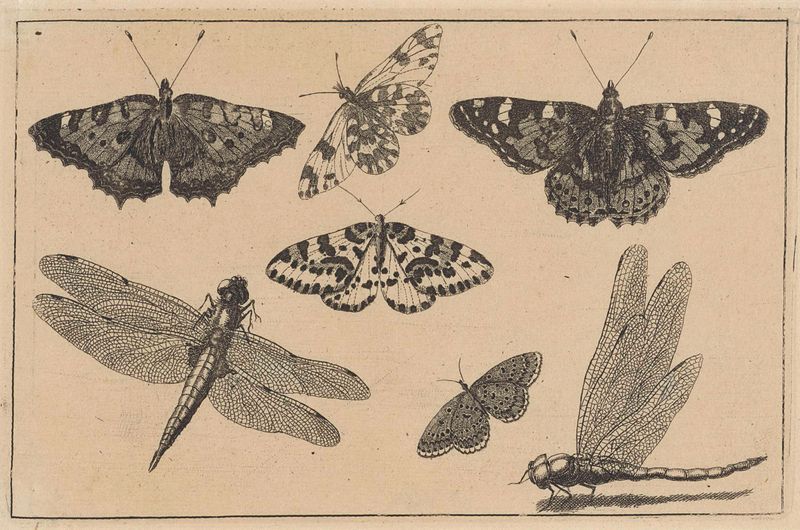
Twee libellen en vijf vlinders
Wenceslaus Hollar
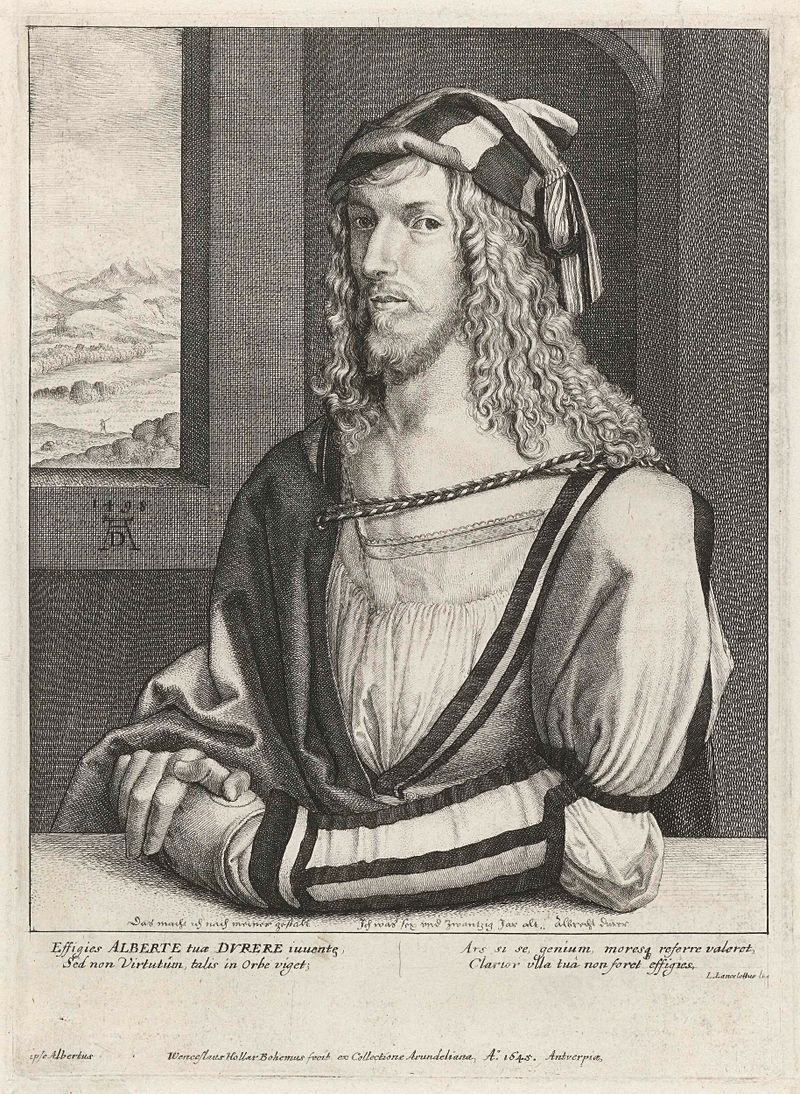
Portret van Albrecht Dürer
Wenceslaus Hollar
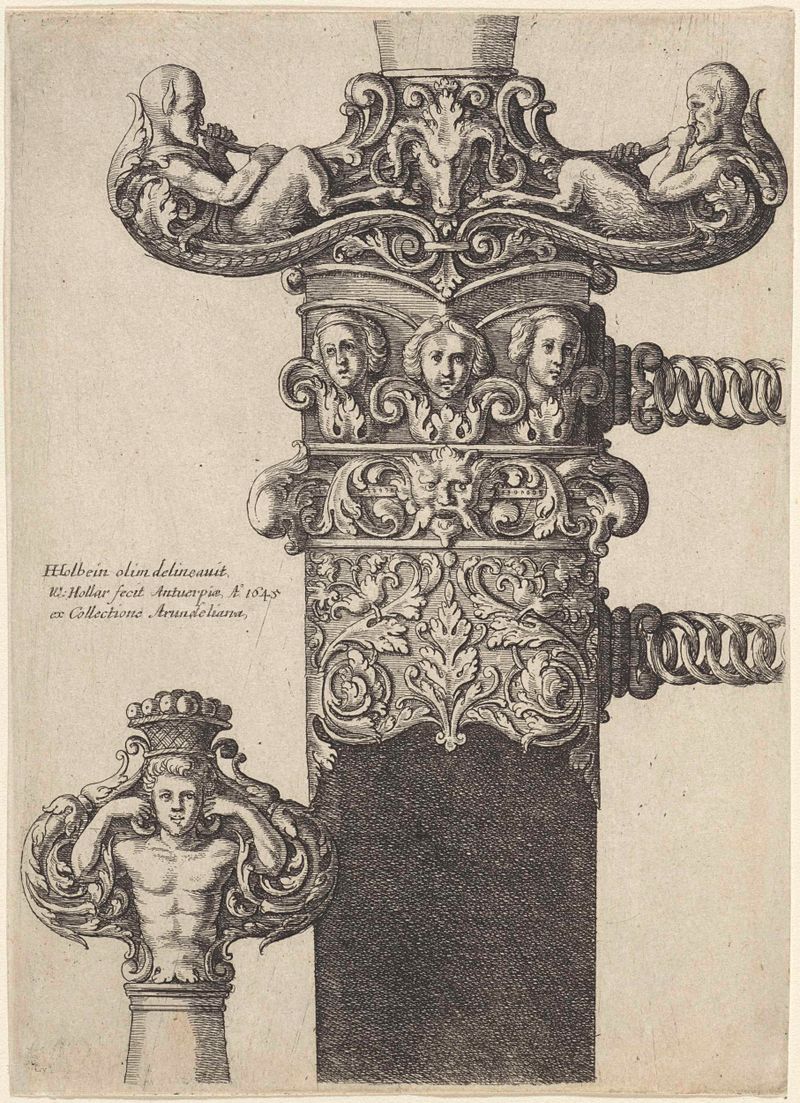
Ornamenteel ontwerp voor een dolk
Wenceslaus Hollar
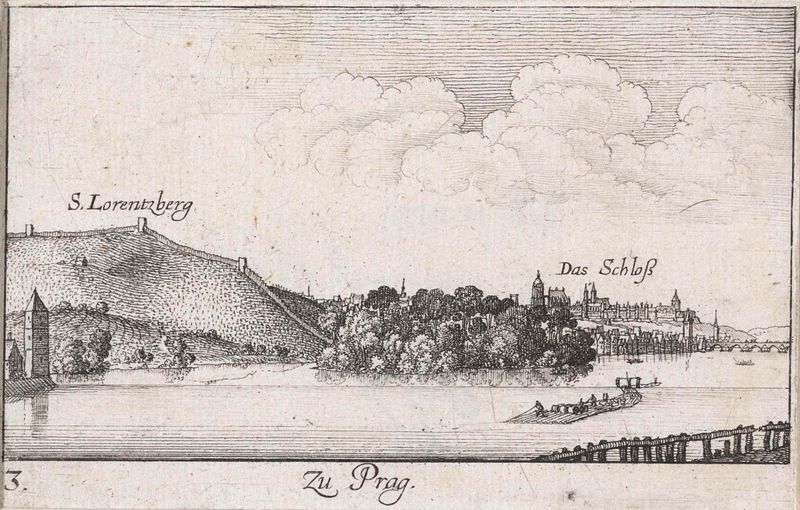
Gezicht op Praag vanaf de Moldau
Wenceslaus Hollar
More Religious Art
Browse all →
The Return of the Prodigal Son
Rembrandt van Rijn

The Garden of Earthly Delights
El Bosco

Count Orgaz’ funeral
El Greco

The Hundred Guilder Print: the central piece with Christ preaching, the plate arched
Rembrandt van Rijn

The Descent from the Cross
Rogier van der Weyden

The return of the prodigal son
Rembrandt van Rijn