
Intocht van Christus in Jeruzalem — History & Facts
Can beauty exist without sorrow? In Georg Pencz's Intocht van Christus in Jeruzalem, the viewer is invited to ponder the tangled relationship between the sacred and the earthly, where joy is always shadowed by the specter of impending despair. Look to the center of the canvas, where the figure of Christ, humble yet commanding, rides into Jerusalem. Notice the rich, vibrant colors of his cloak, contrasting sharply with the muted tones of the crowd that surrounds him. The intricate details in the expressions of the onlookers reveal a spectrum of emotions—from reverence to skepticism—while the sun casts ethereal light across the scene, enhancing the sense of divinity in the moment.
Pencz’s meticulous brushwork brings each face to life, pulling you deeper into the narrative. Beneath the surface of this triumphal entry lies a complex interplay of themes. The crowd's varied reactions speak to the tension between faith and doubt, suggesting that adoration often coexists with skepticism. The palm fronds, symbols of peace and victory, also foreshadow the suffering that awaits, infusing the scene with a melancholic undertone.
This intricate visual dialogue compels the viewer to confront the dual nature of existence—beauty intertwined with sorrow, joy tinged with foreboding. Created between 1534 and 1535, this masterpiece emerged during a time of great change in the art world, as the Northern Renaissance began to flourish. Pencz was influenced by both the advancements in printmaking and the emerging Protestant Reformation, which questioned established norms and inspired new interpretations of biblical narratives. In this work, the artist reflects both the fervor of devotion and the complexity of human emotion, capturing a pivotal moment in the collective consciousness.
More Artworks by Georg Pencz
Browse all →
Parabel van de zaaier
Georg Pencz

Parabel van de arbeiders in de wijngaard
Georg Pencz
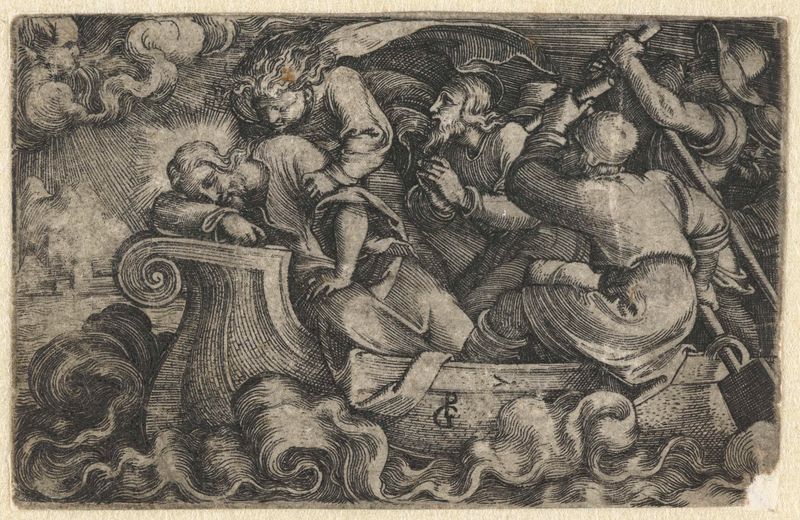
Discipelen wekken slapende Christus tijdens storm op Meer van Galilea
Georg Pencz

Afgunst (Invidia)
Georg Pencz
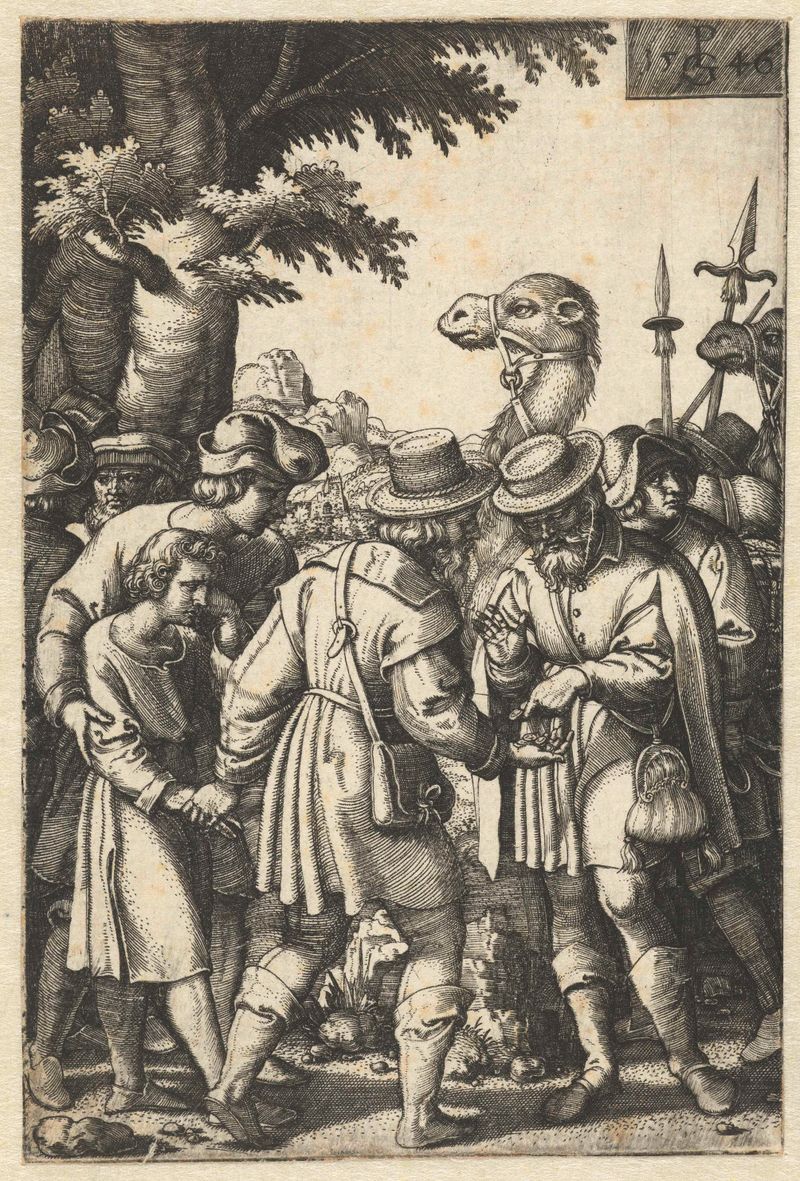
Jozef wordt verkocht aan kooplieden op weg naar Egypte
Georg Pencz

Aanbidding der koningen
Georg Pencz
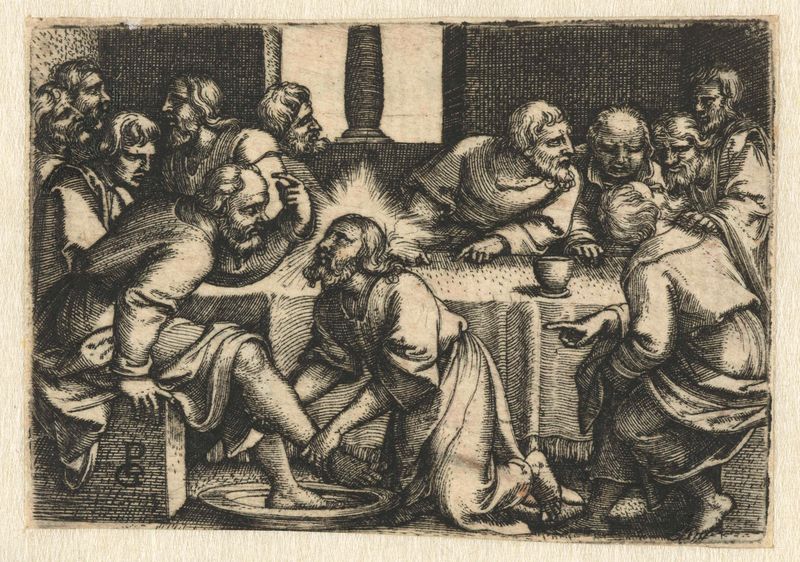
Petrus protesteert als Christus zijn voeten wast
Georg Pencz
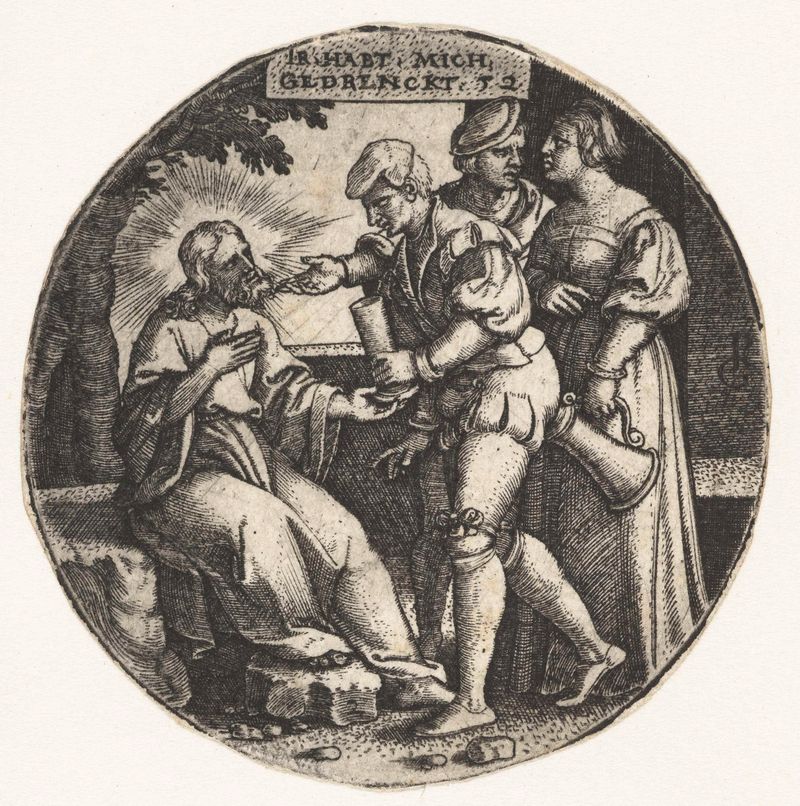
Christus heeft dorst en krijgt drinken aangeboden
Georg Pencz
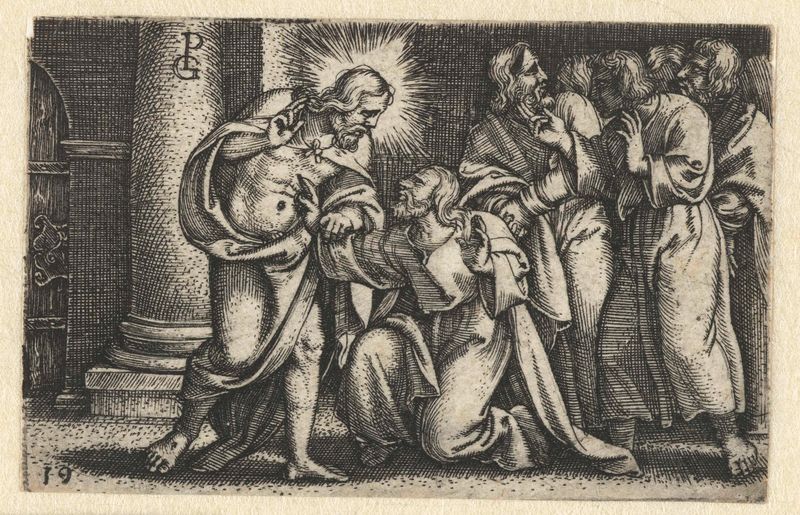
Ongelovige Thomas raakt wonden Christus aan
Georg Pencz

Offer van Abraham van Isaak
Georg Pencz
More Religious Art
Browse all →
The Return of the Prodigal Son
Rembrandt van Rijn

The Garden of Earthly Delights
El Bosco

Count Orgaz’ funeral
El Greco

The Hundred Guilder Print: the central piece with Christ preaching, the plate arched
Rembrandt van Rijn

The Descent from the Cross
Rogier van der Weyden

The return of the prodigal son
Rembrandt van Rijn