
Iris — History & Facts
In Iris, Claude Monet captures a vibrant display of flowers, primarily irises, set against a lush green background. The colors are vivid, with deep purples, blues, and greens dominating the canvas. The brush strokes are loose and fluid, creating a sense of movement among the flowers.
This lively composition invites the viewer into a serene garden scene. The painting is executed in oil on canvas, a medium that allows for rich color and texture. Monet's technique involves layering colors to create depth and luminosity, typical of his Impressionist style. The dimensions of the artwork are approximately 80 x 100 cm, making it a substantial piece.
The vibrant hues and dynamic brushwork are hallmarks of Monet's approach to capturing nature. Claude Monet painted Iris during the later years of his career, a time when he focused increasingly on his garden in Giverny. This work reflects his deep appreciation for the natural world and his innovative techniques in portraying light and color. Interestingly, Monet often painted the same subjects multiple times to capture their changing appearances in different light conditions.
Iris stands as a testament to his dedication to exploring the beauty of flowers.
More Artworks by Claude Monet
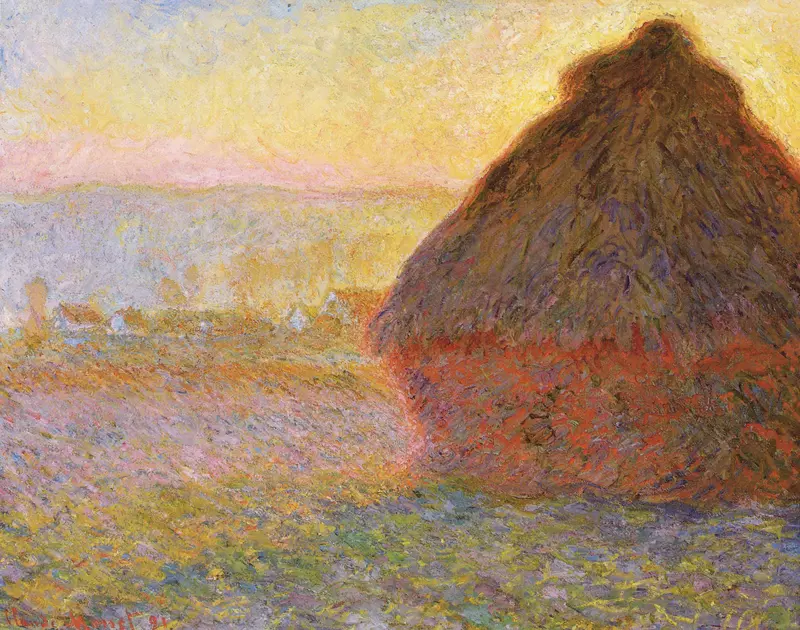
Grainstack (Sunset)
Claude Monet
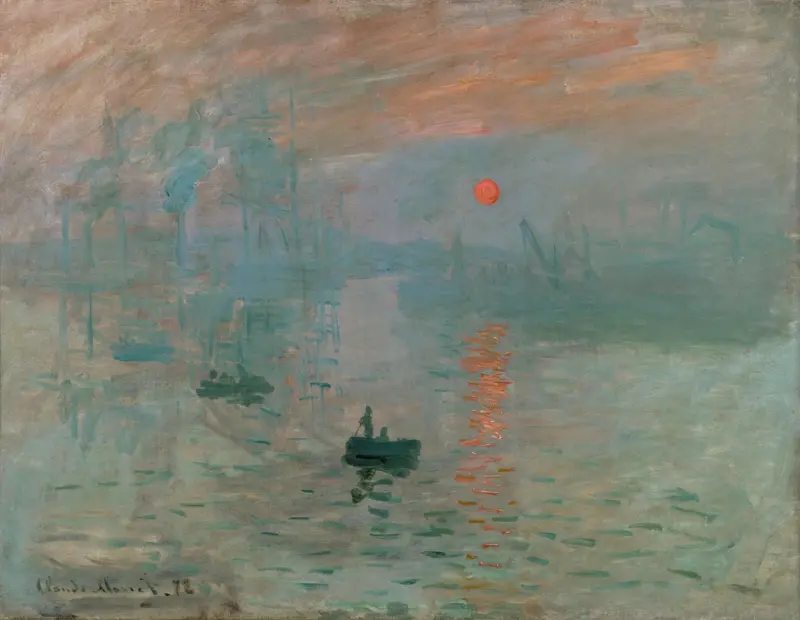
Impression, Sunrise
Claude Monet
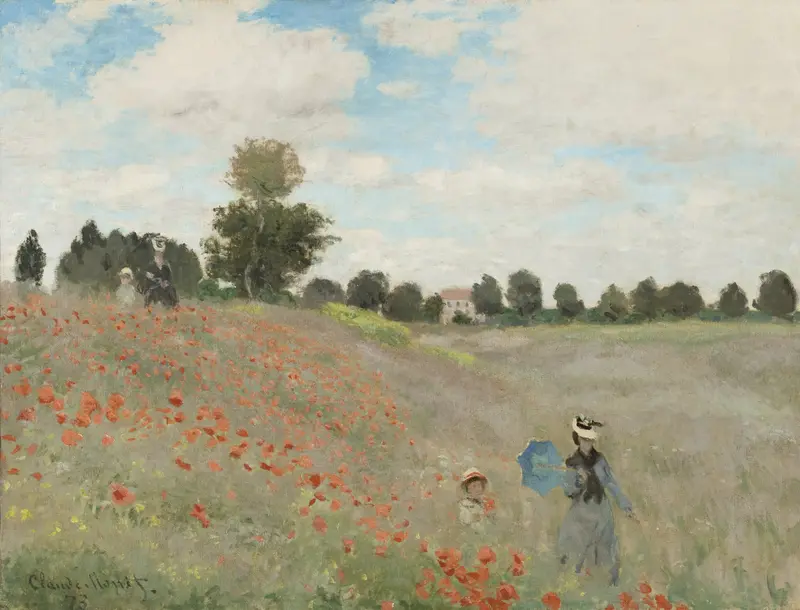
The Poppy Field near Argenteuil
Claude Monet
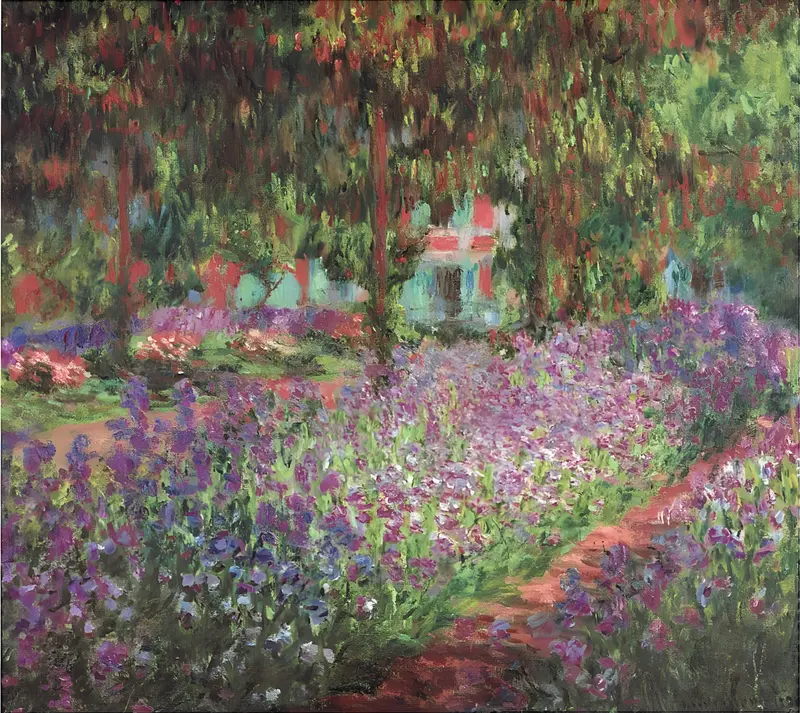
The Artist's Garden at Giverny
Claude Monet
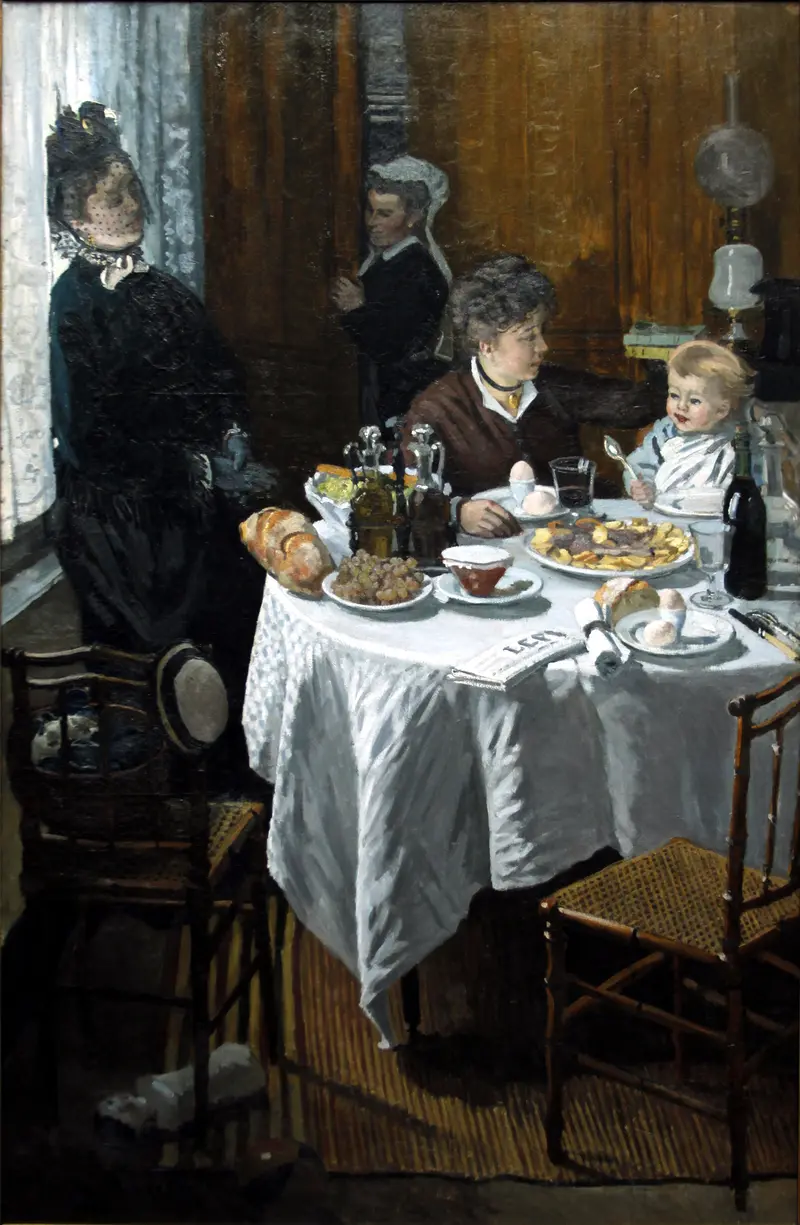
The Luncheon
Claude Monet
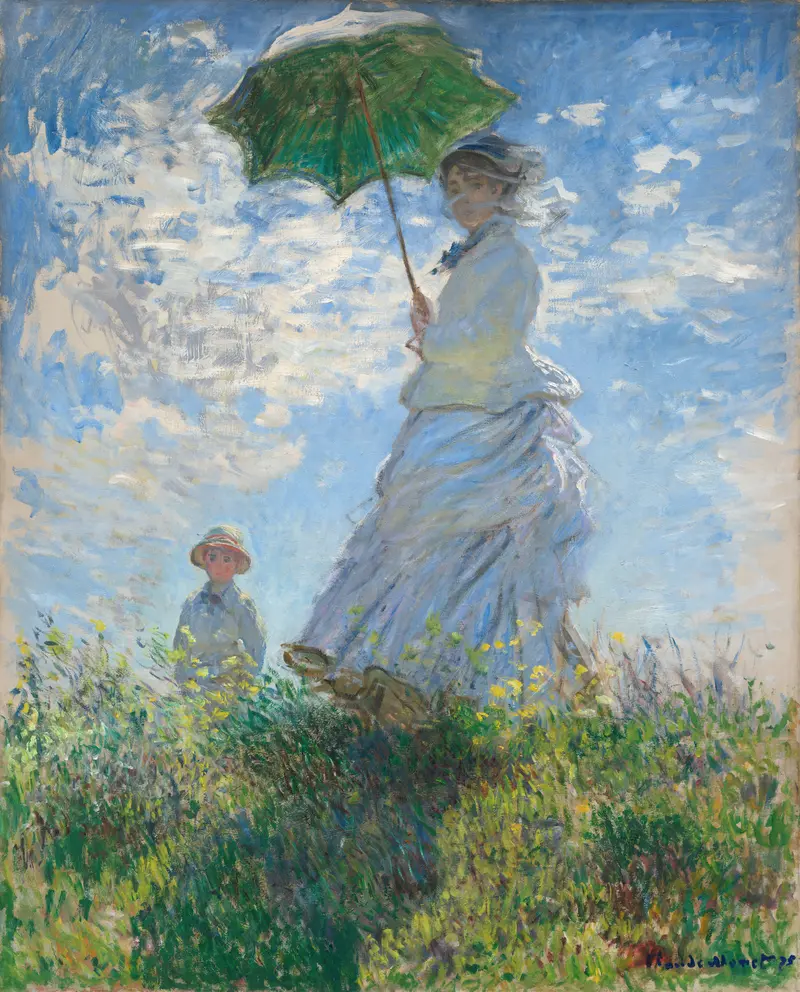
Woman with a Parasol – Madame Monet and Her Son
Claude Monet

The Gare Saint-Lazare
Claude Monet
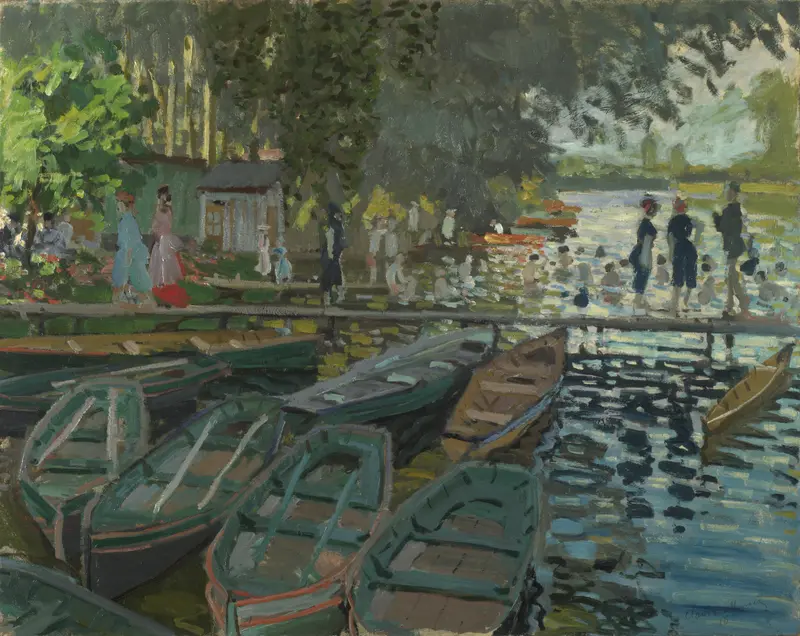
Bathers at La Grenouillère
Claude Monet
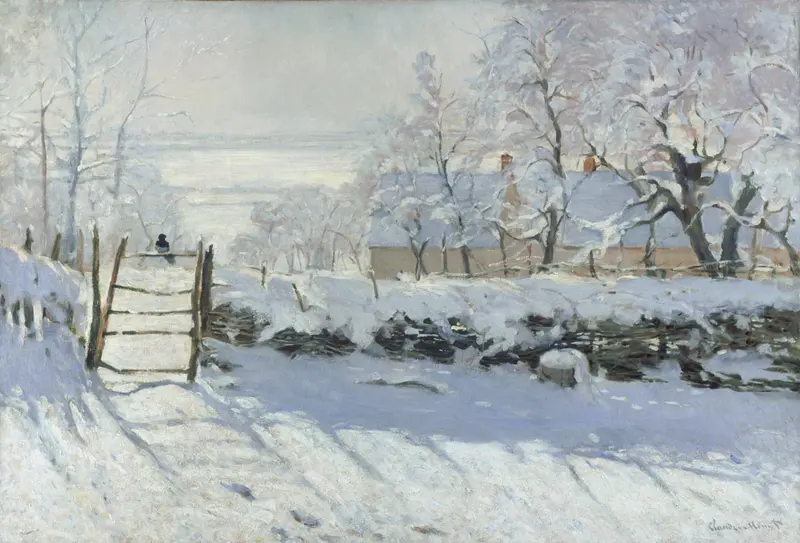
The Magpie
Claude Monet

Water Lilies
Claude Monet
More Landscape Art

The Starry Night
Vincent van Gogh

View of Delft
Johannes Vermeer

Water Lilies
Claude Monet

The Grand Canal, Venice, looking north-west from the Ca' Corner to the Ca' Contarini degli Scrigni, with the campanile of Santa Maria della Carità
Canaletto

Windsor Castle
Canaletto

The Grand Canal looking North-East from the Palazzo Dolfin-Manin to the Rialto Bridge
Canaletto