
Discover insights about this artwork
It Is Amazing-And We Were Made by God [Furious Folly] (Hizonos Dios y Maravillamos Nos [Disparate Furioso]) — History & Facts
In It Is Amazing-And We Were Made by God [Furious Folly], Francisco de Goya uses a rich palette of colors, predominantly dark tones contrasted with vivid highlights. The composition features a chaotic scene filled with figures that seem to be in turmoil, reflecting a sense of madness. The setting appears to be a surreal landscape, enhancing the emotional intensity of the work.
Goya's brushwork adds a dynamic quality, drawing the viewer into the fray of human folly and divine creation. The painting is executed in oil on canvas, a medium that allows for deep color saturation and texture. Goya's technique showcases his ability to blend colors seamlessly, creating a sense of movement within the figures. The dimensions are approximately 100 x 150 cm, making it a substantial piece that commands attention.
Viewers can appreciate the intricate details and the emotional expressions of the figures, which are characteristic of Goya's style. Francisco de Goya was a prominent Spanish painter known for his critical perspective on society and human nature. This work, created in the early 1800s, reflects Goya's engagement with themes of enlightenment and the darker aspects of humanity. An interesting fact about this painting is its dual title, which emphasizes the contrast between divine creation and the folly of mankind.
Goya's exploration of these themes resonates with contemporary audiences, making this piece a significant work in his oeuvre.
More Artworks by Francisco de Goya
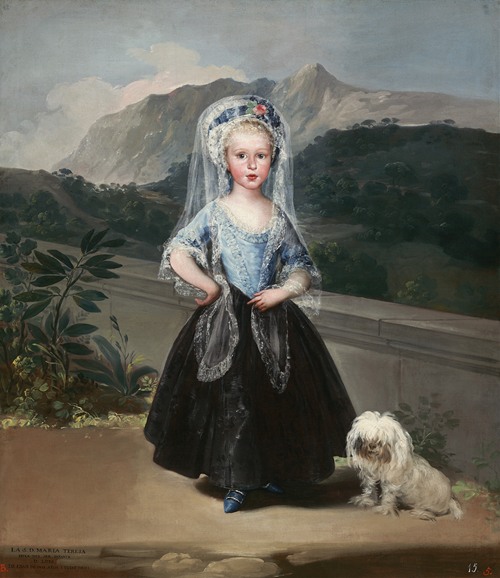
María Teresa de Borbón y Vallabriga,later Condesa de Chinchón
Francisco de Goya
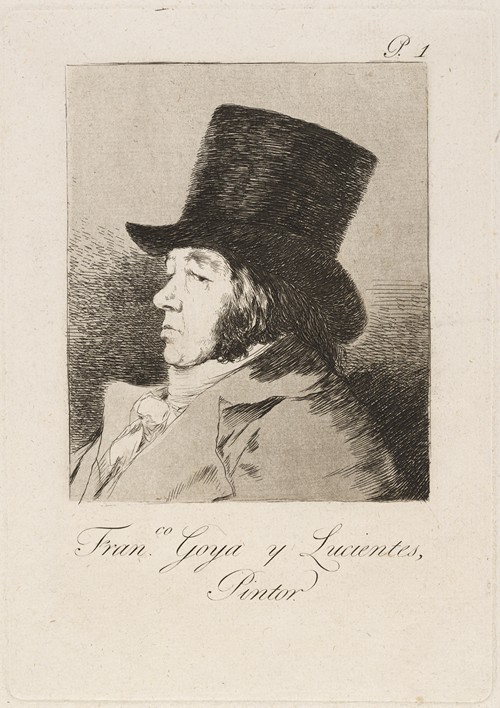
Francisco Goya y Lucientes, Pintor (Francisco Goya y Lucientes, painter)
Francisco de Goya
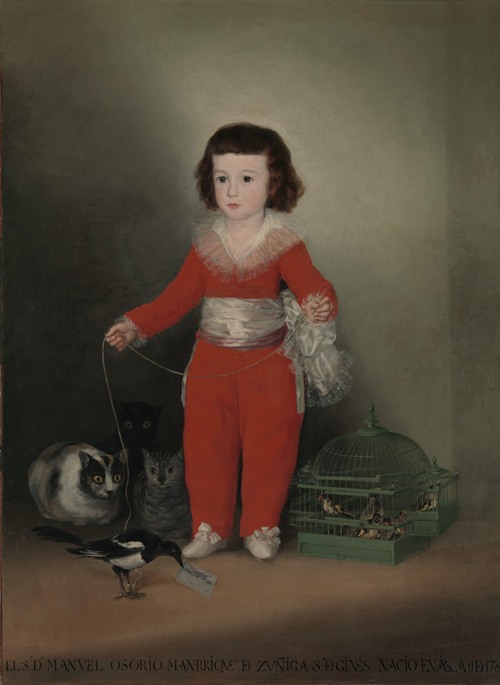
Manuel Osorio Manrique de Zuñiga (1784–1792)
Francisco de Goya
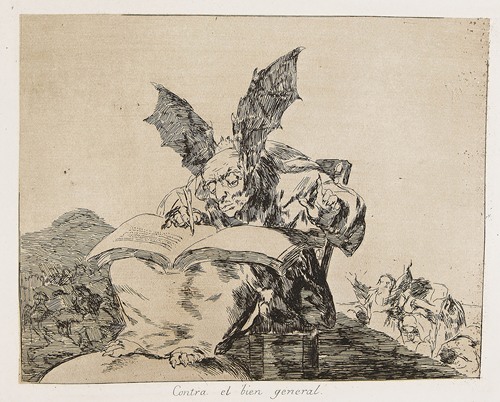
Los desastres de la guerra
Francisco de Goya
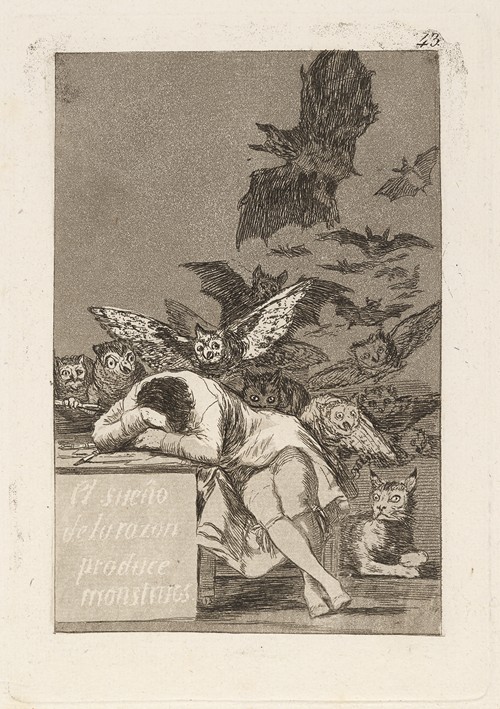
El sueño de la razon produce monstruos. (The sleep of reason produces monsters.)
Francisco de Goya
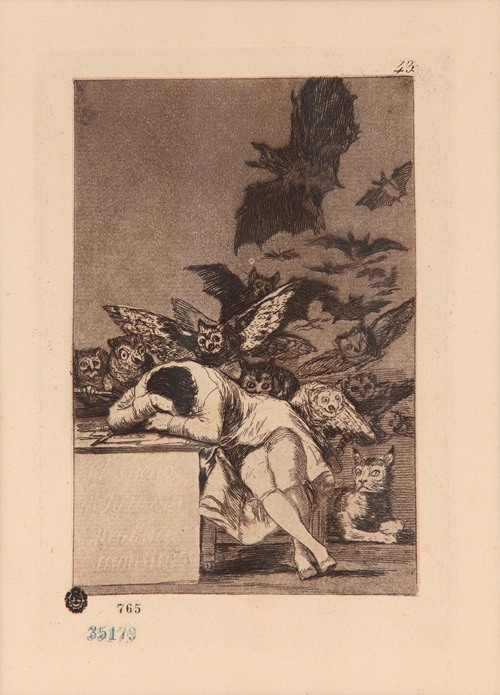
El sueño de la razon produce moustruos (Serie Caprichos)
Francisco de Goya
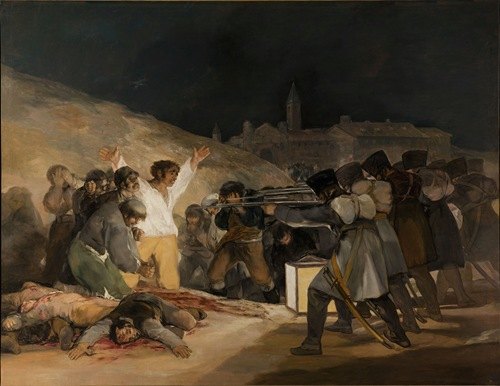
The Third of May
Francisco de Goya
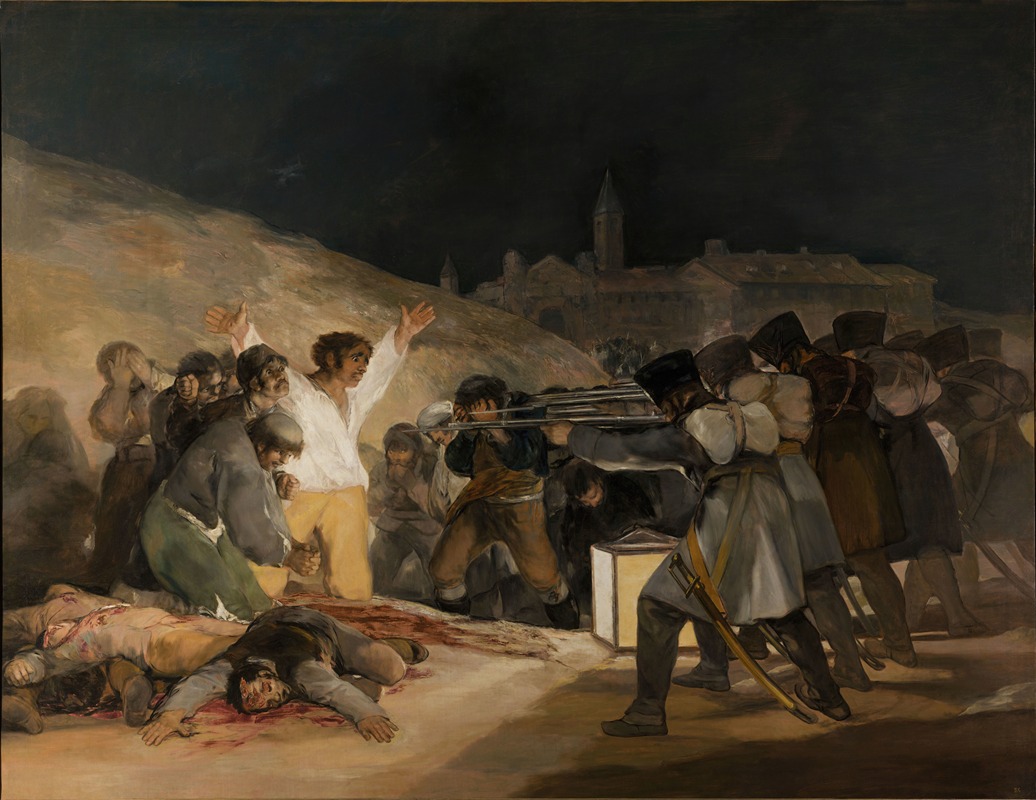
The Third of May 1808
Francisco de Goya
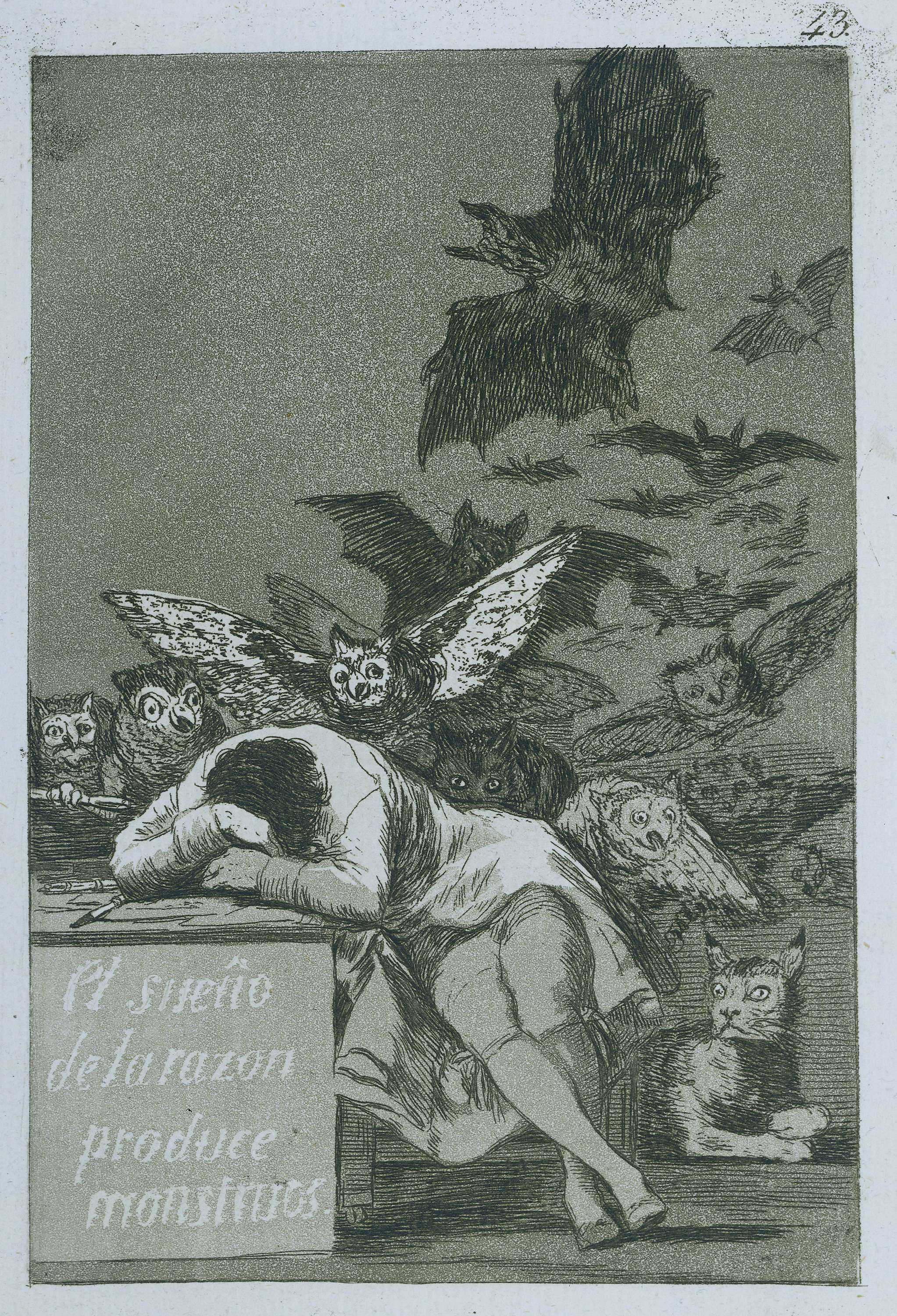
De slaap van de rede brengt monsters voort
Francisco de Goya
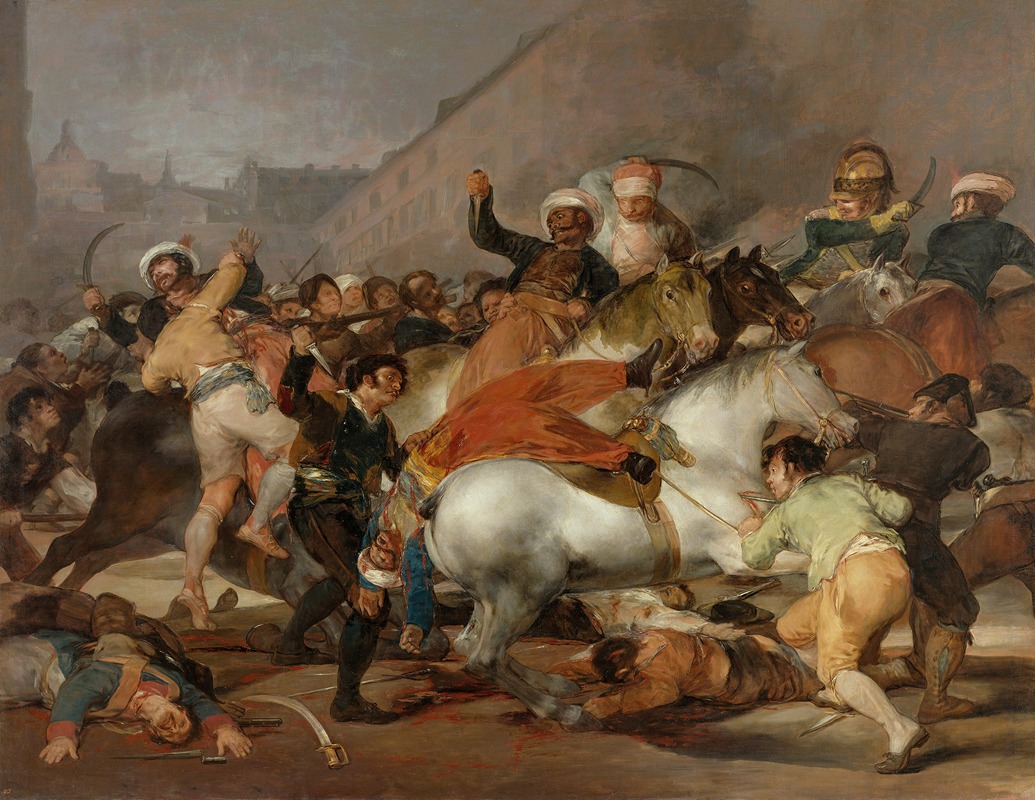
The Charge of the Mamelukes (1814)
Francisco de Goya
More Allegory Art
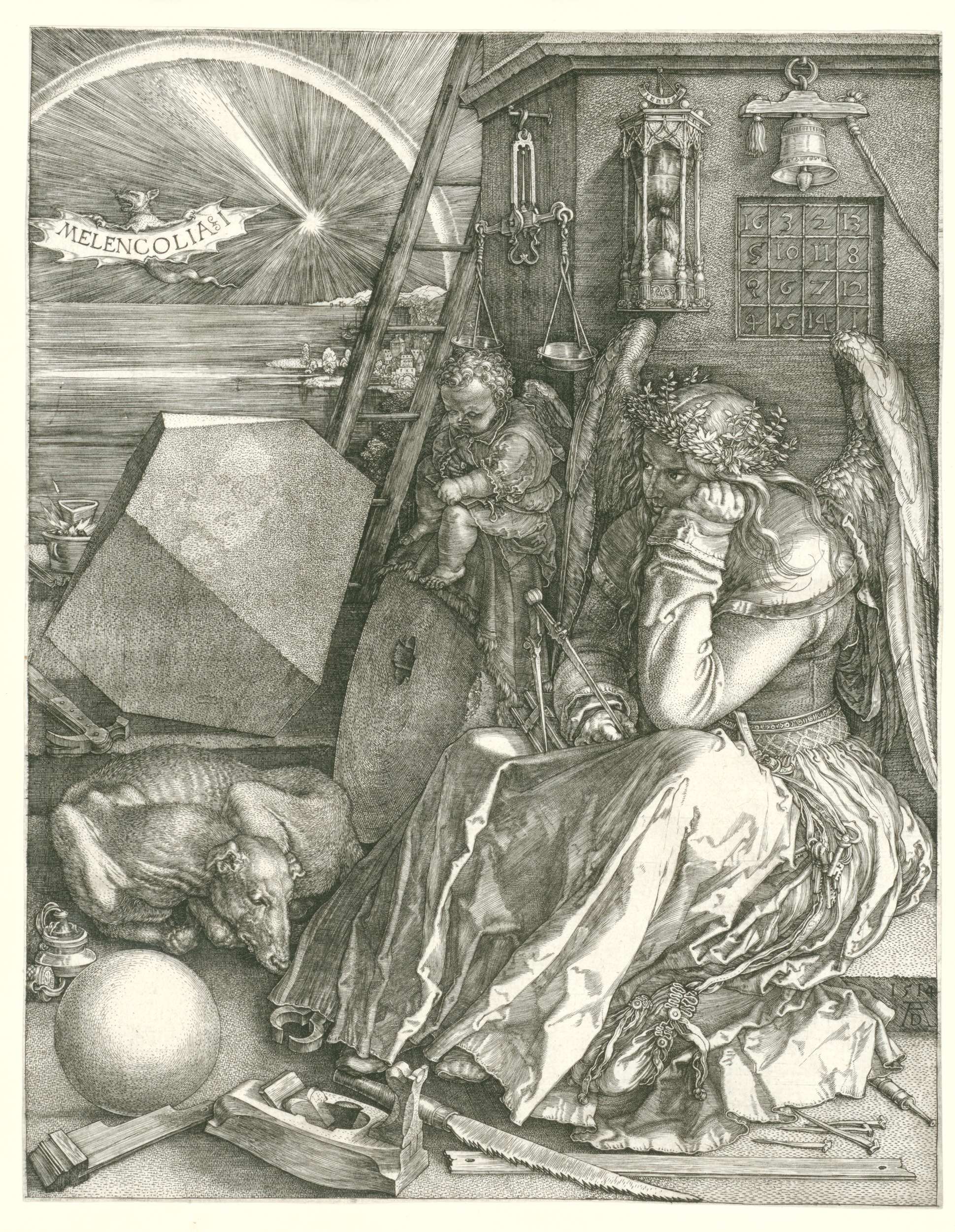
Melancholia
Albrecht Dürer
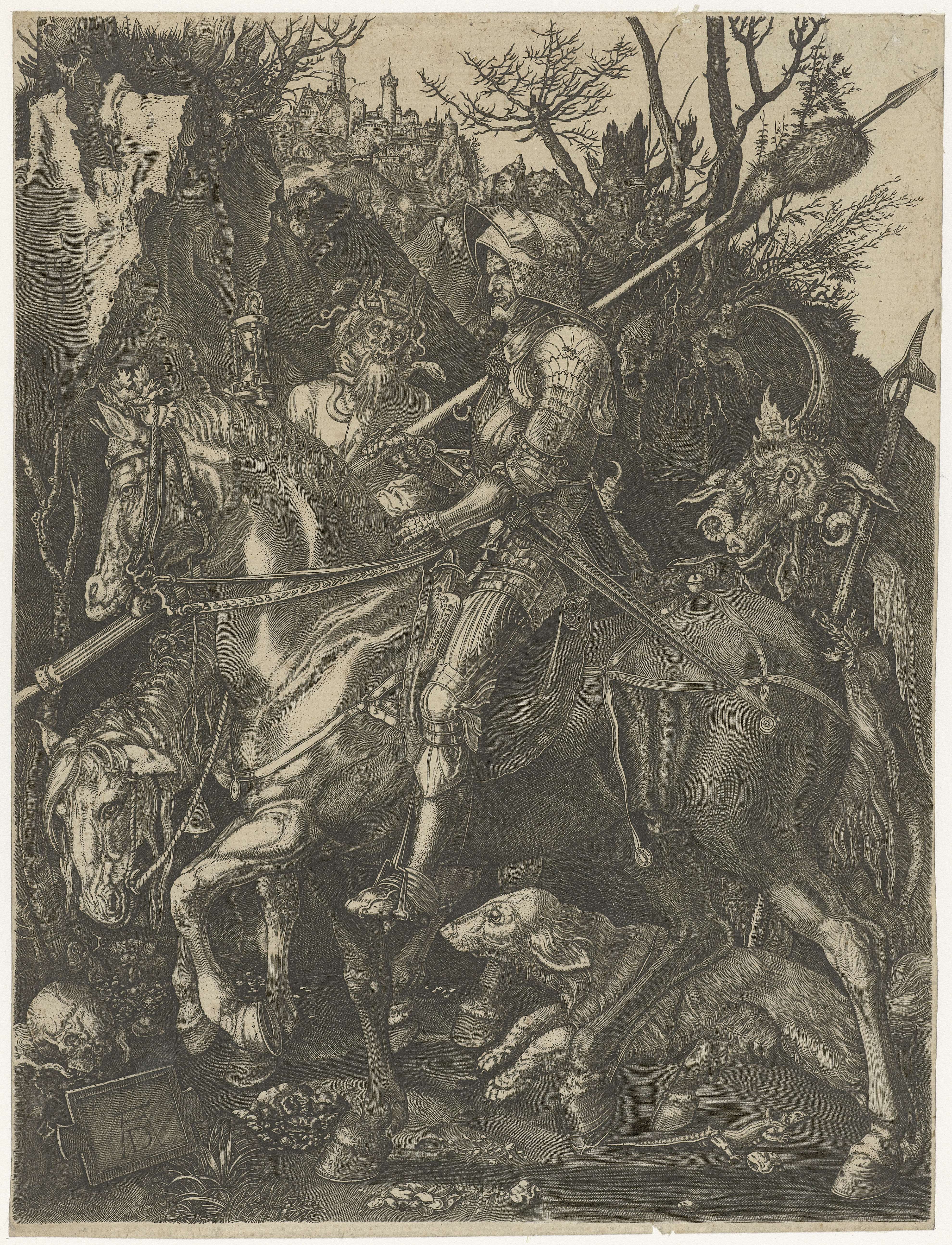
Ridder, Dood en Duivel
Unknown Artist
El sueño de la razon produce monstruos. (The sleep of reason produces monsters.)
Francisco de Goya
El sueño de la razon produce moustruos (Serie Caprichos)
Francisco de Goya
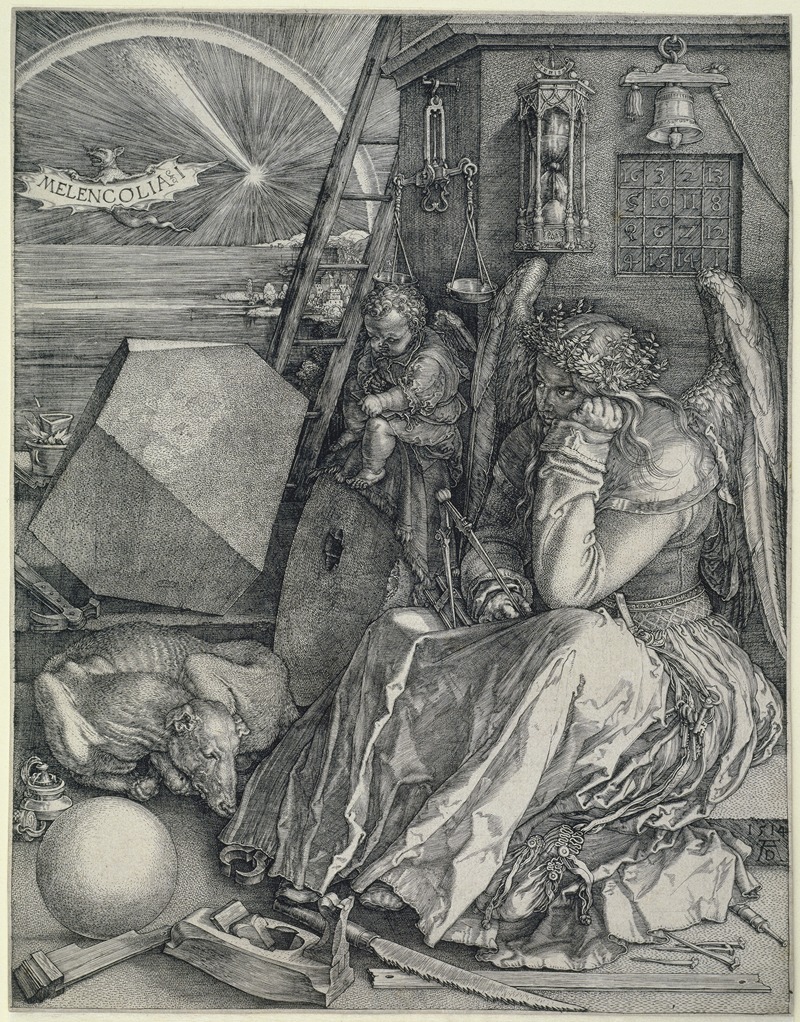
Melencolia I (The Melancholy)
Albrecht Dürer
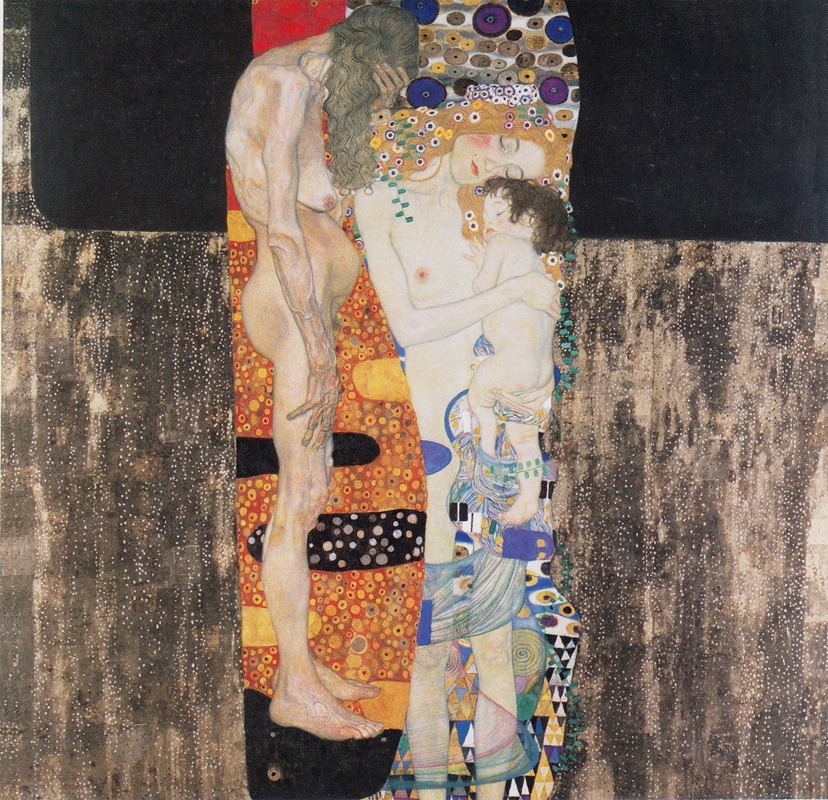
The Three Ages of the Woman
Gustav Klimt