
Itako no natsu (Summer at Itako) — History & Facts
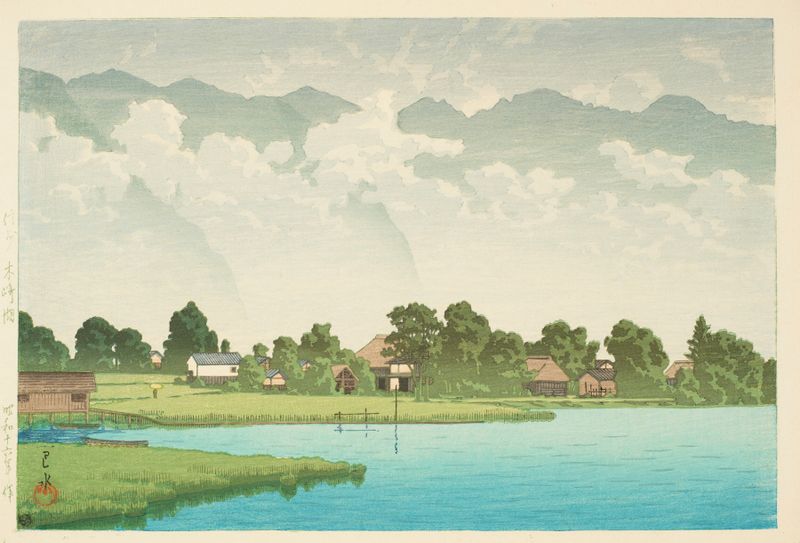
In the quietude of a summer day, one can find an uncanny blend of joy and melancholy that transcends the ordinary. Look to the top of Itako no natsu, where the azure sky merges seamlessly with gentle clouds, each brushstroke whispering the warmth of sunlight. Notice how Hasui captures the delicate ripples on the water’s surface, reflecting the vibrant greens of the surrounding trees. The serene composition guides your gaze toward the figures enjoying a moment of leisure—families nestled beneath parasols, busying themselves with seasonal delights.
The muted palette evokes nostalgia, wrapped in a golden hour glow that hints at fleeting happiness. Yet, beneath this tranquil façade lies a deeper narrative. The juxtaposition of the lively summer scene against the stillness of the water suggests a longing or wistfulness, as if the beauty of the moment is tinged with a sense of impermanence. The carefully rendered details, such as the fishermen’s gentle strokes or the distant hills, create an emotional tension that speaks to the transient nature of life and joy.
This duality invites viewers to ponder what lies beneath the surface of seemingly idyllic moments. In 1945, during a turbulent period marked by the aftermath of war in Japan, the artist found solace in representing serene landscapes. Working from his home in Suginami, Tokyo, Hasui sought to capture the essence of his homeland’s beauty, providing a poignant escape for viewers during challenging times. This work illustrates his mastery of the shin-hanga style, fusing traditional Japanese aesthetics with Western influences as he sought to document a changing world through the lens of tranquility and beauty.
More Artworks by Kawase Hasui
Browse all →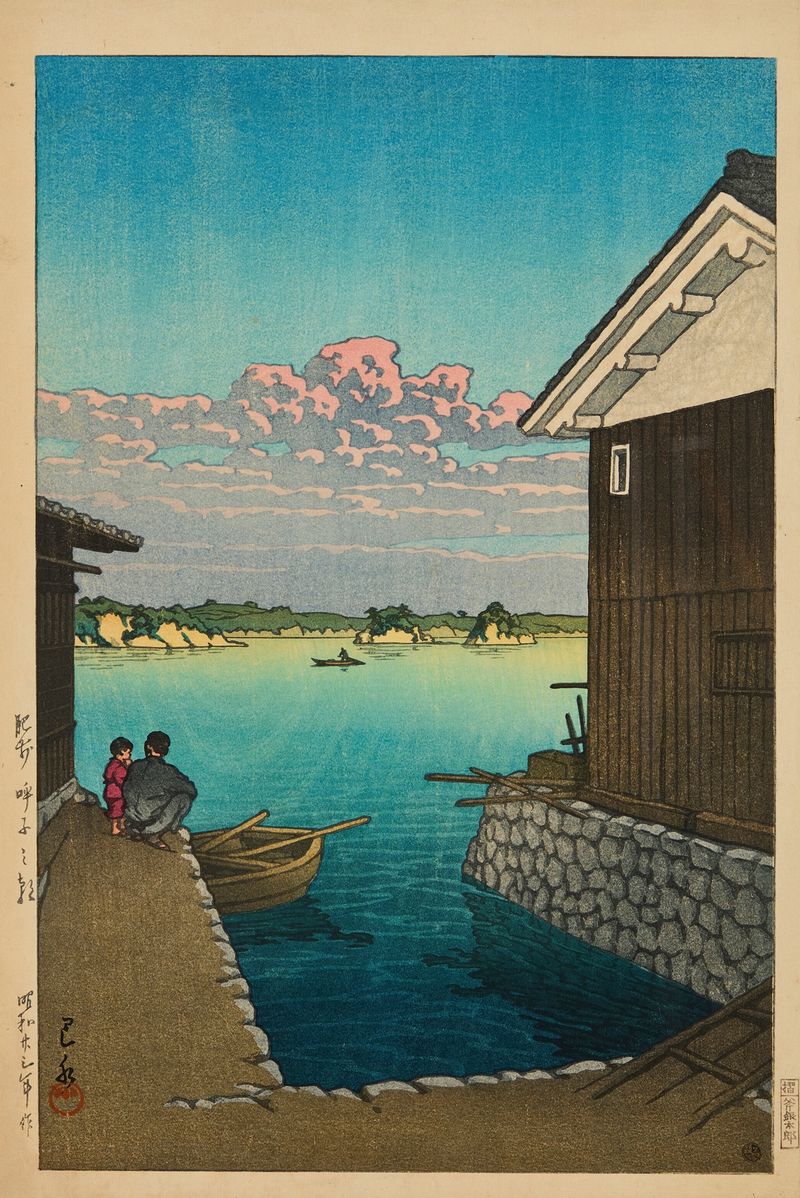
Hizen Yobuko no asa (Morning in Yobuko, Hizen)
Kawase Hasui
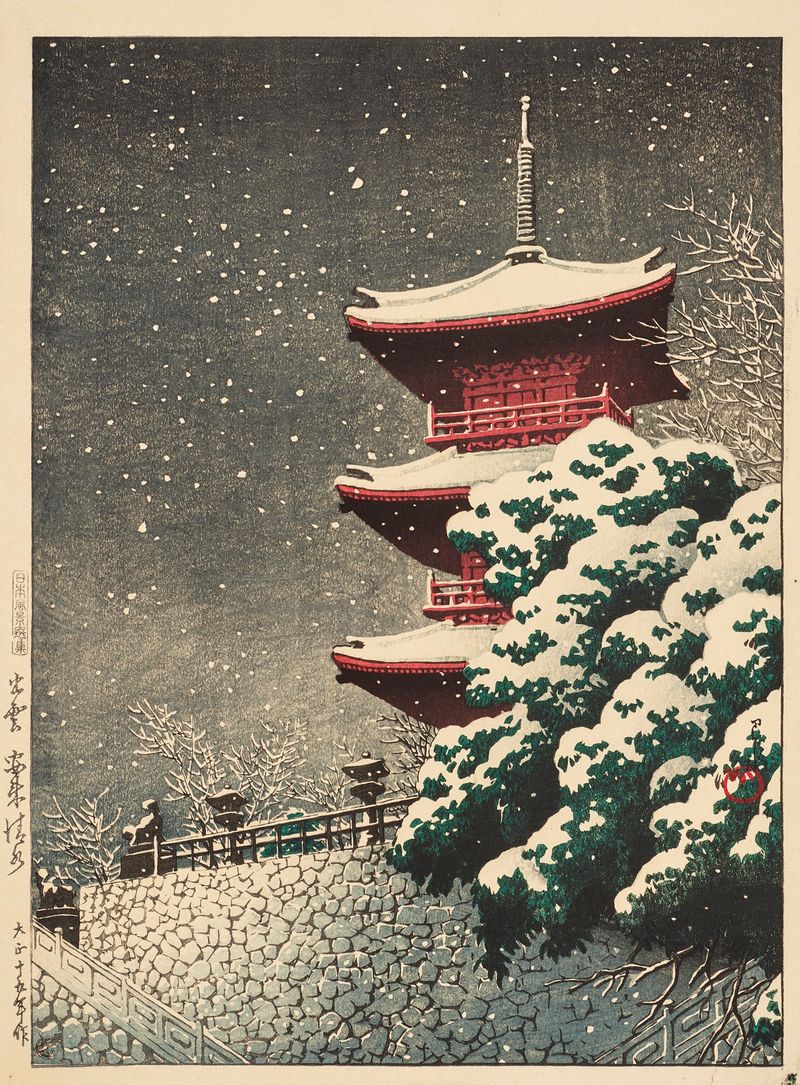
Izumo, Yasugi Kiyomizu (Yasugi Kiyomizu Temple at Izumo)
Kawase Hasui
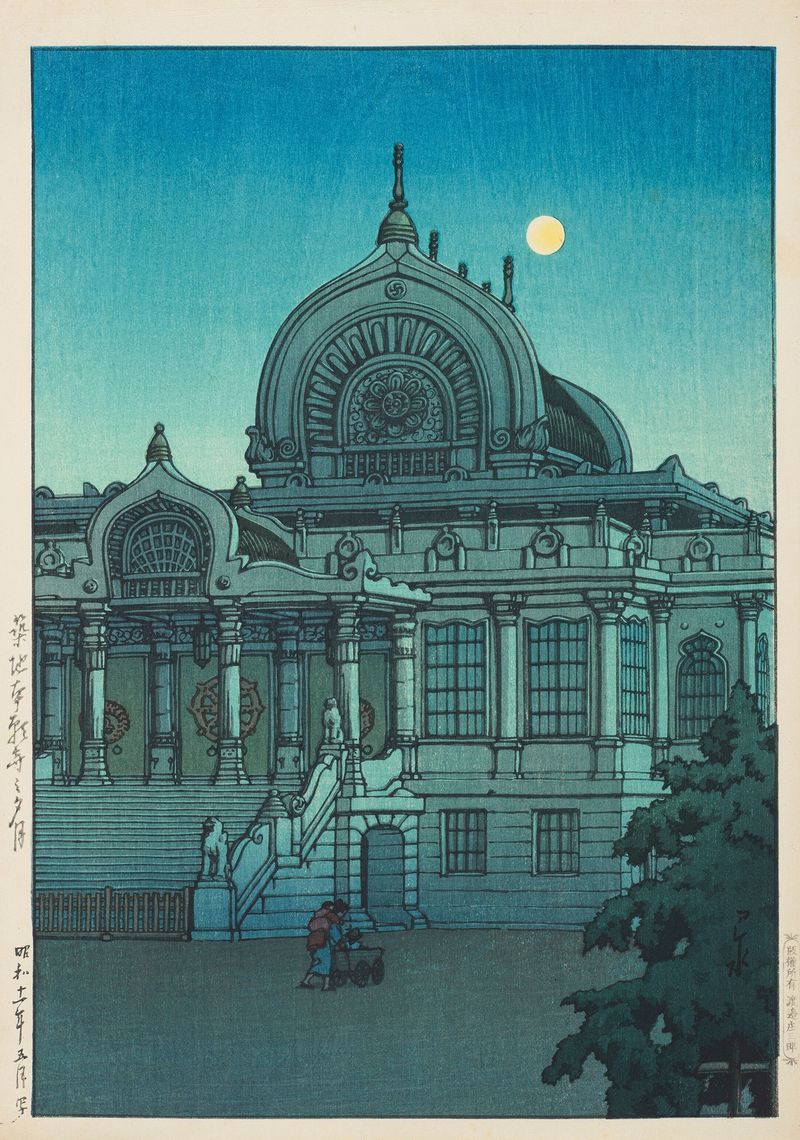
Tsukiji Honganji no yuzuki (Evening moon at Honganji Temple in Tsukiji)
Kawase Hasui
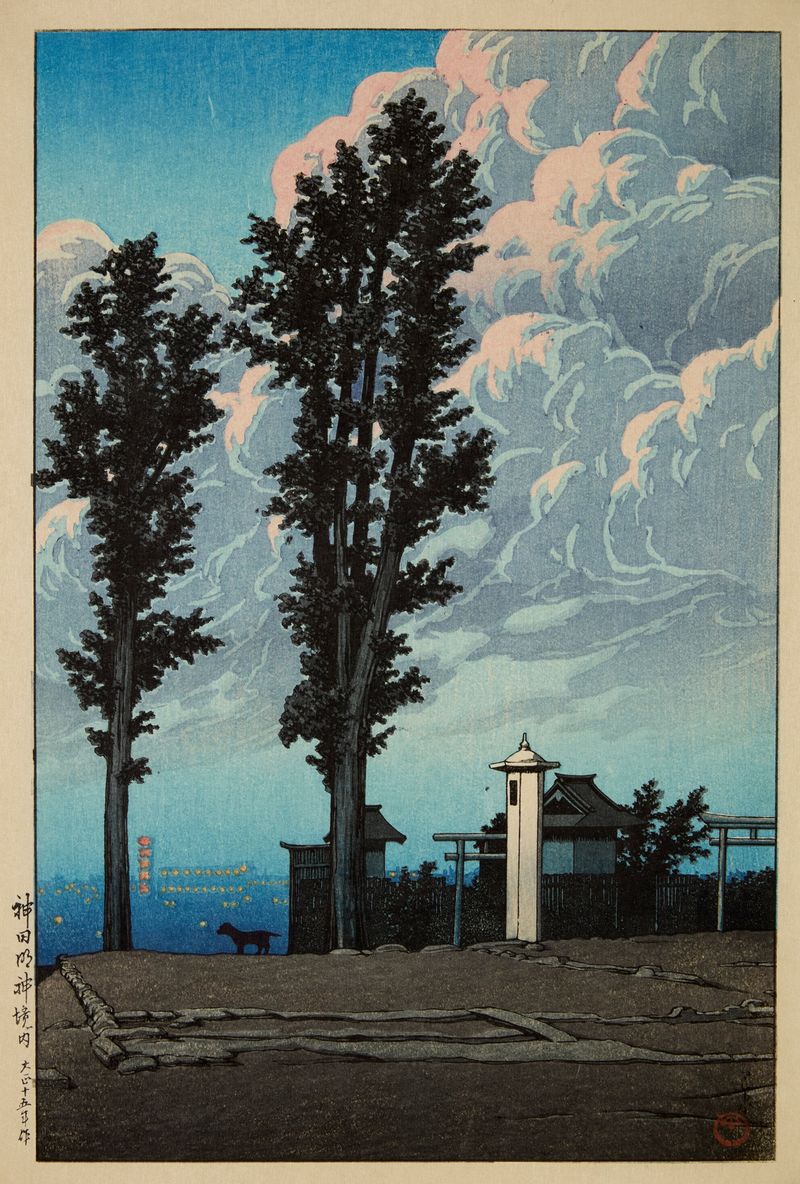
Kanda Myojin keidai (Kanda Myojin Shrine precent)
Kawase Hasui
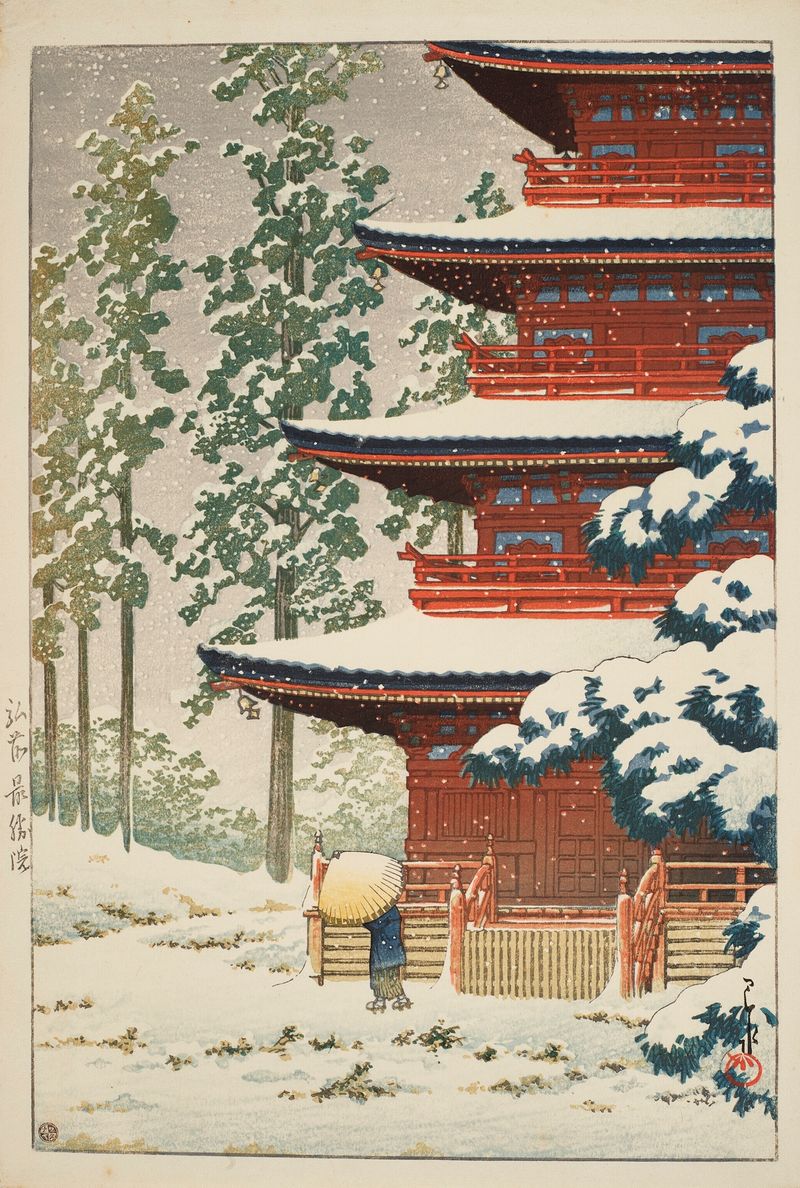
Saisho-in Temple, Hirosaki
Kawase Hasui
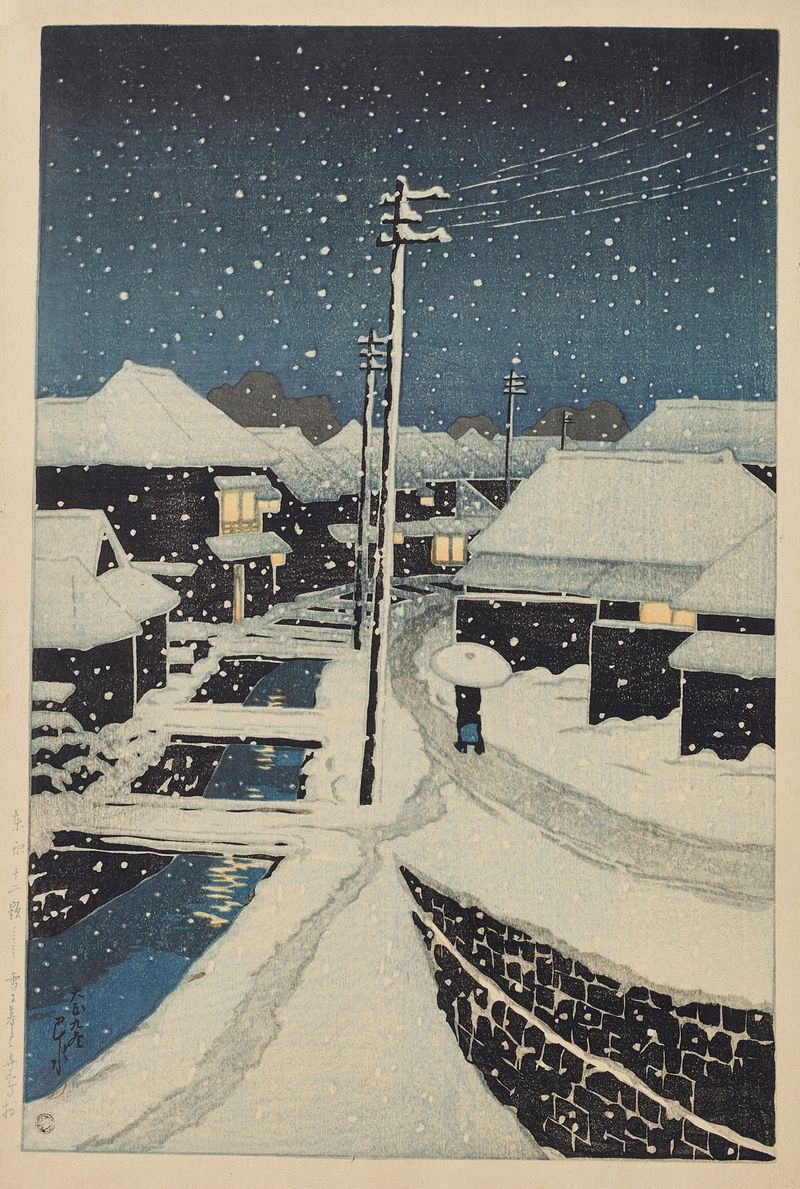
Yuki ni fururu Terajima mura (Evening snow at Terajima Village)
Kawase Hasui
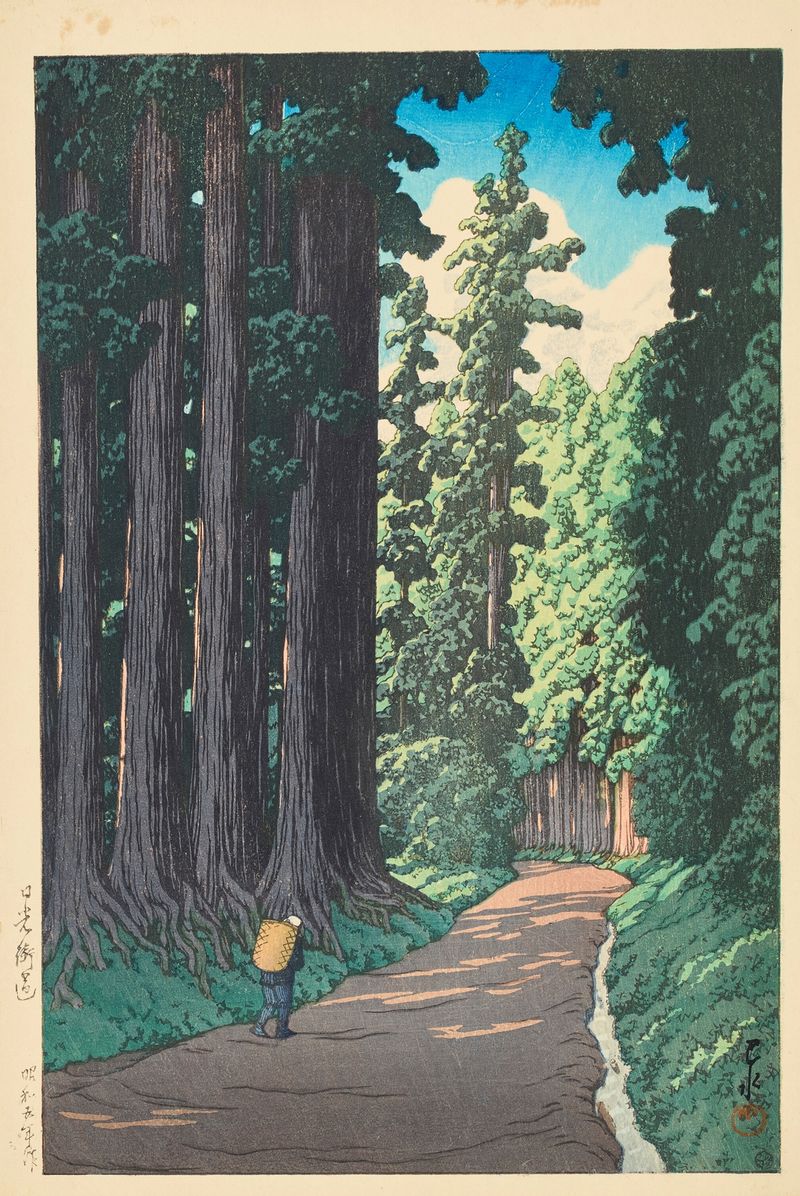
Nikko gaido (The Road to Nikko)
Kawase Hasui
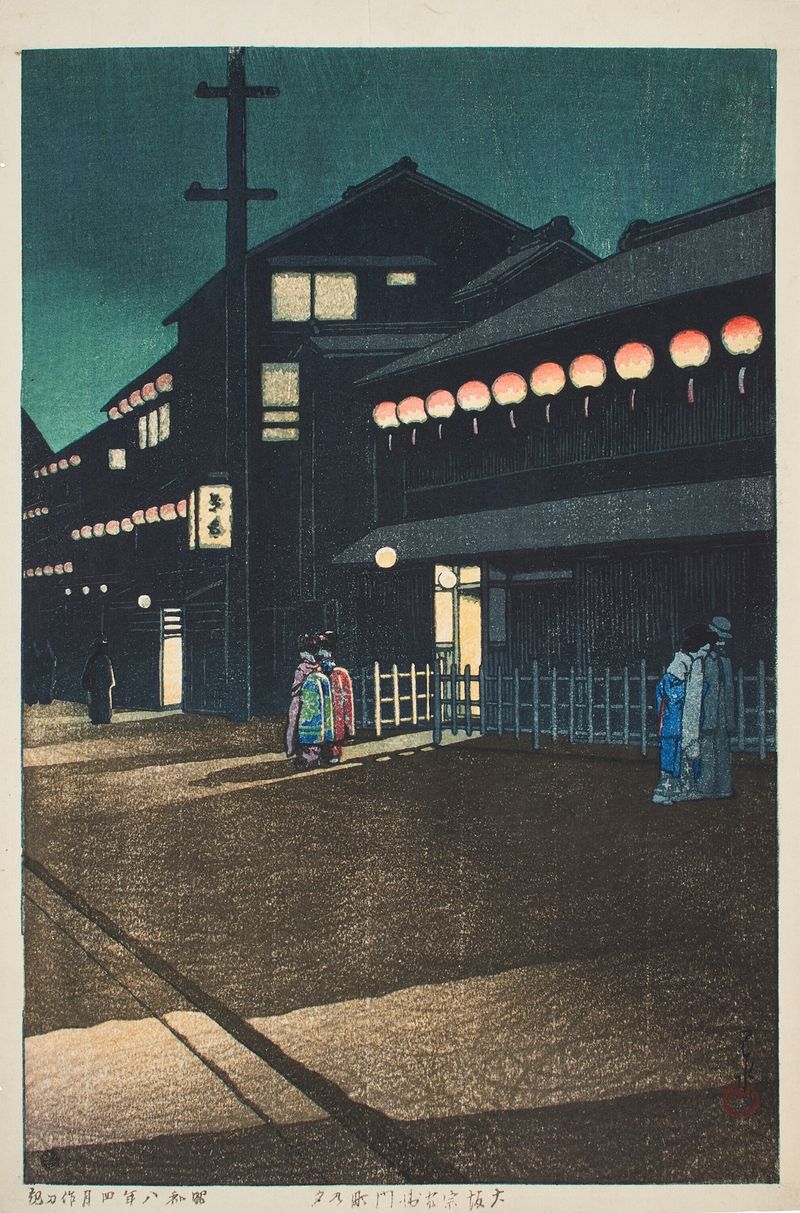
Osaka Soemon-cho no yu (Evening in Soemon-cho, Osaka)
Kawase Hasui
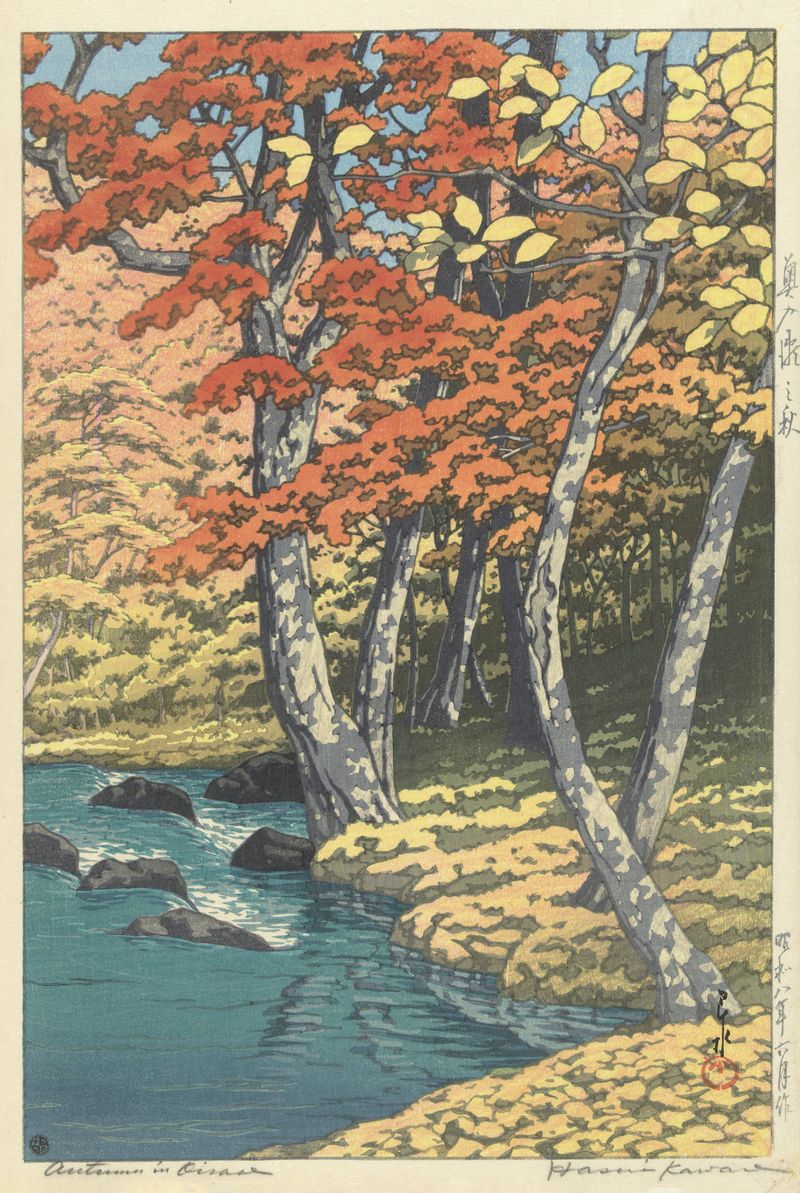
Autumn In Oirase
Kawase Hasui
Shinshu Kizakiko (Kizaki Lake in Shinshu)
Kawase Hasui





