Italian Farmhouse — History & Facts
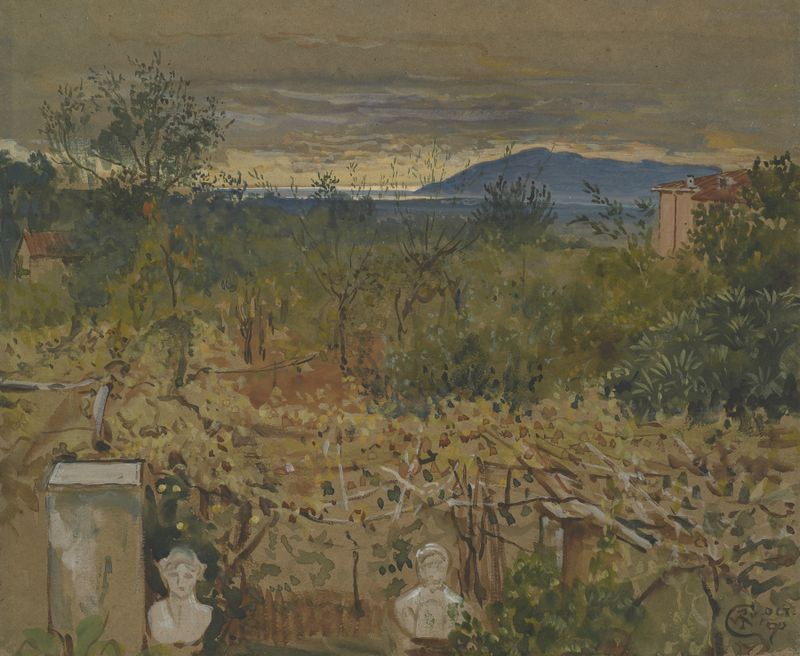
In the quiet of a rural landscape, the shadows stretch long and lean, embracing the farmhouse in a tender yet striking hold. The earth breathes, and the very walls of the structure seem to whisper secrets, a historic echo against the hum of nature. This is a moment suspended in time, where the play of light and shade invites contemplation. Look to the foreground, where the earthy tones of the soil and grass contrast sharply with the sun-bleached walls of the farmhouse.
Notice how soft pastels weave through the composition, bringing life to the flora that surrounds the building. The placement of the farmhouse, slightly off-center, creates an inviting dynamic, leading the eye to explore the depths of the canvas as if searching for hidden narratives in its shadows. Beyond the visual charm, the painting captures the tension between light and shadow, a metaphor for the duality of existence. The farmhouse stands resilient against the encroaching twilight, suggesting both safety and solitude.
The viewer senses a longing; perhaps for connection or for a return to simpler days, where the rhythms of life were dictated by the sun and the seasons. During 1871-1873, the artist was immersed in the Arts and Crafts movement, envisioning a return to handmade craftsmanship amidst the growing industrialization of society. Based in England, Crane’s focus on pastoral scenes reflected a longing for authenticity and a deep appreciation for nature, marking a pivotal moment in his artistic journey and in the evolution of modern art.