Moonrise — History & Facts
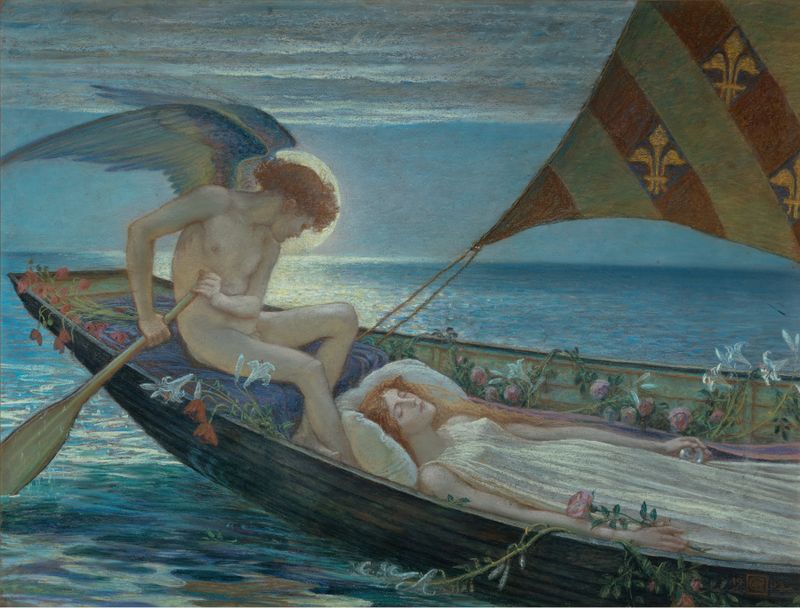
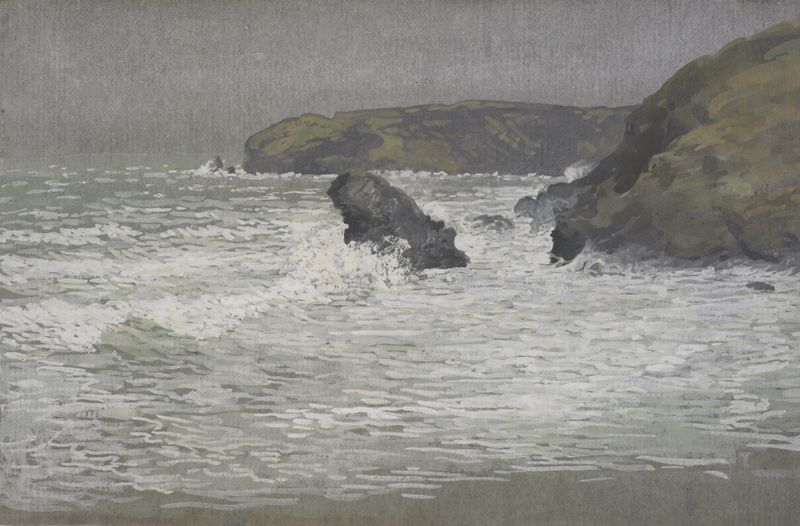
Where does light end, and longing begin? In the delicate interplay of shadows and luminescence, Moonrise evokes a profound sense of solitude that resonates deep within the human spirit. Focus on the serene expanse of the twilight sky, where soft hues of blue gently blend with hints of lavender. The moon, a luminous orb, commands attention at the center, casting its enchanted glow upon a tranquil landscape below. Notice how the gentle waves ripple in the foreground, reflecting the celestial light, while the distant horizon melts into an ethereal haze.
This composition captures the quiet beauty of nature, inviting viewers to linger on its calmness. Yet, beneath the tranquil surface, there lies an undercurrent of loneliness. The solitary moon, seemingly detached from the world, mirrors the isolation that often accompanies twilight. The vastness of the landscape amplifies this feeling, as if the viewer stands alone, contemplating their place in the universe.
The soft color palette, dominated by cool tones, further emphasizes a sense of yearning—a longing for connection amid the expansive quiet. In 1913, Walter Crane created Moonrise during a period marked by personal transition and artistic exploration. Living in England and influenced by the changing tides of the art world, he sought to capture the beauty and melancholy of nature through his work. As the world around him evolved with modernity, Crane's dedication to the romantic aspects of the natural world allowed him to intertwine personal reflection with broader cultural themes, culminating in this exquisite piece.