
Italianate Landscape with a Wooden Bridge — History & Facts
What first draws the eye in Italianate Landscape with a Wooden Bridge is the golden light, poured lavishly across the distant hills and filtering through the foliage, as if the painter caught a moment just after dawn or before dusk. The scene is anchored by towering trees, their trunks rendered with a rugged, almost theatrical presence, while a modest wooden bridge spans a gentle ravine in the middle distance. Figures—small but purposeful—move along the path, their gestures suggesting conversation or perhaps the daily rituals of travel and work.
The painter uses contrast masterfully: the foreground is dense and shadowed, the background luminous and inviting, pulling the viewer’s gaze into the depth of the imagined countryside. Each detail, from the angled hats to the careful play of light on bark and leaves, is placed to guide the eye deeper into the story unfolding along the bridge. Works like this, painted in the mid-17th century, were prized by Dutch collectors who longed for the warmth and grandeur of southern landscapes, even as they remained rooted in the north. Adam Pijnacker was among those artists who specialized in these so-called “Italianate” scenes—compositions that borrowed the sun-drenched atmosphere and dramatic terrain of Italy, whether or not the artist had ever set foot there.
Such paintings were often intended for the homes of prosperous merchants, signaling both taste and a worldly outlook. This particular work, documented in a private collection as of 2012, stands as a testament to the enduring appeal of imagined travel and the painter’s skill in conjuring a world that is both familiar and dreamlike. Look again at the bridge: it is not just a crossing, but an invitation to step into a landscape shaped by longing and memory.
More Artworks by Adam Pijnacker

Italianate River Landscape
Adam Pijnacker
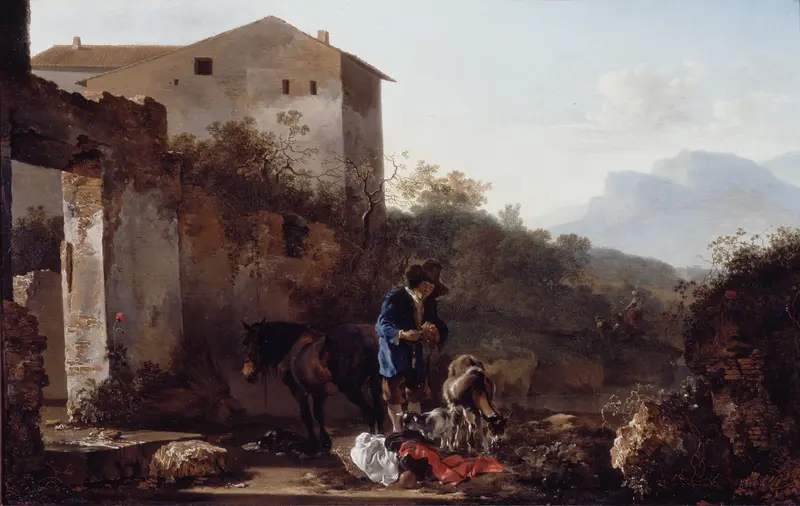
Landscape with a Goatherd
Adam Pijnacker
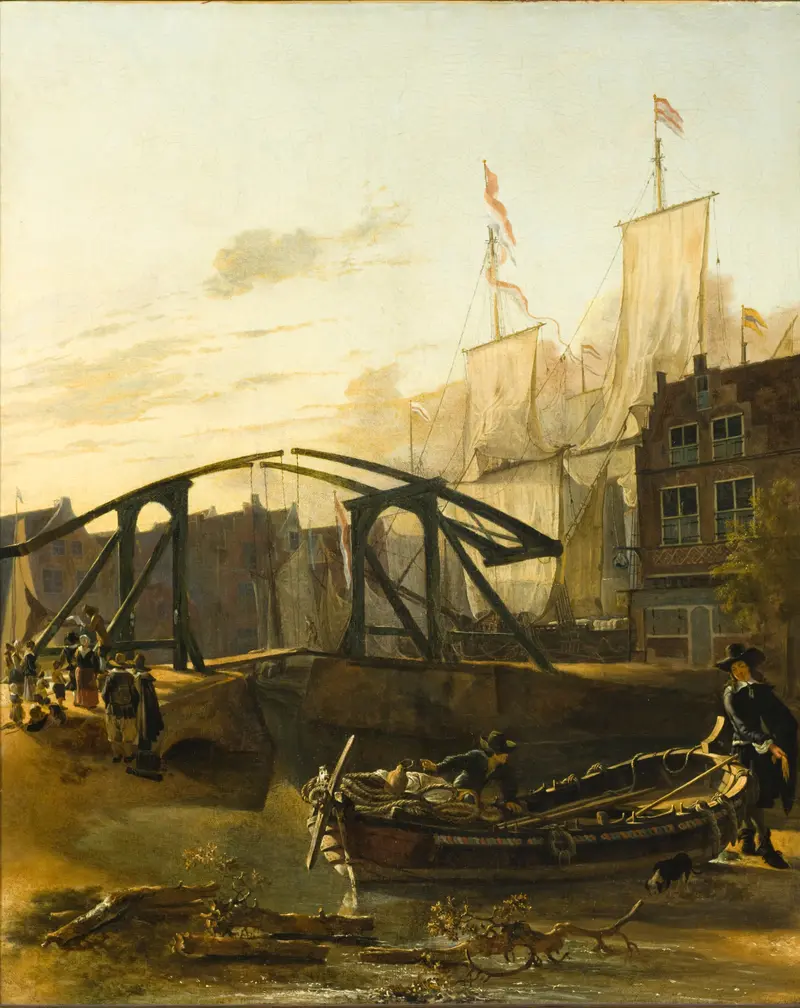
View of a Harbor in Schiedam
Adam Pijnacker
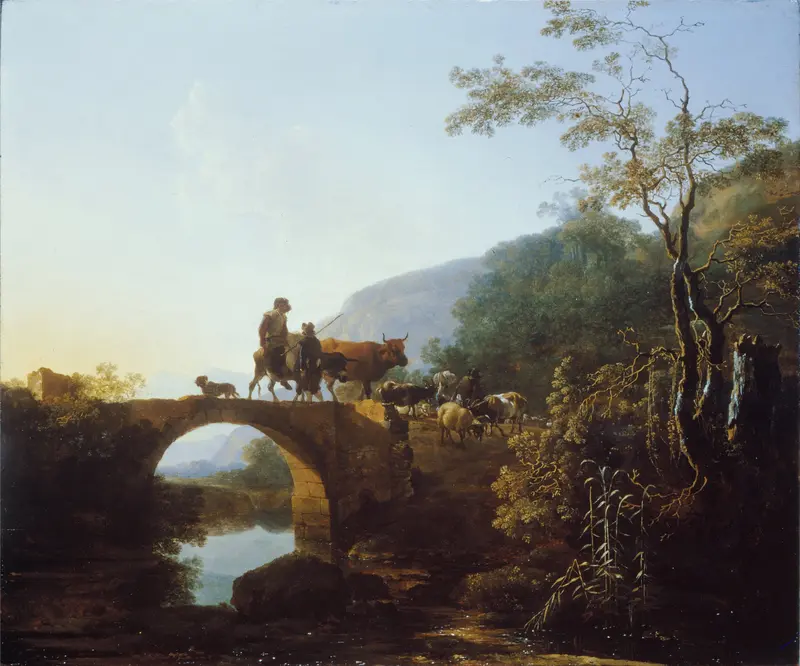
Bridge in an Italian Landscape
Adam Pijnacker
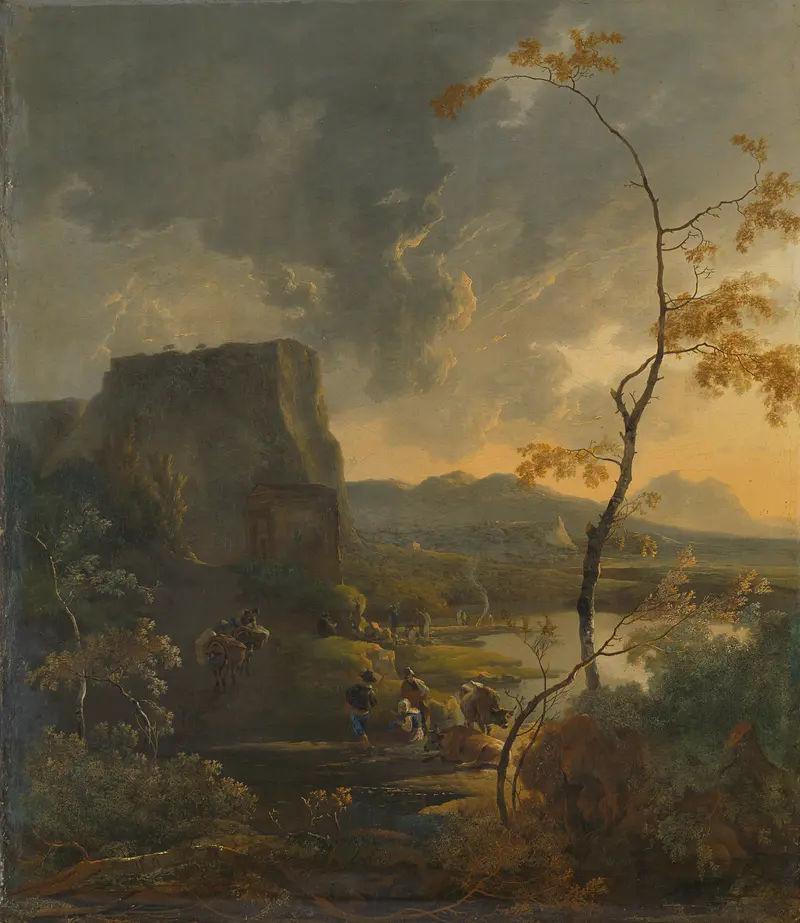
Italian Landscape with Ancient Tempietto
Adam Pijnacker
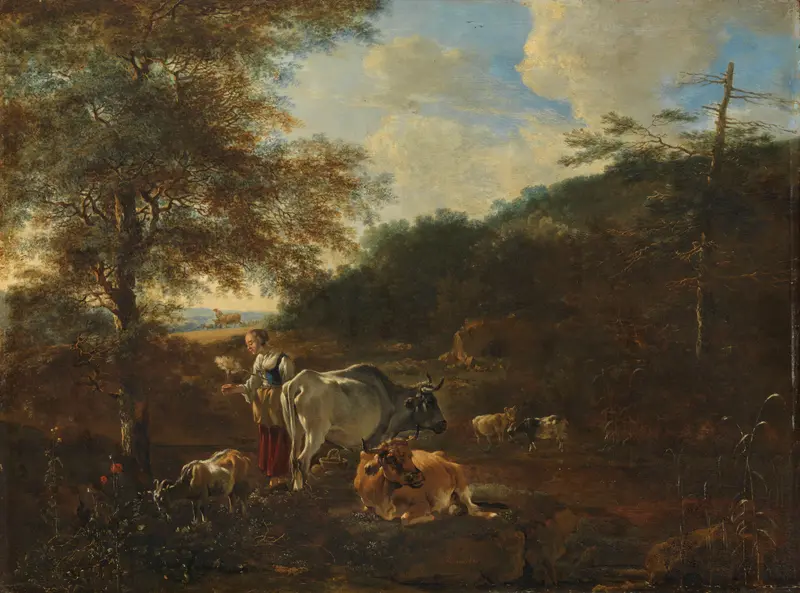
Landscape with cattle
Adam Pijnacker
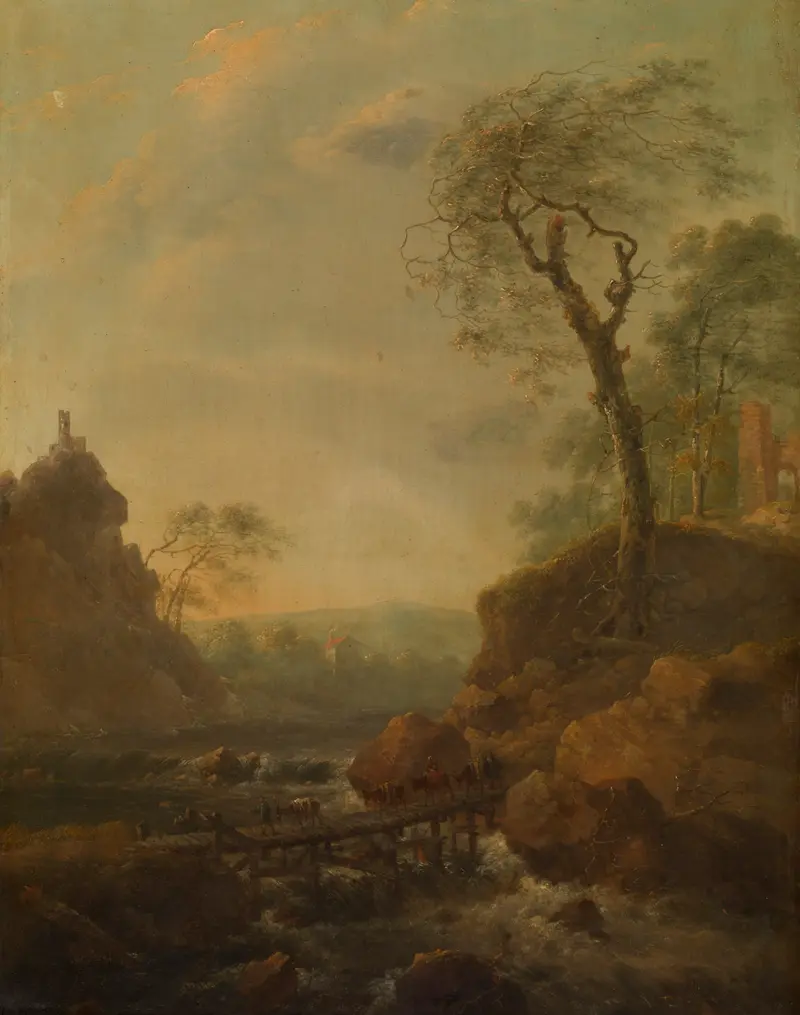
Landscape
Adam Pijnacker
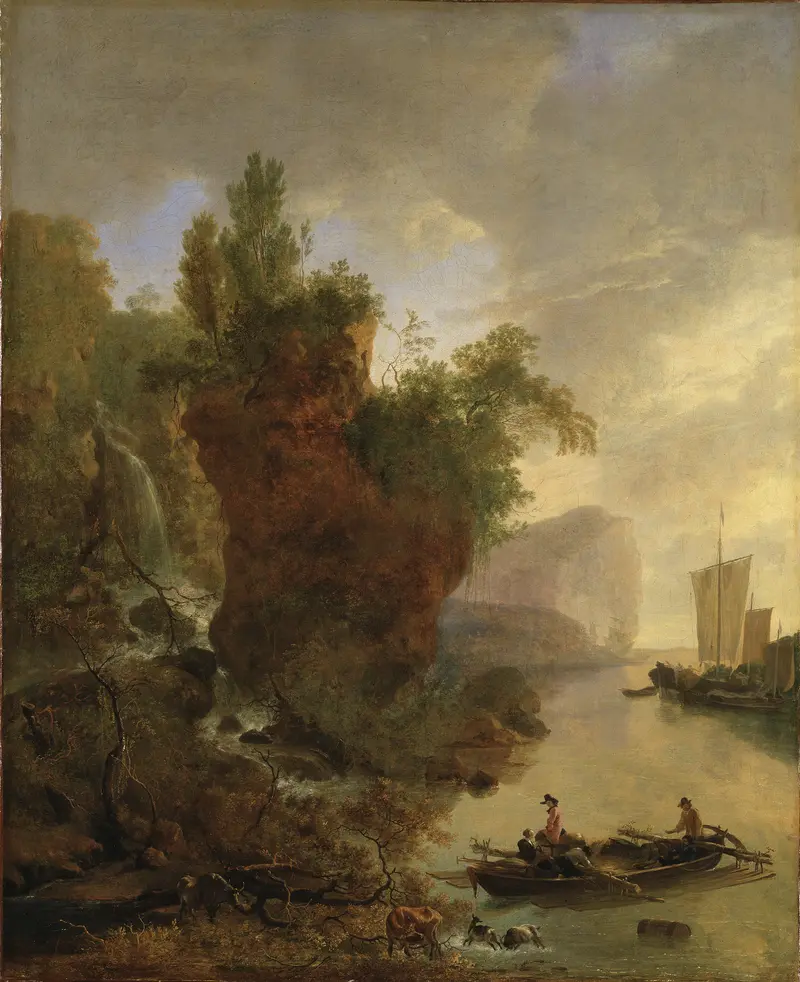
Bay with a Rocky Coast
Adam Pijnacker
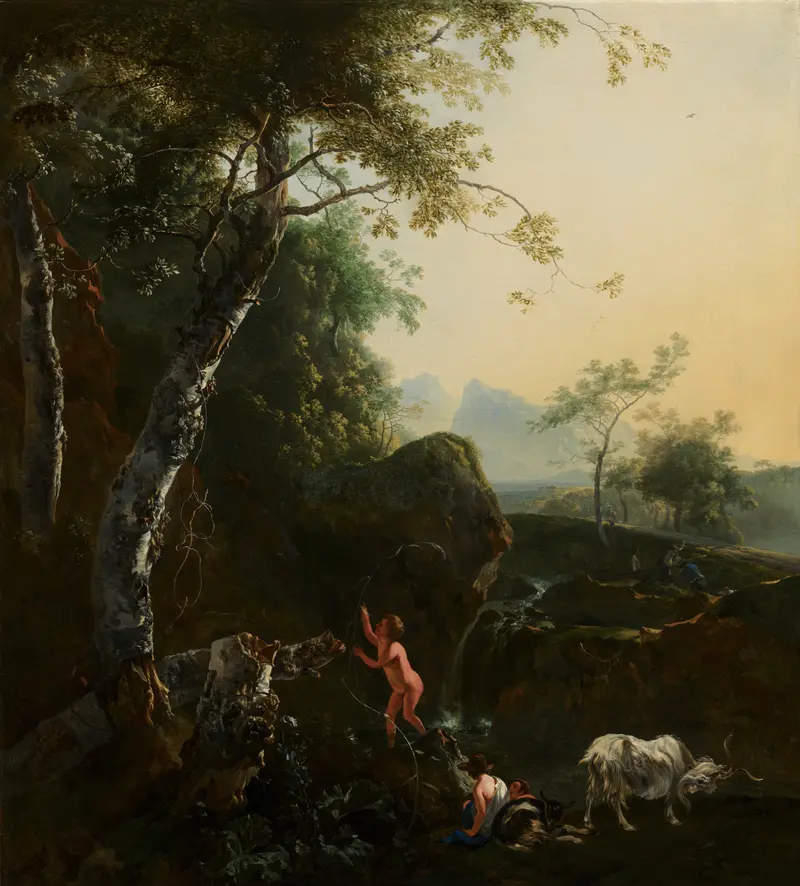
Mountainous Landscape with Waterfall
Adam Pijnacker
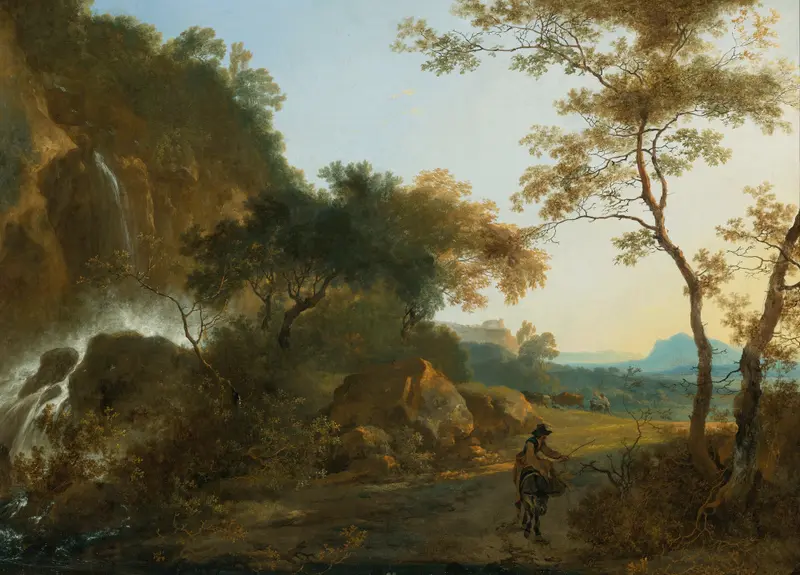
An Italianate Landscape With A Traveller On A Path By A Waterfall
Adam Pijnacker
More Landscape Art

The Starry Night
Vincent van Gogh

View of Delft
Johannes Vermeer

Water Lilies
Claude Monet

The Grand Canal, Venice, looking north-west from the Ca' Corner to the Ca' Contarini degli Scrigni, with the campanile of Santa Maria della Carità
Canaletto

Windsor Castle
Canaletto

The Grand Canal looking North-East from the Palazzo Dolfin-Manin to the Rialto Bridge
Canaletto