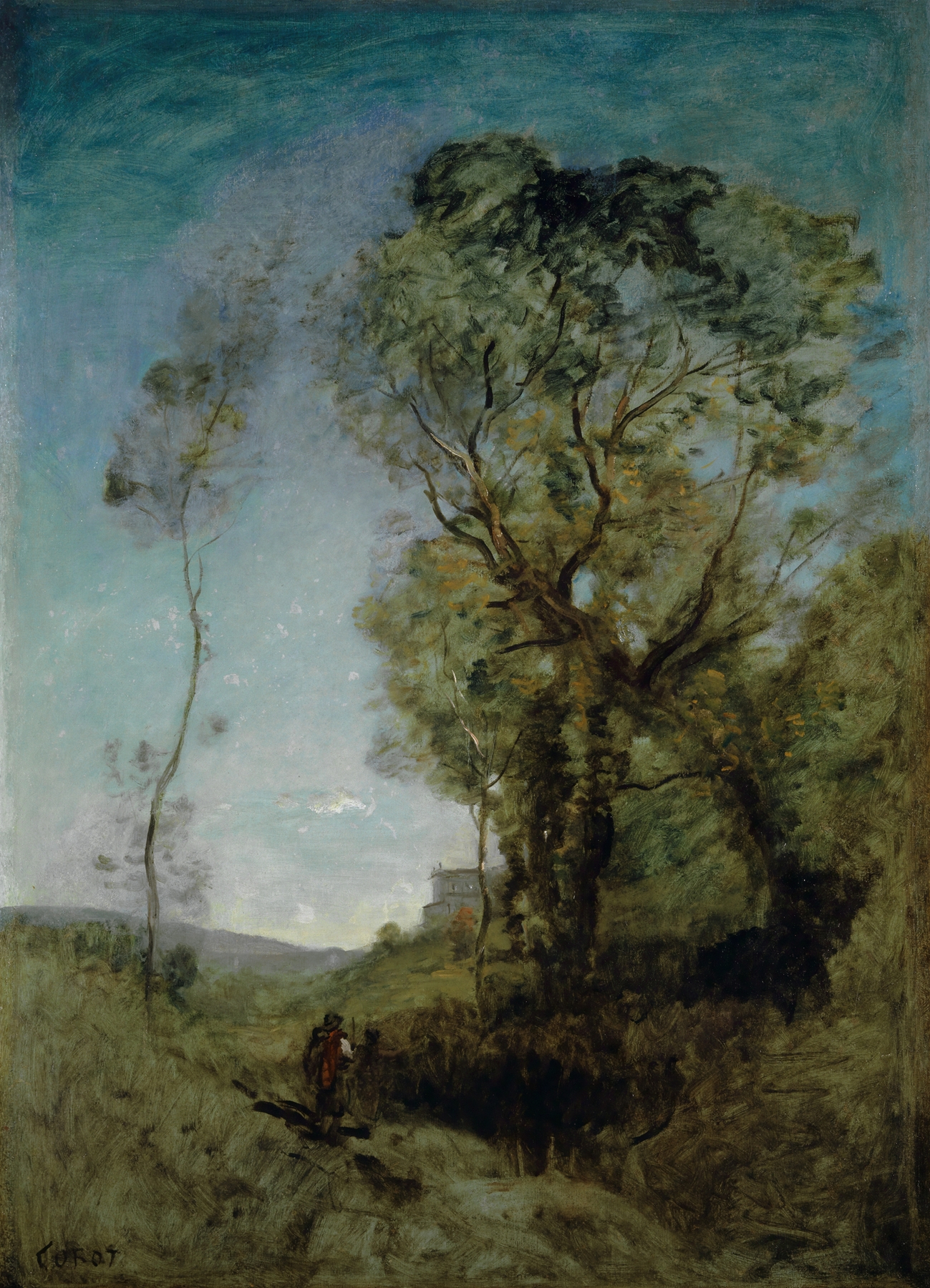
Italienische Villa hinter Pinien The Italian Villa behind the Pines — History & Analysis
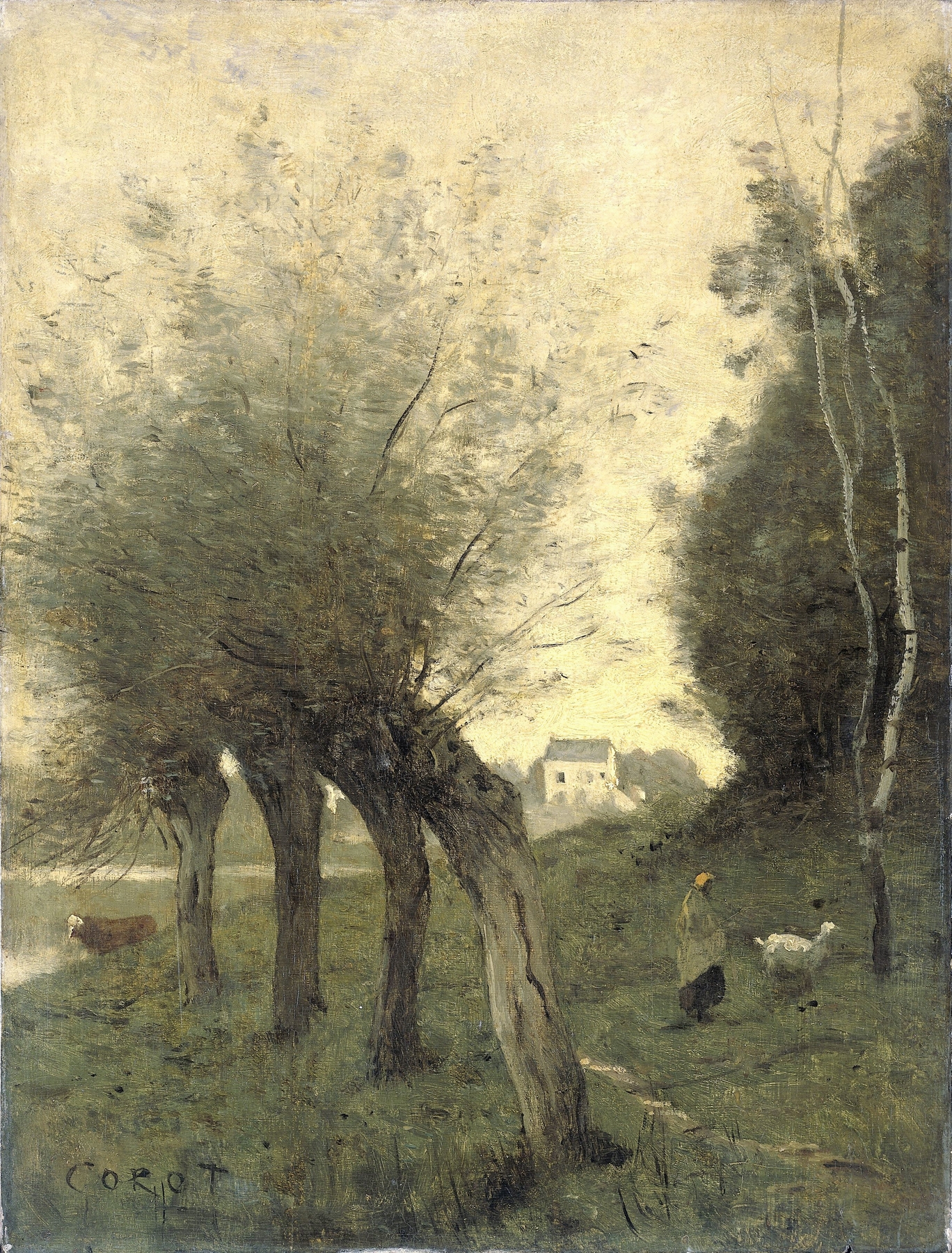
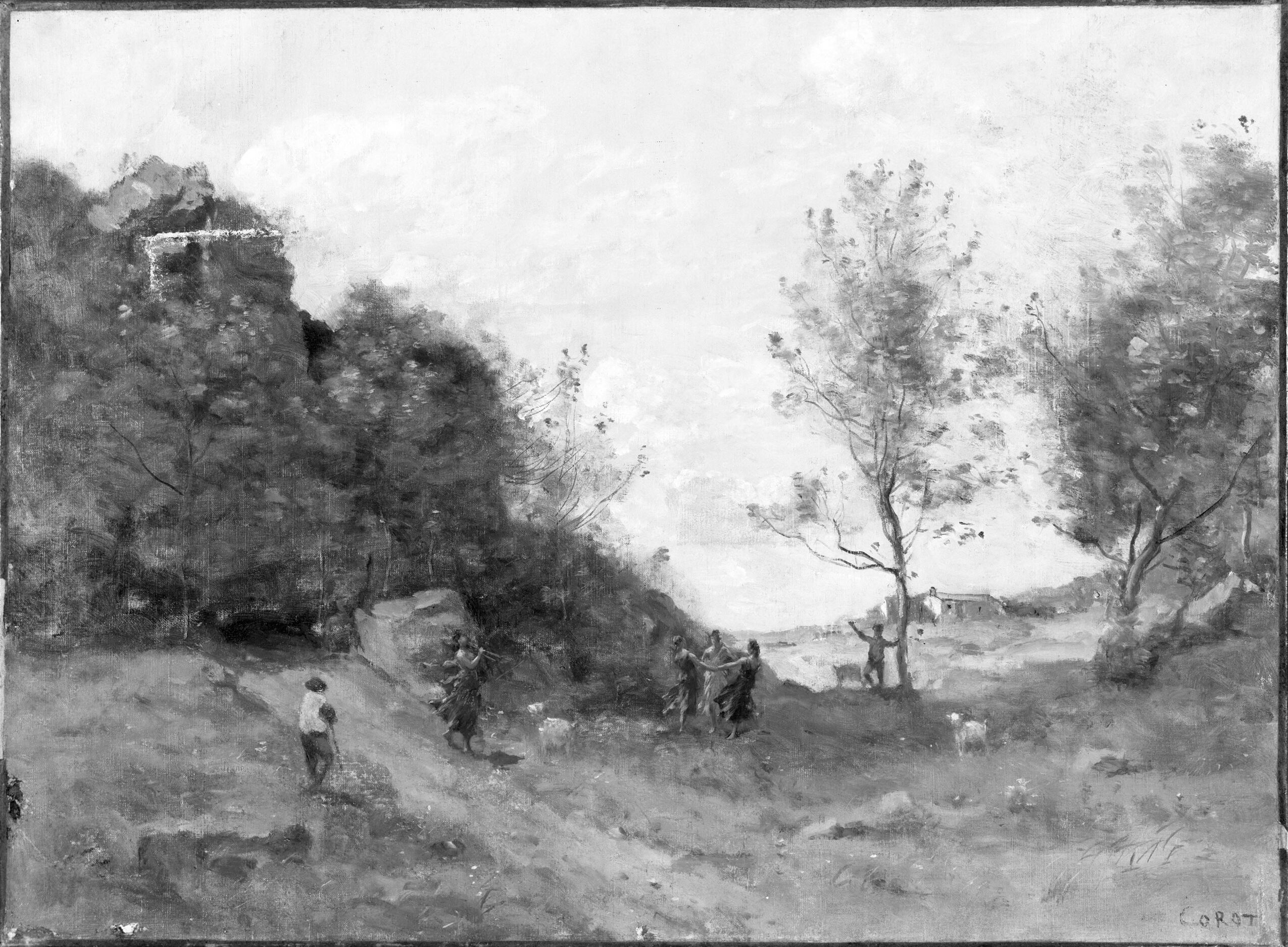
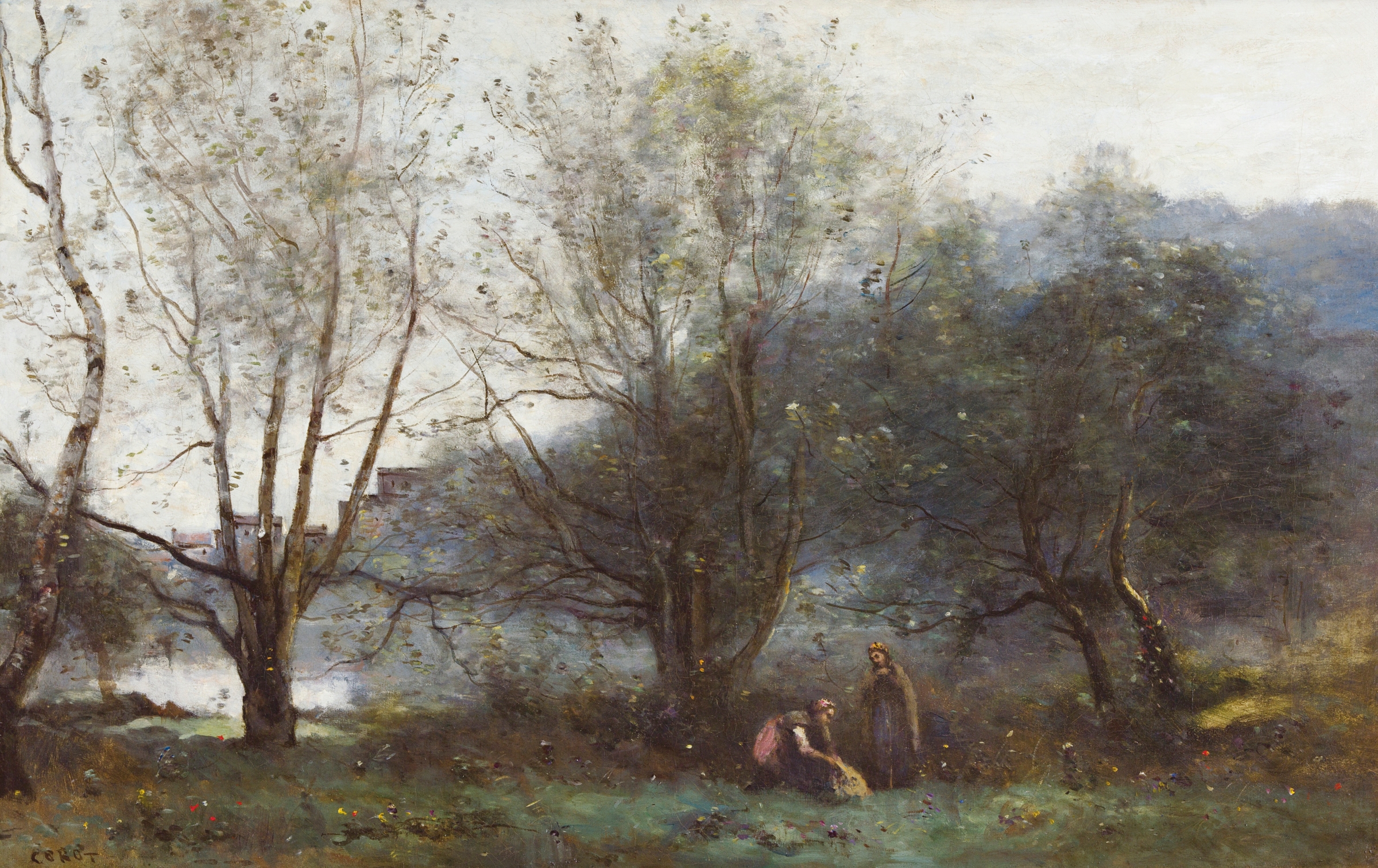
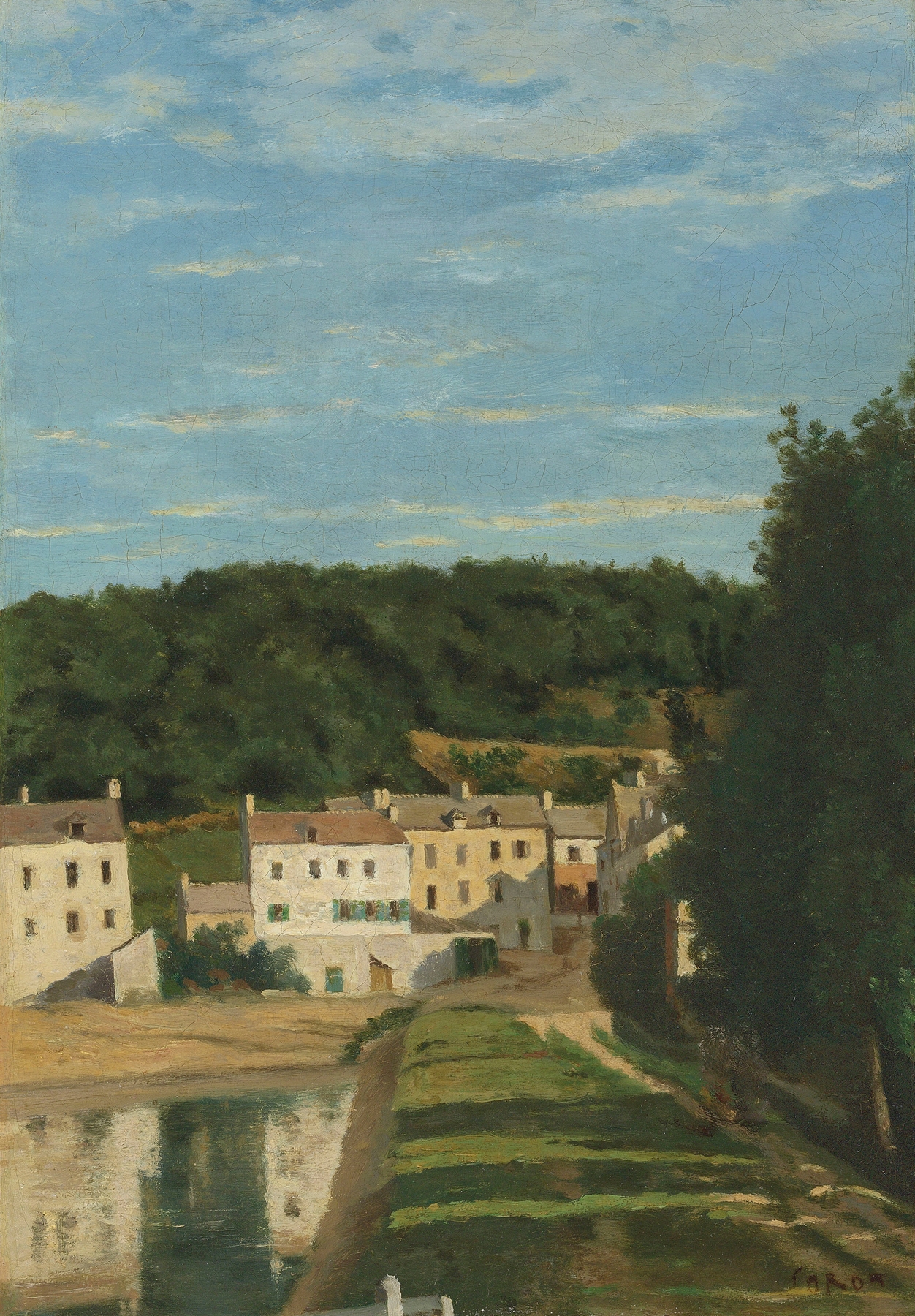
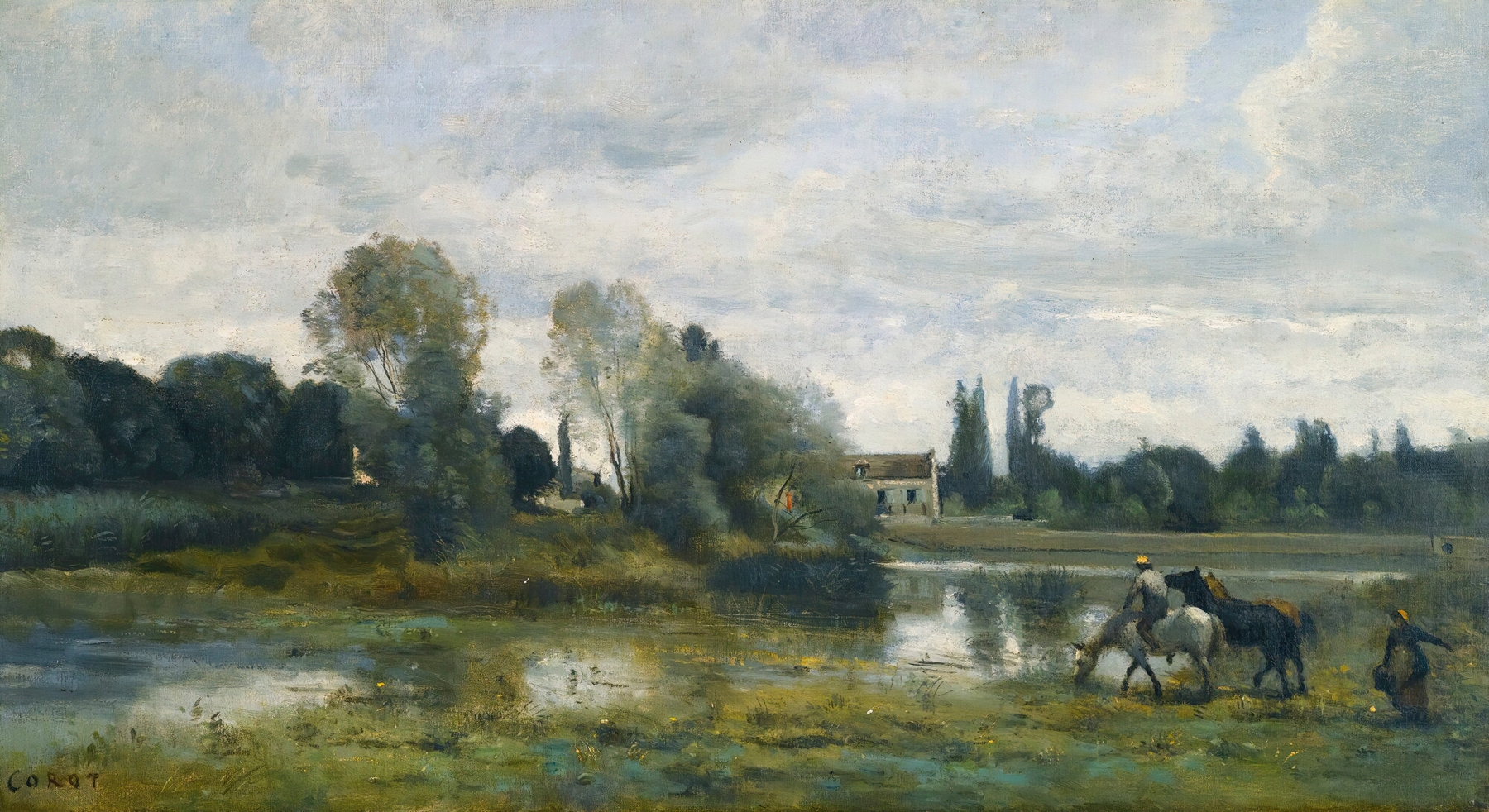
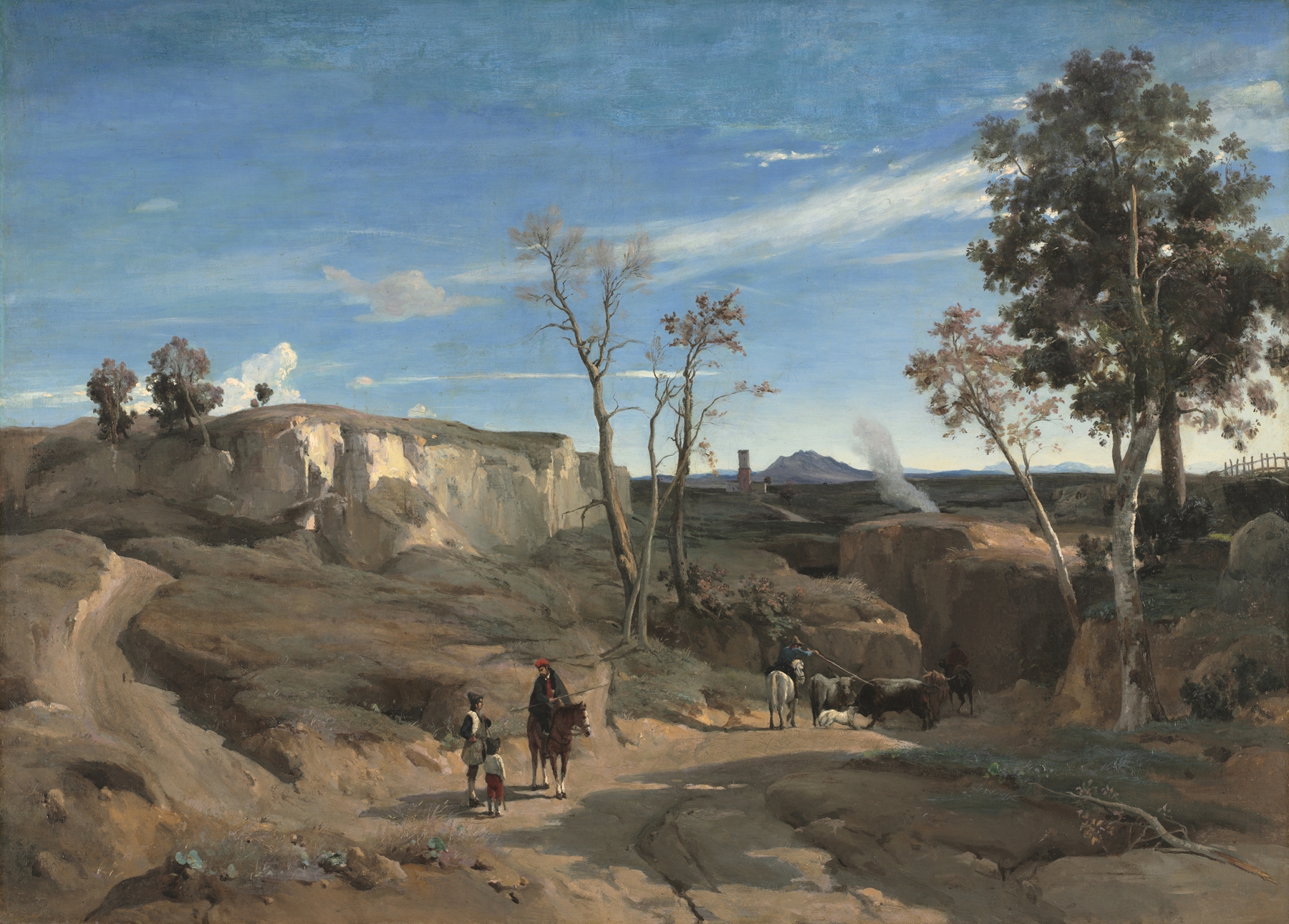
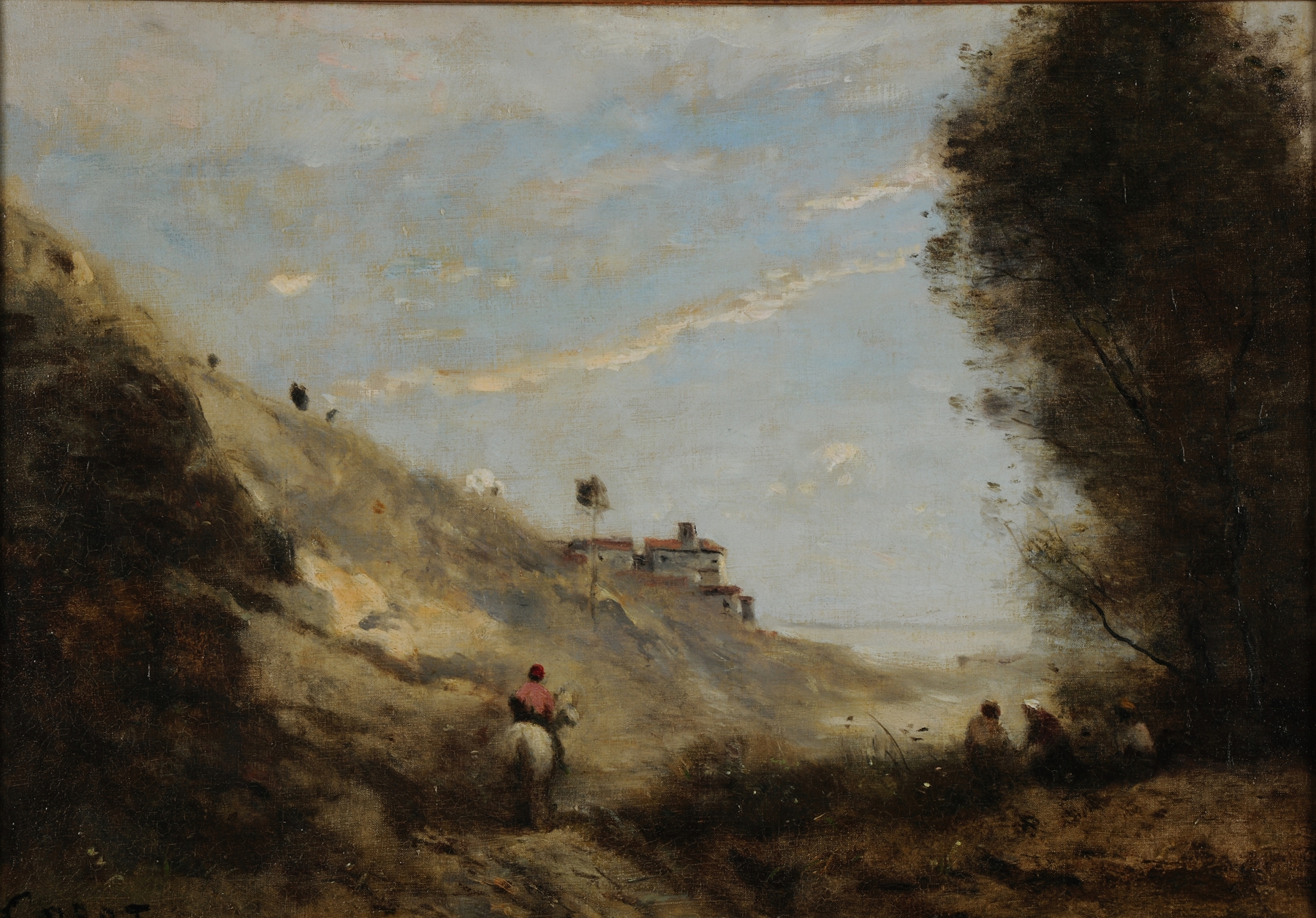
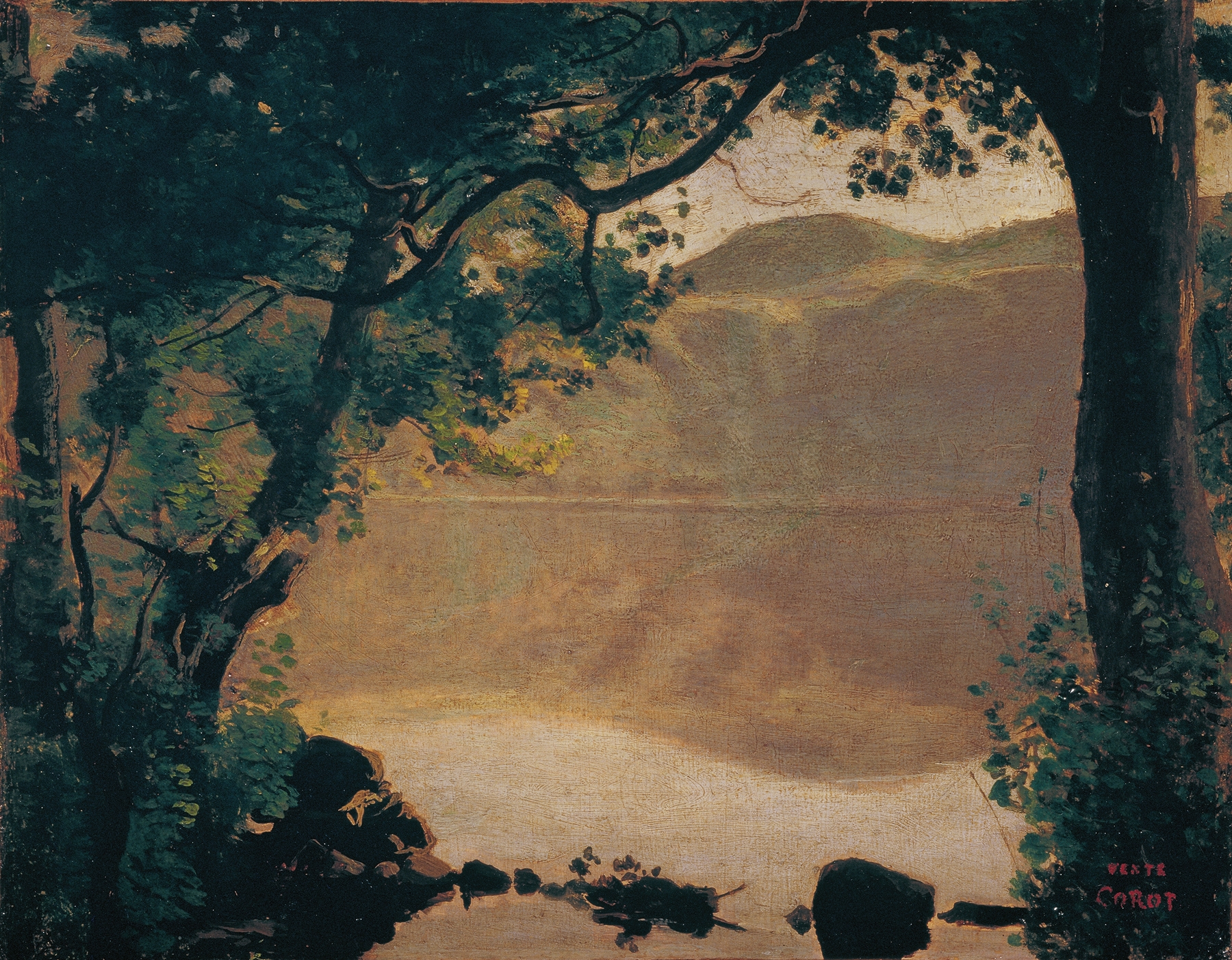
Is this a mirror — or a memory? The stillness of Italienische Villa hinter Pinien invites the viewer to explore the boundaries of reality and nostalgia, where silence reigns and whispers of the past linger like shadows among the pines. Look to the left at the delicate interplay of light and shadow; the sun filters softly through the trees, casting a gentle glow that caresses the villa's façade. Notice the meticulously painted texture of the pine needles, each stroke suggesting both the vibrancy of nature and the passage of time.
The color palette features earthy greens and warm yellows, capturing the essence of a tranquil Italian landscape that melds seamlessly with the architectural elegance of the villa. Beneath the serene surface, emotional tensions arise within the juxtaposition of nature and human presence. The villa stands as a symbol of permanence, yet it is enveloped by the ephemeral beauty of the surrounding landscape. The silence is palpable, evoking a sense of longing — a yearning for connection with both the natural world and the memories it holds.
Each element seems to tell a story, a quiet dialogue between the built environment and the untamed wilderness that encroaches upon it. In the mid-19th century, while creating this work, the artist was immersed in a burgeoning movement that celebrated landscapes infused with emotional depth and realistic detail. Working in France, Corot sought to capture the evocative essence of his travels, reflecting the Romantic ideals that were prevalent in an era steeped in both industrial progress and nostalgia for nature's beauty. This painting serves as a testament to that delicate balance, inviting the viewer to pause and reflect in the silence it so beautifully conveys.