
Itsukushima no yuki (Snow at Itsukushima) — History & Facts
When did color learn to lie? This question lingers in the air, as one stands before the serene yet unsettling landscape of Itsukushima no yuki, where nature's facade belies an underlying madness. In this ethereal vision, the tranquil beauty of snow envelops the iconic Itsukushima Shrine, masking an intensity that runs deeper than the surface. Look to the left at the delicate cherry blossom trees, their branches heavy with snow, creating a stark contrast against the vibrant vermilion of the shrine. The cool blues and whites dominate the palette, evoking a cold stillness, while the shrine's warm hues pulse quietly, drawing the eye.
Notice how the light diffuses through the winter sky, casting a dreamlike glow across the scene, blurring the boundaries between reality and illusion, sanity and chaos. Hidden within this tranquility are the emotional tensions of isolation and transience. The snow, while beautiful, evokes a sense of impending doom — a reminder that such beauty is fleeting. The juxtaposition of the serene and the hauntingly quiet hints at a deeper madness coursing through nature, where peace may just be a mask for underlying chaos.
The viewer is left to ponder whether the blissful calm can truly exist without the shadow of despair. Created in 1932, Itsukushima no yuki reflects Kawase Hasui's deep connection to the ukiyo-e tradition, blending traditional elements with a modern sensibility. During this time, Hasui was exploring the emotional resonance of landscapes, as Japan was undergoing significant cultural shifts. The work captures a moment of introspection amidst an era of change, solidifying the artist's legacy in the realm of printmaking and scenic representation.
More Artworks by Kawase Hasui
Browse all →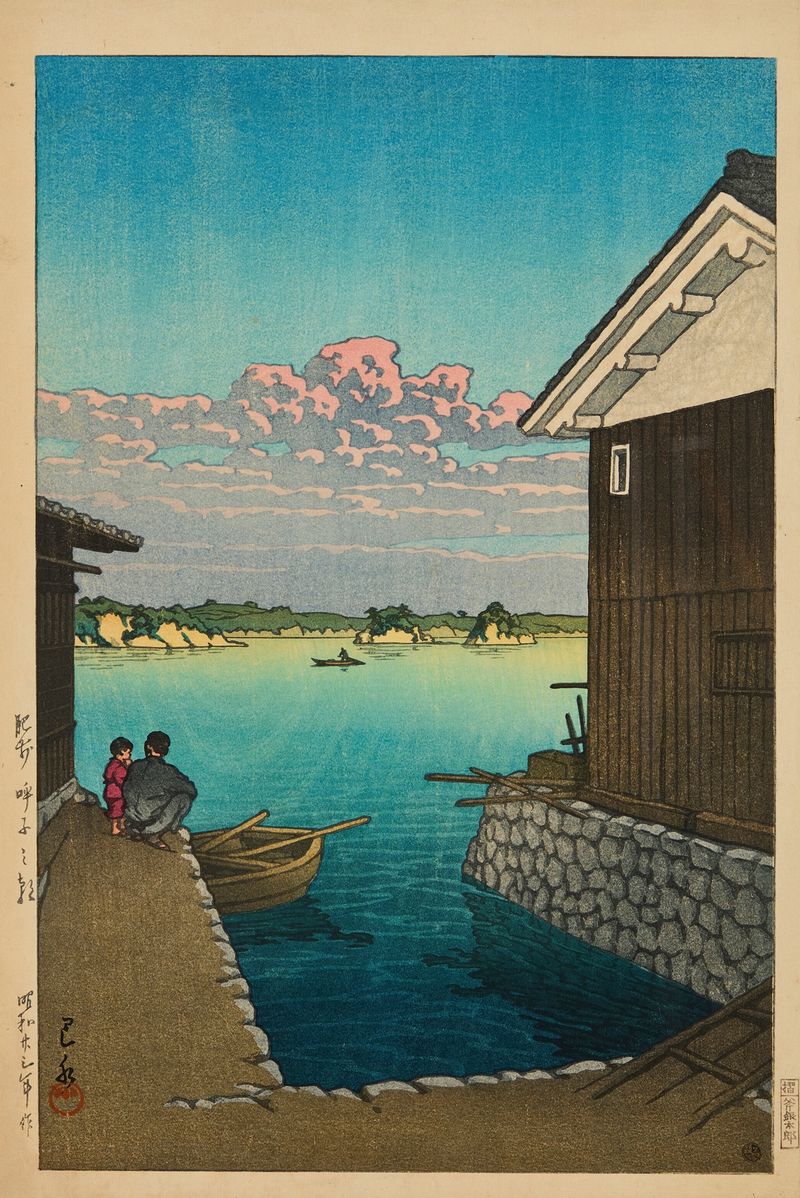
Hizen Yobuko no asa (Morning in Yobuko, Hizen)
Kawase Hasui
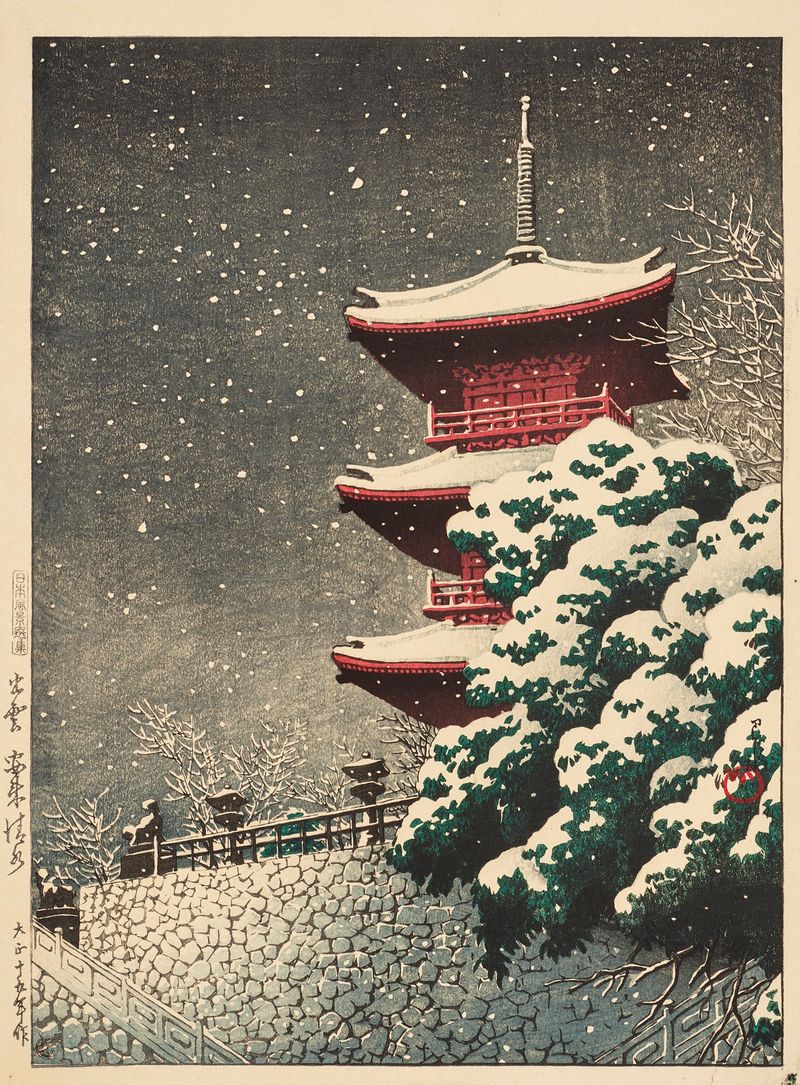
Izumo, Yasugi Kiyomizu (Yasugi Kiyomizu Temple at Izumo)
Kawase Hasui
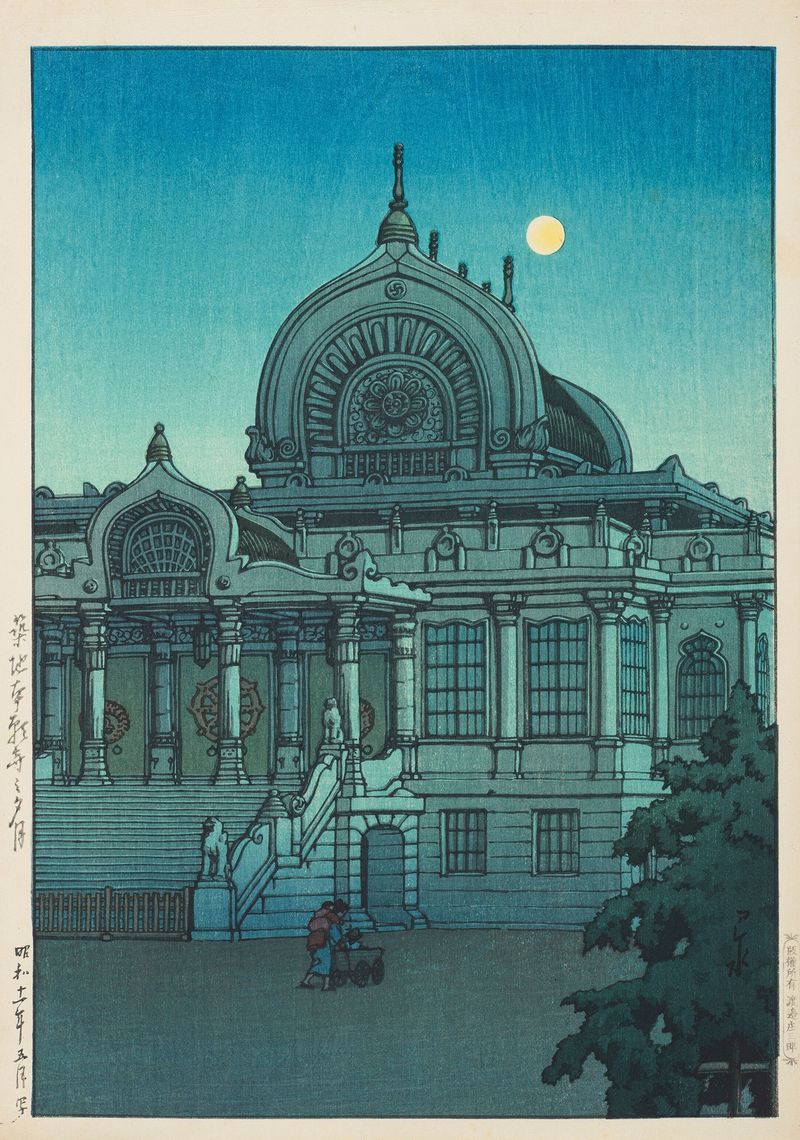
Tsukiji Honganji no yuzuki (Evening moon at Honganji Temple in Tsukiji)
Kawase Hasui
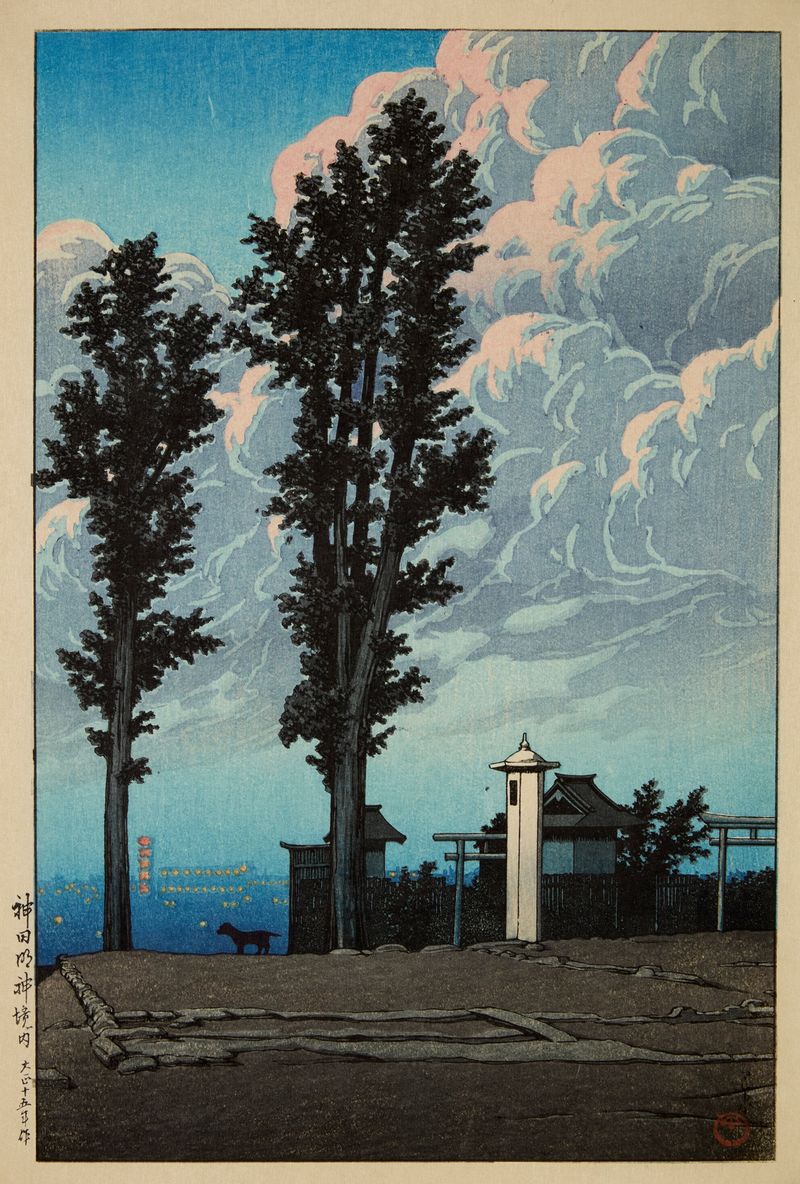
Kanda Myojin keidai (Kanda Myojin Shrine precent)
Kawase Hasui
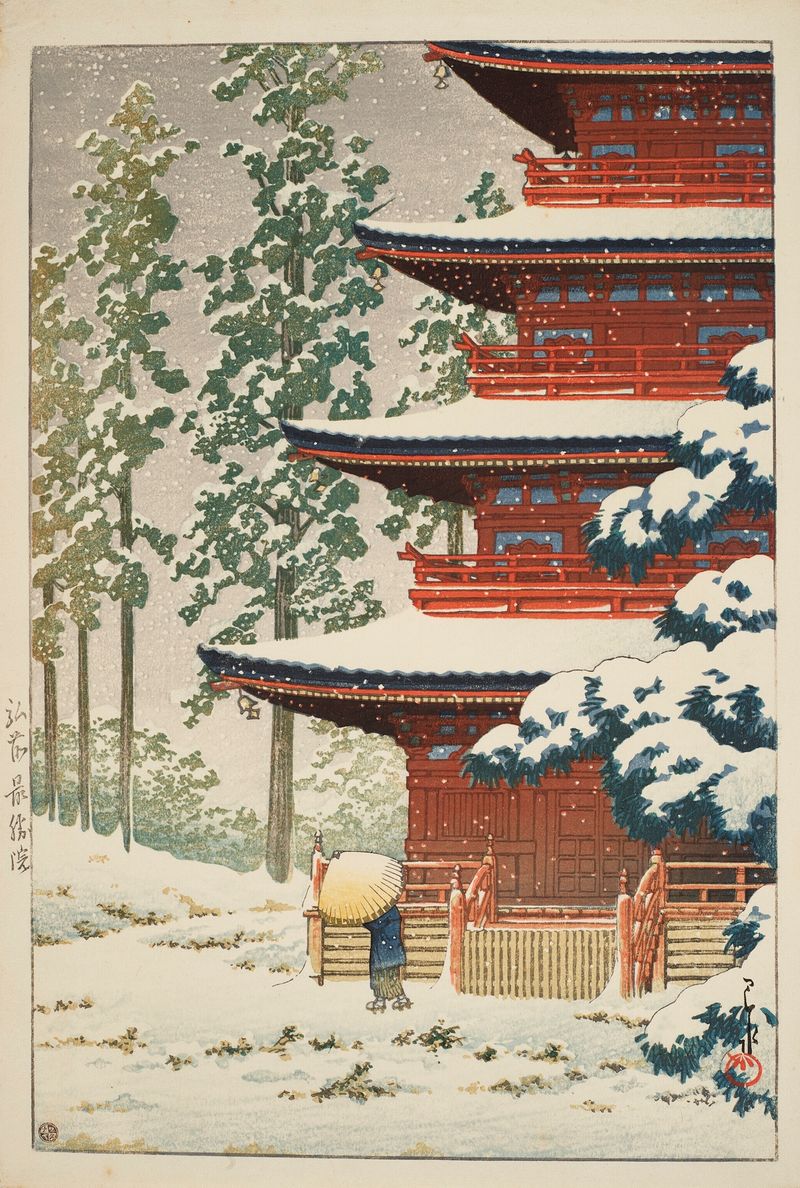
Saisho-in Temple, Hirosaki
Kawase Hasui
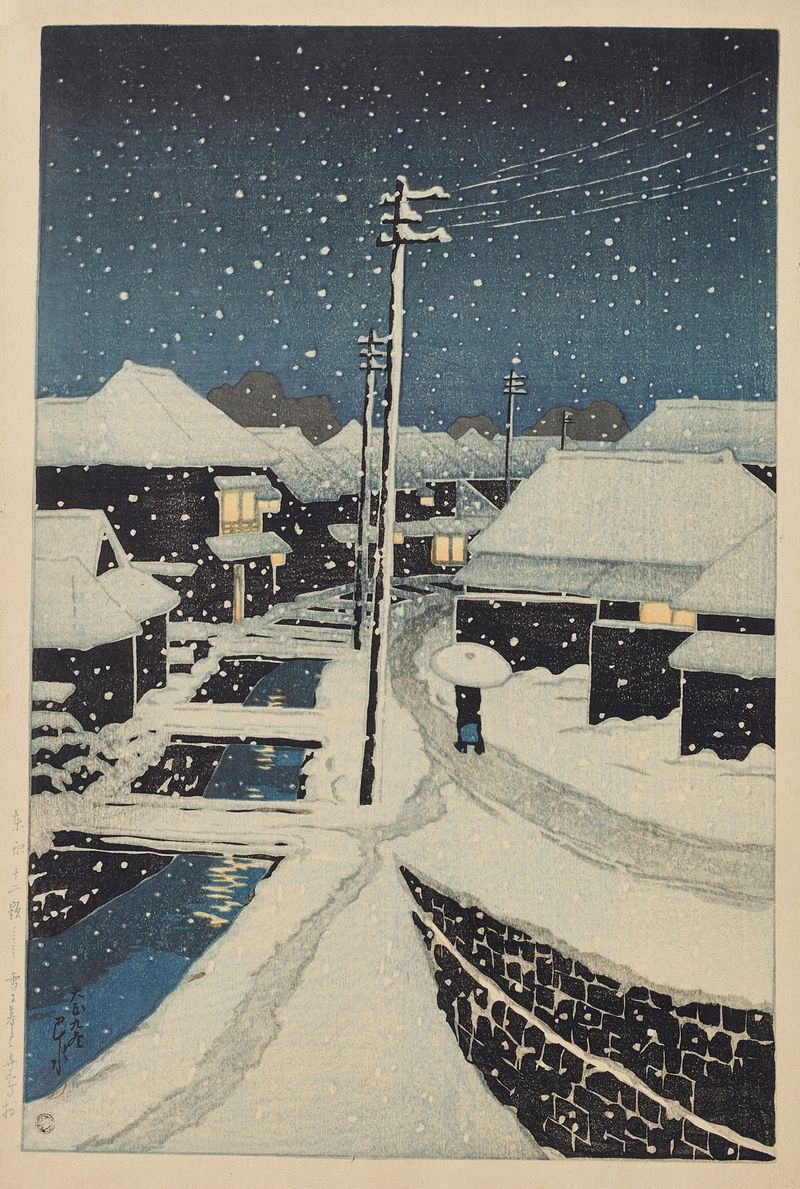
Yuki ni fururu Terajima mura (Evening snow at Terajima Village)
Kawase Hasui
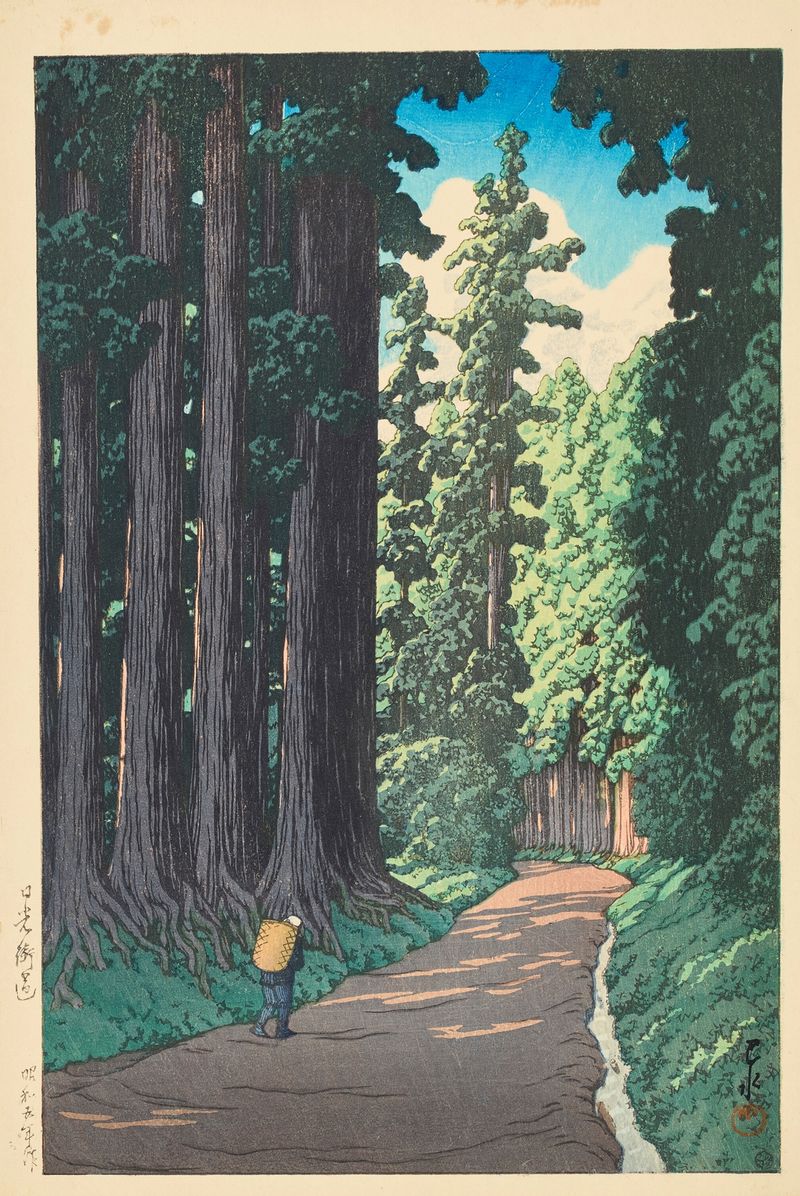
Nikko gaido (The Road to Nikko)
Kawase Hasui
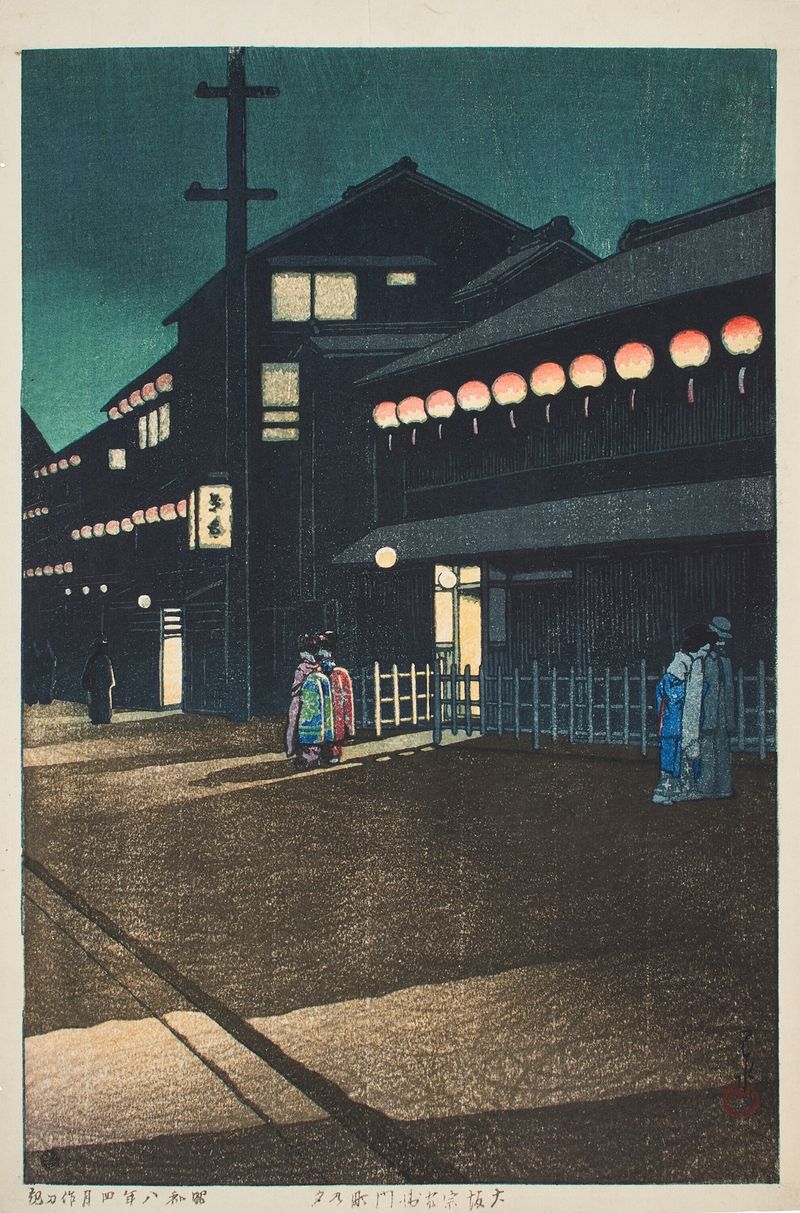
Osaka Soemon-cho no yu (Evening in Soemon-cho, Osaka)
Kawase Hasui
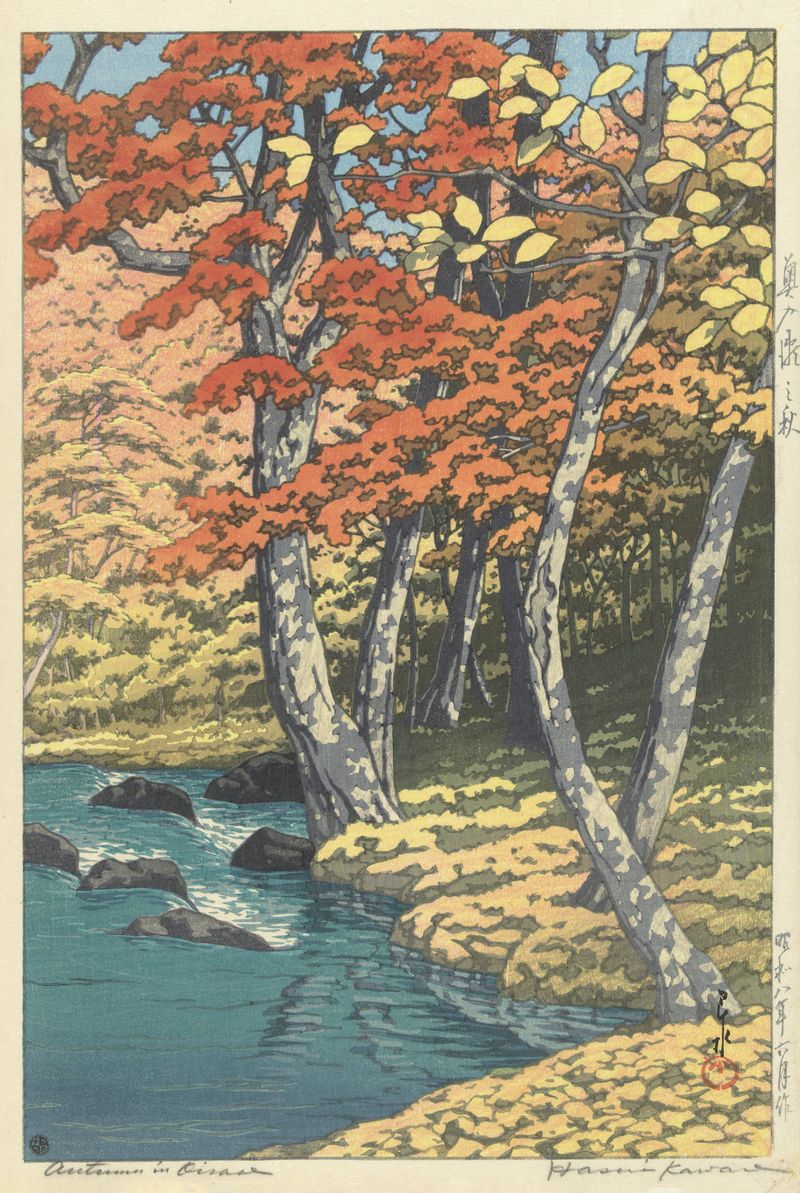
Autumn In Oirase
Kawase Hasui
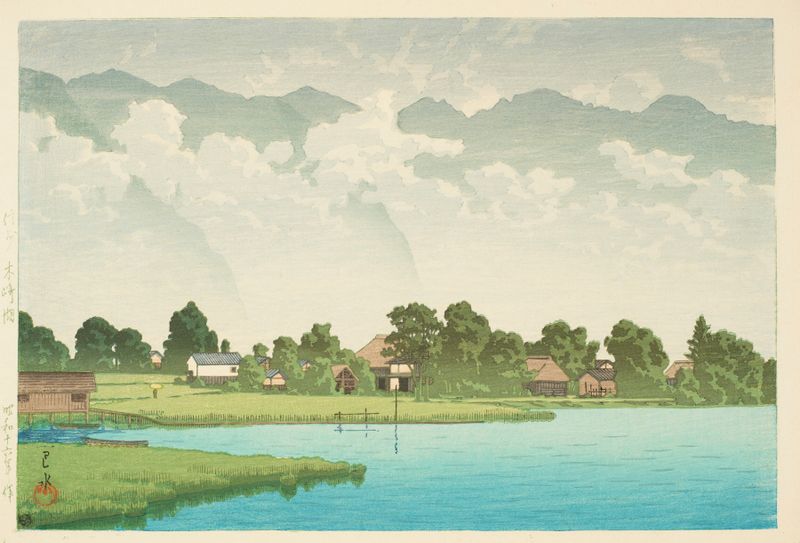
Shinshu Kizakiko (Kizaki Lake in Shinshu)
Kawase Hasui





