
Izu Nishibira no asa (Morning in Nishibira, Izu) — History & Facts
Can paint confess what words never could? In Izu Nishibira no asa, longing permeates every brushstroke, inviting the viewer to step into a world where silence speaks volumes. Look to the left at the delicate silhouette of the mountains, shrouded in early morning mist. Notice how the soft blues and greens blend seamlessly, creating a serene backdrop for the village below. The gentle light of dawn bathes the scene, casting a golden hue over the rooftops and inviting the viewer's gaze to linger on the tranquil waters of the river.
Each element is meticulously placed, from the delicate ripples to the wispy clouds overhead, reflecting a moment of stillness. Yet, beneath this calm surface lies a powerful emotional tension. The juxtaposition of the serene landscape with the untouched human presence evokes an isolation that resonates deeply. One can sense the yearning for connection, the bittersweet nostalgia for a place where time appears suspended.
The empty streets and modest homes seem to echo the silence of longing—each corner a reminder of what has been or what could be. Kawase Hasui painted this piece in 1953 while living in post-war Japan, a time marked by a search for cultural identity and peace. His work was part of the shin-hanga movement, which sought to revitalize traditional woodblock techniques blended with Western perspectives. During this era, Hasui captured the fleeting beauty of nature, reflecting not just landscapes but the emotional landscapes of his time, as Japan emerged from the shadow of conflict.
More Artworks by Kawase Hasui
Browse all →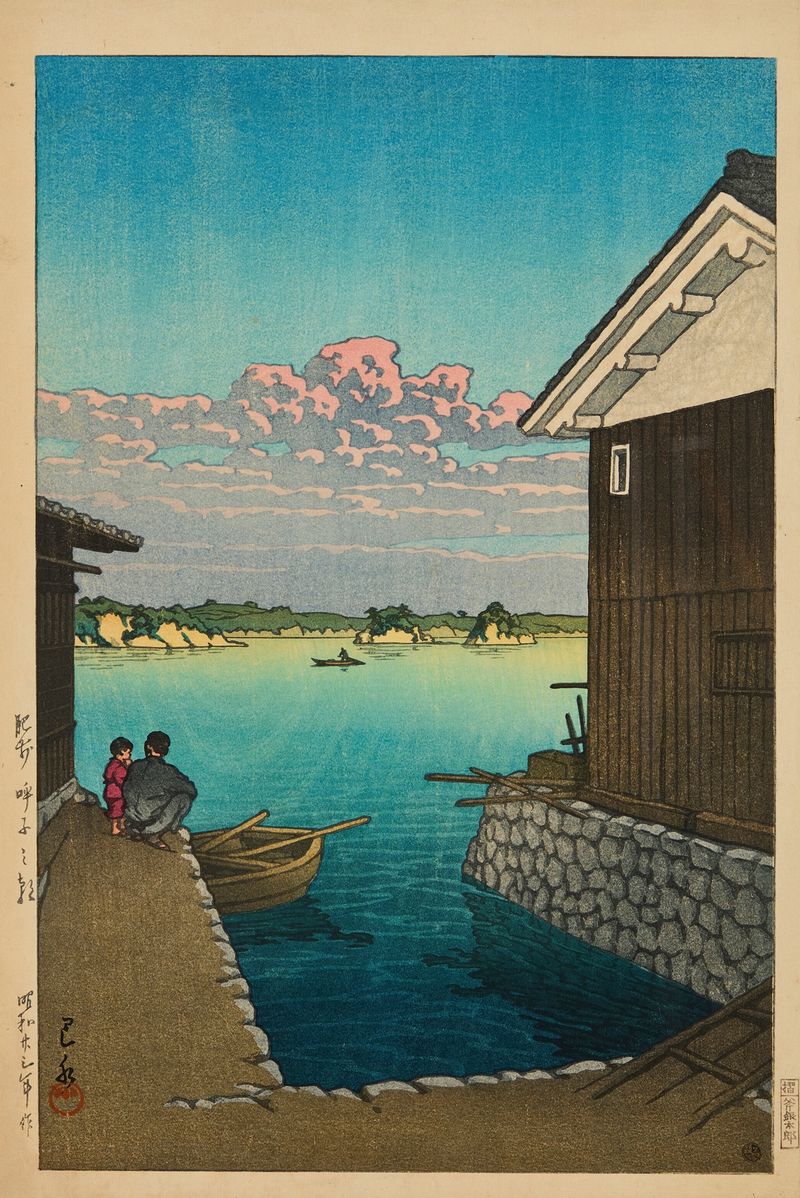
Hizen Yobuko no asa (Morning in Yobuko, Hizen)
Kawase Hasui
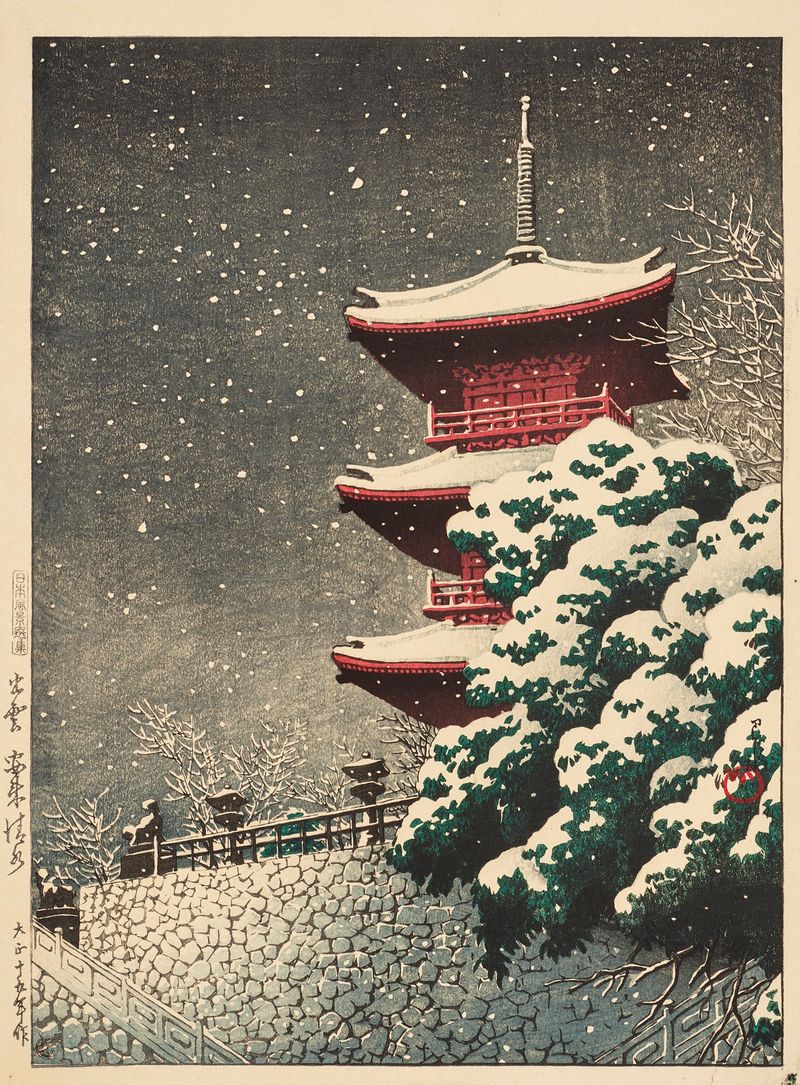
Izumo, Yasugi Kiyomizu (Yasugi Kiyomizu Temple at Izumo)
Kawase Hasui
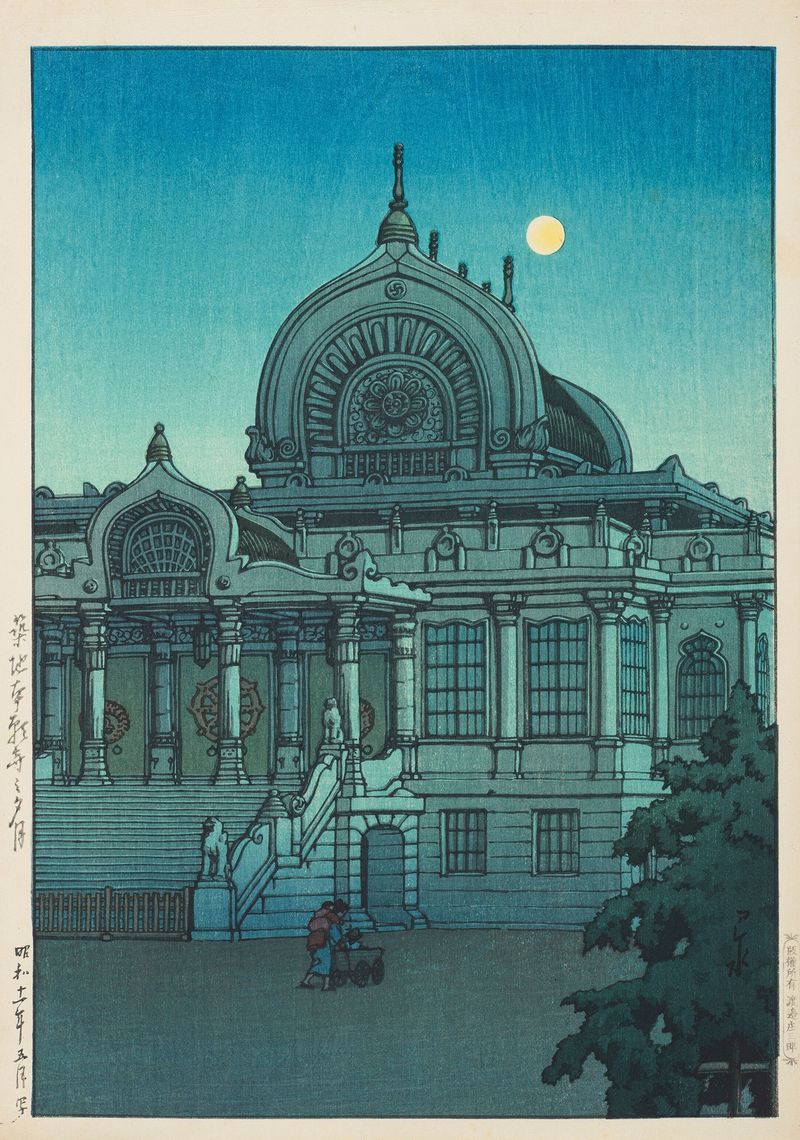
Tsukiji Honganji no yuzuki (Evening moon at Honganji Temple in Tsukiji)
Kawase Hasui
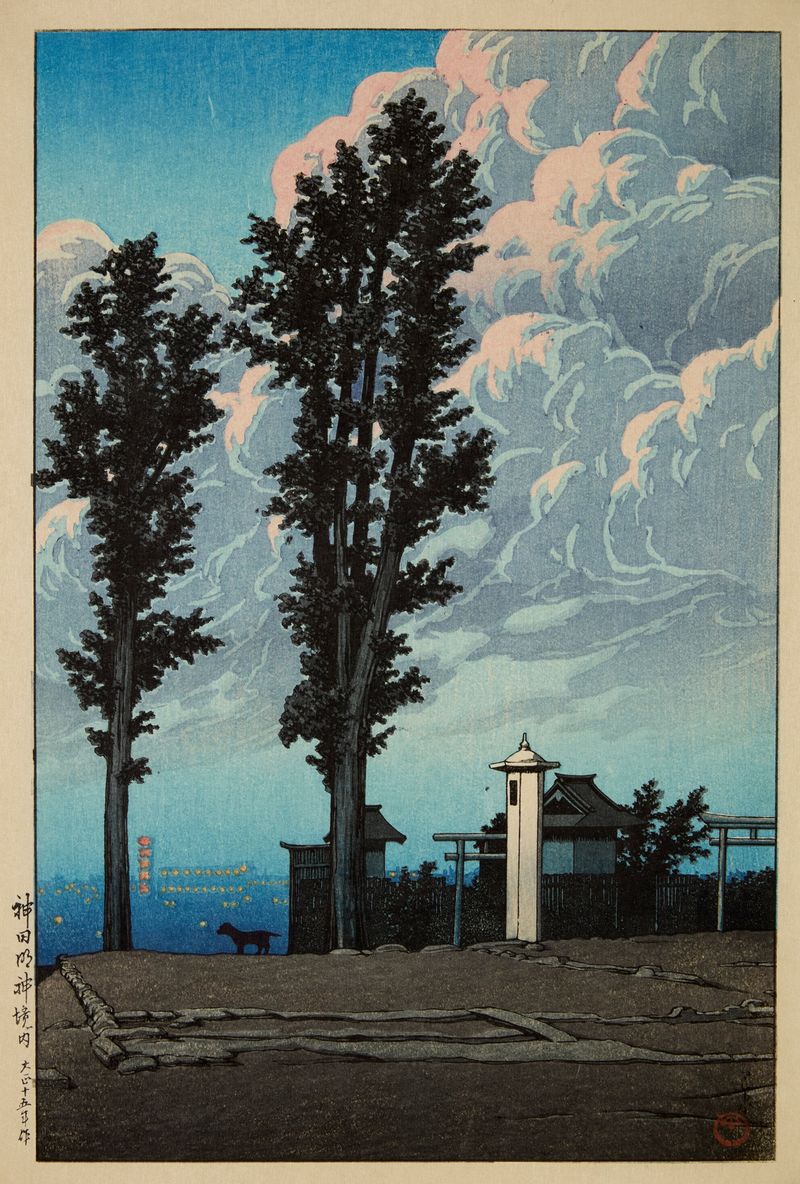
Kanda Myojin keidai (Kanda Myojin Shrine precent)
Kawase Hasui
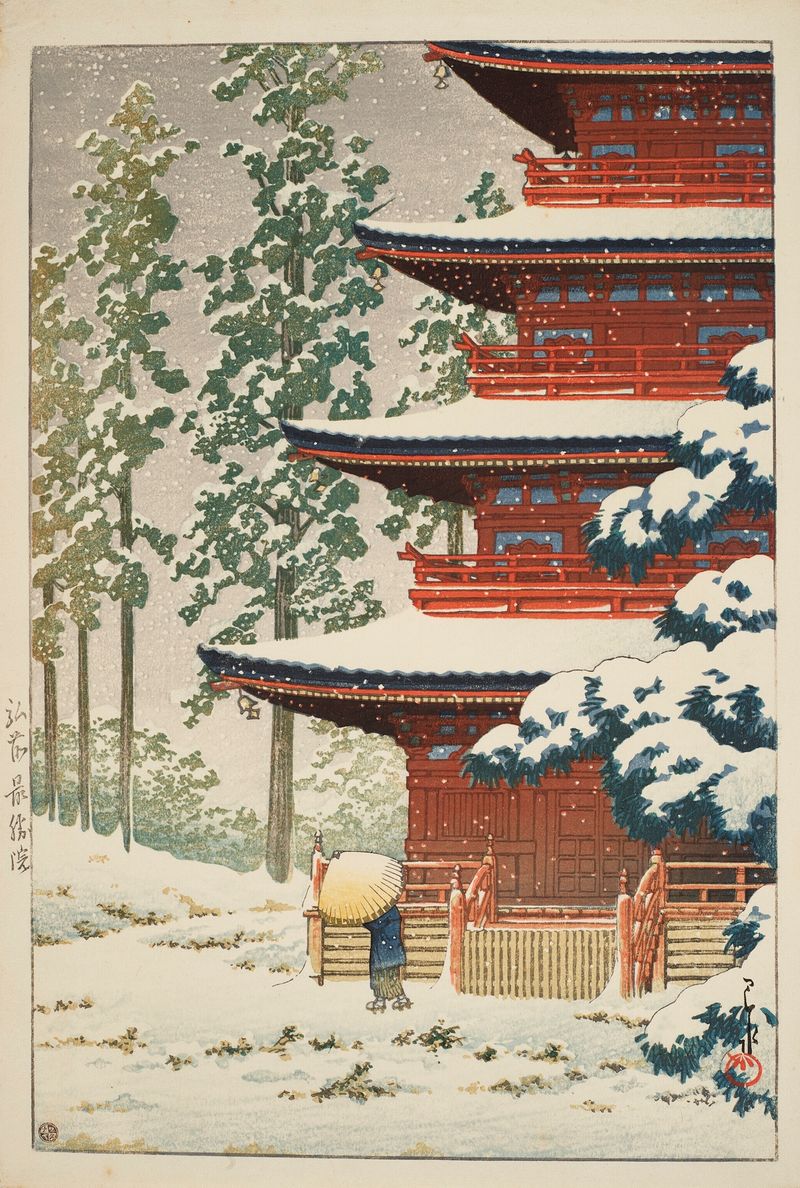
Saisho-in Temple, Hirosaki
Kawase Hasui
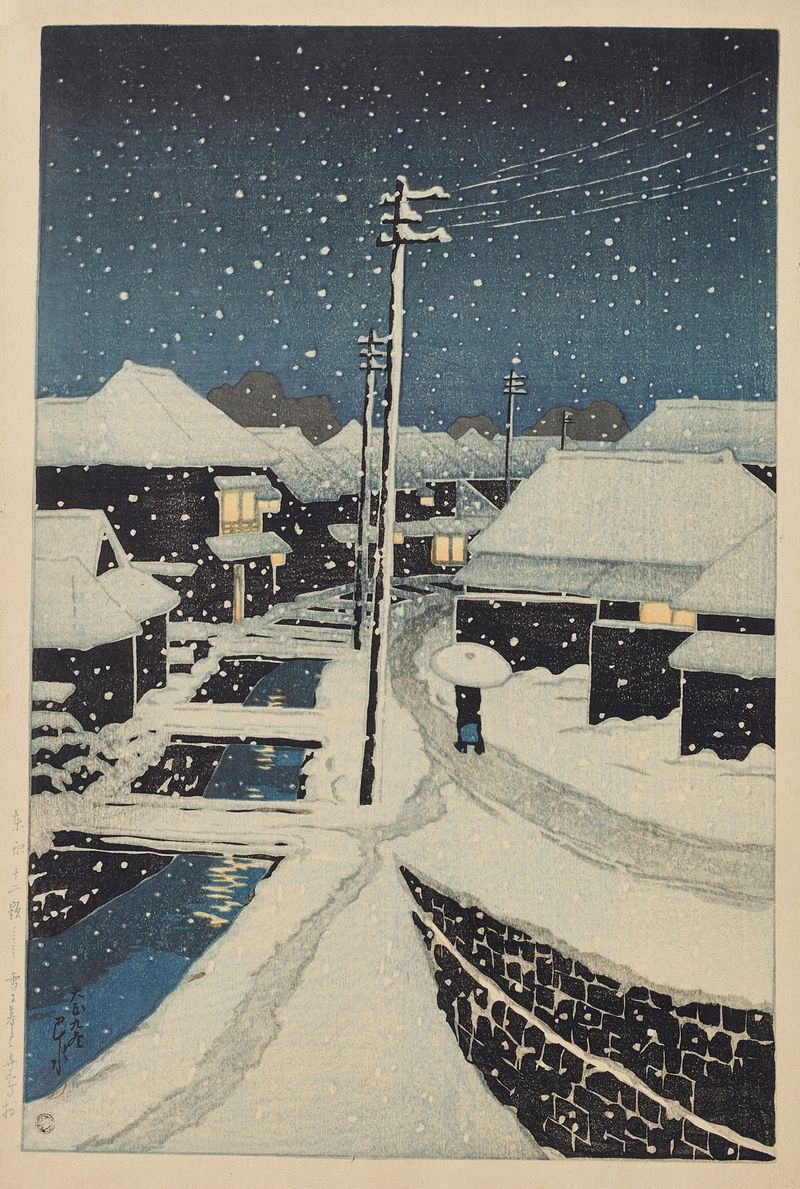
Yuki ni fururu Terajima mura (Evening snow at Terajima Village)
Kawase Hasui
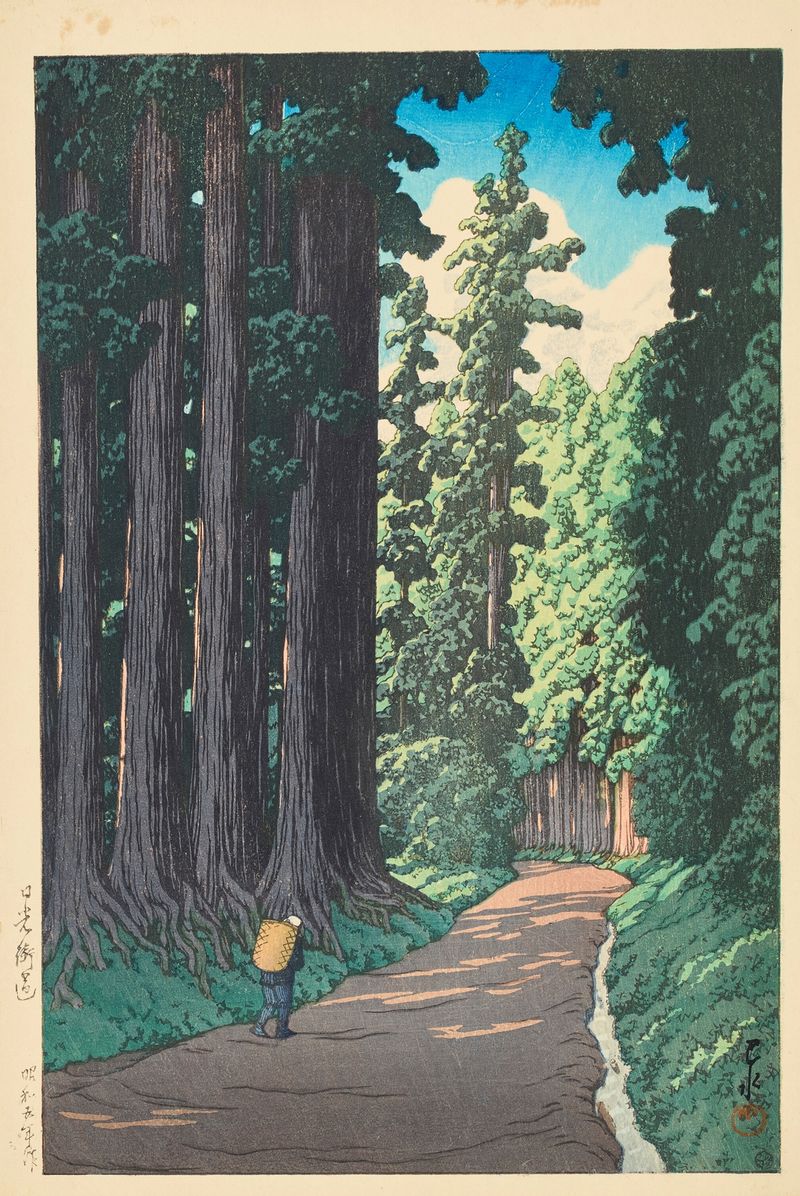
Nikko gaido (The Road to Nikko)
Kawase Hasui
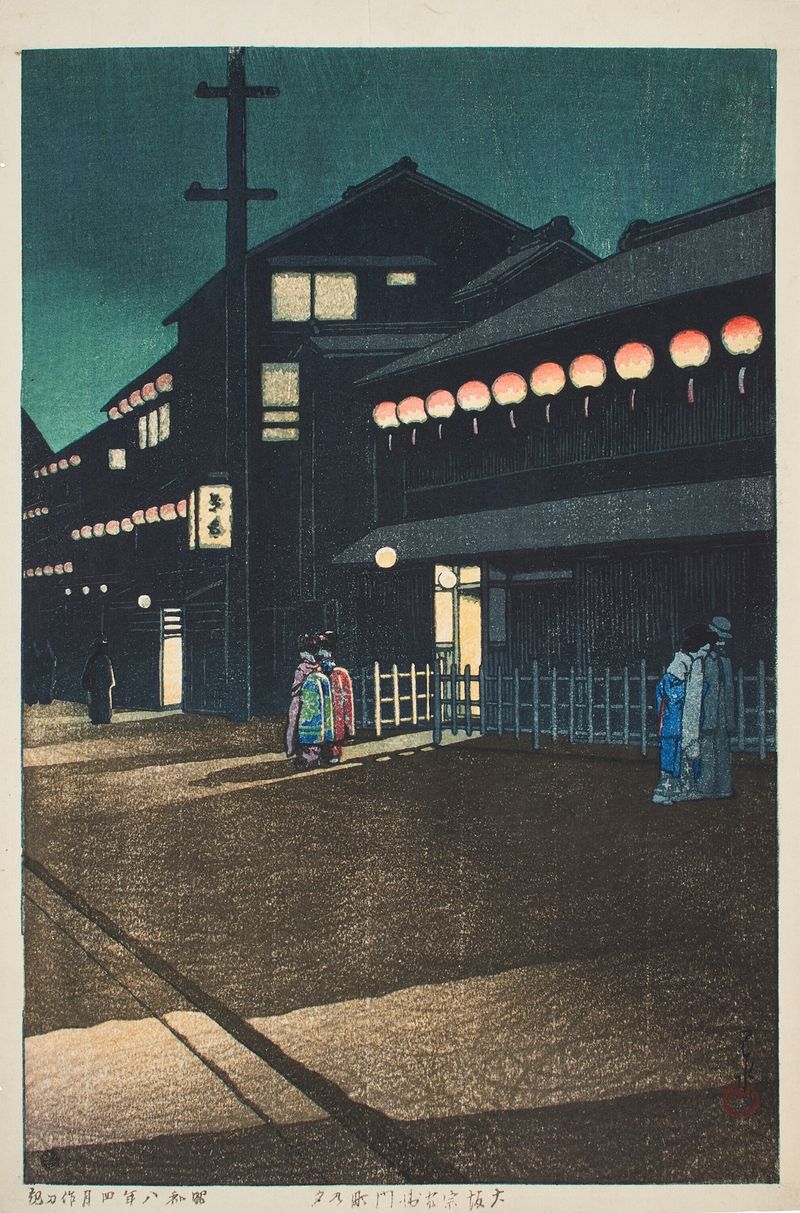
Osaka Soemon-cho no yu (Evening in Soemon-cho, Osaka)
Kawase Hasui
Autumn In Oirase
Kawase Hasui
Shinshu Kizakiko (Kizaki Lake in Shinshu)
Kawase Hasui





