
Jacob with Laban and his Daughters — History & Facts
Can paint confess what words never could? In Jacob with Laban and his Daughters, the brush strokes weave a narrative rich with tension, transformation, and the weight of choice, inviting viewers to reflect on the complexities of human relationships. Look to the left at the figures of Jacob and Laban, their postures both poised and confrontational, as they exchange glances filled with uncertainty. The gentle light bathes the scene, accentuating the soft hues of the landscape and the pastel garments of the daughters, which flutter softly in the breeze. Notice how the horizon divides the tumultuous sky, an unsettling mix of warm and cool tones, reflecting the emotional undercurrents of the moment, while the trees frame the composition, guiding your eyes toward the characters’ expressive gestures. Amidst the idyllic pastoral setting, contrasts emerge—the tranquil beauty of nature juxtaposed against the charged tension between familial duty and personal desire.
The dynamic between the characters suggests hidden agendas and unspoken pacts, emphasizing themes of loyalty and betrayal. Each figure, including Laban’s daughters, carries an unvoiced story; their presence hints at sacrifices made and futures uncertain, resonating with the larger human experience of revolution and upheaval. In the mid-17th century, Lorrain was deeply engaged with the Baroque art movement while painting this work. He resided in Rome, a city that teemed with artistic innovation and social change.
His focus on landscapes infused with narrative reflected a broader shift in art, where the natural world became a backdrop for exploring complex human emotions and interactions, a hallmark of his enduring influence on European landscape painting.
More Artworks by Claude Lorrain
Browse all →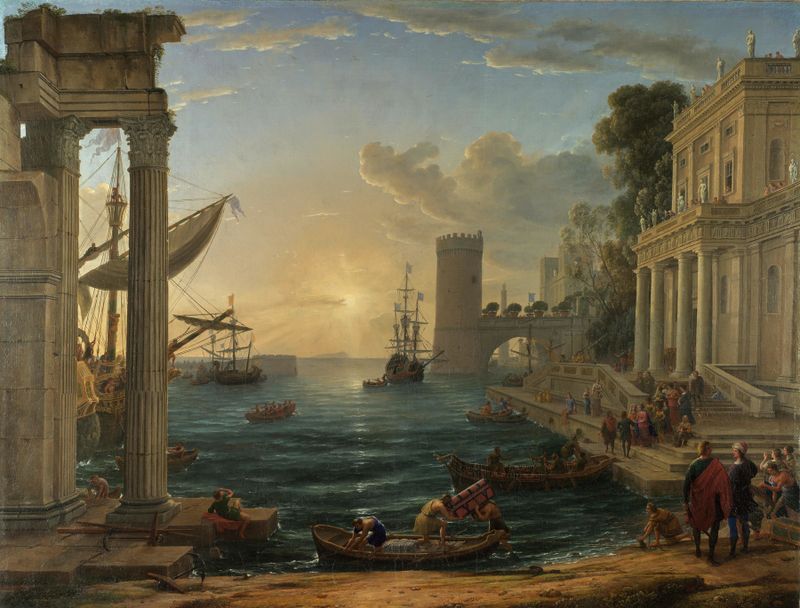
The Embarkation of the Queen of Sheba
Claude Lorrain
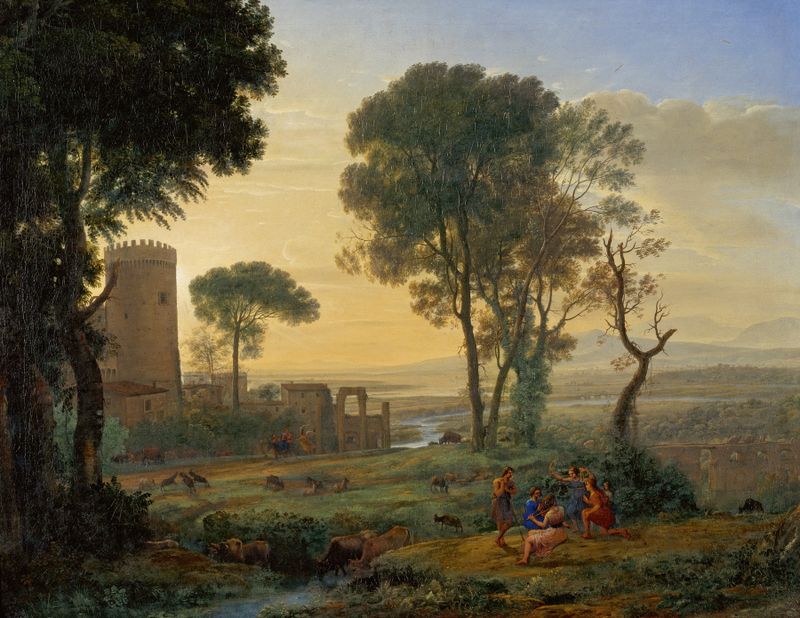
Landscape with the Flight into Egypt
Claude Lorrain
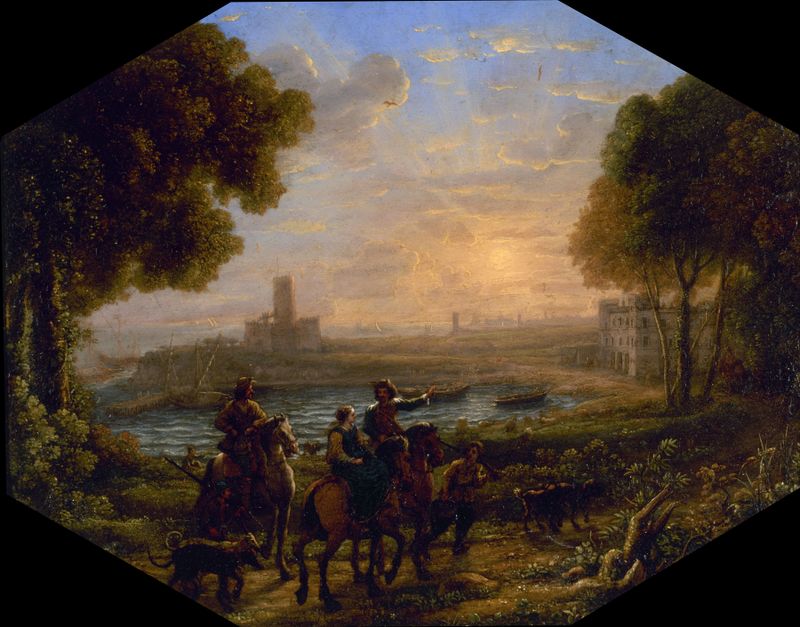
Paysage avec le port de Santa Marinella
Claude Lorrain
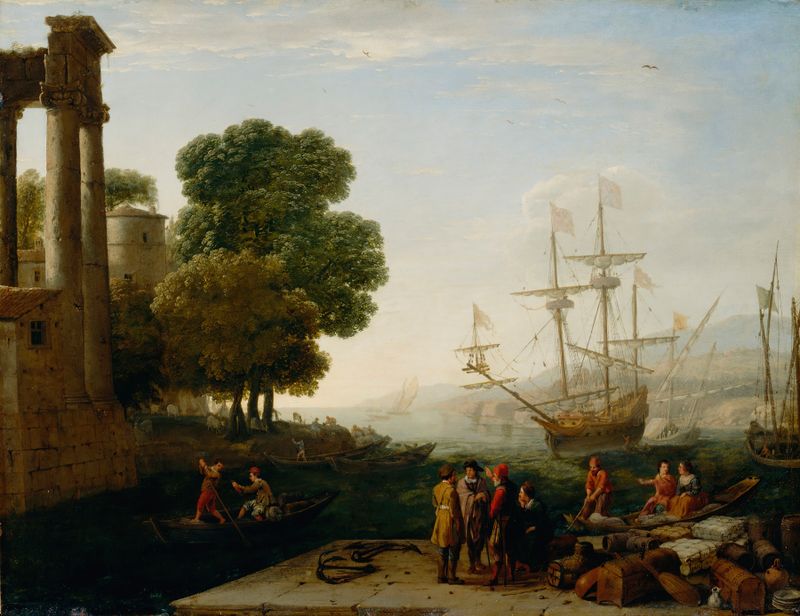
A Seaport at Sunset
Claude Lorrain
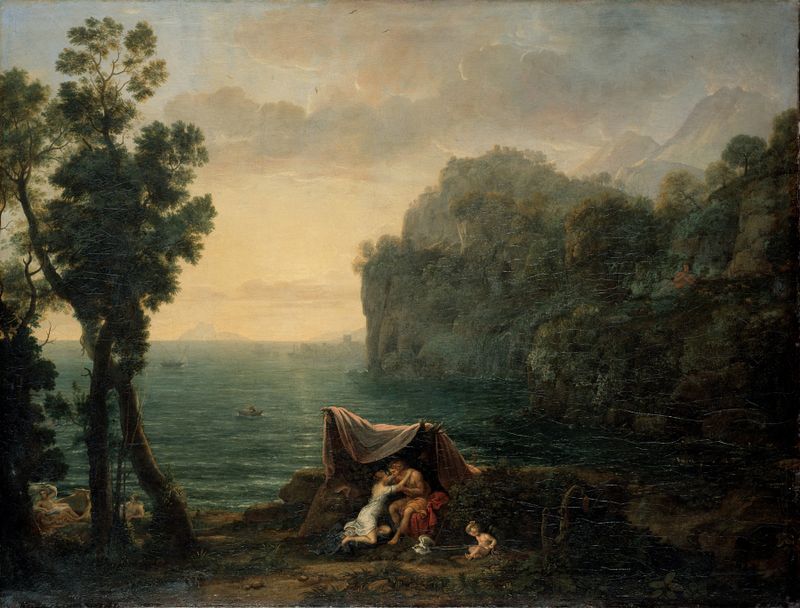
Landscape with Acis and Galatea
Claude Lorrain
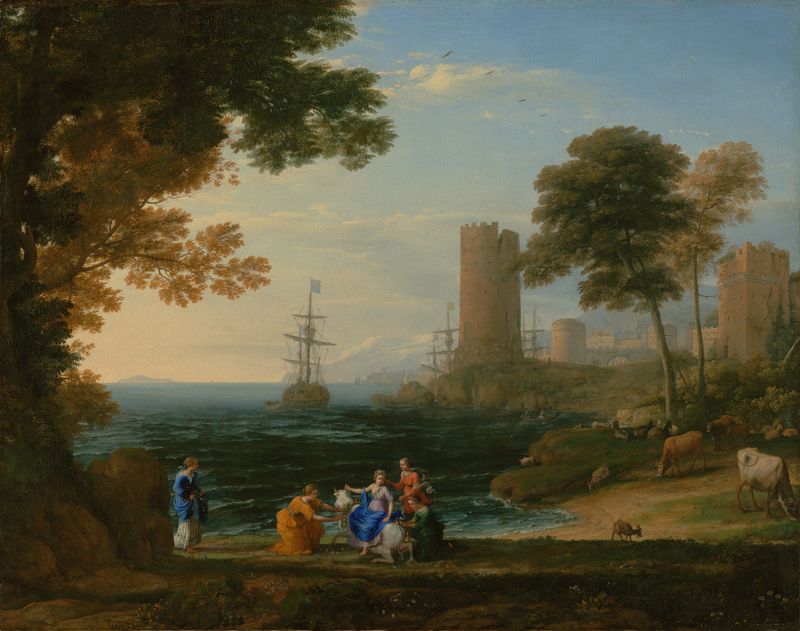
Coast View with the Abduction of Europa
Claude Lorrain
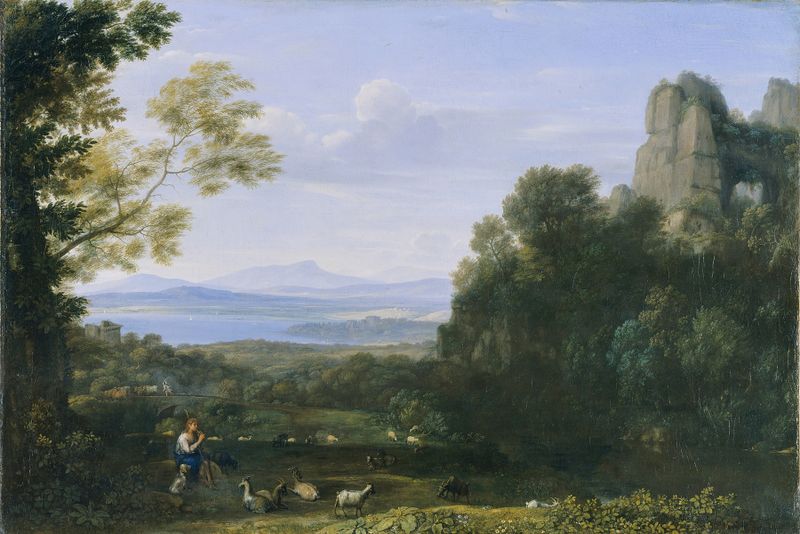
Landscape with Apollo and Mercury
Claude Lorrain
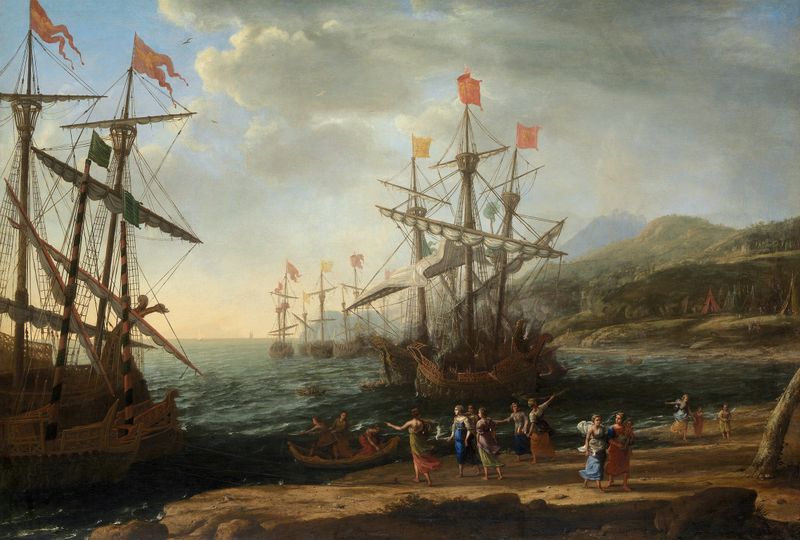
The Trojan Women Setting Fire to Their Fleet
Claude Lorrain
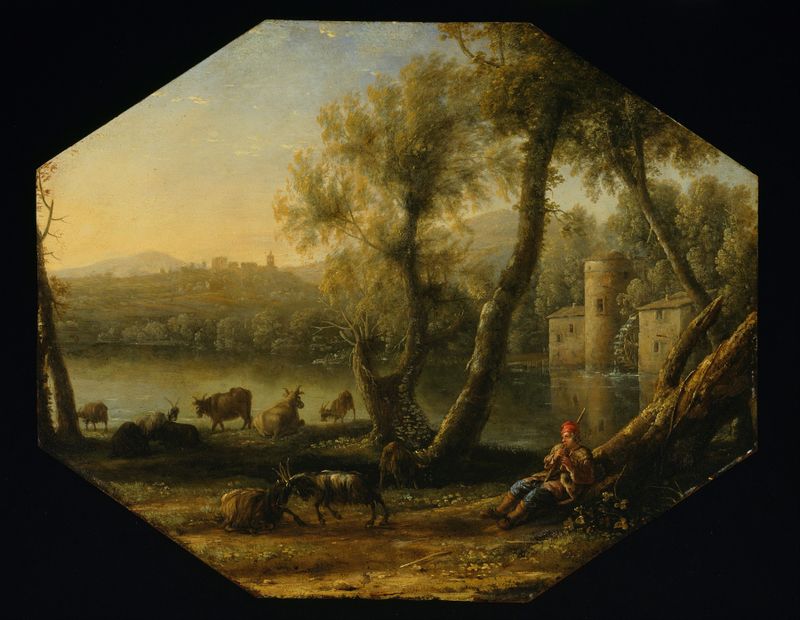
Pastoral landscape
Claude Lorrain
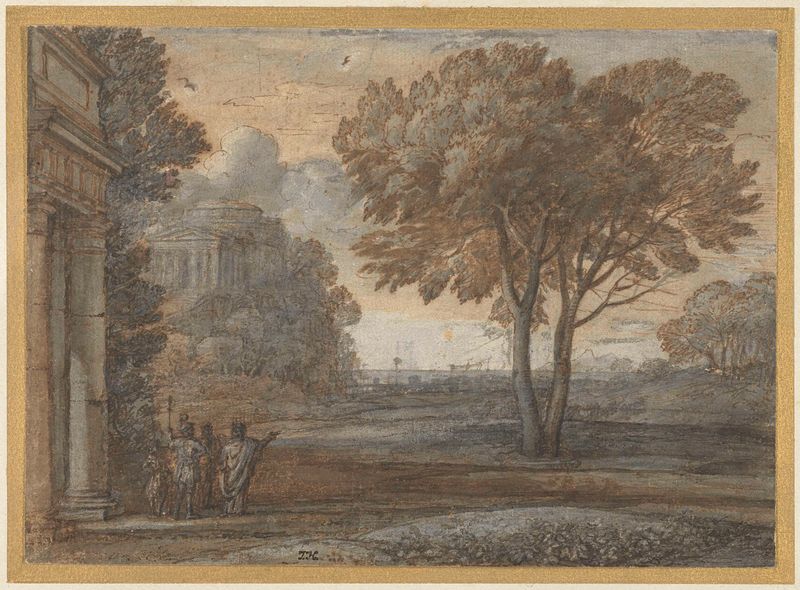
Aeneas op Delos
Claude Lorrain
More Historical Art
Browse all →
The Night Watch Militia Company of District II under the Command of Captain Frans Banninck Cocq
Rembrandt van Rijn
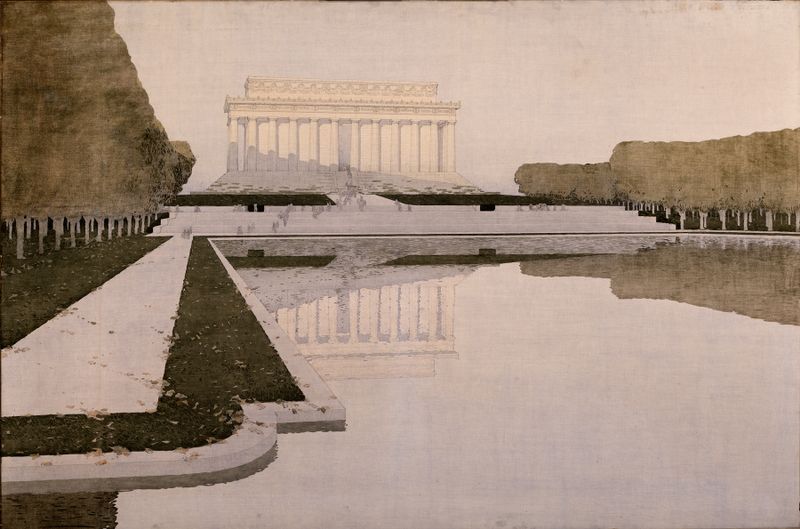
Lincoln Memorial
Henry Bacon
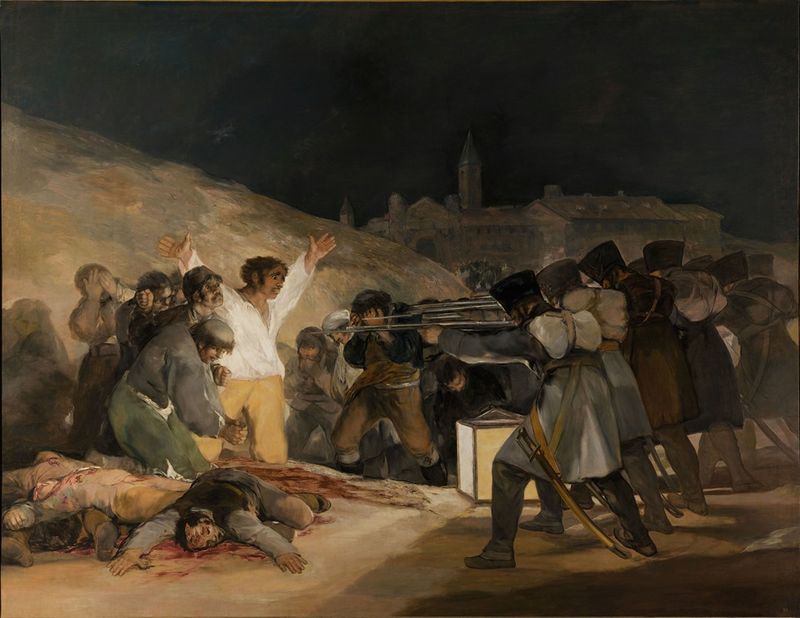
The Third of May 1808
Francisco de Goya

Isaac and Rebecca, Known as ‘The Jewish Bride’
Rembrandt van Rijn
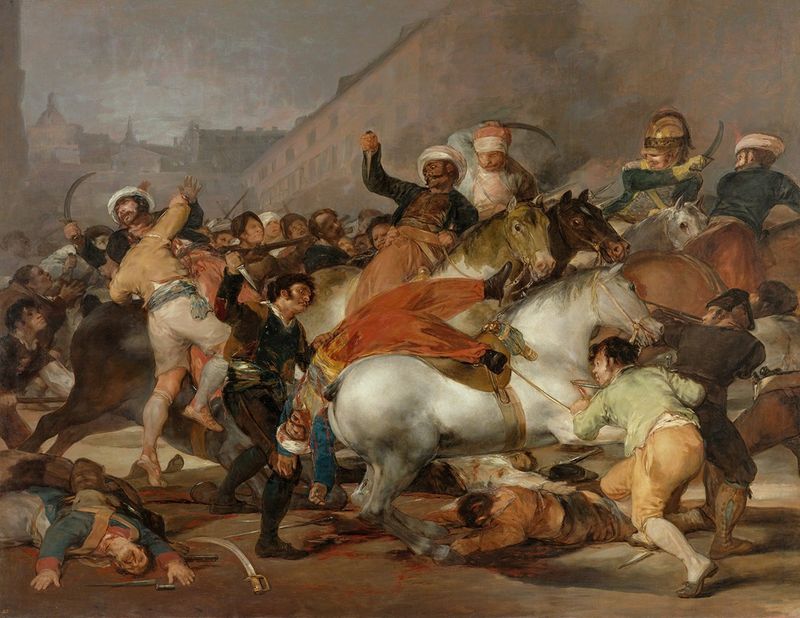
The Charge of the Mamelukes (1814)
Francisco de Goya

De vier ruiters van de apocalyps
Albrecht Dürer