
Jakobus de Mindere van balkon gegooid — History & Facts
Is this a mirror — or a memory? The haunting presence of loss lingers in the viewer's mind as they gaze upon the canvas. Focus on the center of the composition, where the figure of Jakobus emerges, cast in somber tones reminiscent of twilight. The artist employs rich earth tones and subtle highlights to breathe life into this moment of tension. Notice how the surrounding figures, shrouded in dark shadows, create an atmosphere of unease, their gestures oscillating between anguish and indifference.
Each brushstroke encompasses not just the physical forms, but the weight of history and the echoes of a fateful decision. Delve deeper into the symbolism woven within the painting. The balcony serves as a precipice, embodying the chasm between life and death, hope and despair. The contrasting expressions on the onlookers' faces reveal the complexity of human emotions in the wake of tragedy—a silent witness to the unfolding drama.
There is a palpable tension in their inaction, a commentary on society’s relationship with loss, suggesting that sometimes silence speaks louder than words. During the years 1510 to 1514, the artist, immersed in the vibrant cultural milieu of the Northern Renaissance, was exploring themes of morality and human experience. Working in Wittenberg, Cranach's artistic vision was shaped by social and religious upheaval, reflecting the community's grappling with faith and the consequences of choices. This painting not only captures a moment but also invites contemplation of the broader human narrative.
More Artworks by Lucas Cranach (I)
Browse all →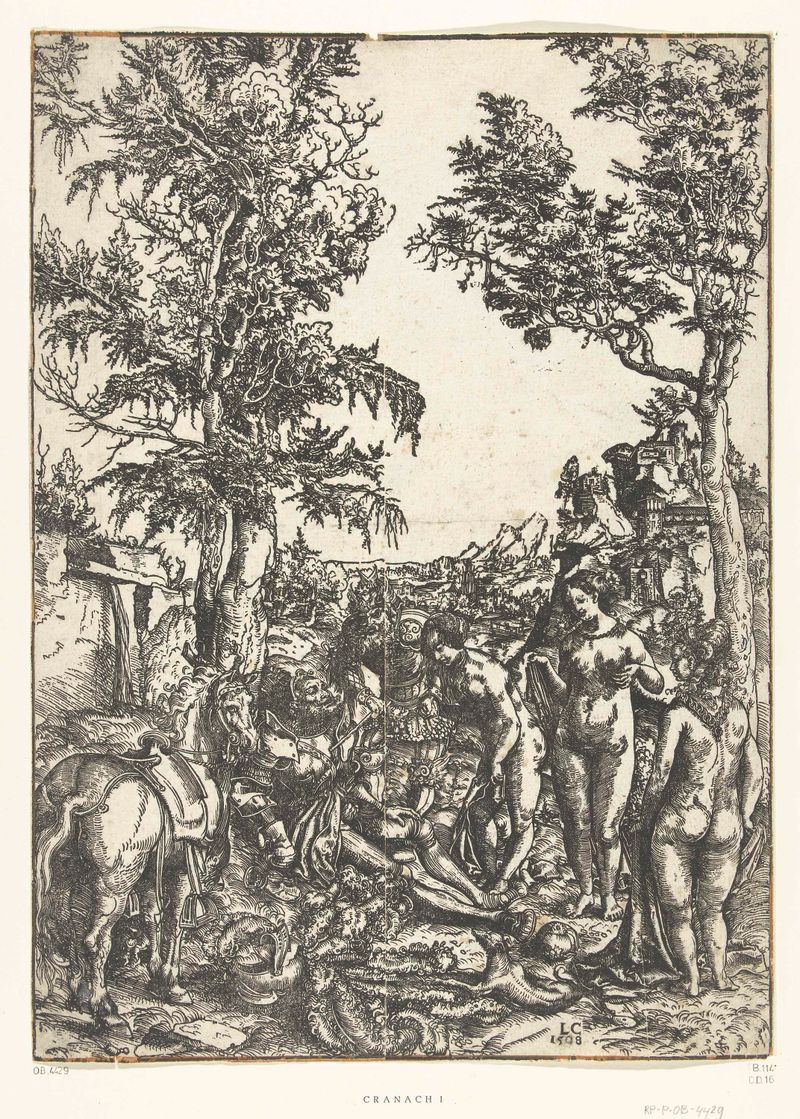
Oordeel van Paris
Lucas Cranach (I)
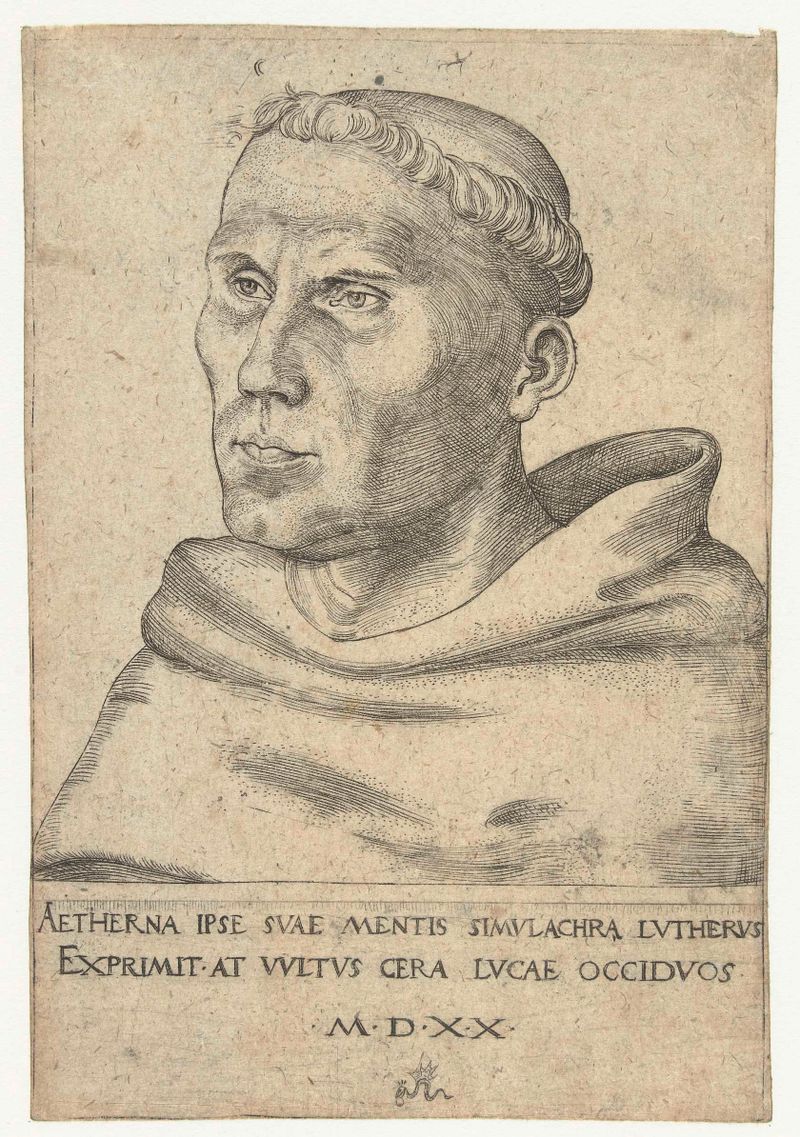
Portret van Martin Luther als Augustijner monnik
Lucas Cranach (I)
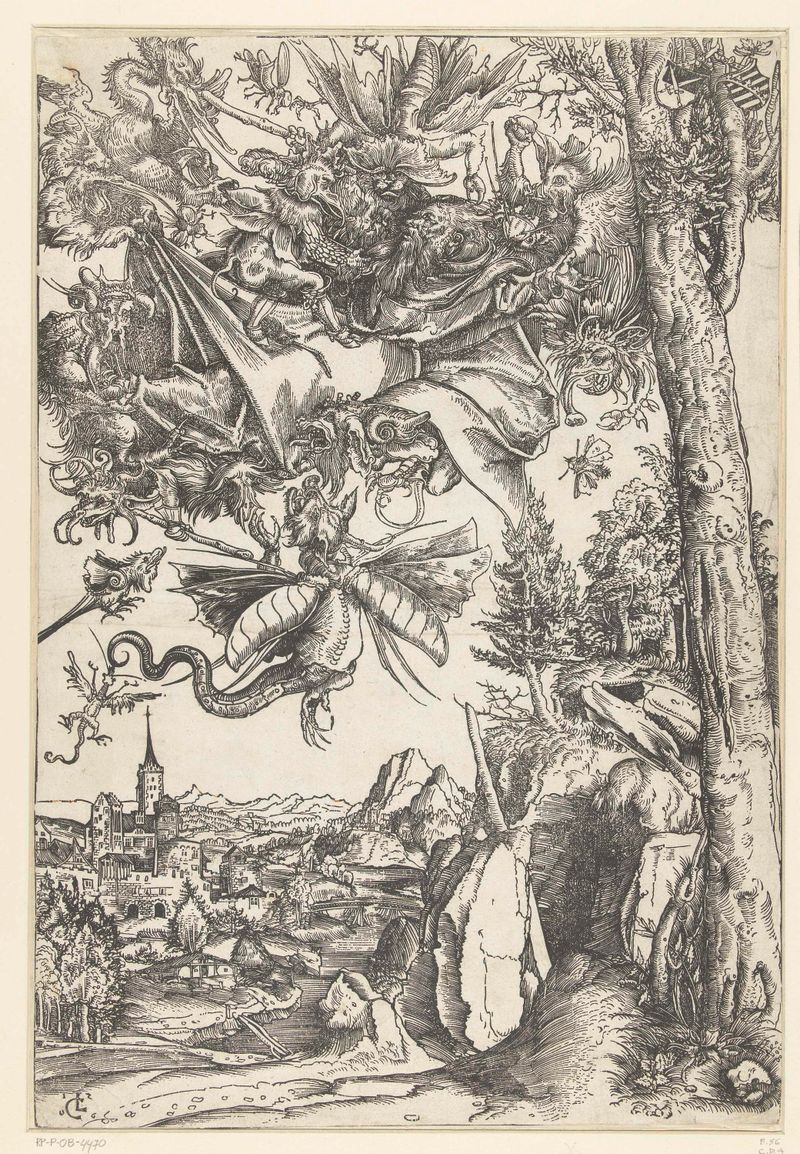
Verzoeking van Antonius met aanval door demonen
Lucas Cranach (I)

Christus en de Samaritaanse vrouw
Lucas Cranach (I)

Duits toernooi met twee edelmannen als ridders te paard
Lucas Cranach (I)
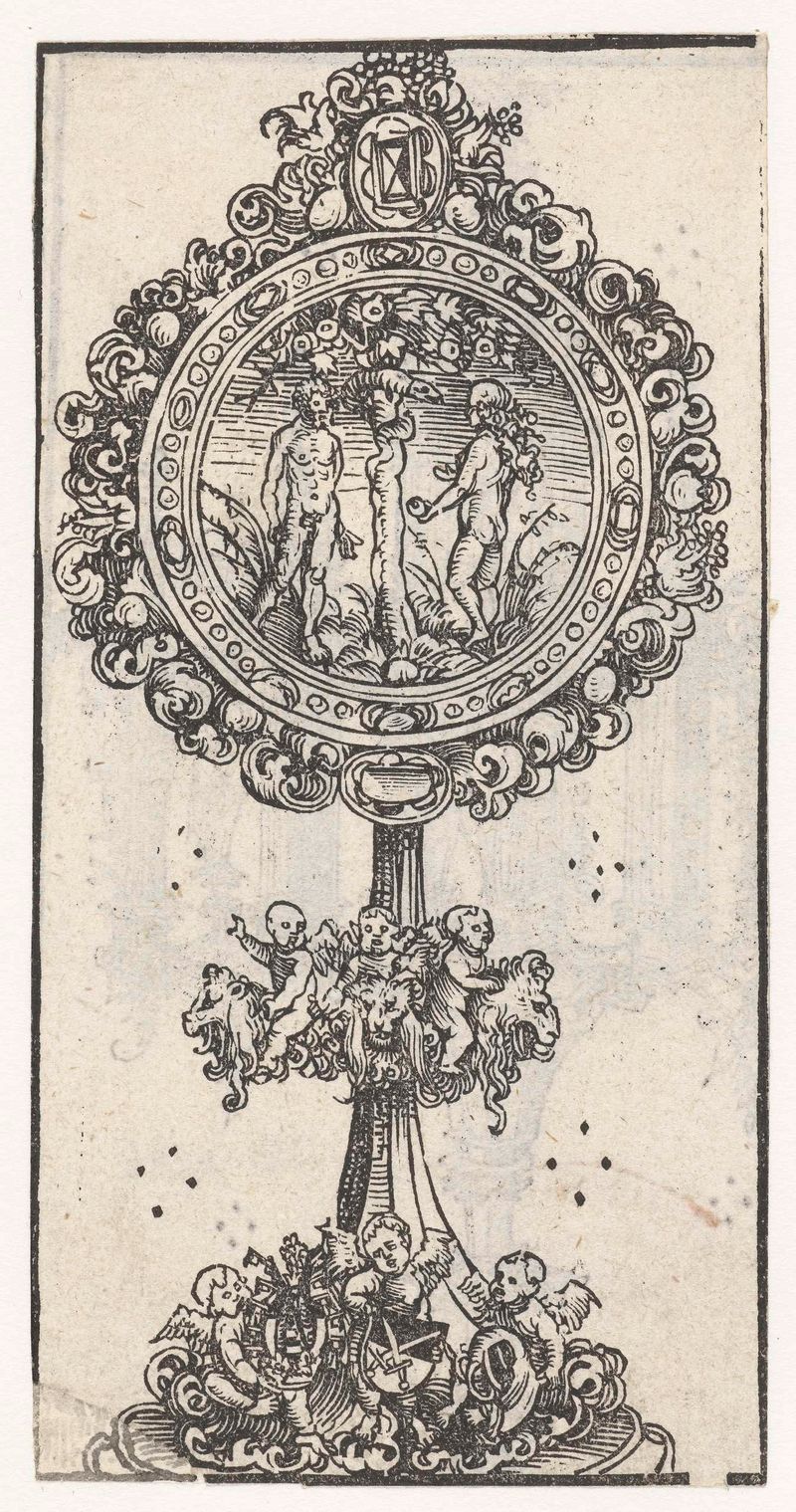
Reliekhouder met de verzoeking van Adam en Eva
Lucas Cranach (I)

Intocht van Christus in Jerusalem
Lucas Cranach (I)
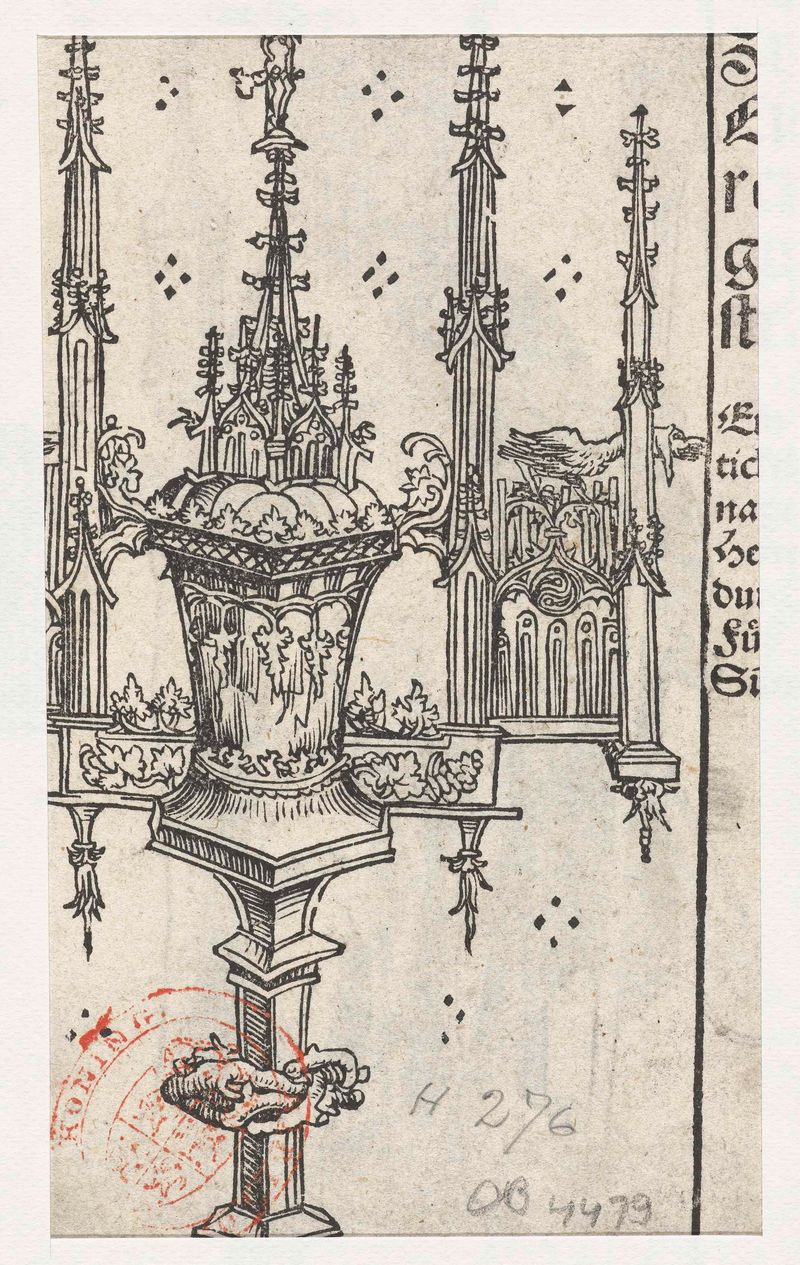
Monstrans met vogel (pelikaan)
Lucas Cranach (I)
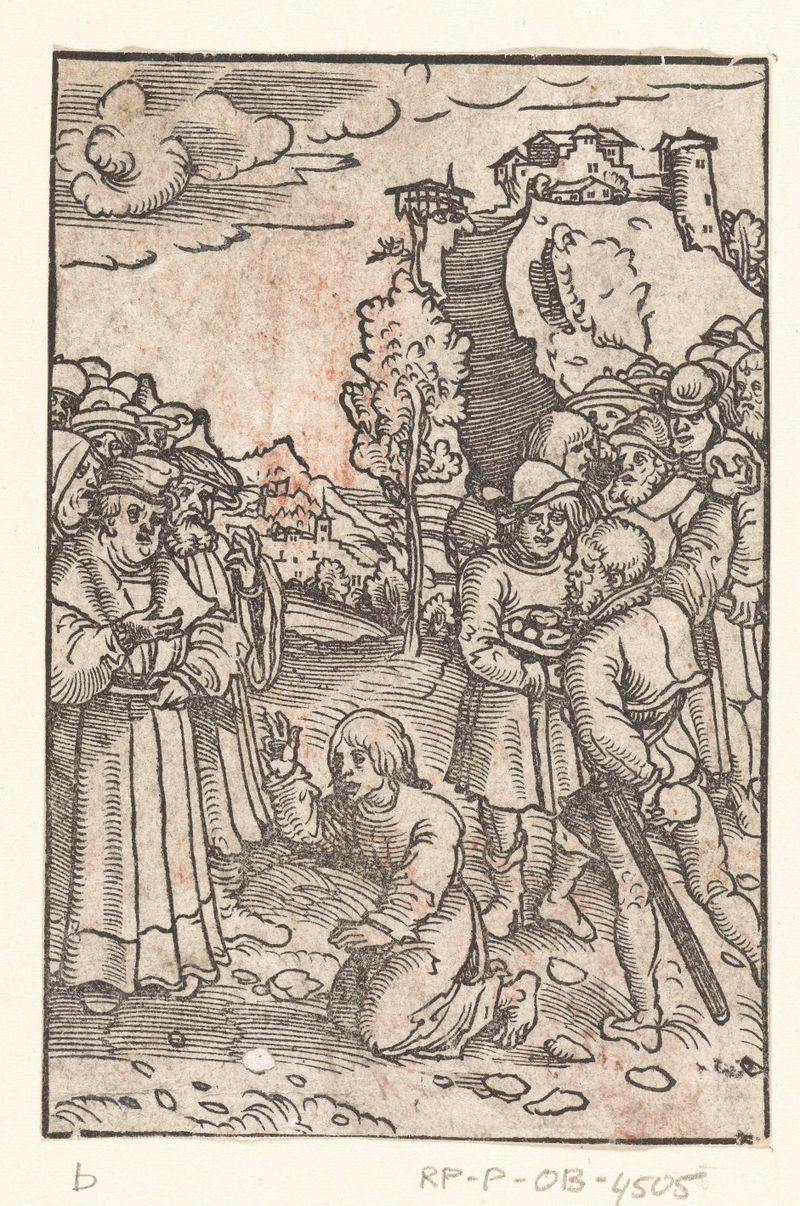
Steniging van Stefanus
Lucas Cranach (I)
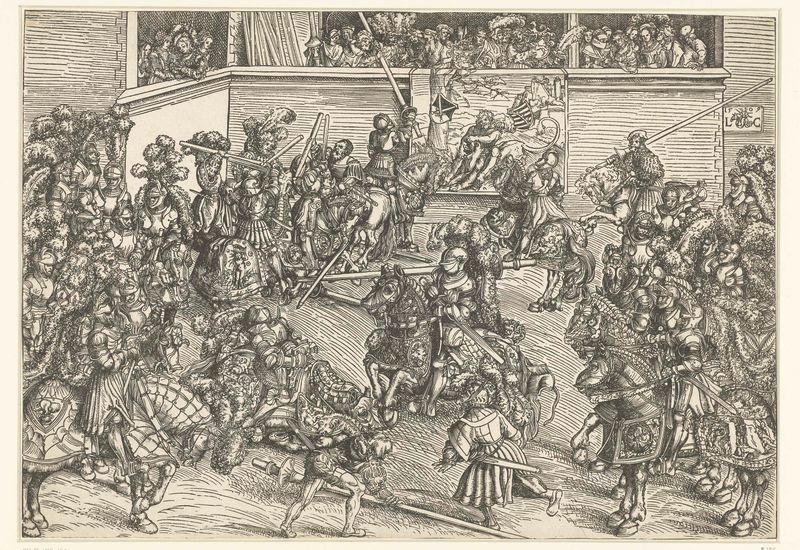
Toernooi van het keurvorstelijk hof van Saksen met wandtapijt Simson doodt de leeuw
Lucas Cranach (I)
More Religious Art
Browse all →
The Return of the Prodigal Son
Rembrandt van Rijn

The Garden of Earthly Delights
El Bosco

Count Orgaz’ funeral
El Greco

The Hundred Guilder Print: the central piece with Christ preaching, the plate arched
Rembrandt van Rijn

The Descent from the Cross
Rogier van der Weyden

The return of the prodigal son
Rembrandt van Rijn