
Jami Masjid, Delhi — History & Facts
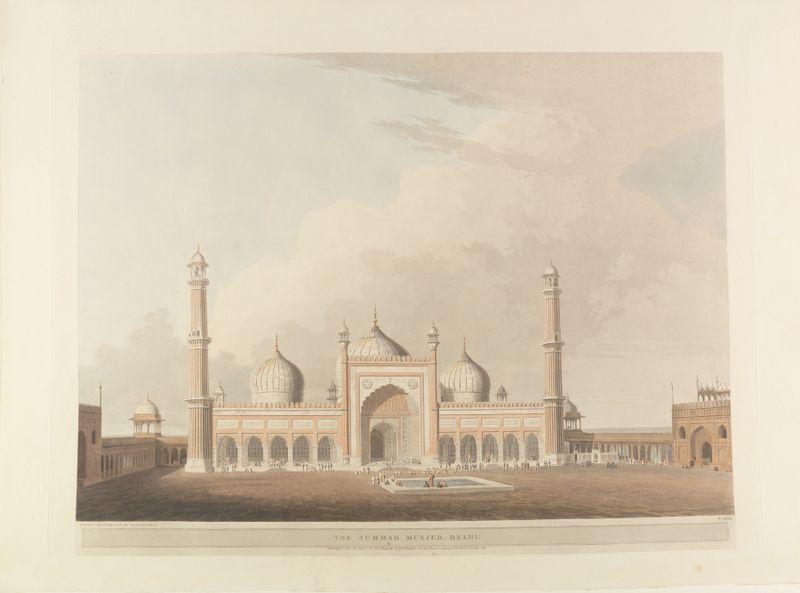
Is this a mirror — or a memory? In Jami Masjid, Delhi, the essence of yearning captures a transformative longing for a world both lost and preserved in time. Look to the left at the grand façade of the mosque, its magnificent arches reflecting the splendor of Mughal architecture. Notice the soft shades of terracotta and cream, where the warm earth tones evoke both the heat of the Indian sun and the intimate embrace of history. The artist skillfully employs light, allowing it to dance across the surface, illuminating intricate carvings that whisper stories of devotion and serenity.
Every stroke tells of reverence and awe, guiding the viewer through a realm of elegance and grace. Delve deeper, and you’ll find the contrast between the bustling life surrounding the mosque and the stillness of its sacred space. The figures in the foreground, mere silhouettes, seem to enact a ritual of remembrance, their movements echoing an age-old dance of faith and community. Meanwhile, the towering structure stands as a silent sentinel, embodying hope amidst the chaos, a sanctuary captured in time yet pulsating with untold narratives.
This delicate interplay of presence and absence invites viewers to reflect on their own connections to places of worship and memory. Created in 1811 during Thomas Daniell's travels through India, this work reflects his deep engagement with the cultural landscape of his surroundings. At this time, Europe was experiencing a burgeoning interest in the East, fueled by colonial expansion and romanticized visions of Indian life. Daniell's paintings, infused with a blend of artistic observation and personal interpretation, represent a pivotal moment when Western artists began to embrace and document the untamed beauty of Indian architecture and spirituality.
More Artworks by Thomas Daniell
Browse all →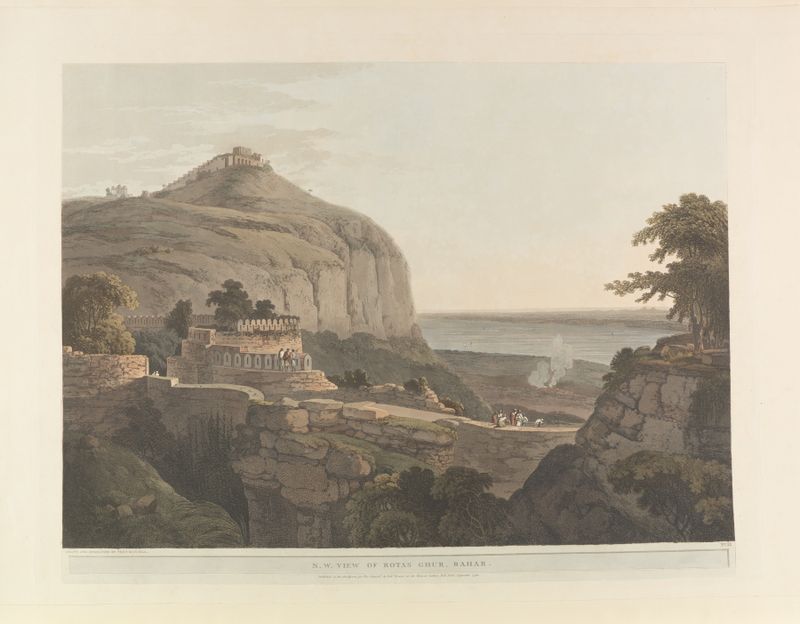
Oriental scenery Pl.20
Thomas Daniell
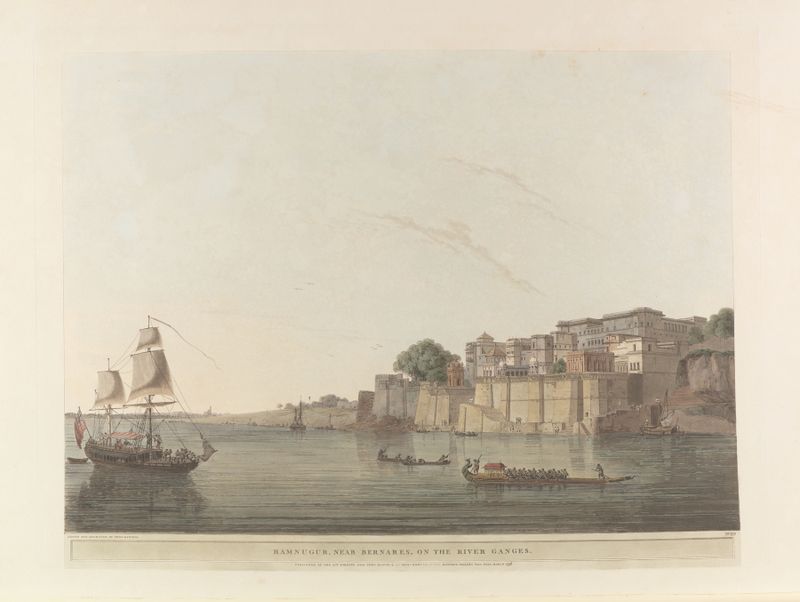
Oriental scenery Pl.14
Thomas Daniell
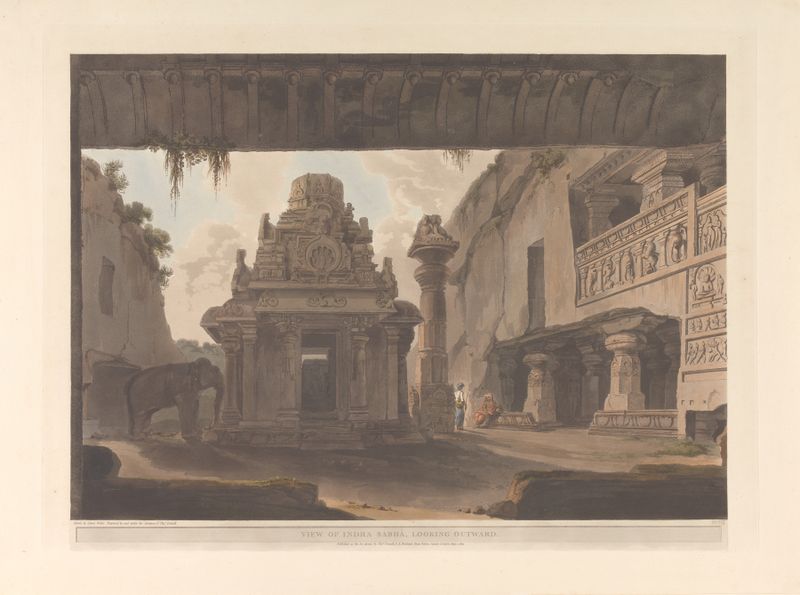
Oriental scenery Pl.32
Thomas Daniell
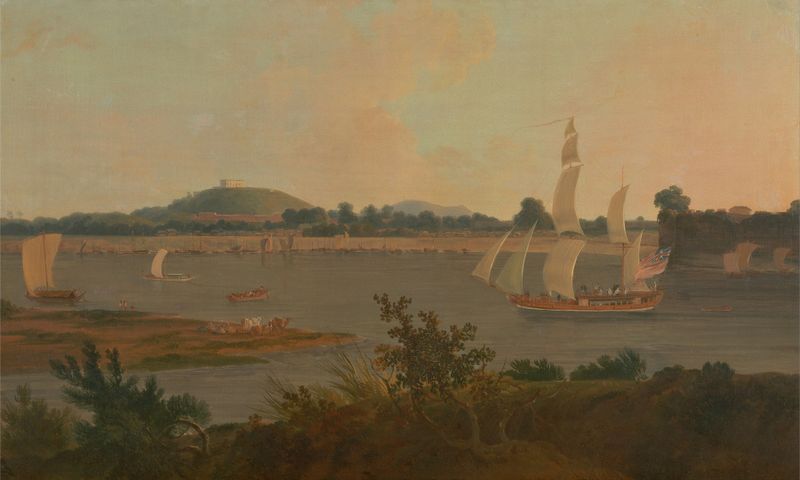
Pinnace sailing down the Ganges past Monghyr Fort
Thomas Daniell
Oriental scenery Pl.23
Thomas Daniell
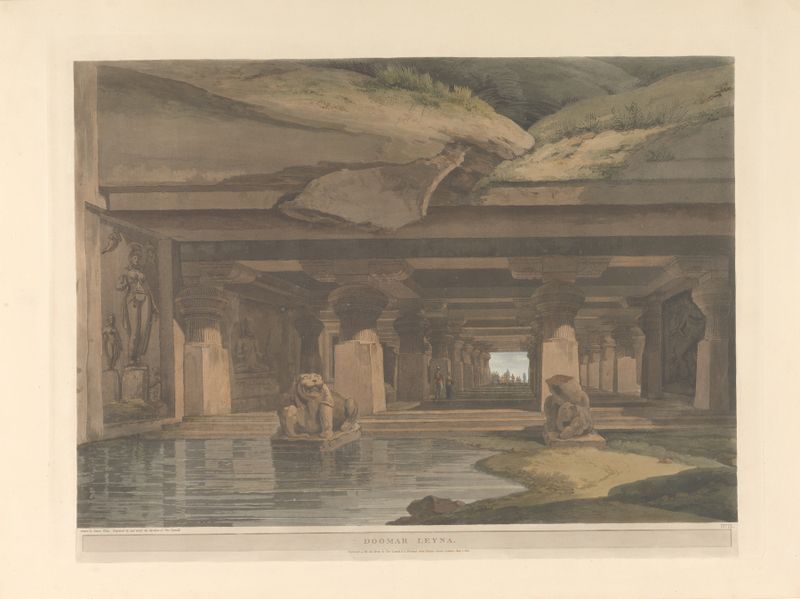
Oriental scenery Pl.34
Thomas Daniell
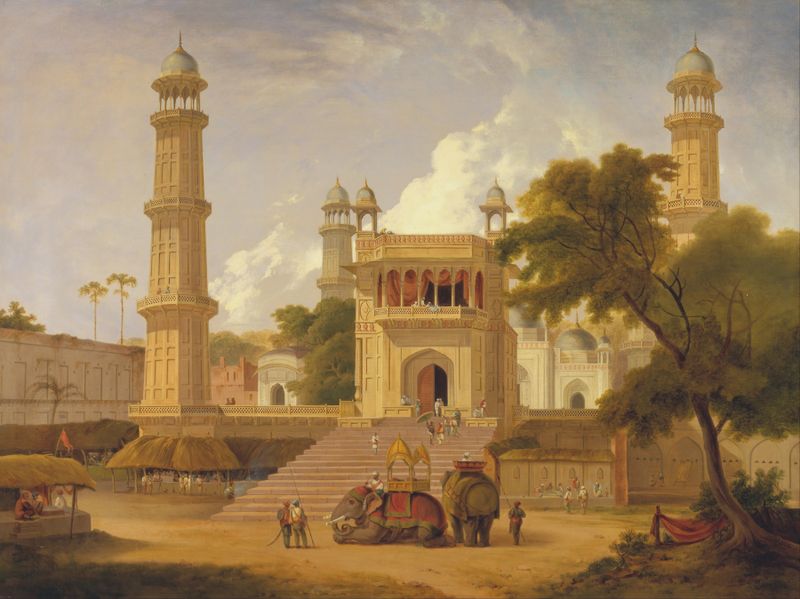
Indian Temple, Said to Be the Mosque of Abo-ul-Nabi, Muttra
Thomas Daniell
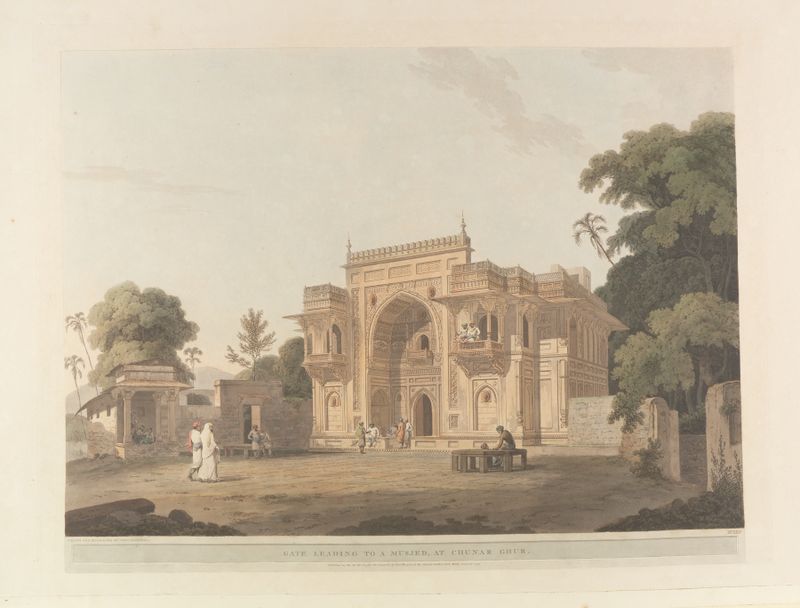
Oriental scenery Pl.24
Thomas Daniell
Oriental scenery Pl.05
Thomas Daniell

Aurangzeb’s Mosque
Thomas Daniell
More Architecture Art
Browse all →
The statue of Liberty
Frédéric Auguste Bartholdi

View of Houses in Delft, Known as ‘The Little Street’
Johannes Vermeer

View of Houses in Delft, Known as ‘The Little Street’
Johannes Vermeer

The Cathedral in Rouen. The portal, Grey Weather
Claude Monet

The yellow house
Vincent van Gogh

The Church in Auvers-sur-Oise, View from the Chevet
Vincent van Gogh