
Japanese Girl (The Musmee) — History & Facts
A hush of stillness radiates from Japanese Girl (The Musmee), drawing the viewer into a private moment that feels both delicate and unguarded. The young woman’s gaze, turned over her shoulder, holds a quiet self-possession—her eyes neither inviting nor shying away, but simply meeting the world as it is. The artist has wrapped her in a kimono that seems to shimmer with subtle patterns, each fold and shadow rendered with a care that suggests both the weight and the softness of the fabric.
The fan she cradles becomes more than an accessory; it is a shield, a companion, or perhaps just a pause in her day, its round form echoing the gentle curve of her cheek. Created in 1891, this work belongs to a moment when Western artists were captivated by Japanese aesthetics, a fascination that shaped entire movements and changed the course of modern art. Japanese Girl (The Musmee) stands as a quiet testament to that era, when artists and collectors alike sought out images of daily life in Japan, often filtered through their own longing for something unspoiled by industrial modernity. Little is recorded about this particular piece beyond its presence in the Smithsonian American Art Museum’s collection, its modest scale suggesting it was meant for intimate contemplation rather than grand display.
The image lingers in the mind, inviting you to return and wonder what stories might lie behind that poised, inscrutable glance.
More Artworks by Helen Hyde

Moonlight on the Viga Canal) - HH (monogram) LCCN0065
Helen Hyde
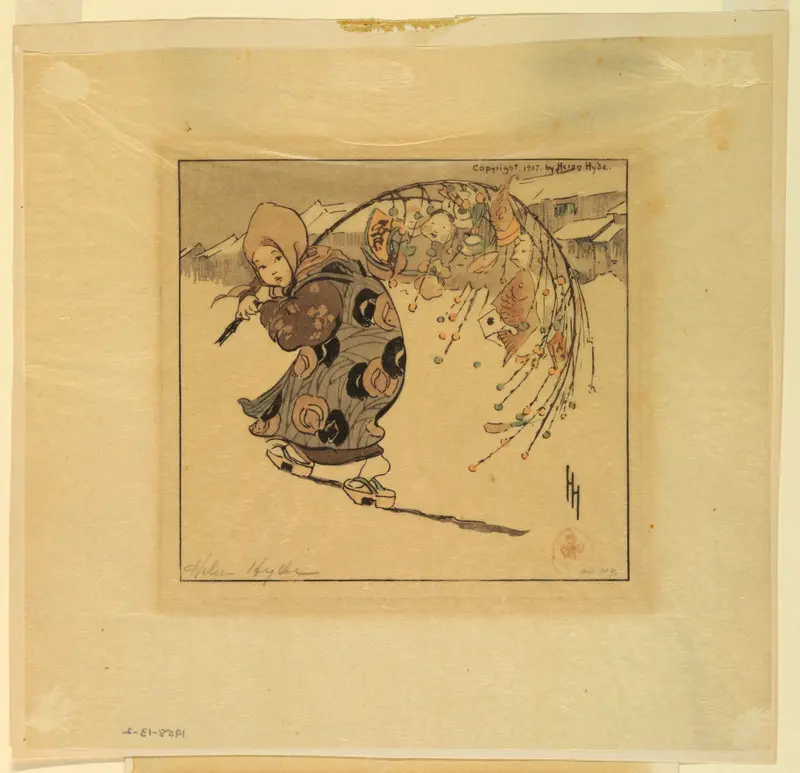
Print, The Good Luck Branch
Helen Hyde
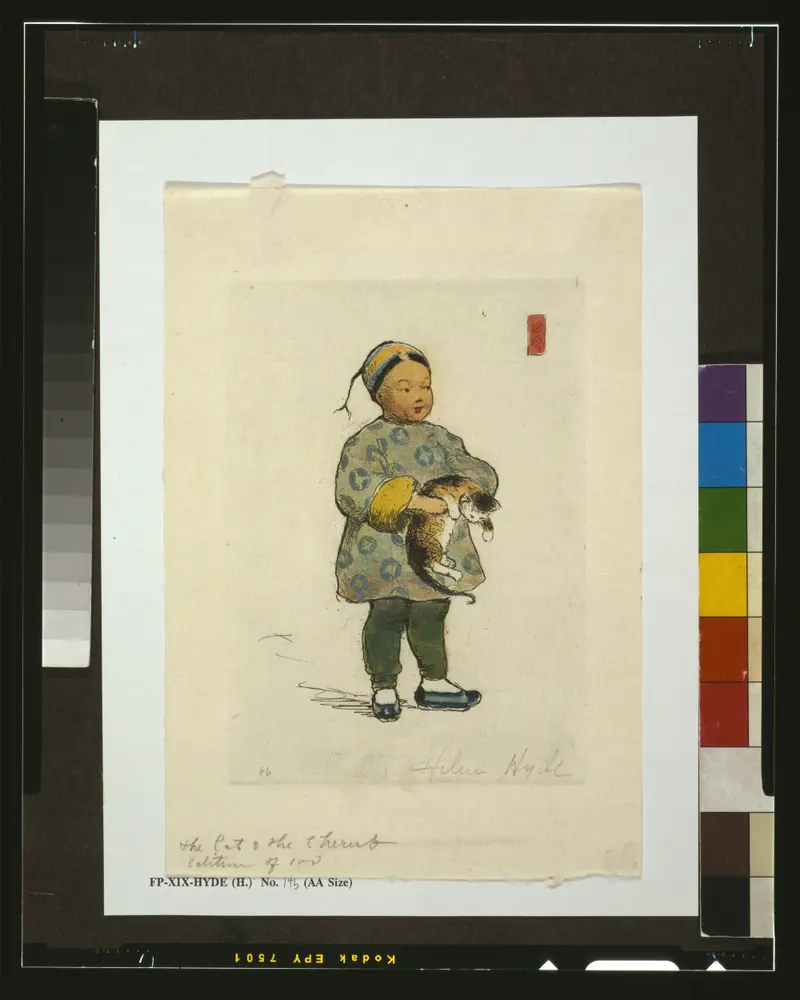
The cat and the cherub LCCN200367
Helen Hyde

Hon(orable Mr) cat - HH (monogram). LCCN200367
Helen Hyde
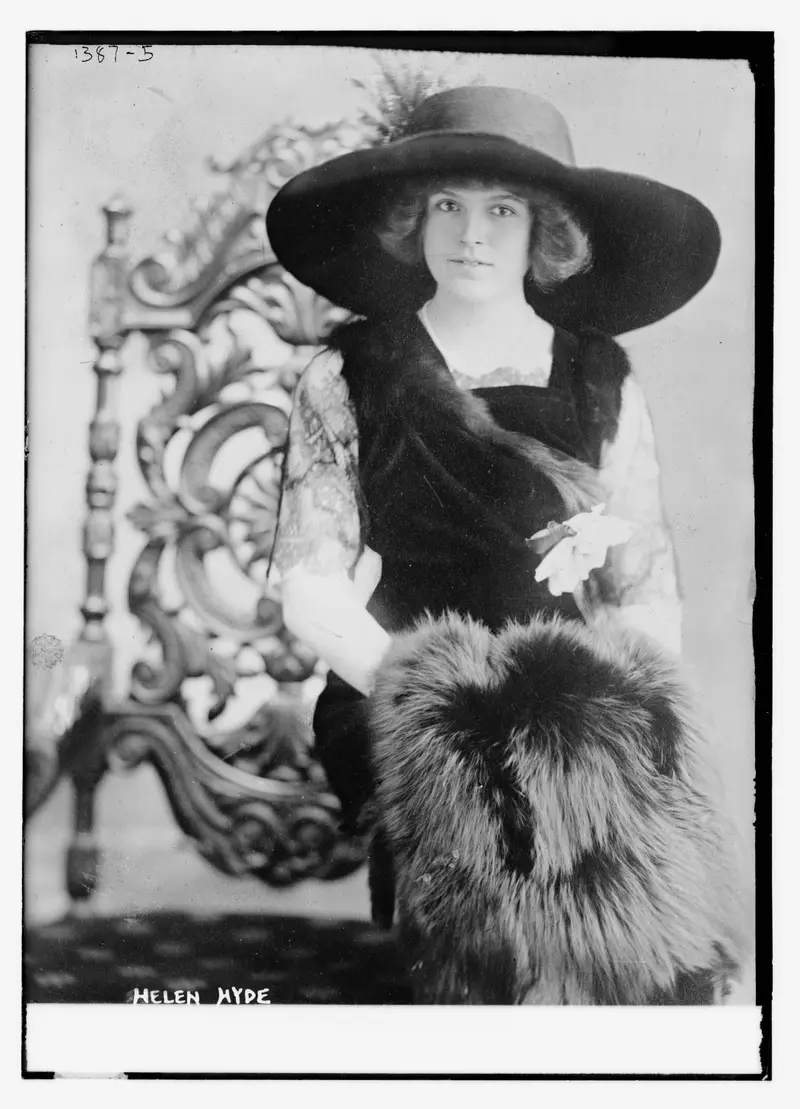
Helen Hyde LCCN201468
Helen Hyde
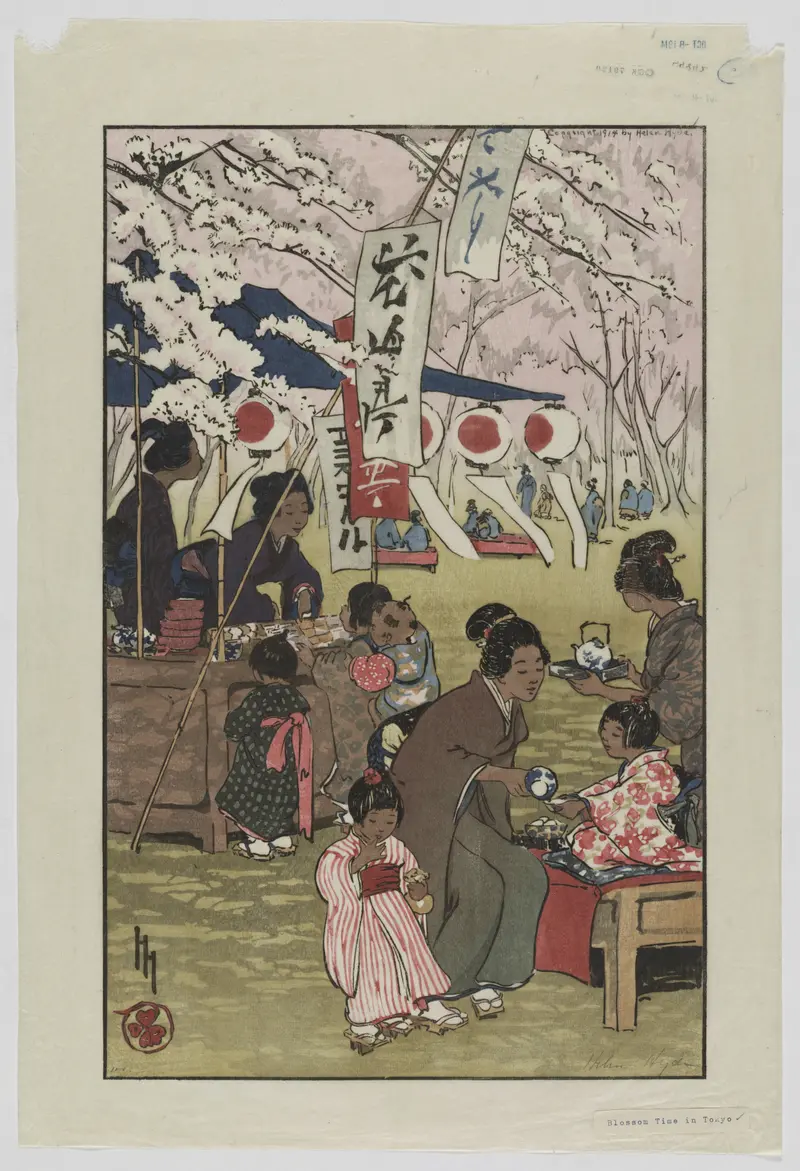
Blossom time in Tokyo) - HH (monogram) LCCN0065
Helen Hyde
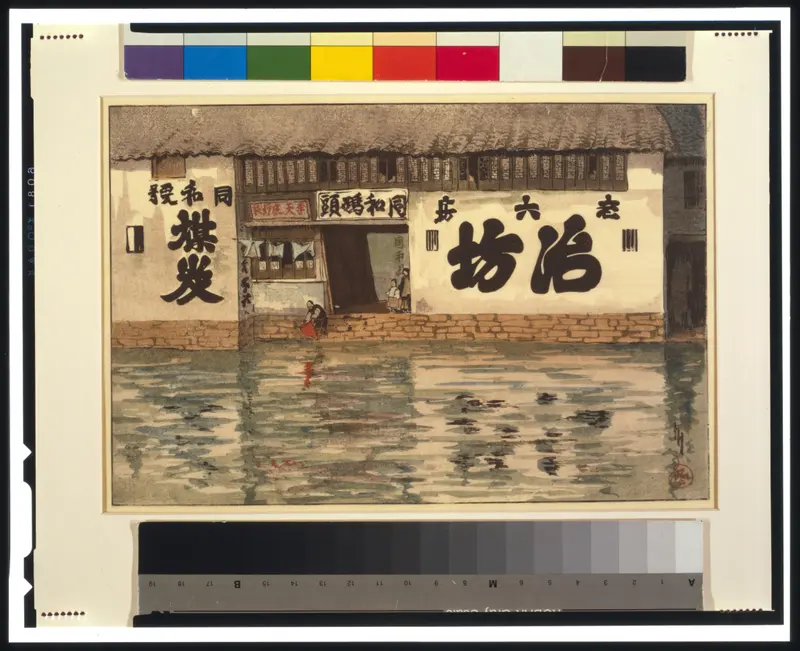
The sauce-pan shop) - HH (monogram) LCCN0065
Helen Hyde

New Year's Day in Tokyo
Helen Hyde
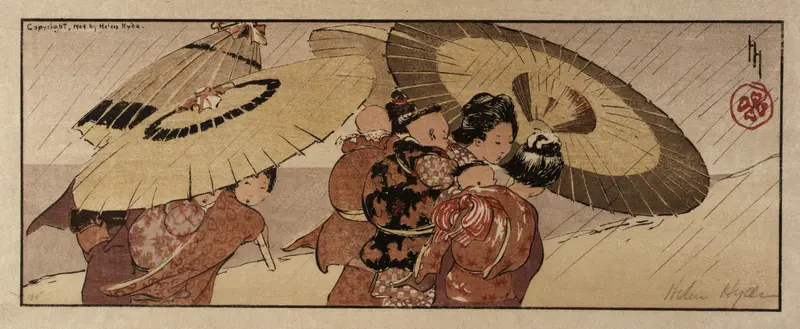
A Summer Shower
Helen Hyde
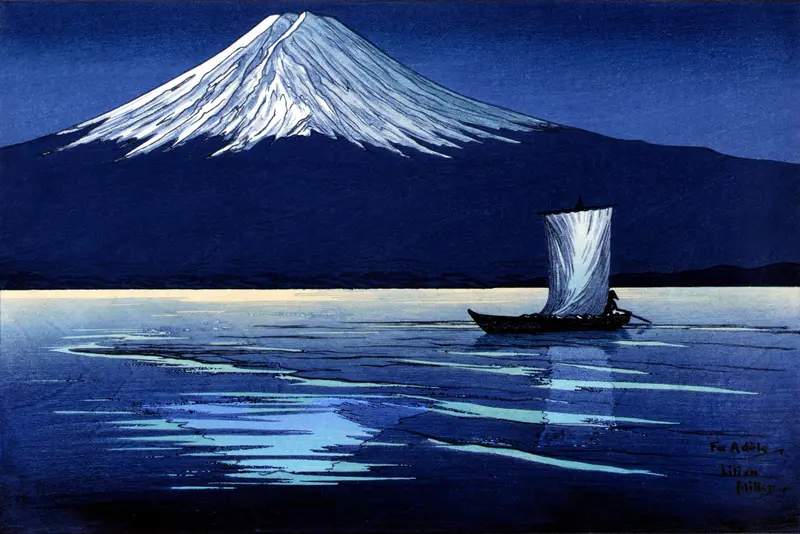
Moonlight on Mt. Fuji
Helen Hyde





