Jäder — History & Facts
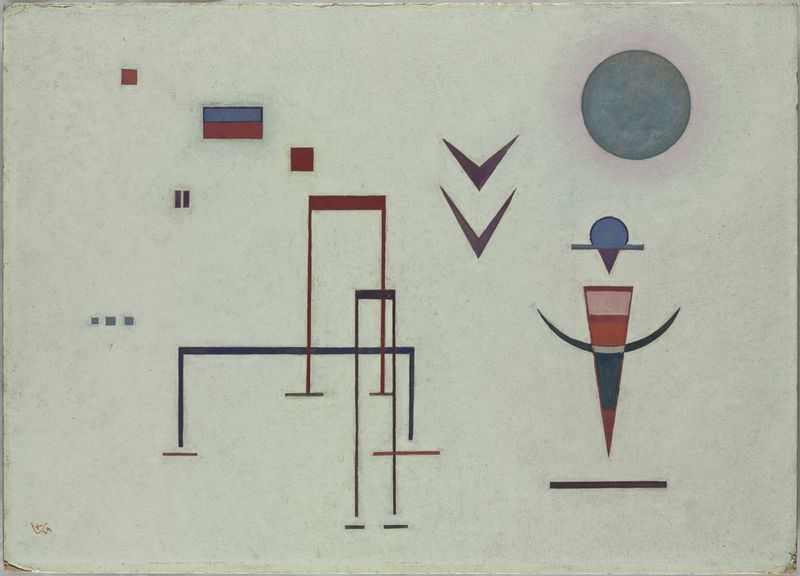
In its stillness, it invites us to contemplate the fluidity of movement and the passage of time. What stories lie hidden within its depths, urging us to peer beyond the surface? Look to the center of the composition, where a dynamic swirl of colors draws your eye. The vibrant hues of blue and green dance together, suggesting a convergence of forces, while the soft, textured brushstrokes evoke a sense of gentle motion.
Notice how the lighter tones blend seamlessly into darker shades at the edges, creating a sense of depth and inviting the viewer to navigate the transitions between light and shadow. The harmonious yet chaotic arrangement of forms adds a palpable energy that engages the viewer’s imagination. Within this piece, we can discern the tension between chaos and order, evoking a feeling of suspended animation. The contrast of fluid shapes against the more structured background hints at the duality of existence — the inevitable change that life brings, juxtaposed with our attempts to maintain stability.
Each stroke whispers tales of movement, while the stillness of the canvas amplifies the emotions hidden within the flow of colors. During the years 1915 to 1924, the artist explored a shift in the art world, as movements like expressionism and modernism began to flourish. Boberg, influenced by the transformations around him and the tumult of the time, sought to capture the essence of change in Jäder, reflecting both personal and societal uncertainties while simultaneously celebrating the beauty of dynamic forms.
More Artworks by Ferdinand Boberg
Browse all →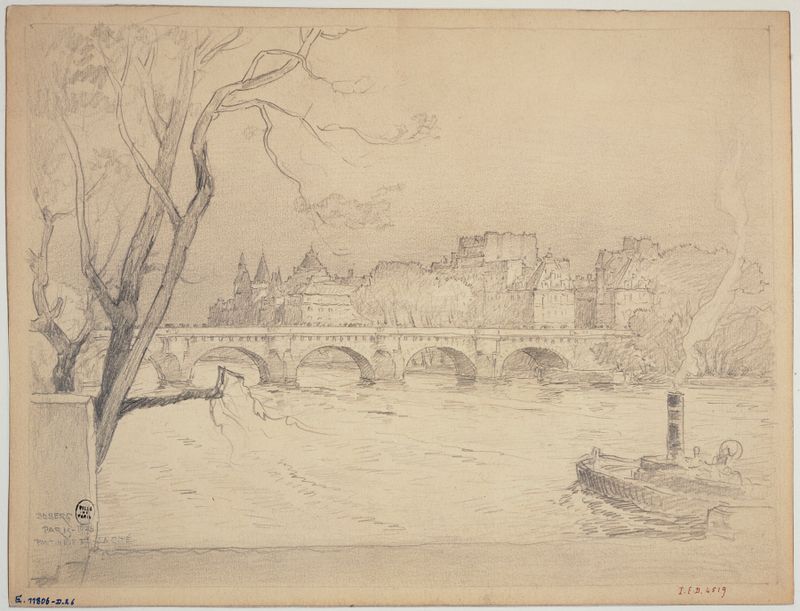
Le Pont-Neuf et la Cité
Ferdinand Boberg
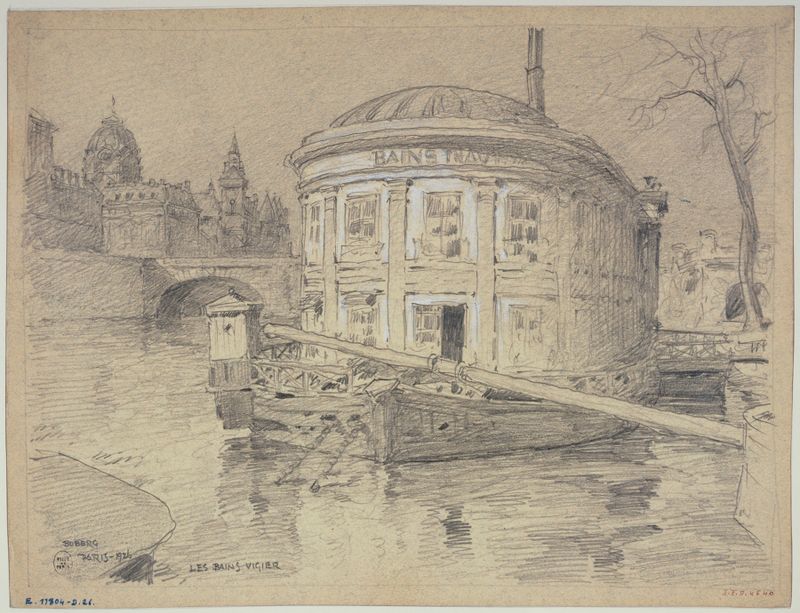
Les bains Vigier au Pont-Neuf
Ferdinand Boberg
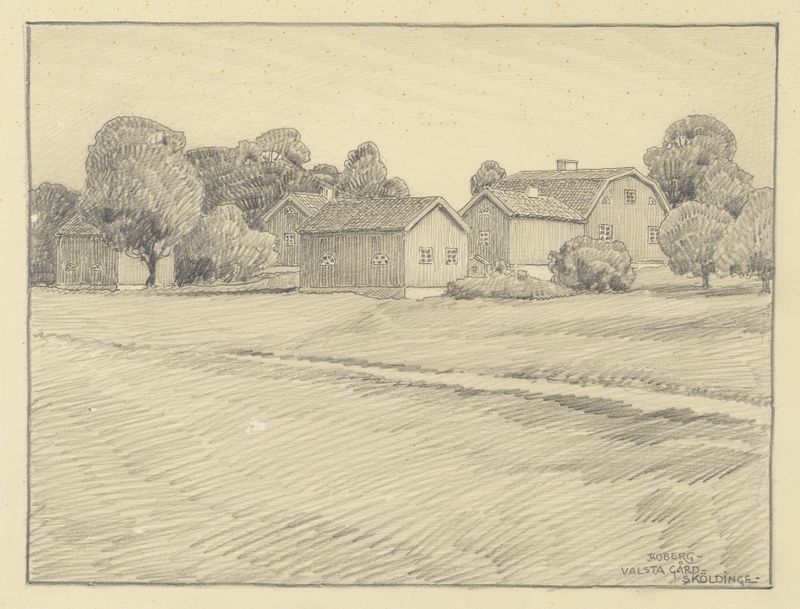
Valsta Gård
Ferdinand Boberg
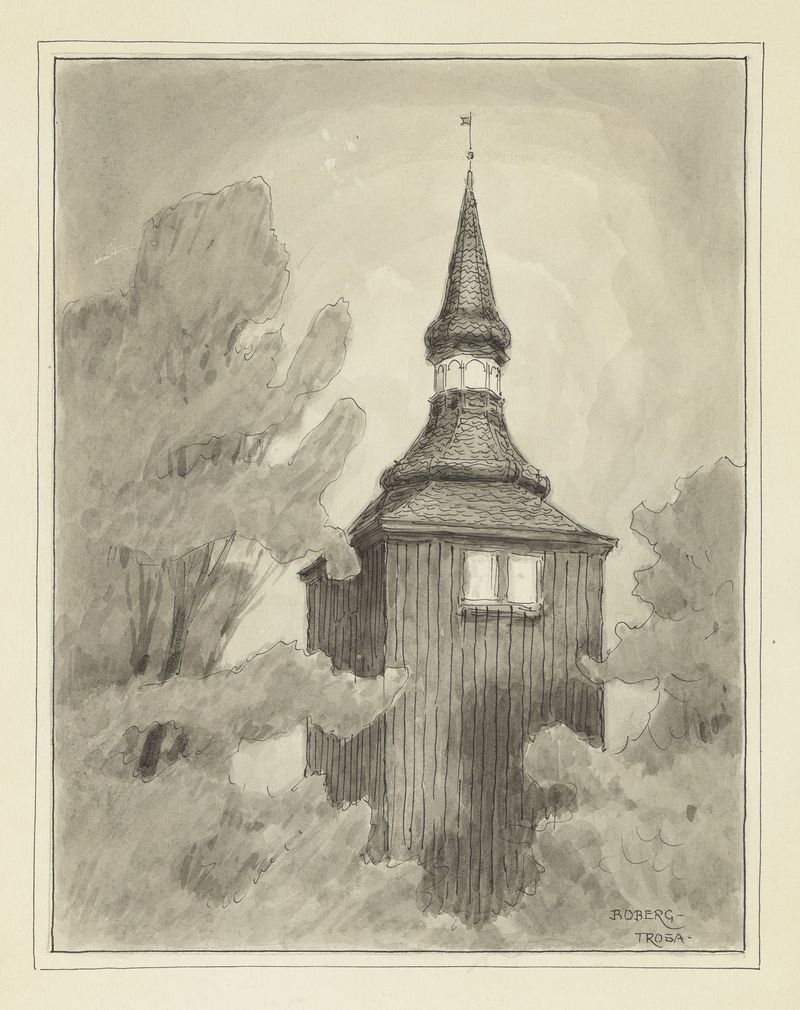
Trosa
Ferdinand Boberg
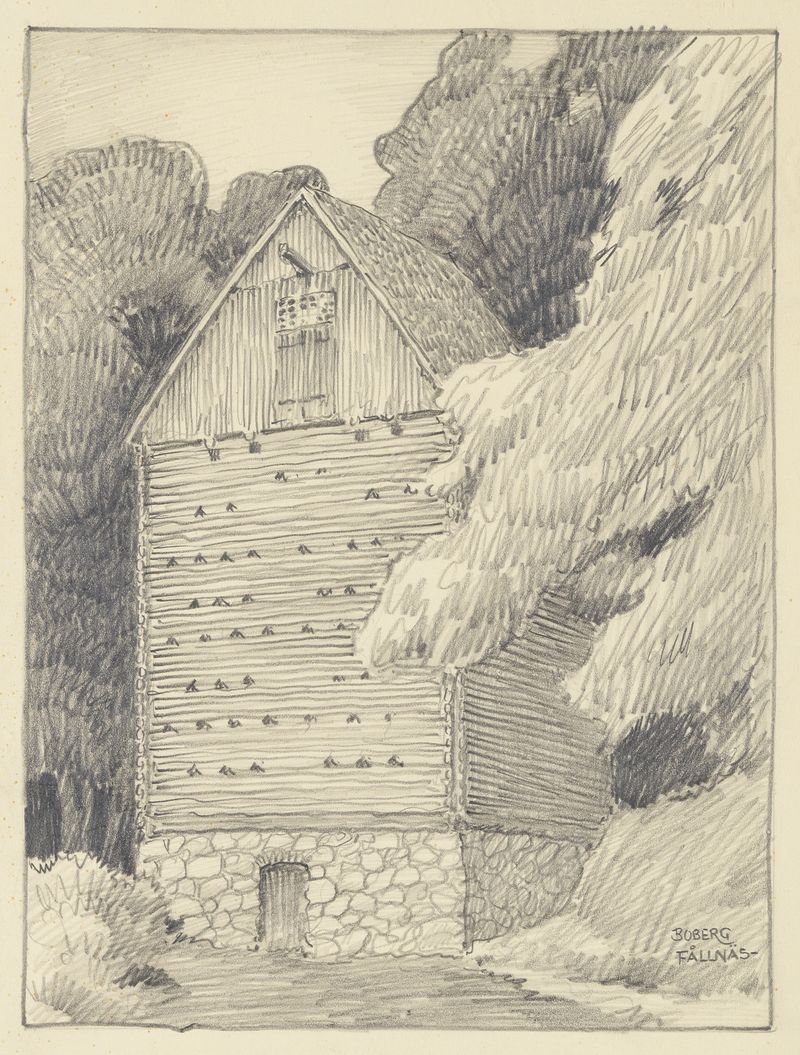
Fållnäs
Ferdinand Boberg
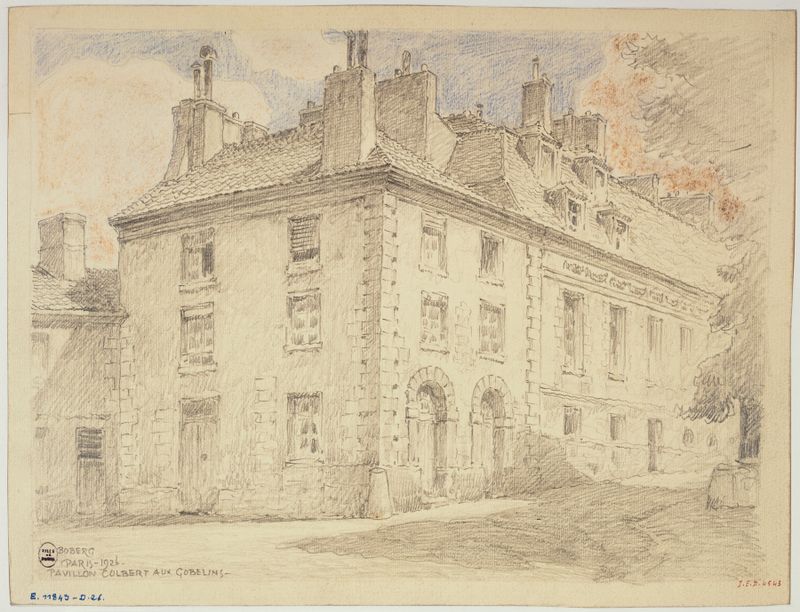
Le pavillon Colbert aux Gobelins
Ferdinand Boberg
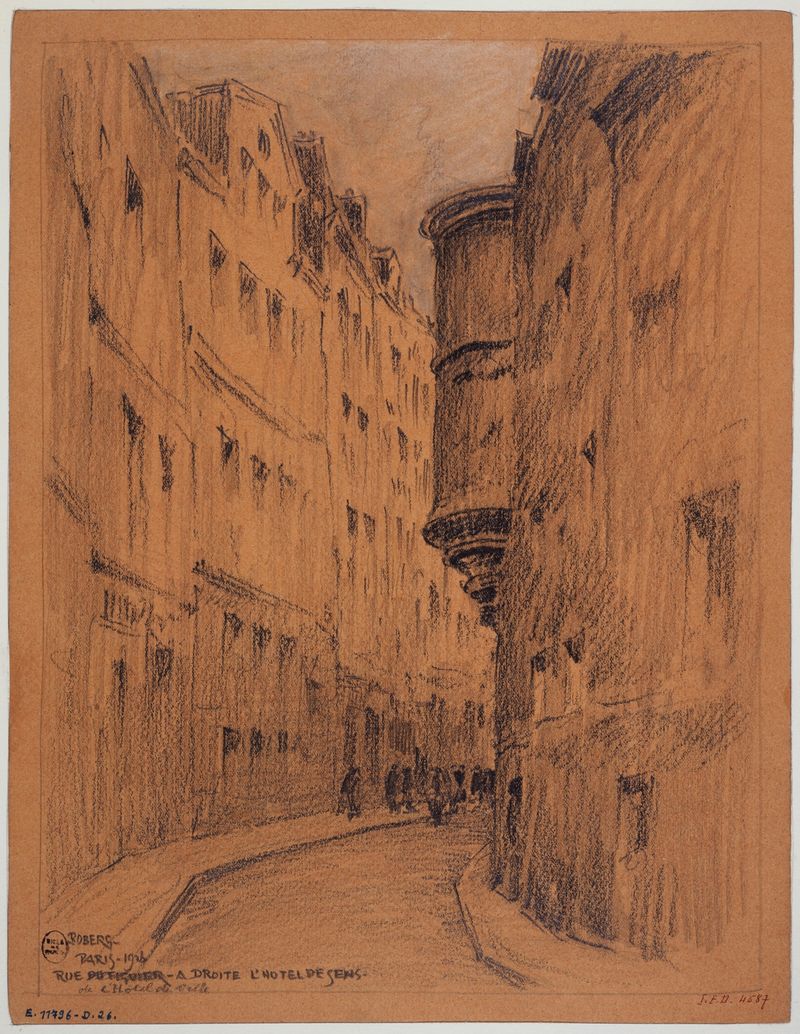
Rue de l’Hôtel de Ville; l’hôtel de Sens
Ferdinand Boberg
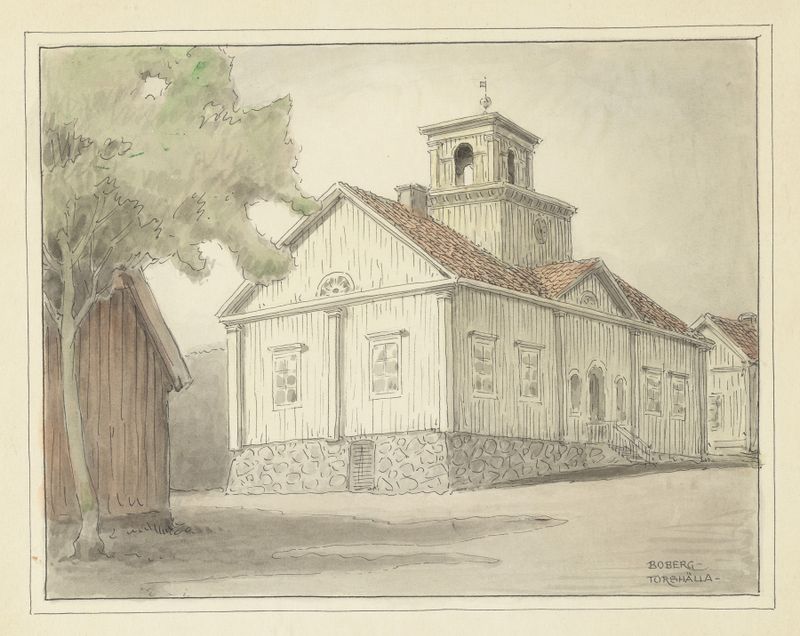
Torshälla
Ferdinand Boberg
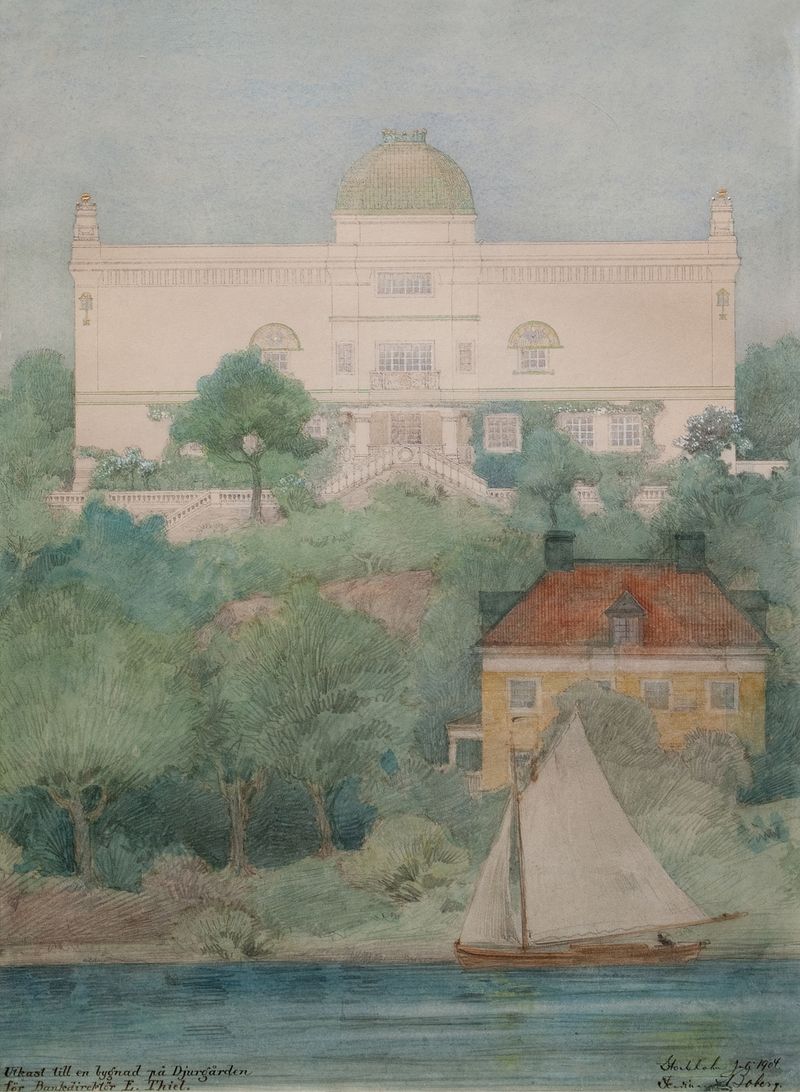
Sketch for a building for Thiel’s Gallery
Ferdinand Boberg
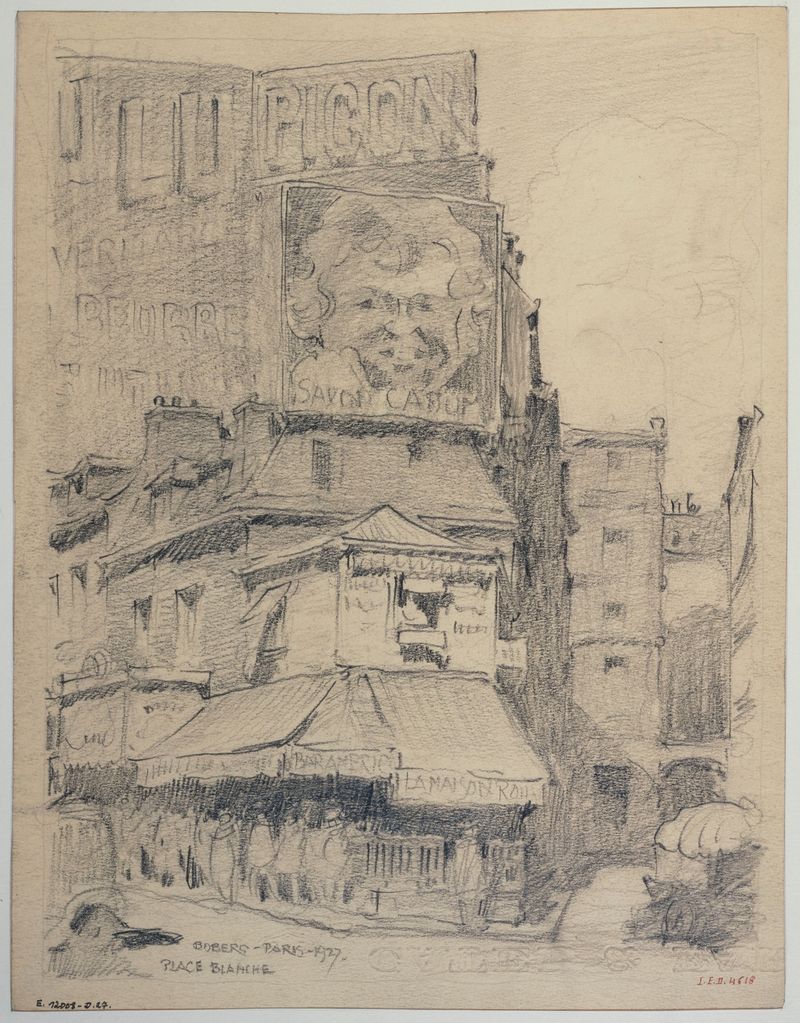
La place Blanche
Ferdinand Boberg