
Jean Alexandre portrait — History & Facts
When Amedeo Modigliani painted Jean Alexandre portrait in 1909, he was still a relative newcomer to Paris, yet already forging the distinct style that would later make his name. The sitter, Jean Alexandre, remains a somewhat enigmatic figure—neither a famous patron nor a well-documented friend—adding an air of mystery to the work. This portrait is among the earliest surviving examples of Modigliani’s experiments with elongation and mask-like faces, a direction that would soon become his signature.
Scholars note that the painting marks a turning point: Modigliani was moving away from the academic realism of his Italian training toward the more radical, expressive forms inspired by his encounters with the Parisian avant-garde. In the painting, Jean Alexandre sits upright, his gaze direct yet remote, framed by a dark, undefined background. Modigliani’s brushwork is loose and searching, the facial features elongated and stylized, with almond-shaped eyes that seem to drift between presence and introspection. The sitter’s hands are rendered with particular care, resting quietly, perhaps suggesting a moment of conversation interrupted or a pause in thought.
Unlike the psychological intensity of Van Gogh’s portraits, Modigliani’s approach is cooler, more reserved, inviting the viewer to contemplate the sitter’s inner world without offering easy answers. The muted palette and simplified forms hint at Modigliani’s interest in African sculpture and the influence of Cézanne, both of which would shape his later work. The exact journey of Jean Alexandre portrait after its creation is not fully documented, a common fate for many early works by Modigliani. It is likely that the painting remained in the artist’s circle or with the sitter before entering private collections.
As Modigliani’s reputation grew after his untimely death in 1920, early portraits like this one became sought after by collectors eager to trace the evolution of his style. Today, the painting stands as a testament to the artist’s formative years, bridging his Italian roots and his Parisian future, and is preserved in an online gallery where it continues to intrigue viewers and scholars alike.
More Artworks by Amedeo Modigliani
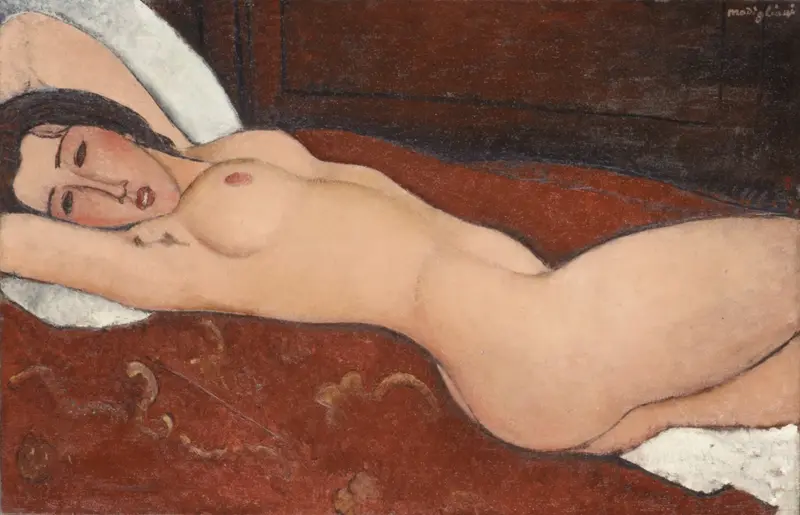
Reclining Nude
Amedeo Modigliani

Portrait Of Jeanne Hébuterne
Amedeo Modigliani

Jeanne Hébuterne
Amedeo Modigliani
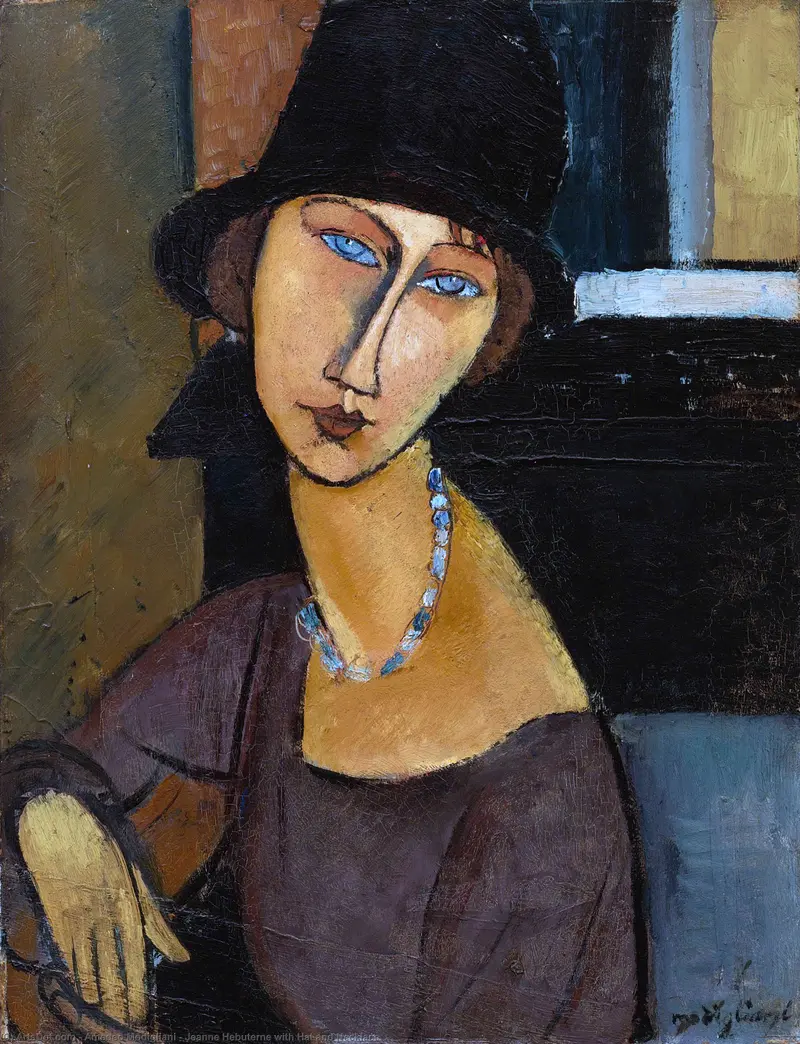
Jeanne Hébuterne with Hat and Necklace
Amedeo Modigliani
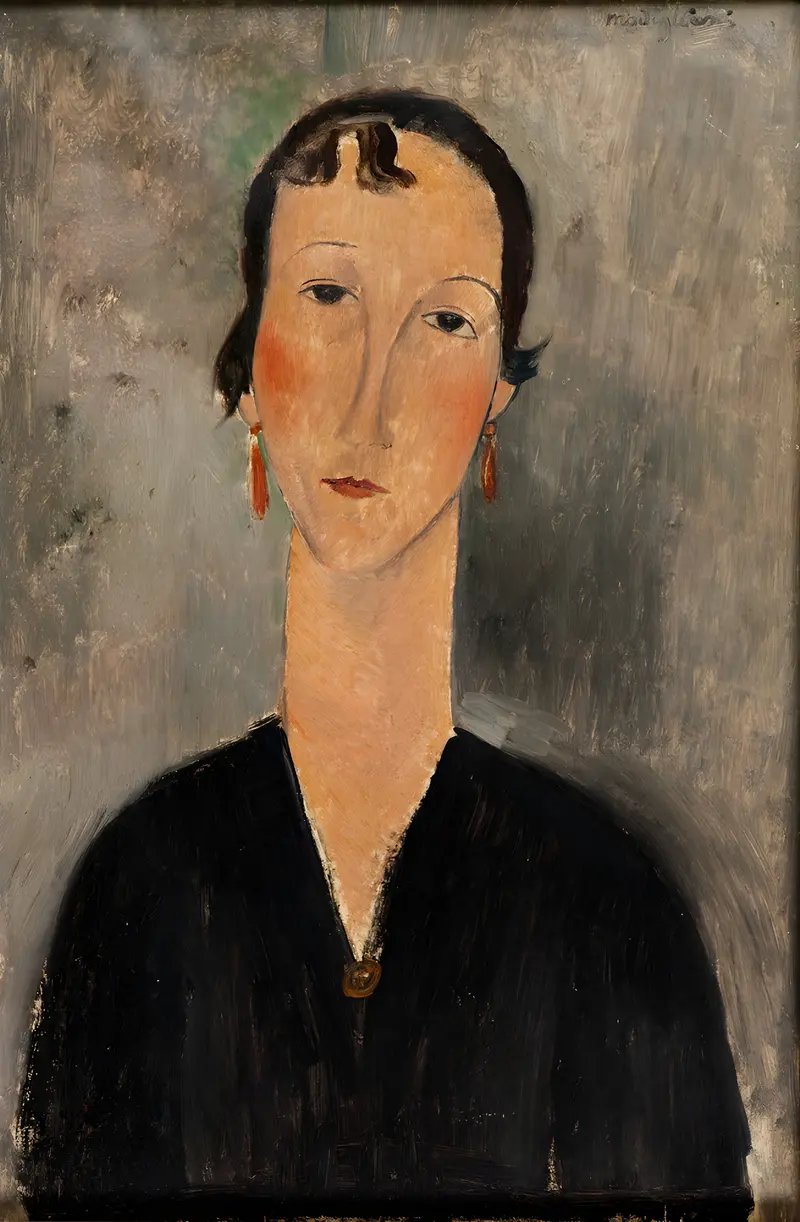
Femme aux boucles d'oreilles
Amedeo Modigliani
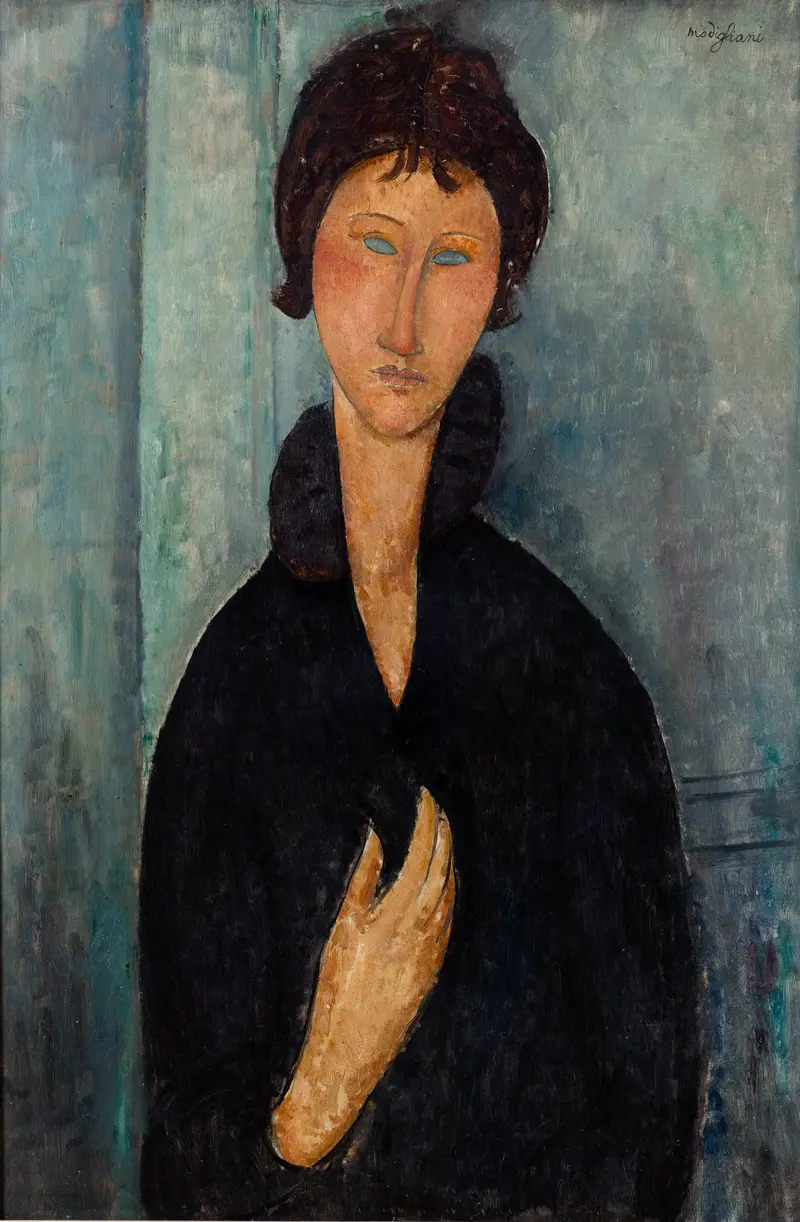
Femme aux yeux bleus
Amedeo Modigliani
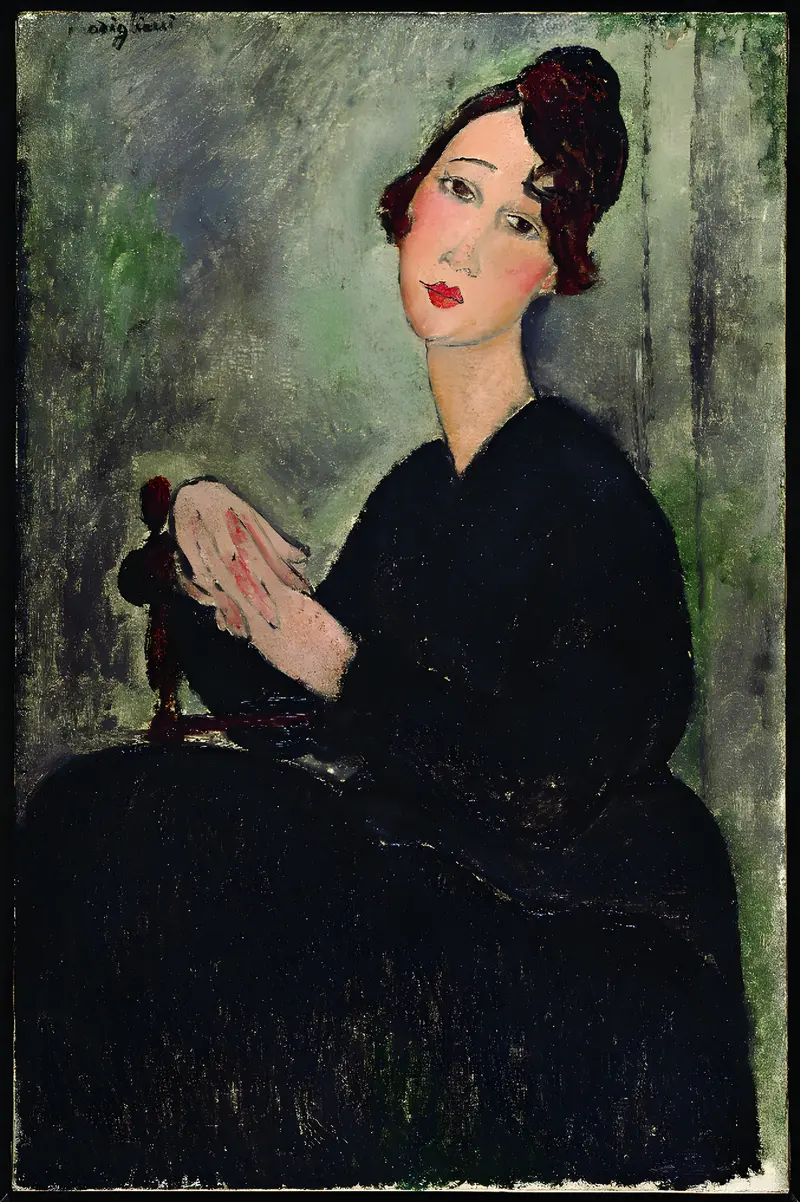
Portrait of Dedie
Amedeo Modigliani
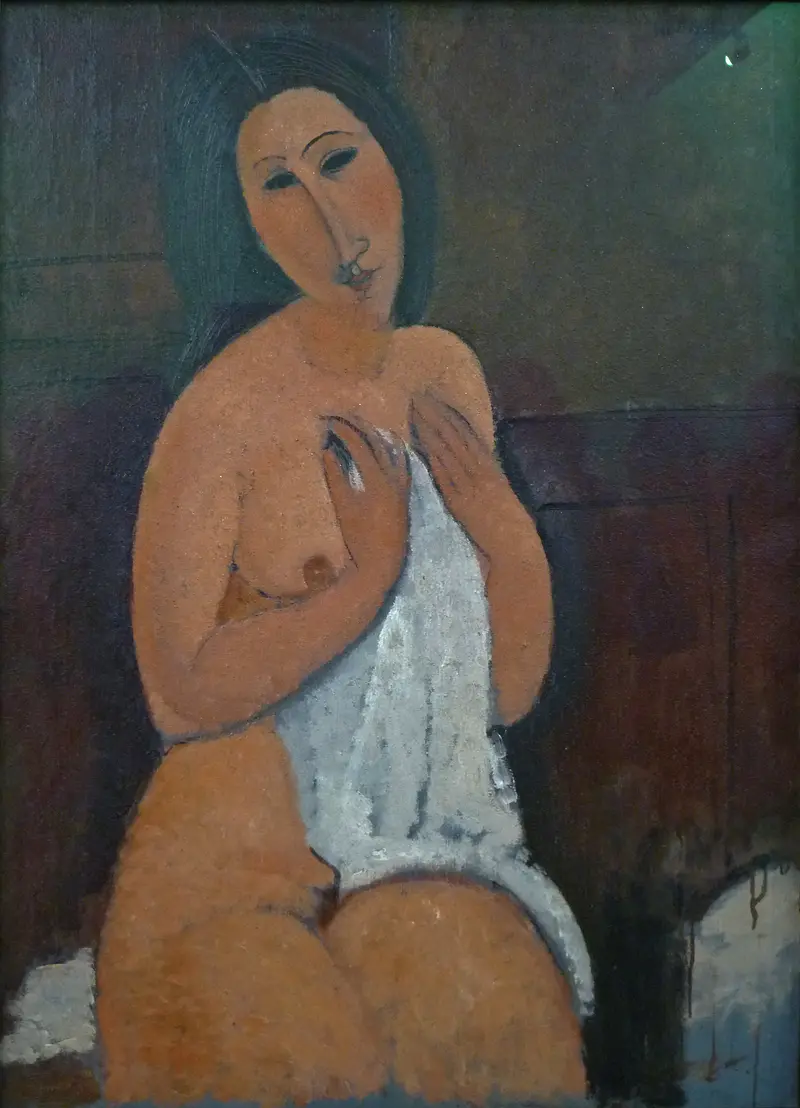
Seated nude with shirt
Amedeo Modigliani
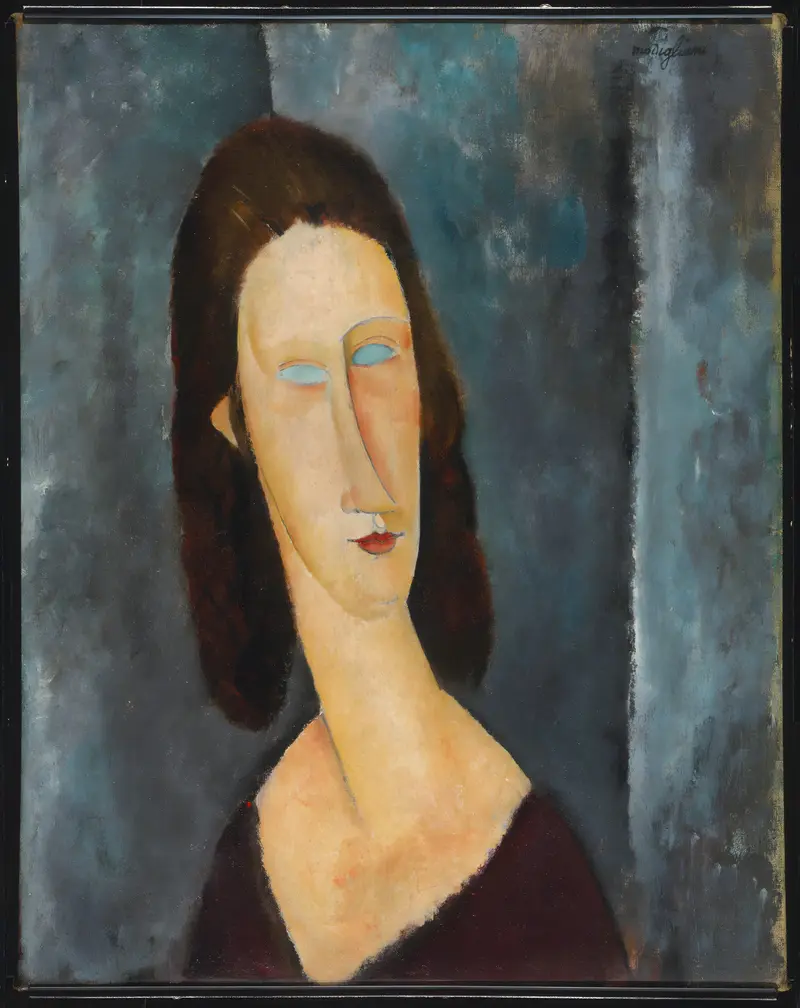
Blue Eyes (Portrait of Madame Jeanne Hébuterne)
Amedeo Modigliani
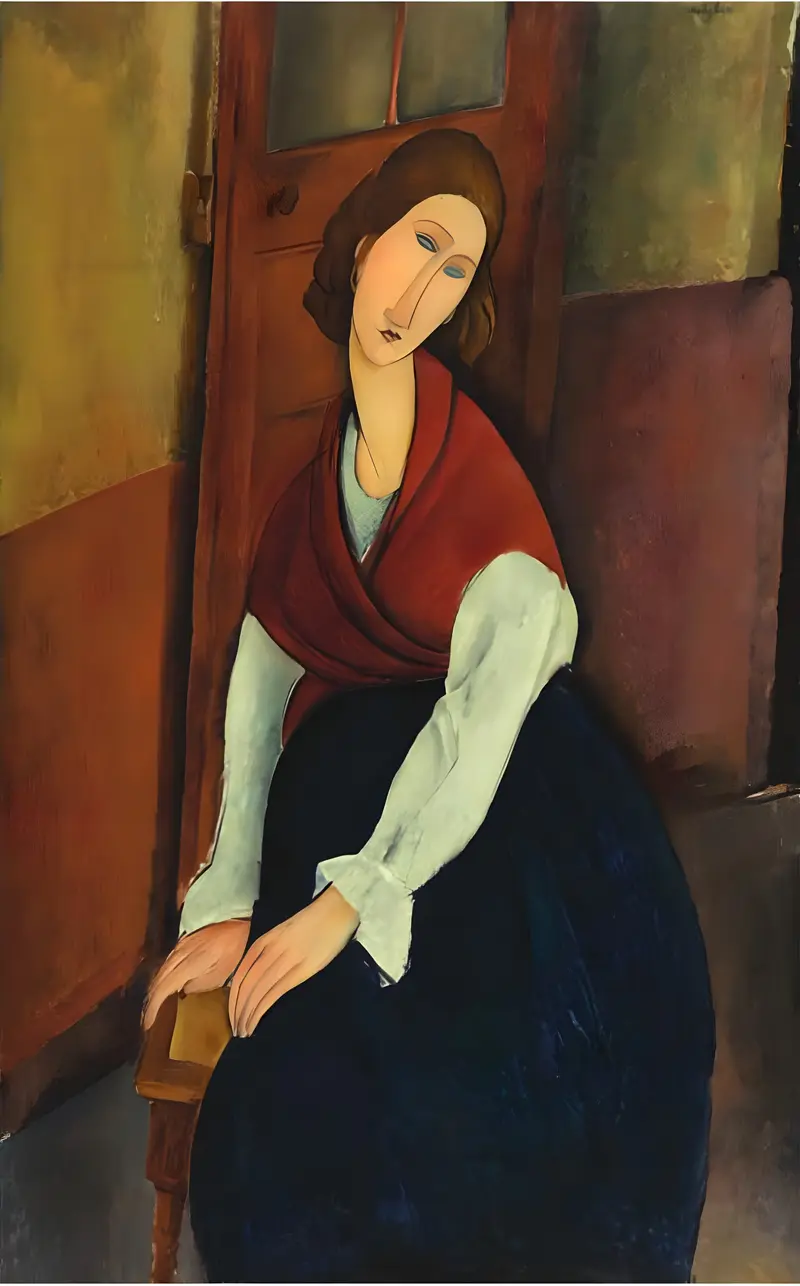
Jeanne Hebuterne in Red Shawl
Amedeo Modigliani





