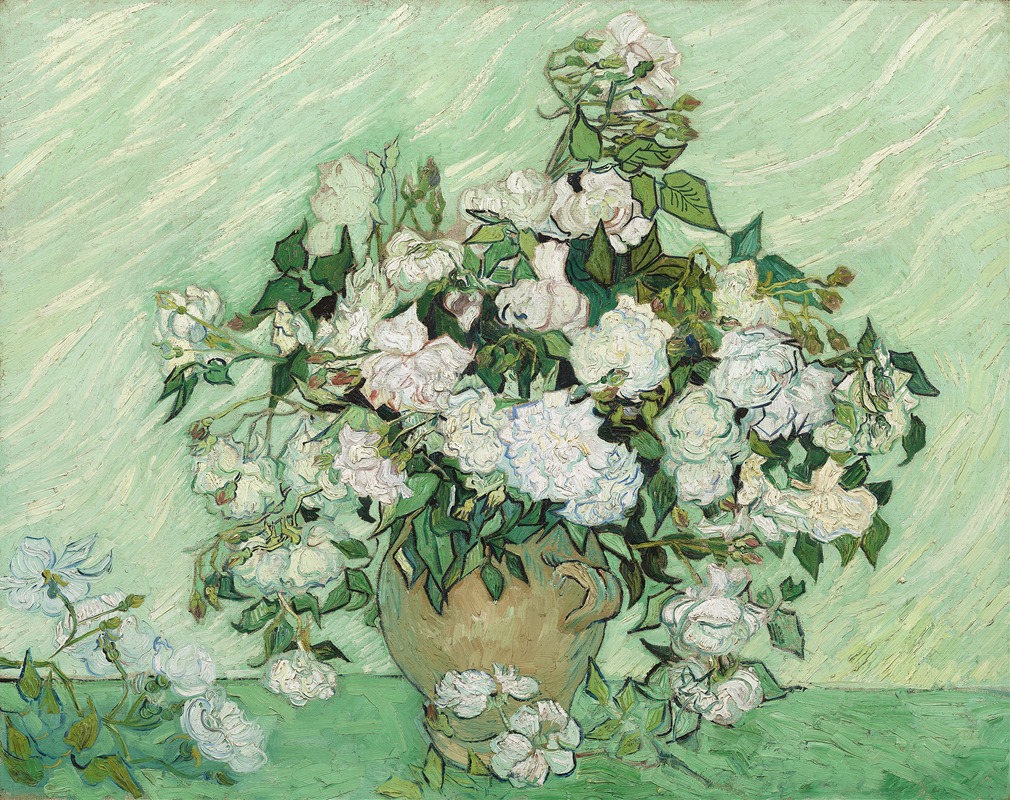
Discover insights about this artwork
Jerusalem Artichoke Flowers — History & Facts
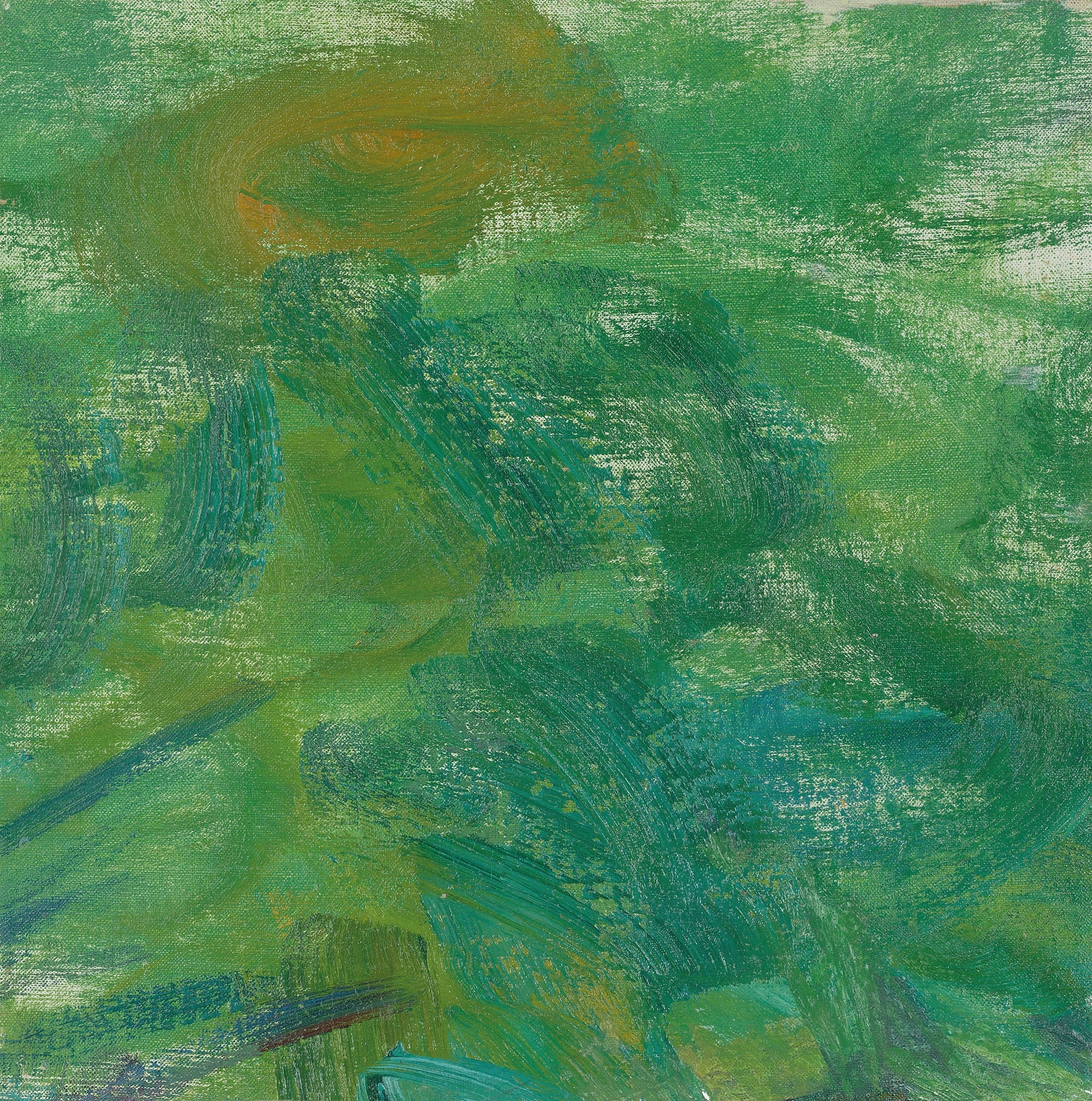
In Jerusalem Artichoke Flowers, Claude Monet captures a lively scene filled with vibrant yellow and green hues. The flowers burst forth in a riot of color, showcasing their unique shapes and textures. The background is softened with gentle brushstrokes, allowing the flowers to take center stage.
This composition immerses the viewer in a lush, botanical environment. Monet employs oil on canvas to create this piece, utilizing his signature Impressionist technique. The brushwork is loose and fluid, allowing for a sense of movement and spontaneity. The colors are applied in layers, creating depth and vibrancy that draws the eye.
The painting measures approximately 65 x 81 cm, making it a medium-sized work that invites close inspection. Claude Monet, a leading figure in the Impressionist movement, painted this work during a period when he focused on floral subjects. Interestingly, the Jerusalem artichoke is not just a flower but also an edible plant, which reflects Monet's interest in nature and its beauty. This painting exemplifies his ability to capture the essence of a moment in time through color and light.
Monet's dedication to portraying the natural world continues to inspire artists today.
More Artworks by Claude Monet
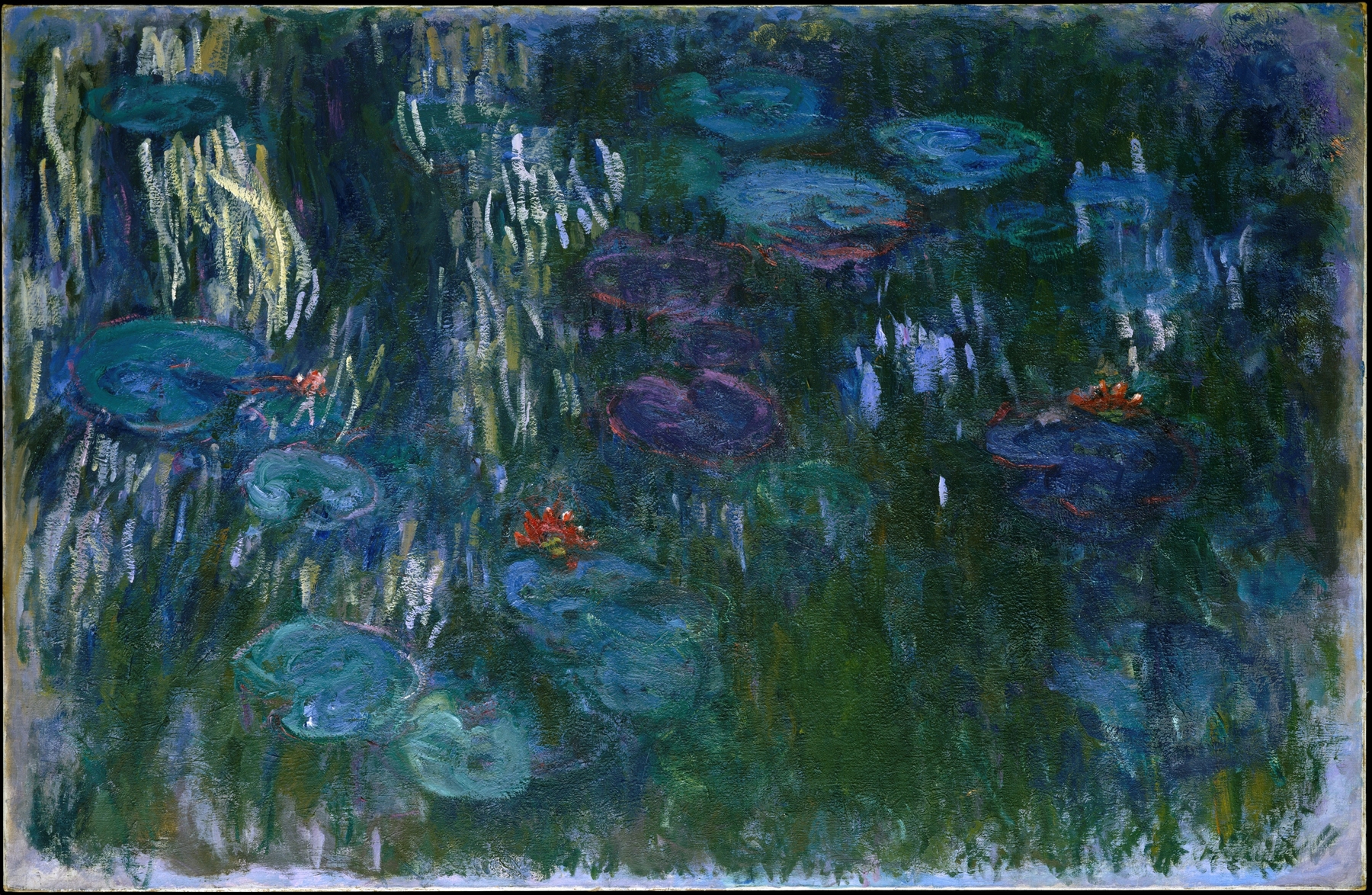
Water Lilies
Claude Monet
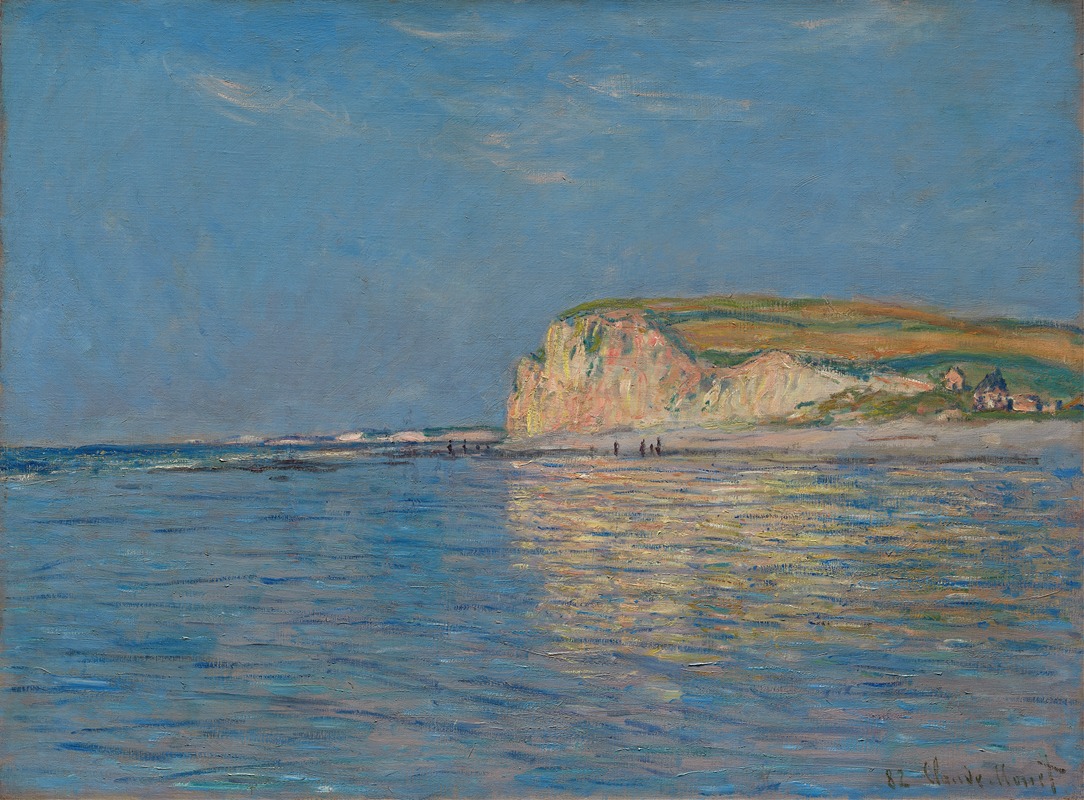
Low Tide at Pourville, near Dieppe
Claude Monet
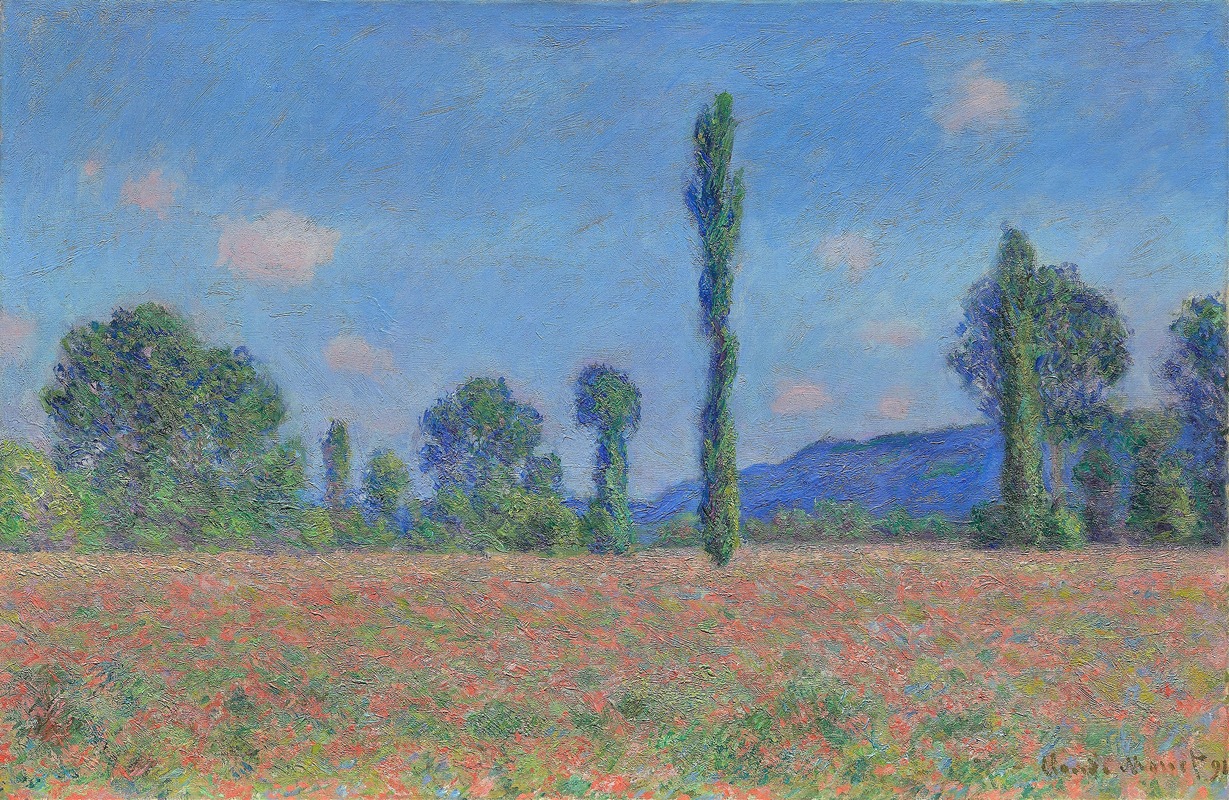
Poppy Field (Giverny)
Claude Monet
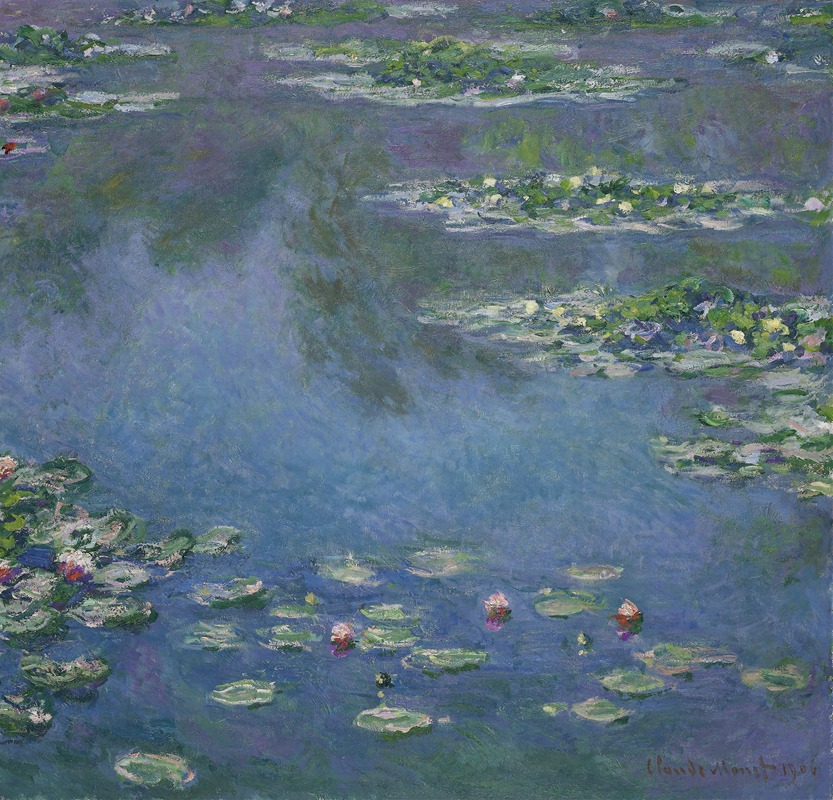
Water Lilies
Claude Monet
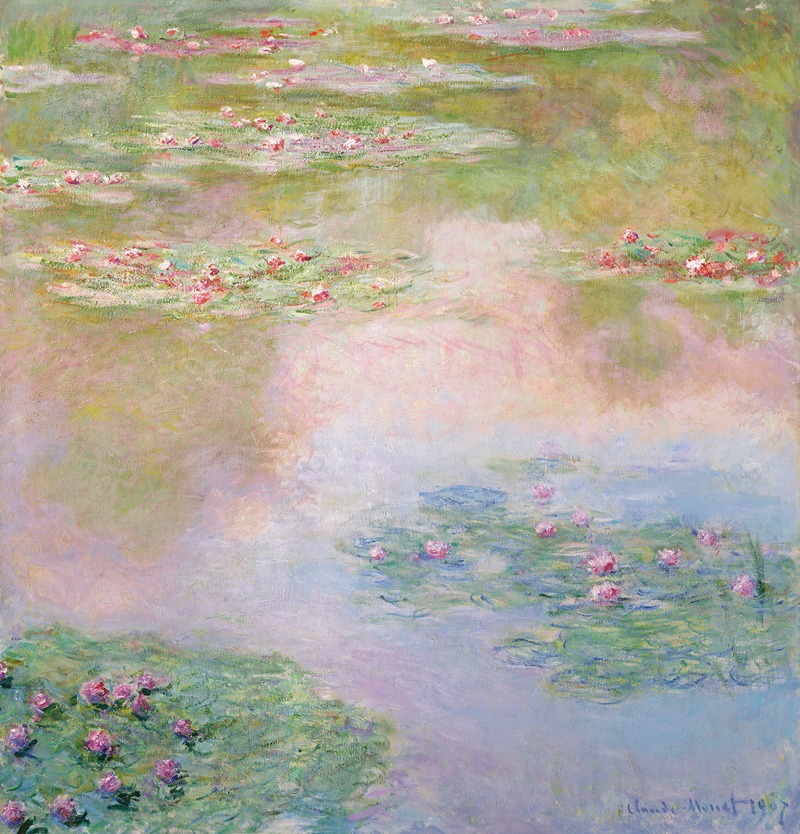
Nymphéas
Claude Monet
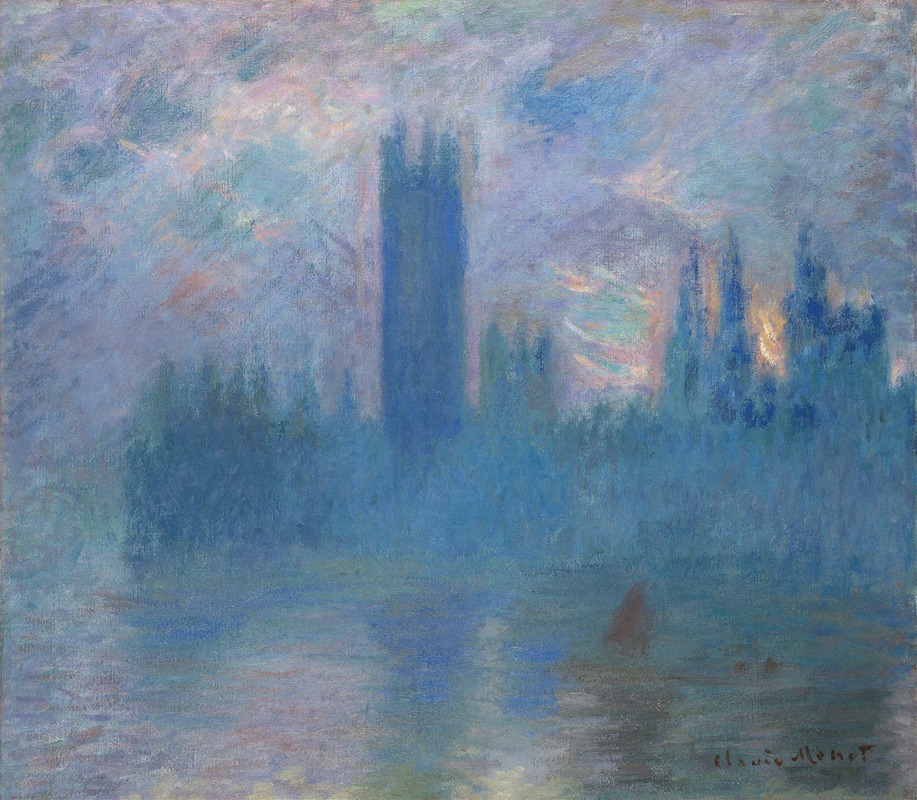
Houses of Parliament, London
Claude Monet
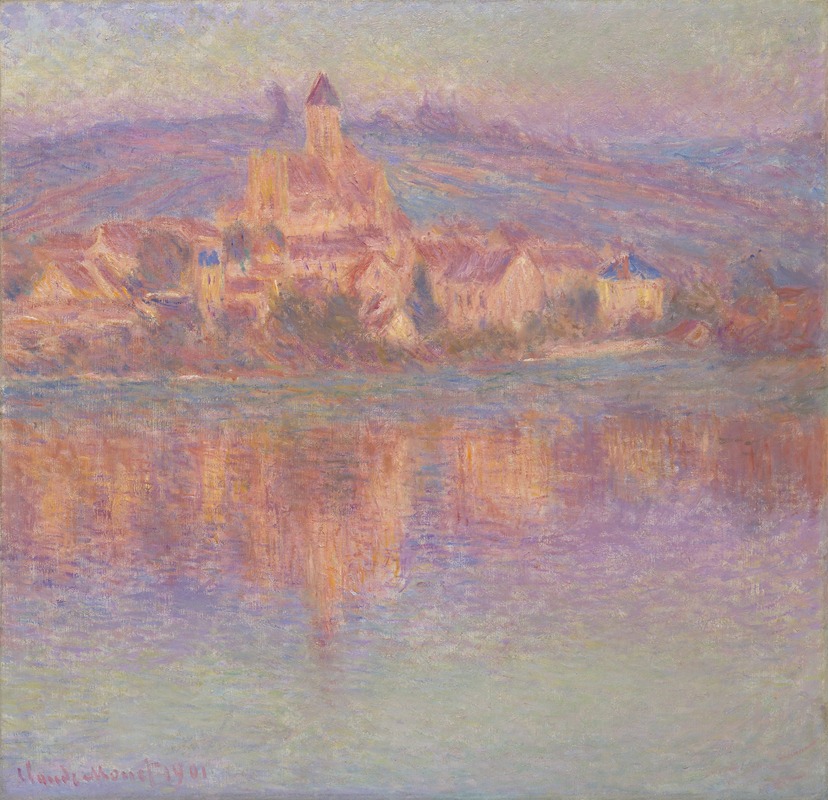
Vétheuil
Claude Monet
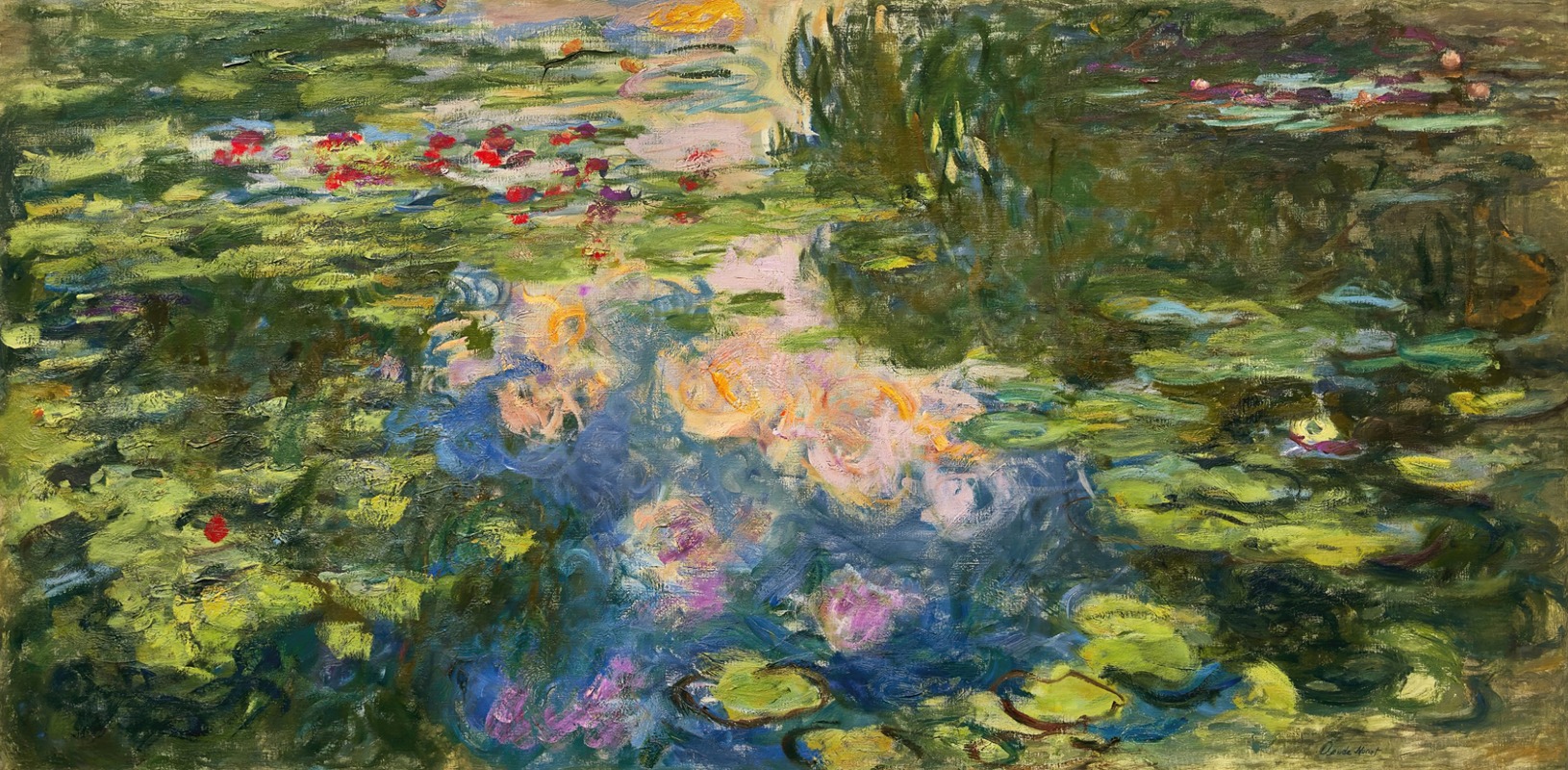
Le Bassin aux nymphéas
Claude Monet
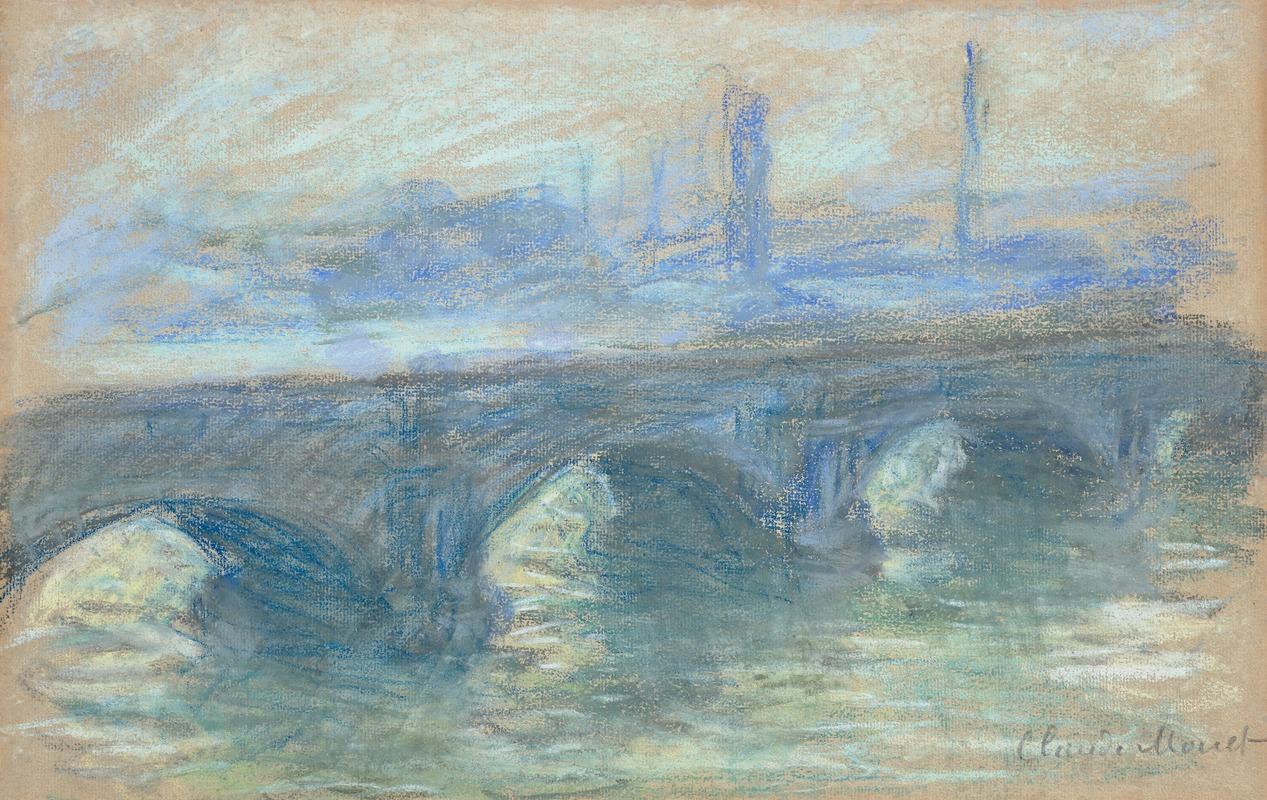
Waterloo Bridge
Claude Monet

Printemps à Giverny, effet d’après-midi
Claude Monet