
Jigure no ato (Kyoto Nanzen-ji) (After drizzling in autumn, Nanzen-ji Temple in Kyoto) — History & Facts
This sentiment resonates deeply within the delicate brushstrokes of a tranquil autumn scene, where memories linger like a soft fog over fallen leaves. In this moment, nostalgia seeps from the canvas, beckoning us to a place where nature and architecture coexist in serene harmony. Look to the left at the graceful contours of Nanzen-ji Temple, its traditional wooden beams framed against the sepia-toned sky. Notice the gentle drizzle cascading from the eaves, each droplet captured in splendid clarity, casting a silvery sheen onto the path below.
The palette, a blend of muted earth tones and soft blues, evokes the quietude of the season, drawing your eyes toward the subtle reflections in the puddles—remnants of the rain that seem to mirror not just the landscape, but also the fleeting moments of life itself. Hidden within this picturesque composition lies a deep emotional tension between permanence and transience. The temple stands steadfast, a symbol of enduring beauty amidst the ephemeral nature of autumn leaves, which scatter around it, whispering tales of change. The interplay of light and shadow hints at the passage of time, each element thoughtfully placed to evoke a profound sense of longing for moments lost yet celebrated in memory. Kawase Hasui painted this work in 1952 while Japan was experiencing a post-war renaissance, both culturally and artistically.
Settled in Tokyo, he focused on capturing the essence of the natural world through woodblock prints, a tradition he helped revitalize. During this period, Hasui sought to reconnect viewers with Japan’s rich heritage, making Jigure no ato a poignant reminder of beauty amid the march of time.
More Artworks by Kawase Hasui
Browse all →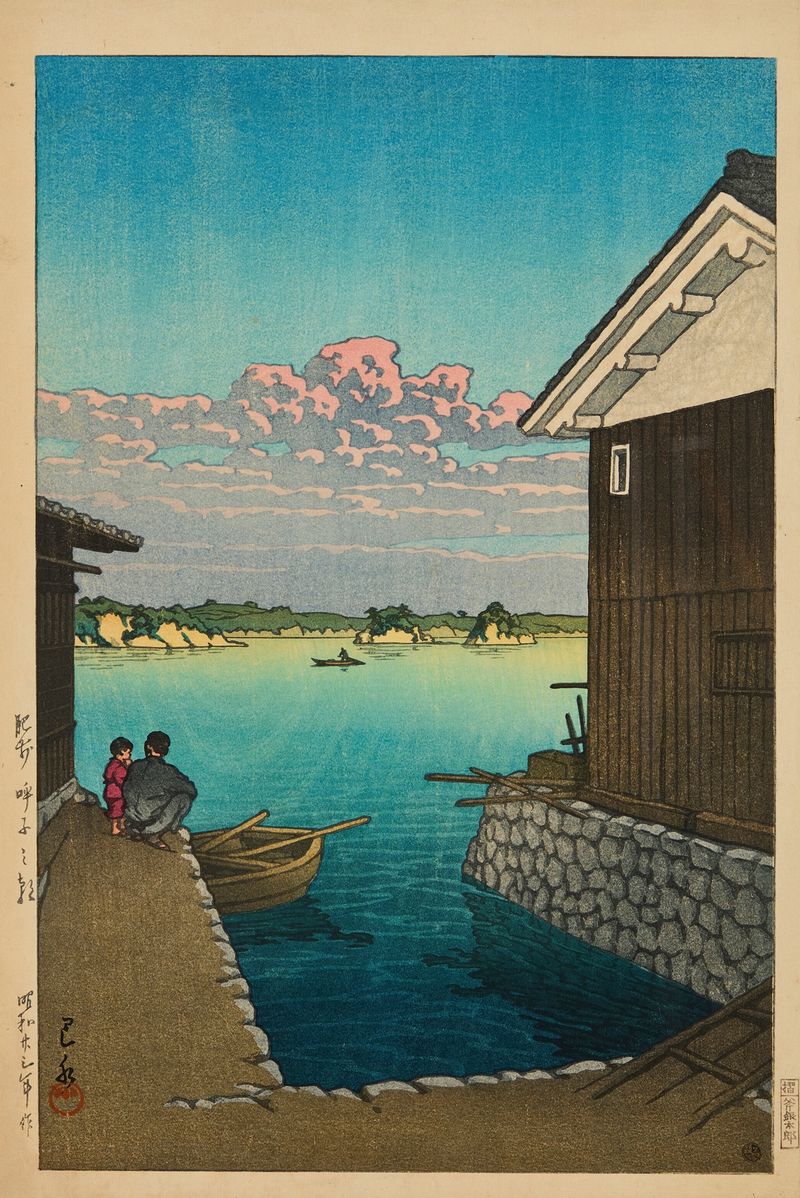
Hizen Yobuko no asa (Morning in Yobuko, Hizen)
Kawase Hasui
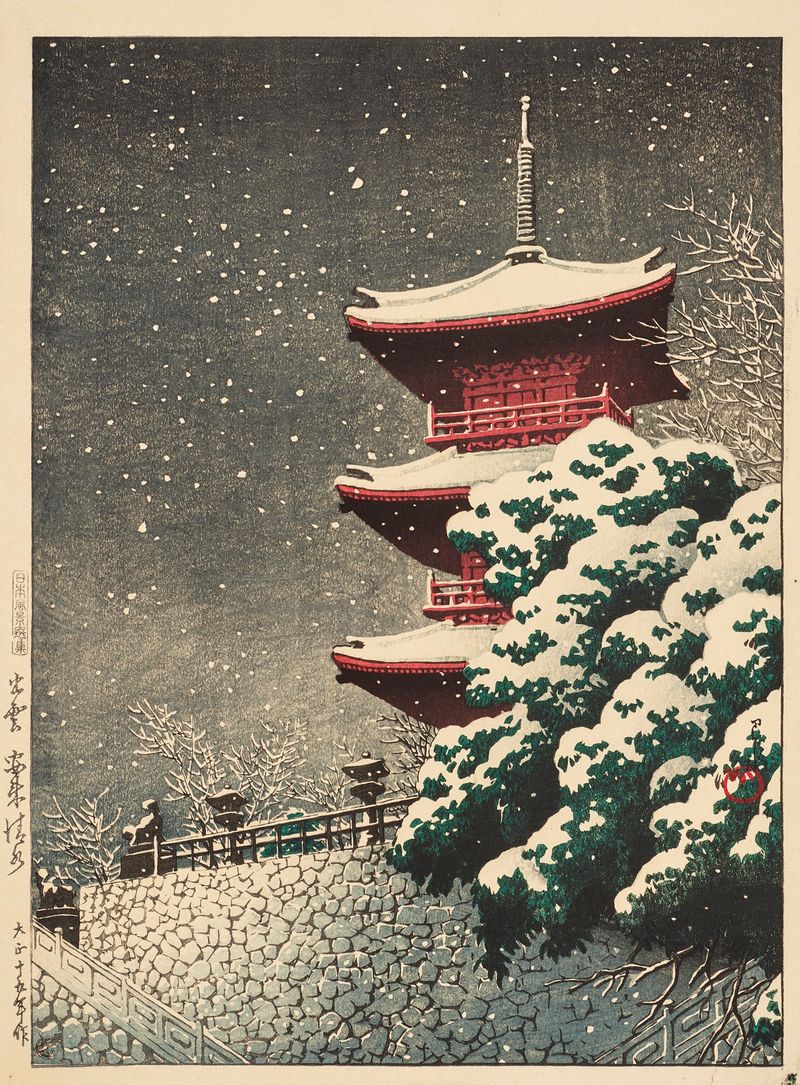
Izumo, Yasugi Kiyomizu (Yasugi Kiyomizu Temple at Izumo)
Kawase Hasui
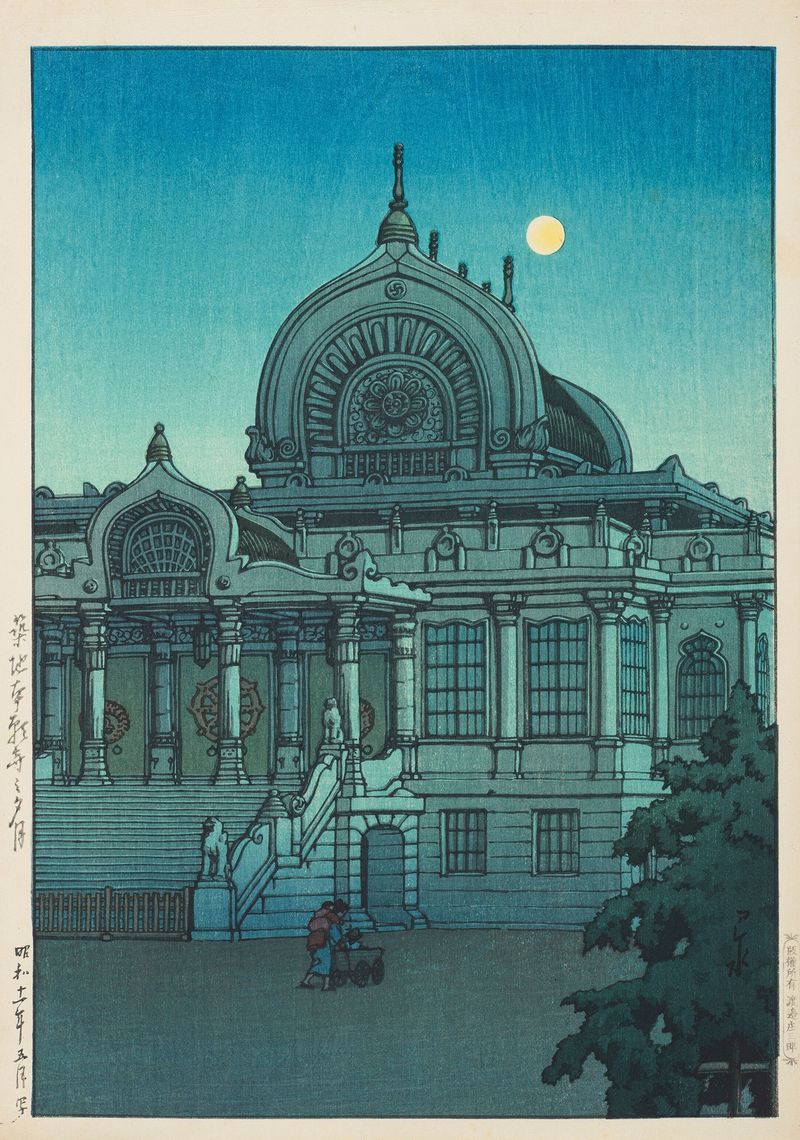
Tsukiji Honganji no yuzuki (Evening moon at Honganji Temple in Tsukiji)
Kawase Hasui
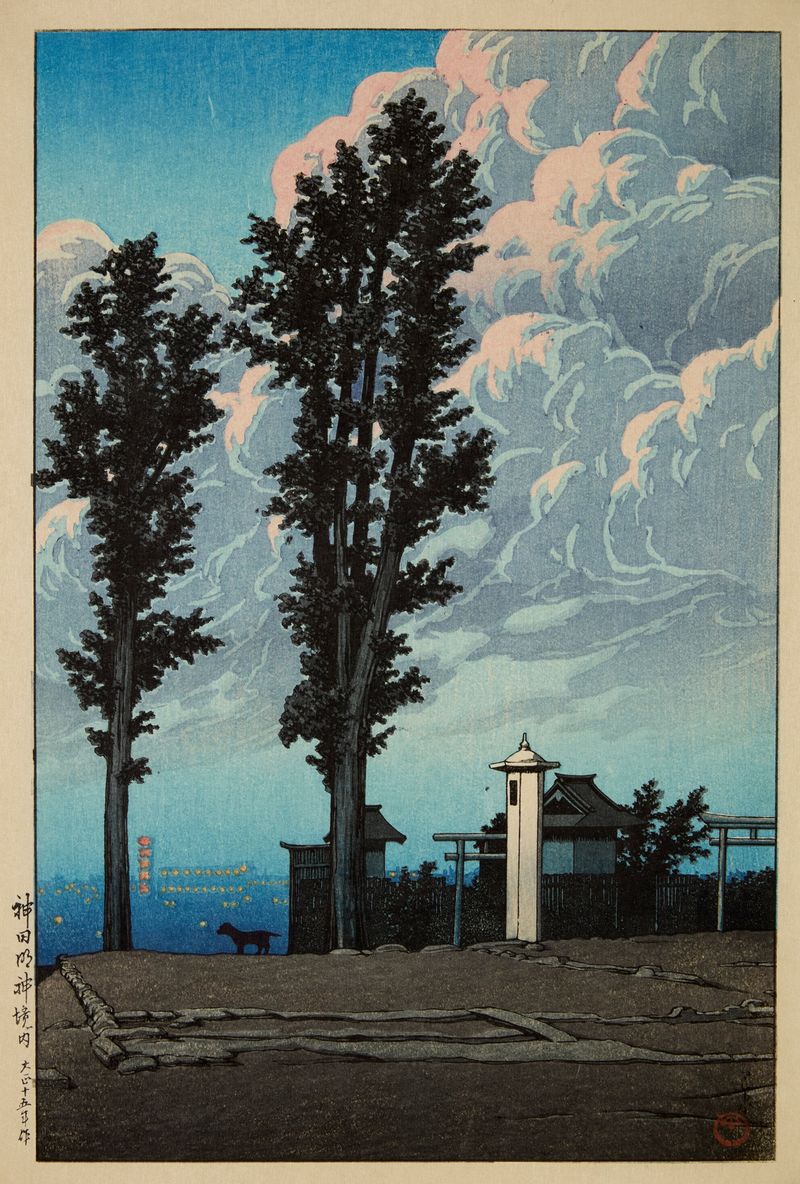
Kanda Myojin keidai (Kanda Myojin Shrine precent)
Kawase Hasui
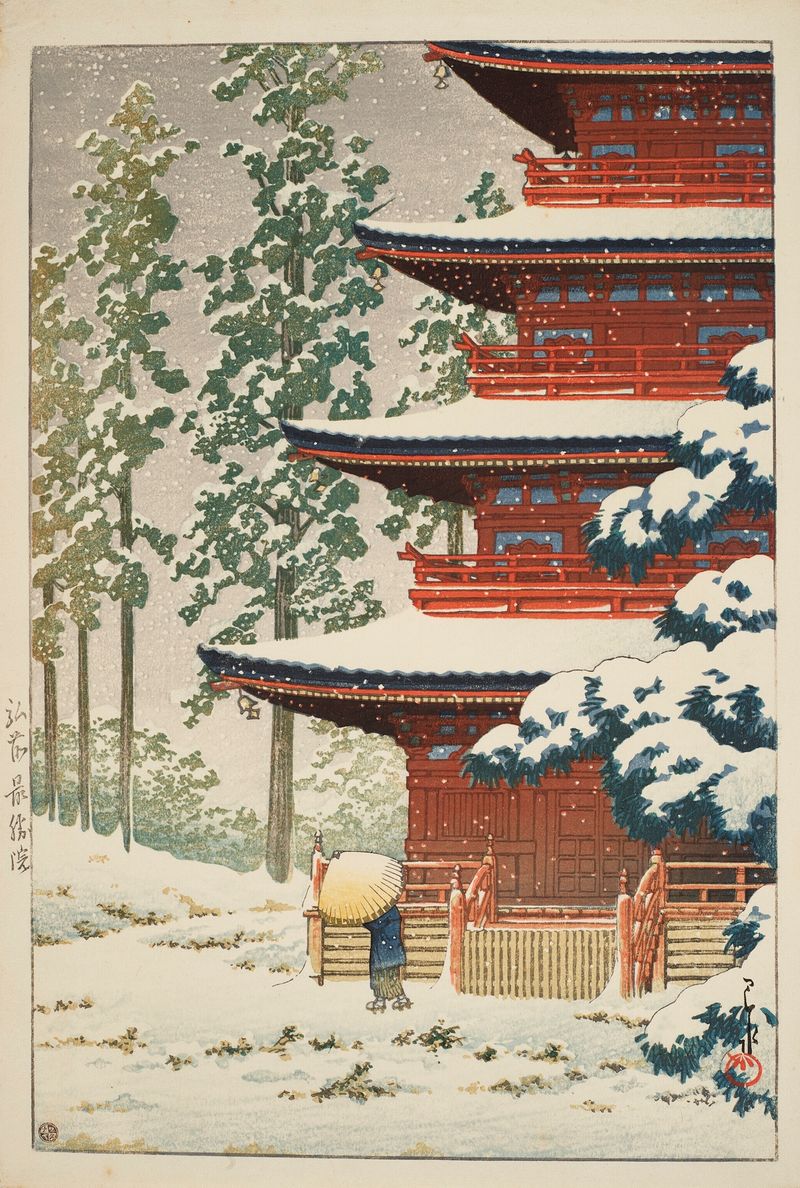
Saisho-in Temple, Hirosaki
Kawase Hasui
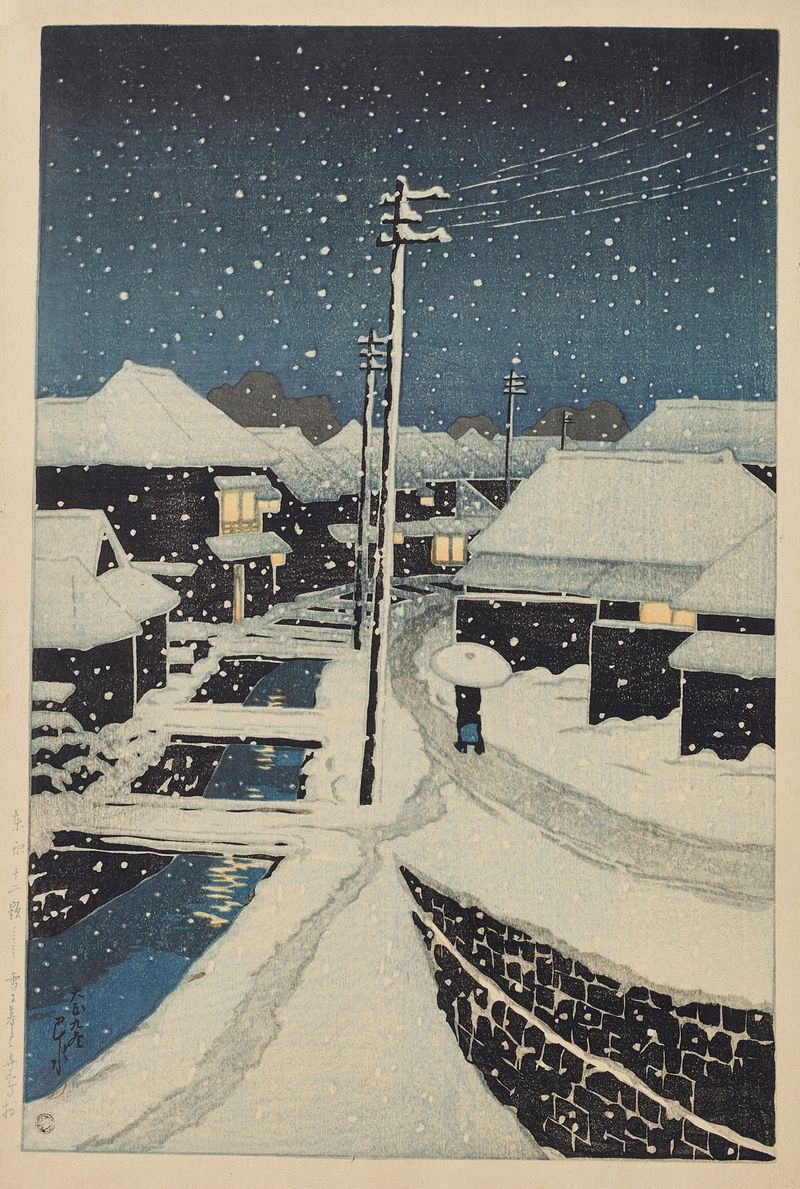
Yuki ni fururu Terajima mura (Evening snow at Terajima Village)
Kawase Hasui
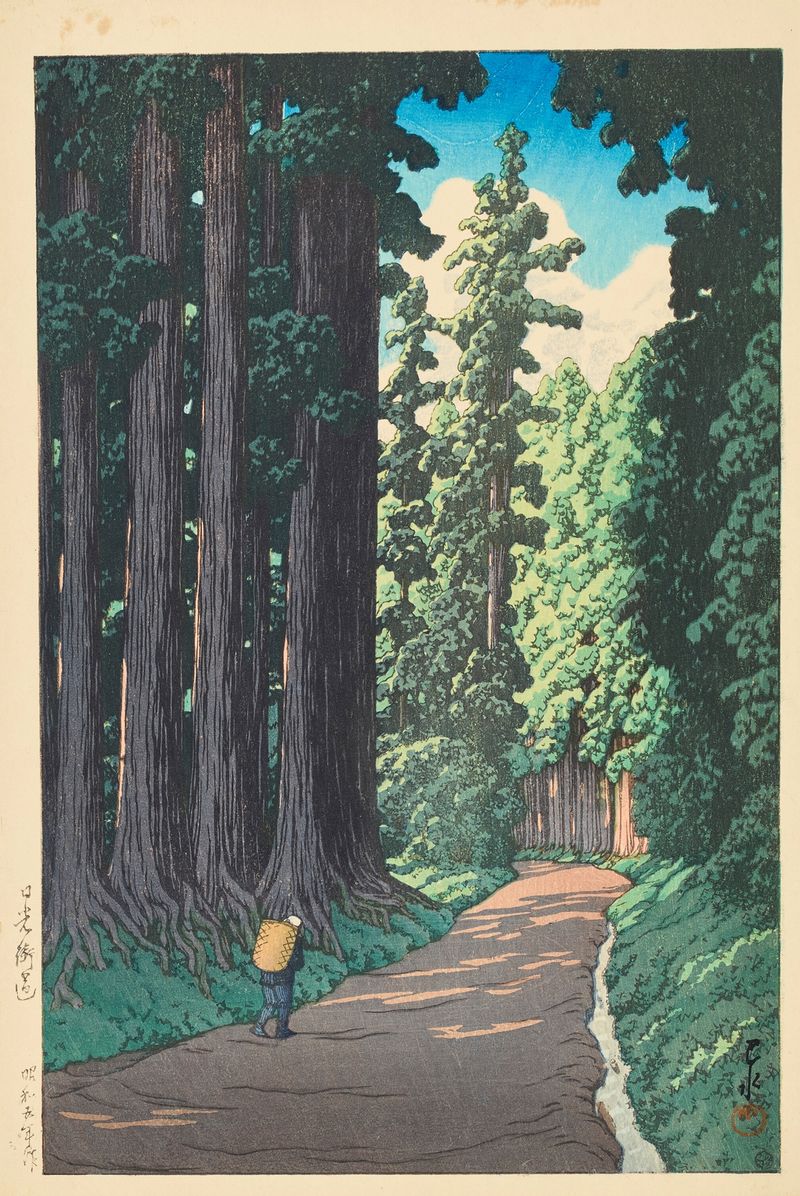
Nikko gaido (The Road to Nikko)
Kawase Hasui
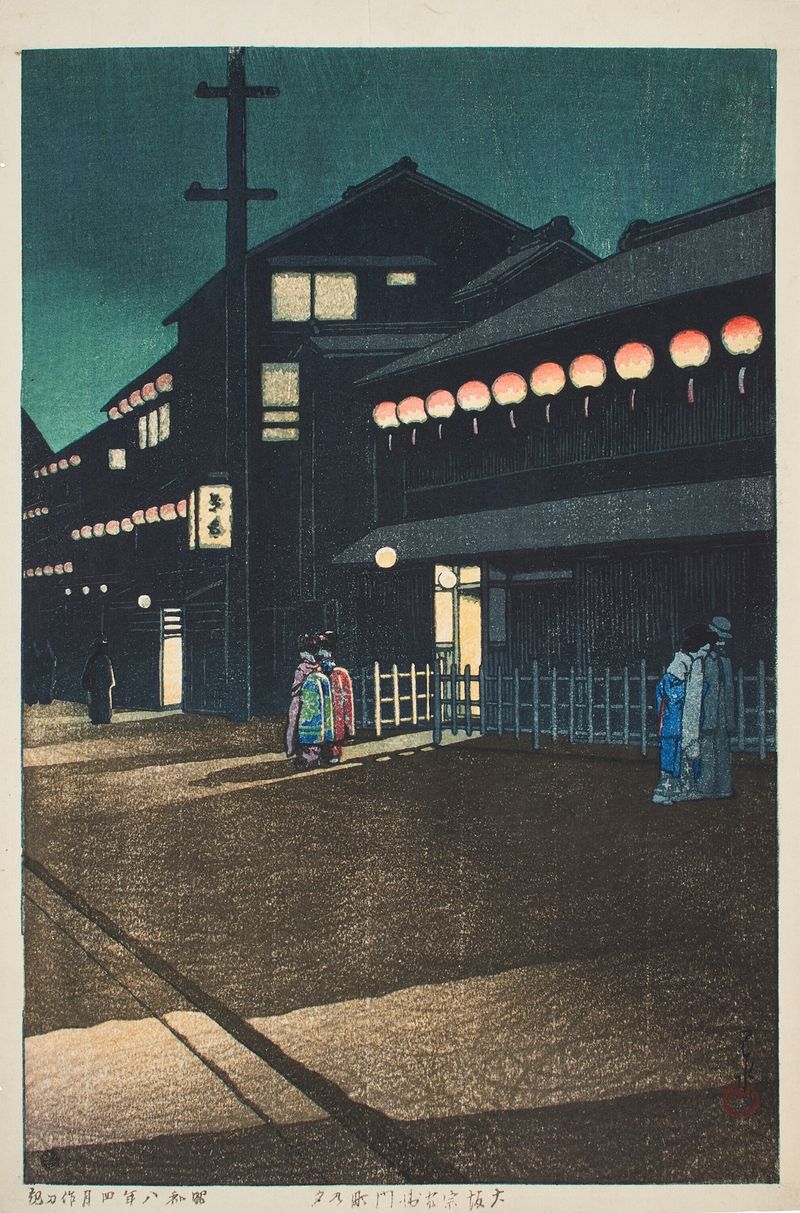
Osaka Soemon-cho no yu (Evening in Soemon-cho, Osaka)
Kawase Hasui
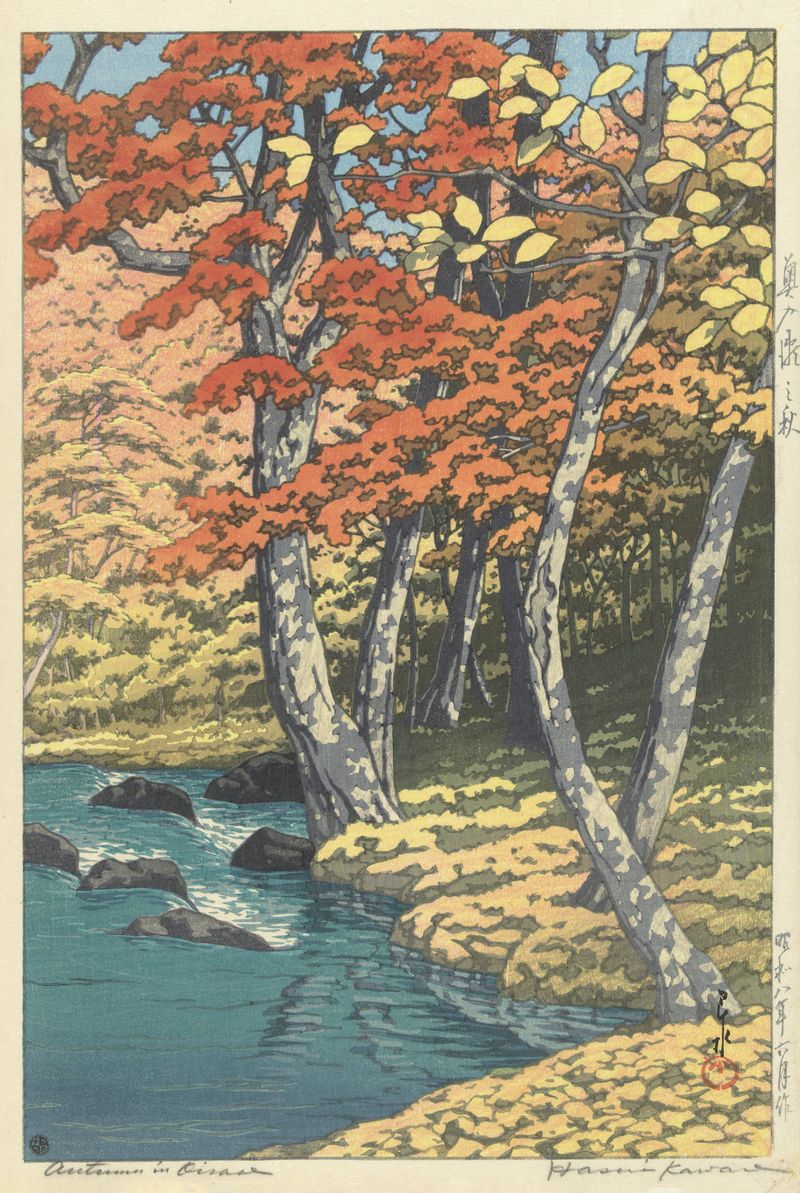
Autumn In Oirase
Kawase Hasui
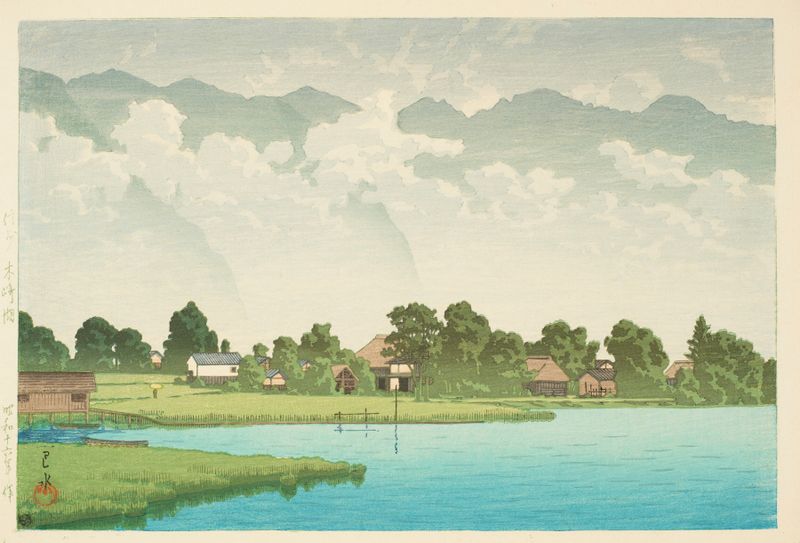
Shinshu Kizakiko (Kizaki Lake in Shinshu)
Kawase Hasui
More Architecture Art
Browse all →
The statue of Liberty
Frédéric Auguste Bartholdi

View of Houses in Delft, Known as ‘The Little Street’
Johannes Vermeer

View of Houses in Delft, Known as ‘The Little Street’
Johannes Vermeer

The Cathedral in Rouen. The portal, Grey Weather
Claude Monet

The yellow house
Vincent van Gogh

The Church in Auvers-sur-Oise, View from the Chevet
Vincent van Gogh