
Johannes Chrysostomos doet boete — History & Facts
When did color learn to lie? Beneath the vibrant hues of the canvas lies a complex narrative that beckons the viewer to confront the intricacies of human emotion and moral conflict. Look to the left at the figure of Johannes Chrysostomos, his countenance marked by a profound intensity. The bold reds and golds of his robes contrast starkly with the cool blues surrounding him, embodying the clash of divine and earthly realms. Take note of the meticulously rendered details, from the texture of the fabric to the delicate shading of his skin, each stroke imbued with a sense of reverence.
The artist's masterful use of light draws your gaze to the halo-like glow encircling Chrysostomos, illuminating not just the figure but also the weight of his penitence. Delve deeper into the painting's emotional landscape, and you uncover a tension between public spectacle and private sorrow. The juxtaposition of the saint's serene expression and the surrounding chaos of the crowd hints at the societal pressures faced by those who seek redemption. Each spectator’s varied gestures—some in awe, others in judgment—mirror the duality of faith and doubt, revealing how perception shapes our understanding of virtue. In 1509, Lucas Cranach (I) painted this work during a time of significant transformation in the art world, as the Northern Renaissance was blossoming.
Cranach was well-acquainted with the Reformation's burgeoning ideas and the shifting landscape of religious authority. As he captured the moment of humility and the complexities of sin, he positioned himself as a pivotal figure, melding artistry with the evolving discourse on morality and faith.
More Artworks by Lucas Cranach (I)
Browse all →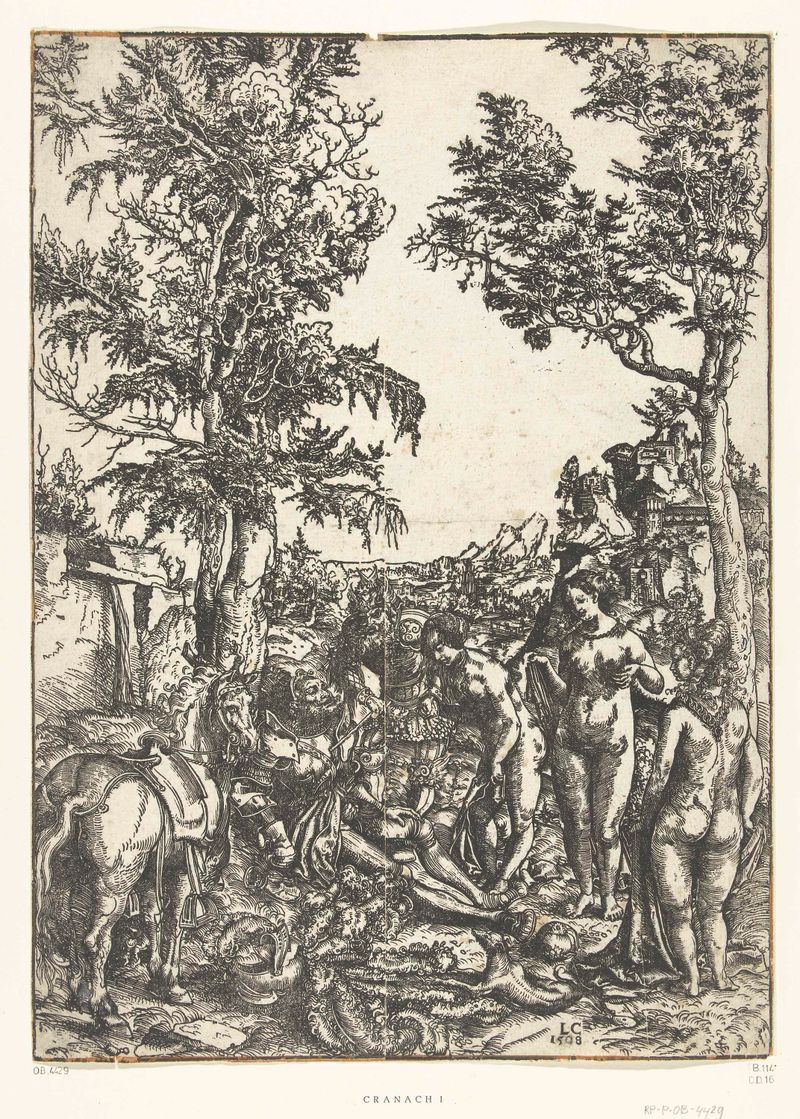
Oordeel van Paris
Lucas Cranach (I)
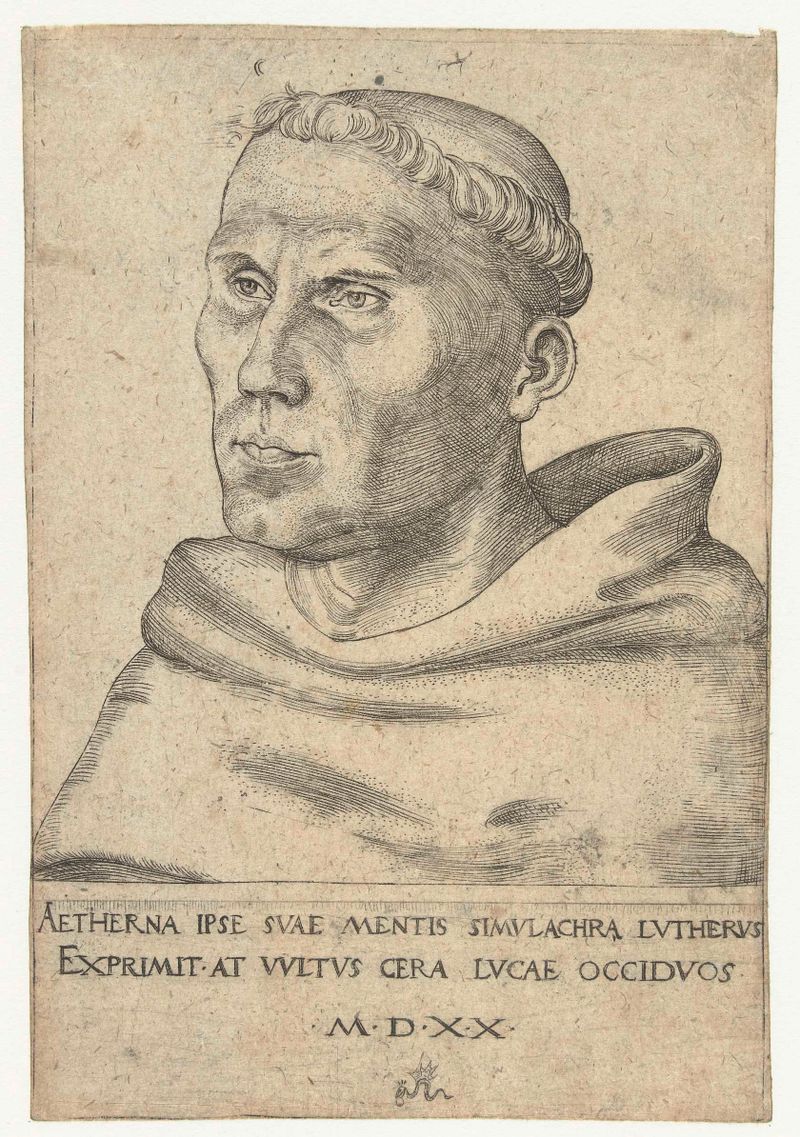
Portret van Martin Luther als Augustijner monnik
Lucas Cranach (I)
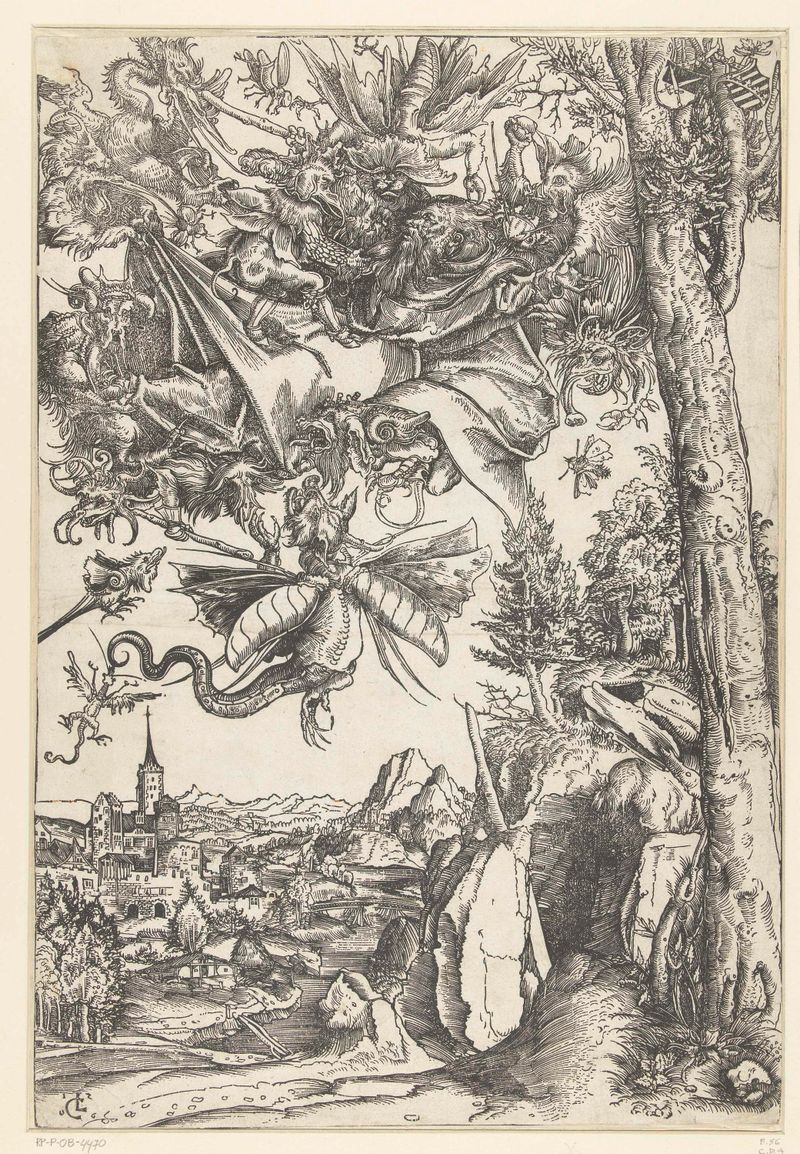
Verzoeking van Antonius met aanval door demonen
Lucas Cranach (I)

Christus en de Samaritaanse vrouw
Lucas Cranach (I)

Duits toernooi met twee edelmannen als ridders te paard
Lucas Cranach (I)
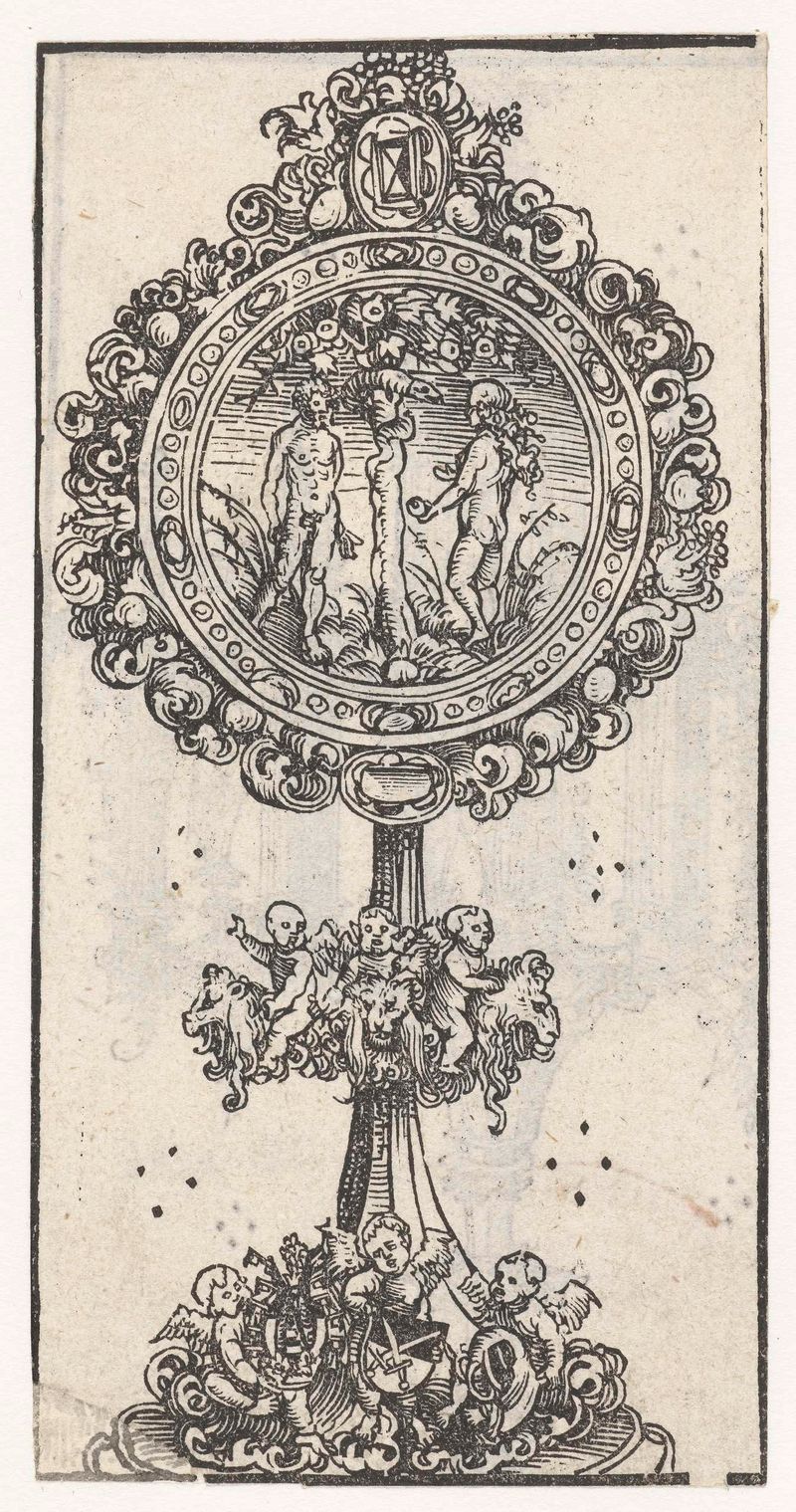
Reliekhouder met de verzoeking van Adam en Eva
Lucas Cranach (I)

Intocht van Christus in Jerusalem
Lucas Cranach (I)
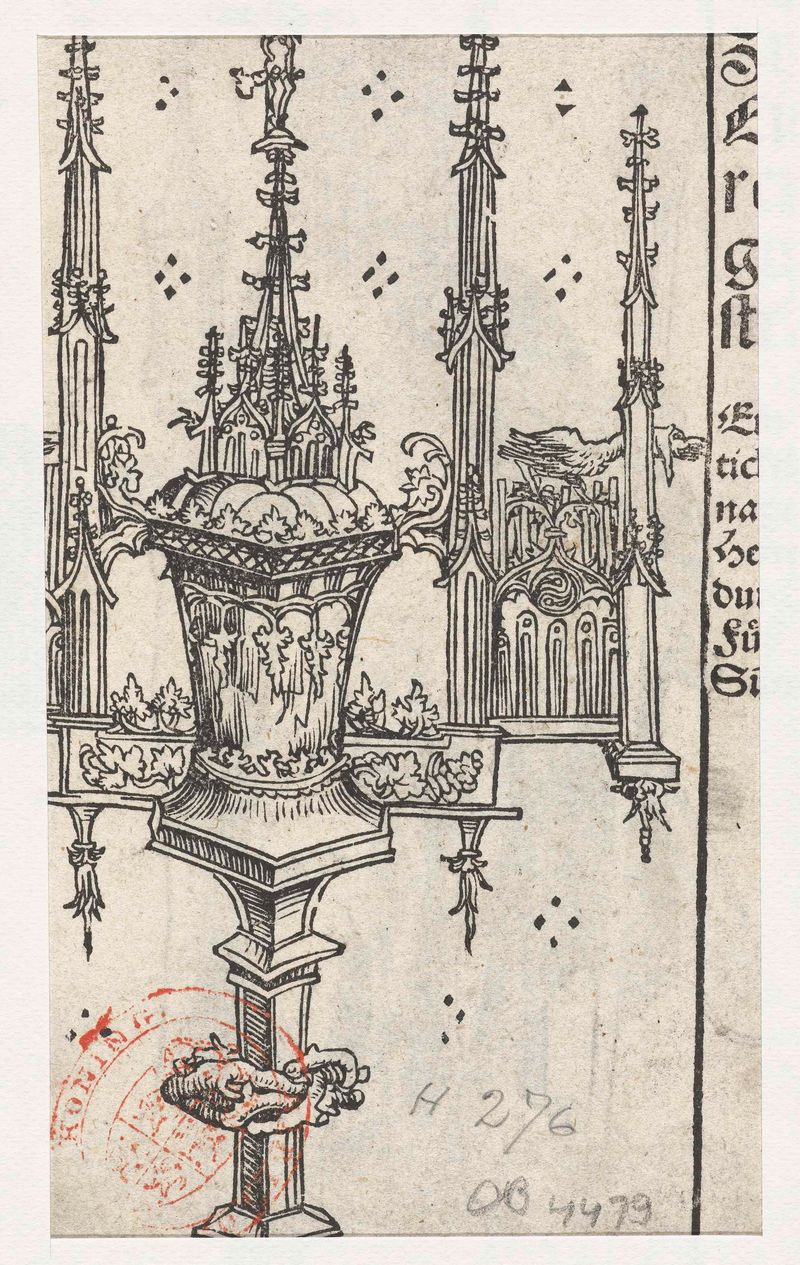
Monstrans met vogel (pelikaan)
Lucas Cranach (I)
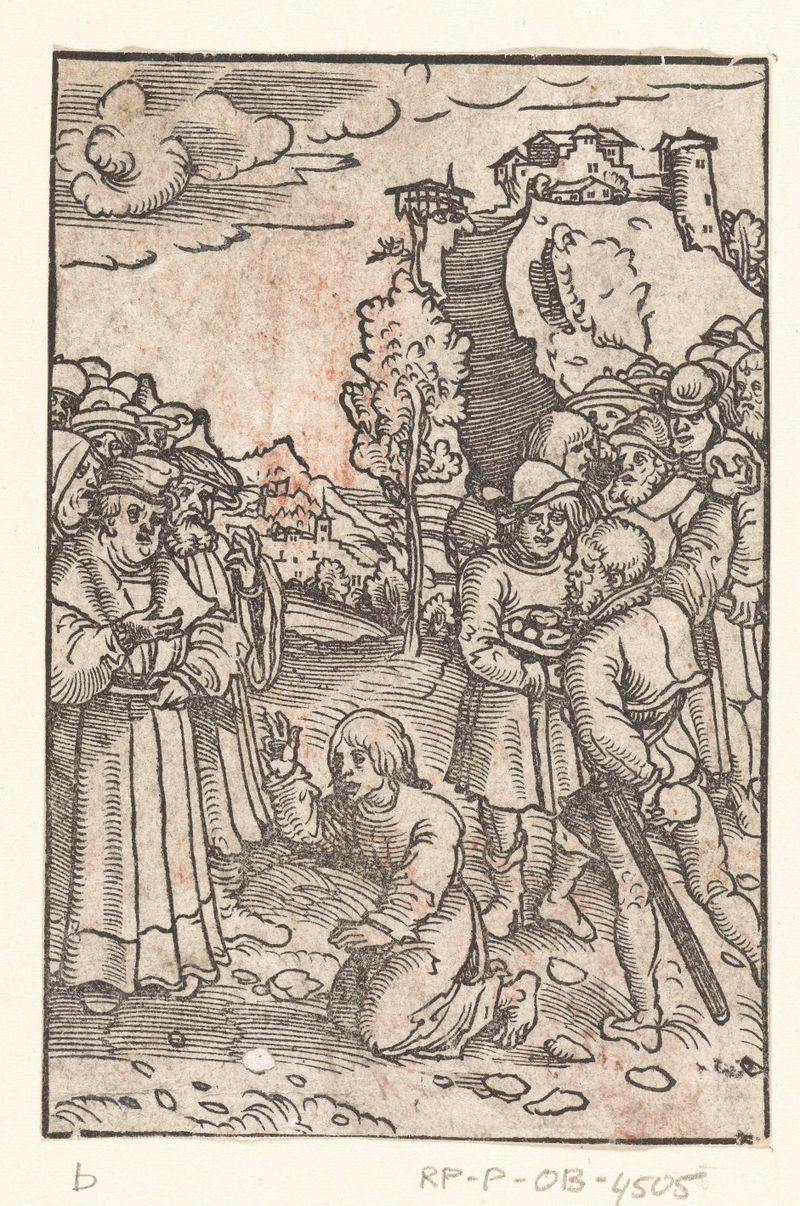
Steniging van Stefanus
Lucas Cranach (I)
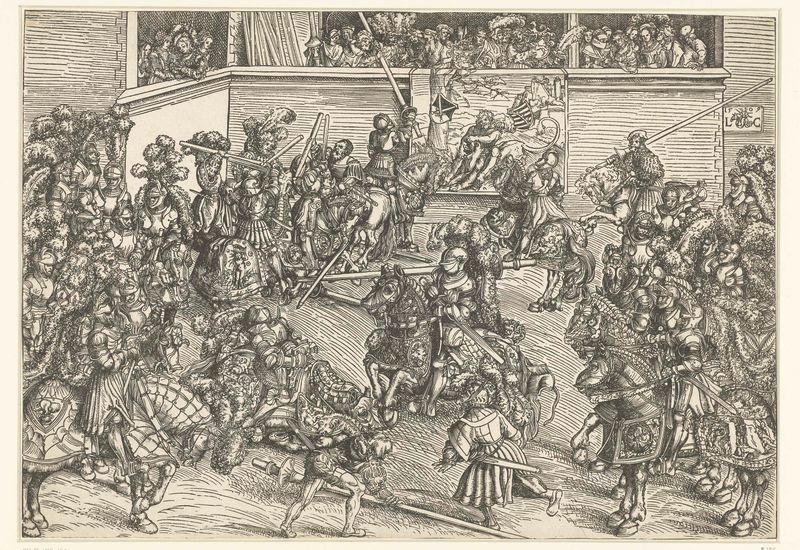
Toernooi van het keurvorstelijk hof van Saksen met wandtapijt Simson doodt de leeuw
Lucas Cranach (I)
More Religious Art
Browse all →
The Return of the Prodigal Son
Rembrandt van Rijn

The Garden of Earthly Delights
El Bosco

Count Orgaz’ funeral
El Greco

The Hundred Guilder Print: the central piece with Christ preaching, the plate arched
Rembrandt van Rijn

The Descent from the Cross
Rogier van der Weyden

The return of the prodigal son
Rembrandt van Rijn