
Johannes de Doper in de woestijn — History & Facts
Can paint confess what words never could? In Hollar's Johannes de Doper in de woestijn, the artist captures a moment of fervent ecstasy, where the spirit transcends the earthly realm. The composition reveals the essence of faith, solitude, and divine purpose, whispering secrets that resonate within the viewer's soul. Look to the foreground, where John the Baptist stands, cloaked in rough, humble garments, a striking contrast against the barren desert landscape that surrounds him. His outstretched arms seem to beckon towards the heavens, illuminated by an almost ethereal light that dances across the rocks and the sandy expanse.
This interplay of chiaroscuro enhances the emotional gravity of the scene, drawing our attention to the figure’s earnest expression and the somber yet vibrant colors that reflect the harsh beauty of his environment. Delve deeper into the background, where jagged mountains loom, shadowing John's fervor with an imposing presence. The starkness of the wilderness amplifies both his isolation and his spiritual quest, suggesting a communion between the individual and the infinite. Each brushstroke pulses with urgency, evoking the tension between the desolation of the desert and the boundless ecstasy of divine connection, encapsulating a moment where the mundane and the sacred converge. In 1642, Wenceslaus Hollar painted this work during a tumultuous period in Europe, marked by the Thirty Years' War.
Living in the midst of political upheaval, Hollar sought refuge in his art, channeling his experiences and beliefs into these profound representations of biblical figures. His keen eye for detail and emotional intensity reflect both personal struggles and the broader quest for spiritual meaning in an uncertain world.
More Artworks by Wenceslaus Hollar
Browse all →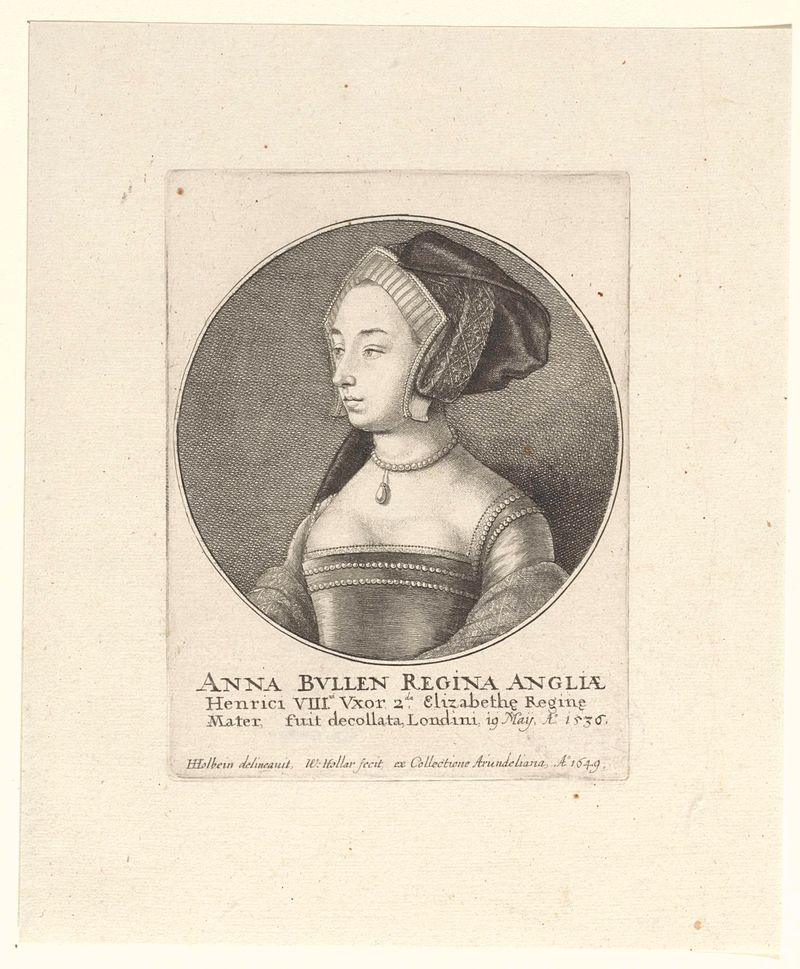
Portret van Anna Boleyn, koningin van Engeland
Wenceslaus Hollar
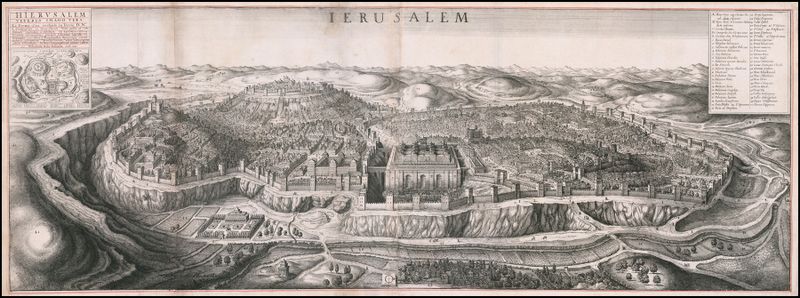
Bird’s eye view of Jerusalem
Wenceslaus Hollar
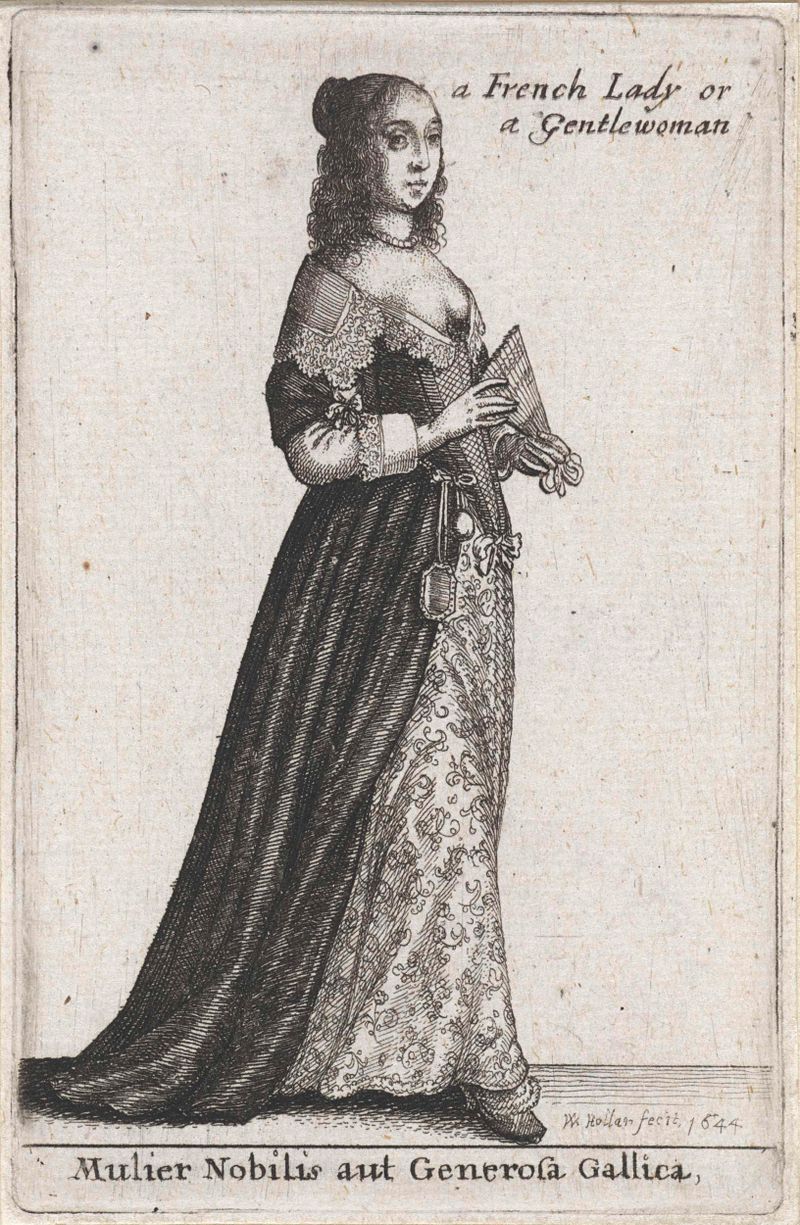
Mulier Nobilis aut Generosa Gallica / a French Lady or Gentlewoman
Wenceslaus Hollar
Titelprent voor: Ornatus Muliebris Anglicanus
Wenceslaus Hollar
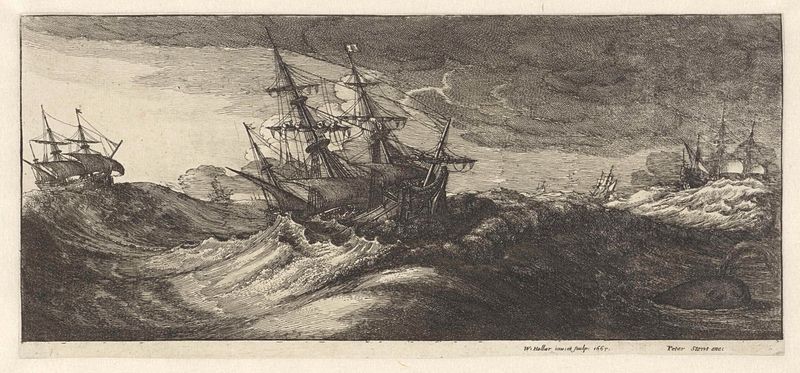
Oorlogsschepen en een walvis in een zeestorm
Wenceslaus Hollar
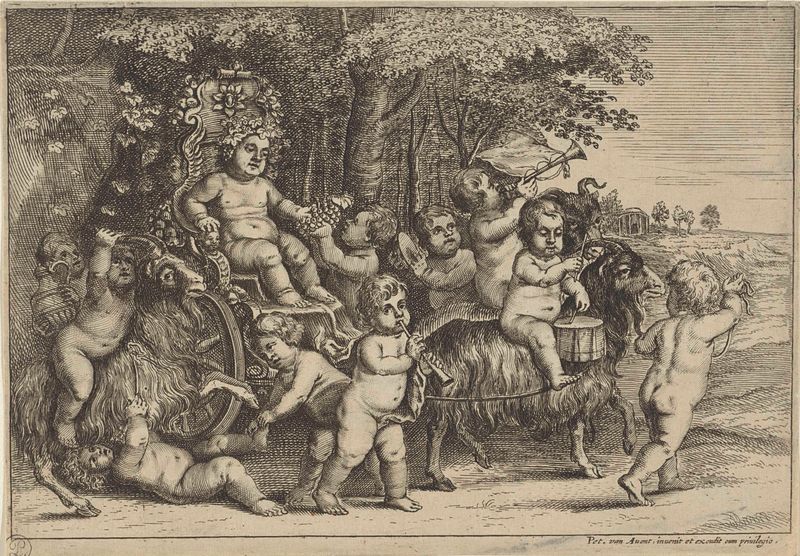
Optocht van bacchant en jongetjes op geiten
Wenceslaus Hollar
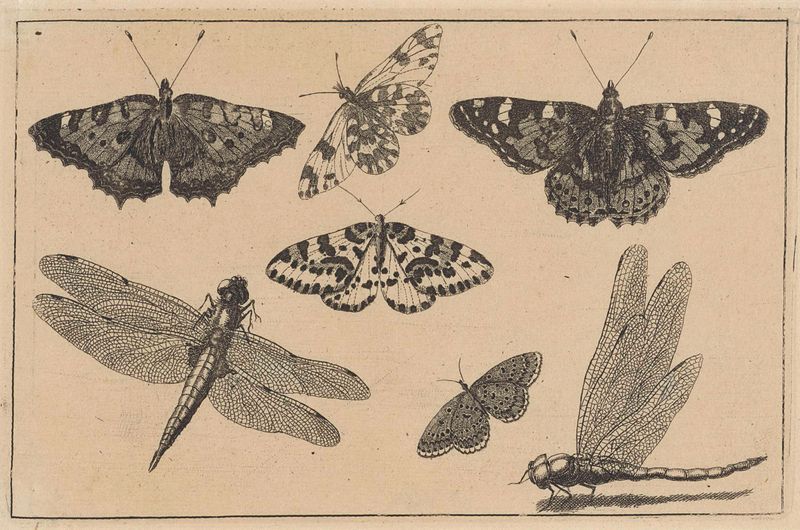
Twee libellen en vijf vlinders
Wenceslaus Hollar
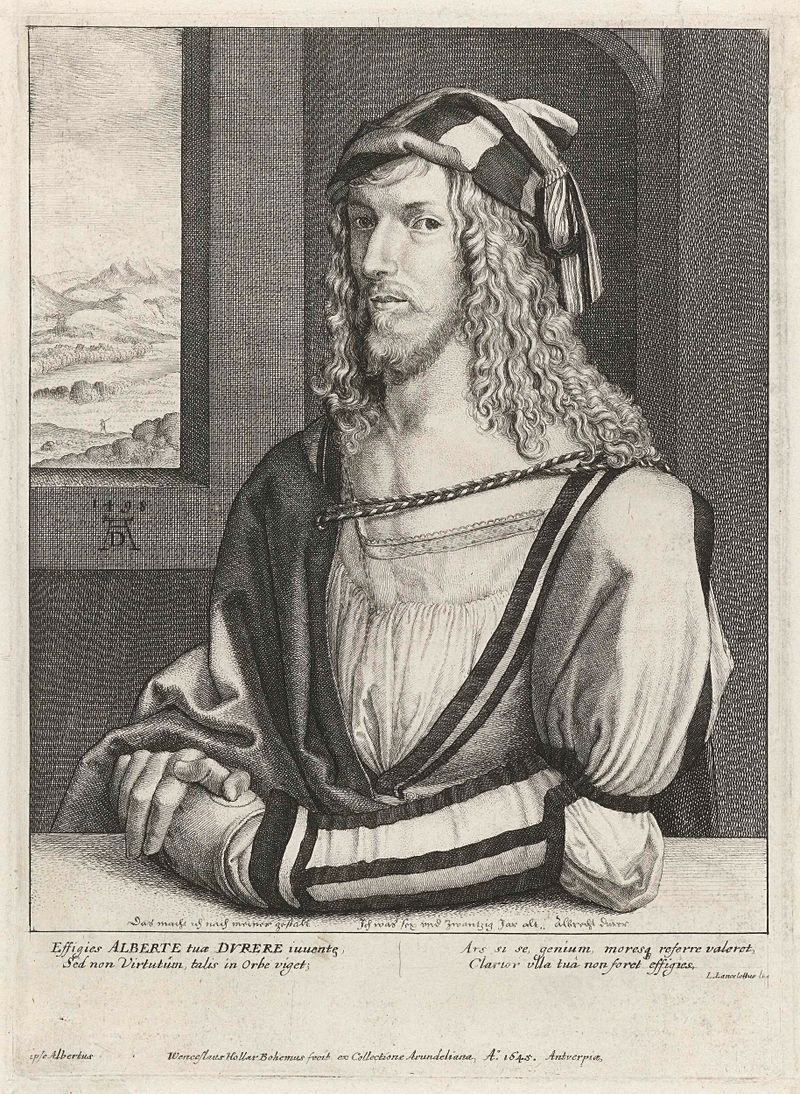
Portret van Albrecht Dürer
Wenceslaus Hollar
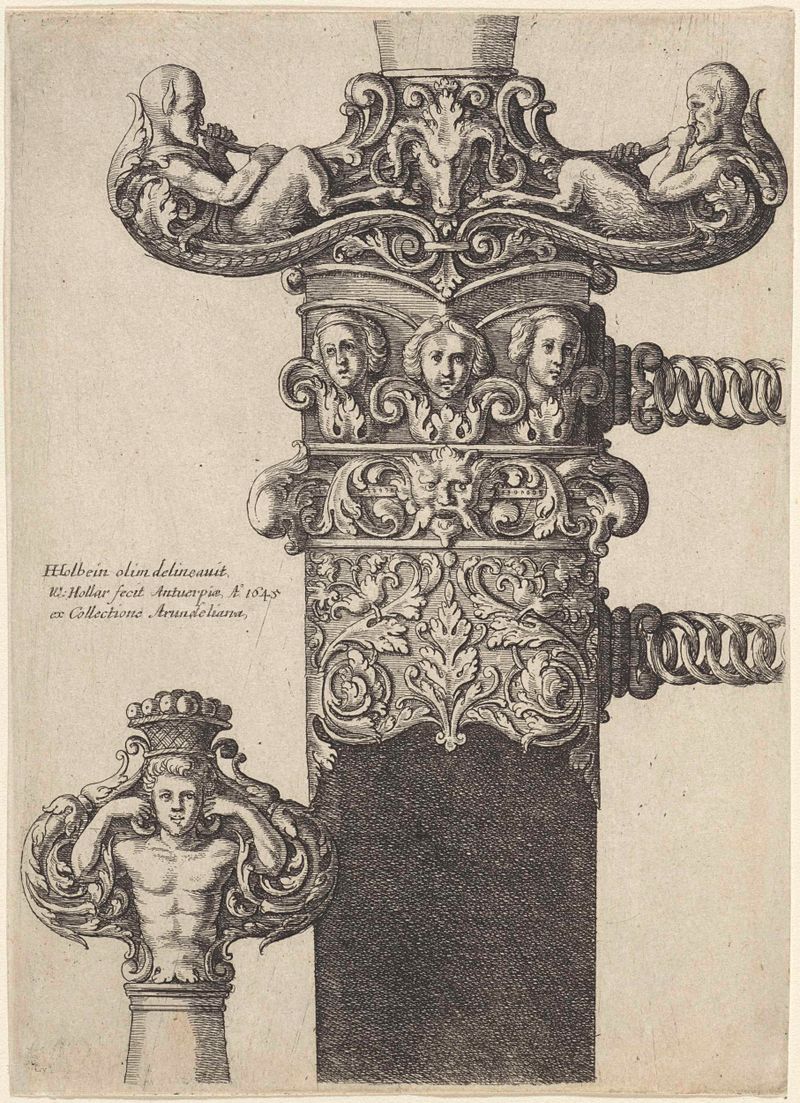
Ornamenteel ontwerp voor een dolk
Wenceslaus Hollar
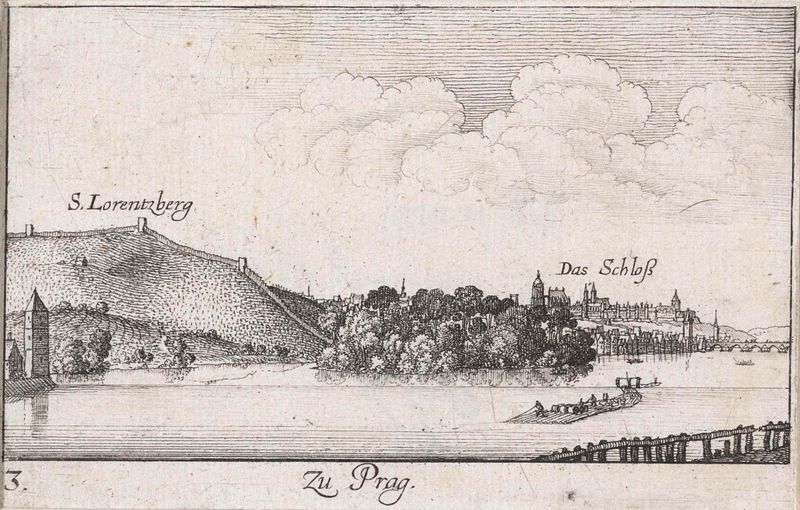
Gezicht op Praag vanaf de Moldau
Wenceslaus Hollar
More Religious Art
Browse all →
The Return of the Prodigal Son
Rembrandt van Rijn

The Garden of Earthly Delights
El Bosco

Count Orgaz’ funeral
El Greco

The Hundred Guilder Print: the central piece with Christ preaching, the plate arched
Rembrandt van Rijn

The Descent from the Cross
Rogier van der Weyden

The return of the prodigal son
Rembrandt van Rijn