
Johannes de Doper spreekt met vier mannen — History & Facts
Can paint confess what words never could? In Johannes de Doper spreekt met vier mannen, an exchange is frozen mid-gesture, where dialogue dances silently beneath the surface. Each figure, poised in their own world, embodies the tension of unspoken thoughts and revelations, hinting at deeper truths that elude verbal articulation. Look to the left at the prophet, his hand raised as if caught in the act of revealing a profound insight. The chiaroscuro of Liefrinck’s technique captures the interplay of light and shadow, framing the men in a glow that emphasizes their expressions.
Notice how the rich hues of their garments contrast against the muted background, drawing your focus to their faces—an array of emotions from skepticism to curiosity, all reflecting the gravity of their encounter. This painting transcends mere representation, weaving a narrative of belief and doubt. The four men, though united in presence, are separated by layers of conviction and skepticism, each grappling with the illusion of knowledge. The subtle details—the furrowed brows, the clasped hands—speak volumes, creating an emotional tension that resonates beyond the canvas, inviting viewers to ponder their own perceptions of faith and understanding. Created in 1553, the artist painted this work during a time when the Reformation was reshaping religious discourse across Europe.
Liefrinck, working in Antwerp, was witnessing a cultural shift where artists began to navigate complex themes of spirituality and personal belief. This context influenced his portrayal of the figures, allowing him to capture not just a moment in time, but the essence of the ideological conflicts of his era.
More Artworks by Hans Liefrinck (I)
Browse all →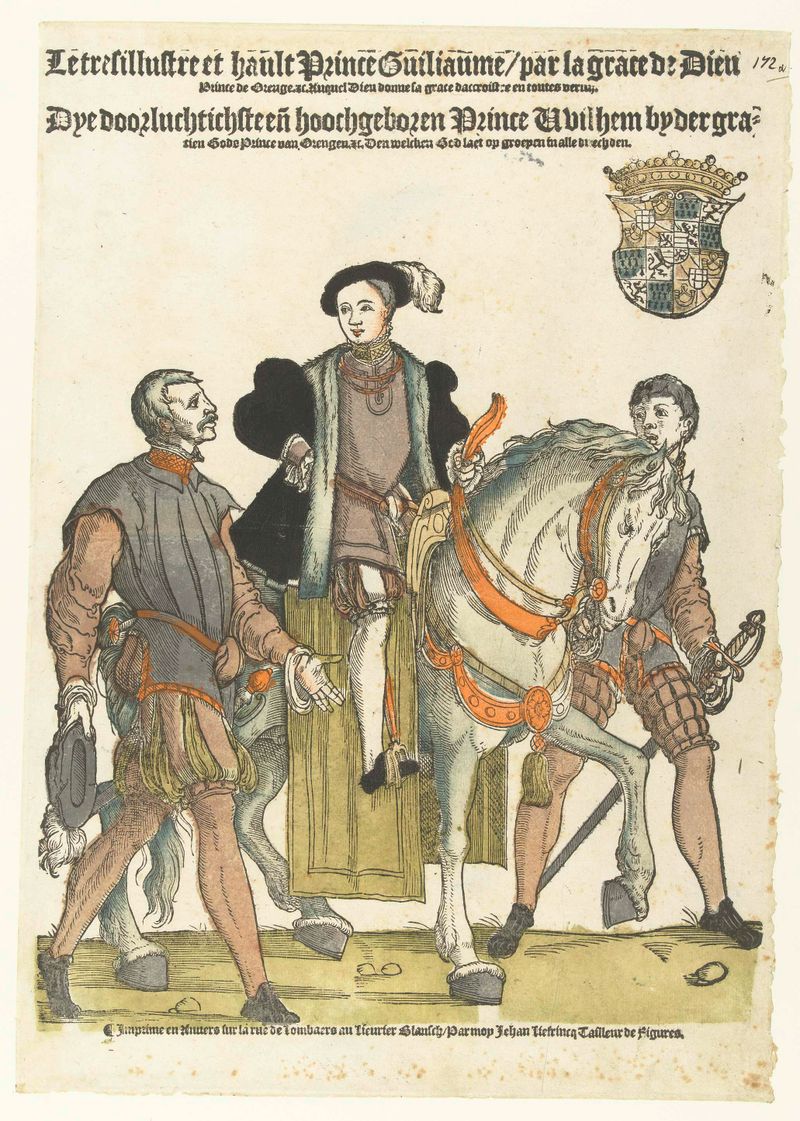
Portret van Willem van Oranje als jongen te paard
Hans Liefrinck (I)
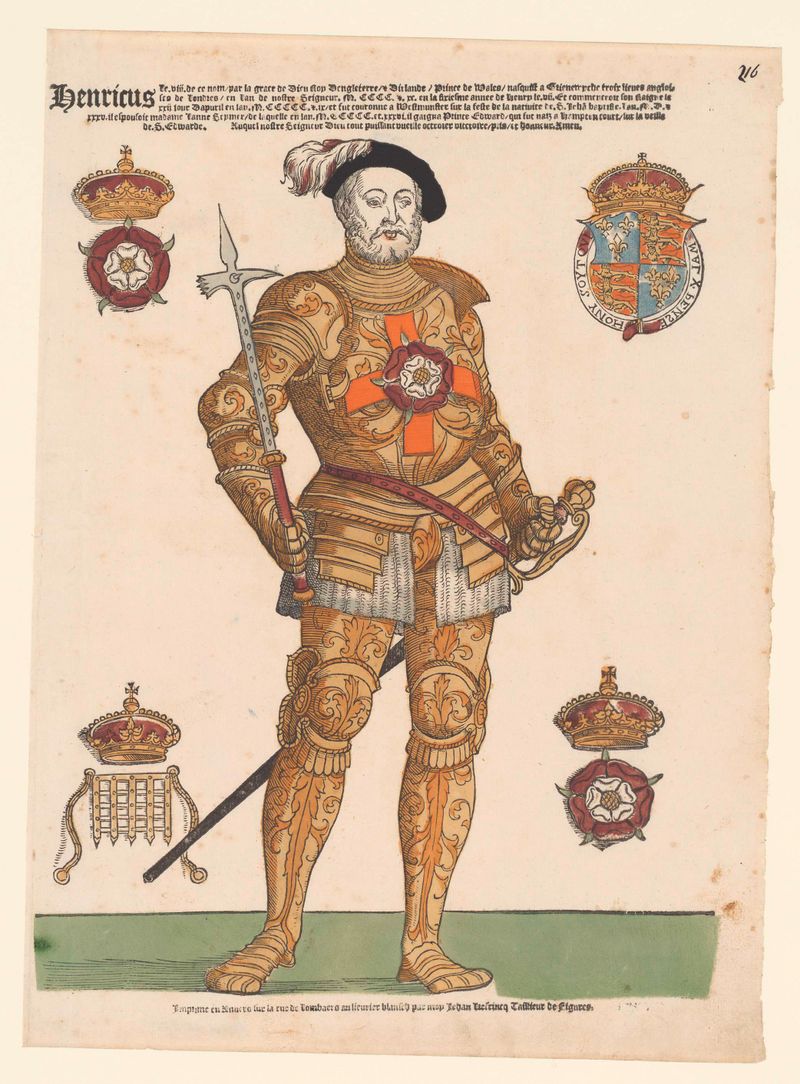
Portret van Hendrik VIII van Engeland
Hans Liefrinck (I)
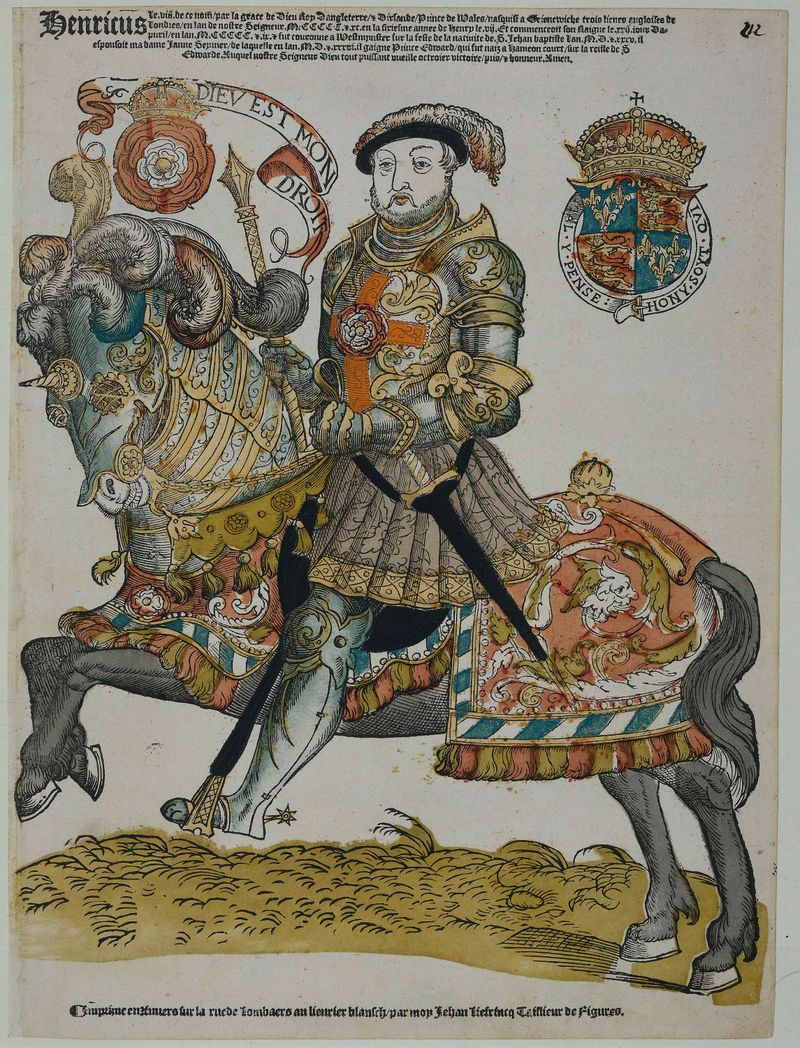
Portret van Hendrik VIII van Engeland
Hans Liefrinck (I)
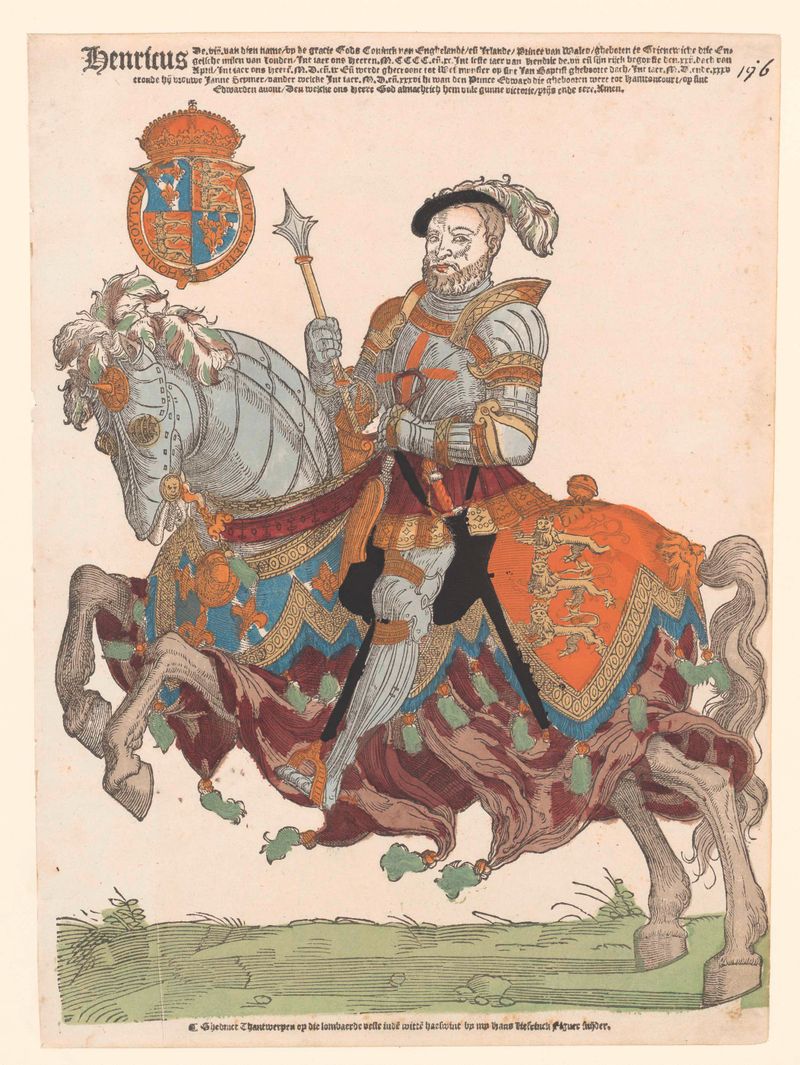
Portret van Hendrik VIII van Engeland
Hans Liefrinck (I)
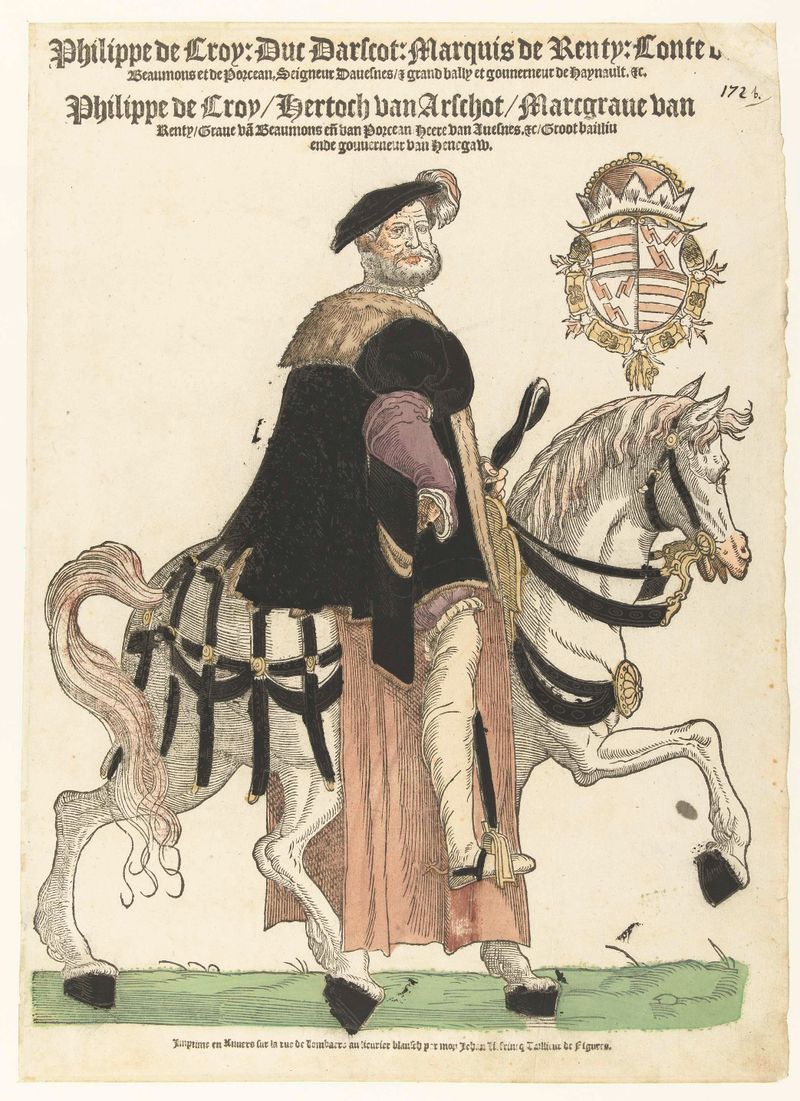
Portret van Filips de Croy te paard
Hans Liefrinck (I)
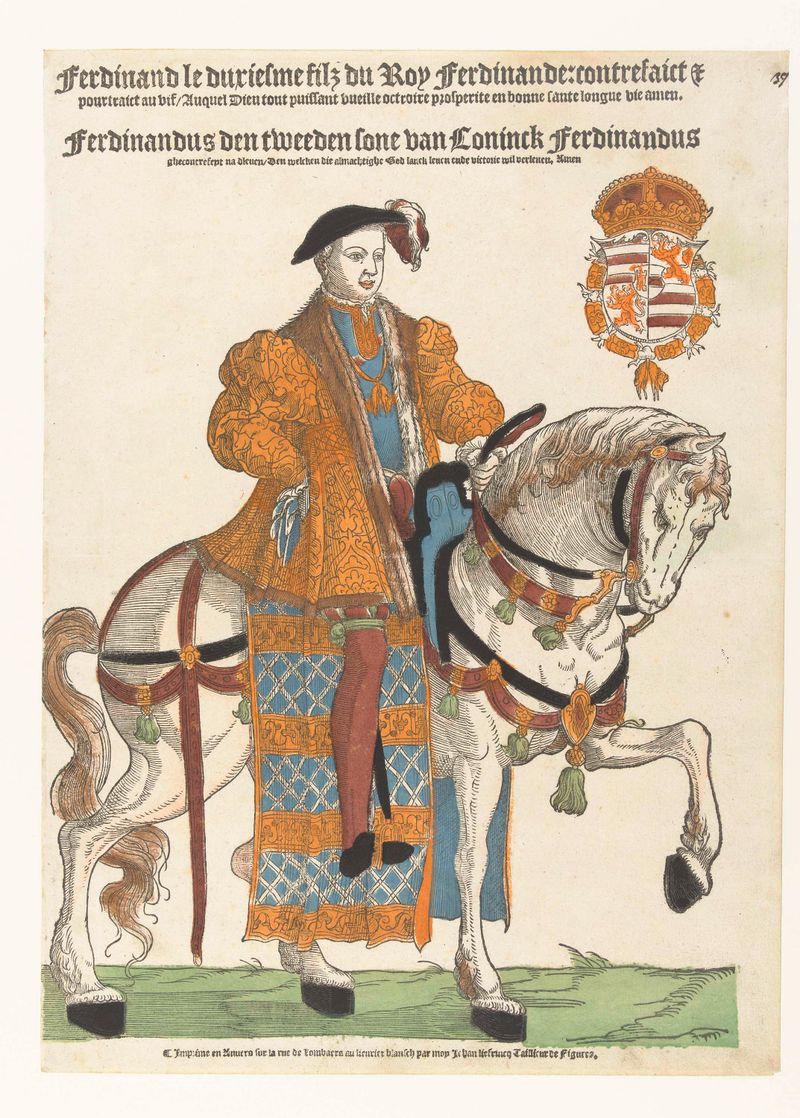
Portret van Ferdinand van Tirol te paard
Hans Liefrinck (I)
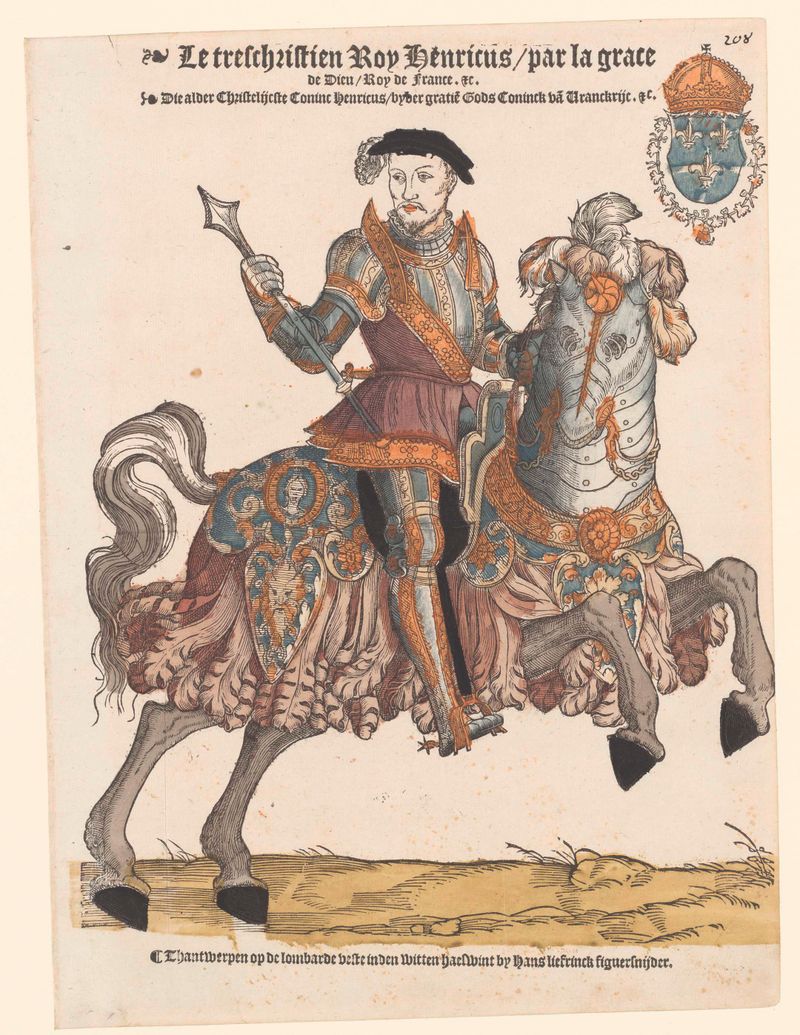
Portret van Hendrik II van Frankrijk in harnas te paard, naar rechts
Hans Liefrinck (I)
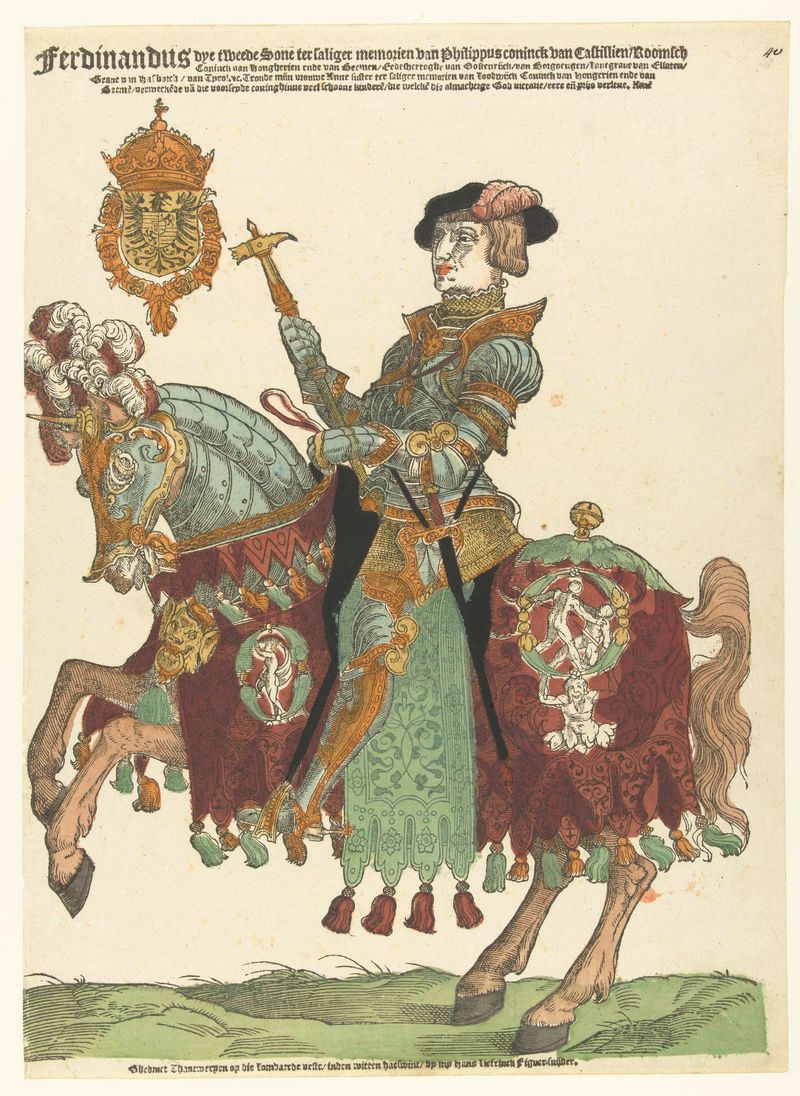
Portret van Ferdinand I van Oostenrijk te paard
Hans Liefrinck (I)
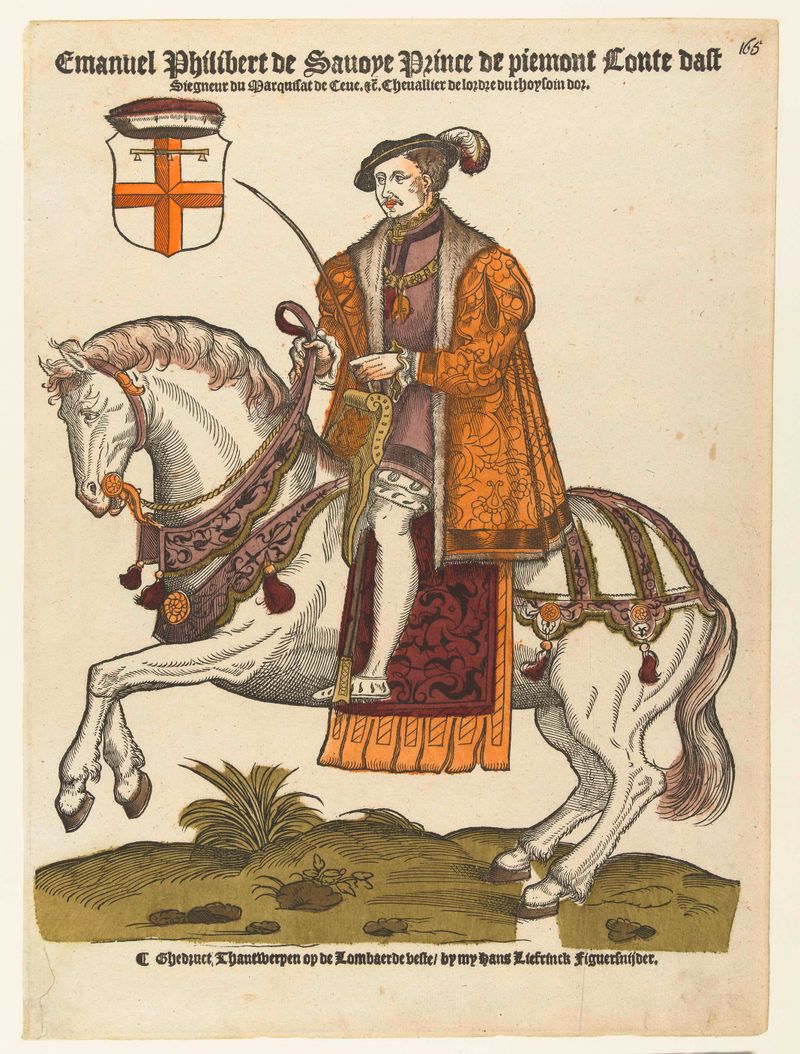
Portret van Emanuel Philibert van Savoye te paard
Hans Liefrinck (I)
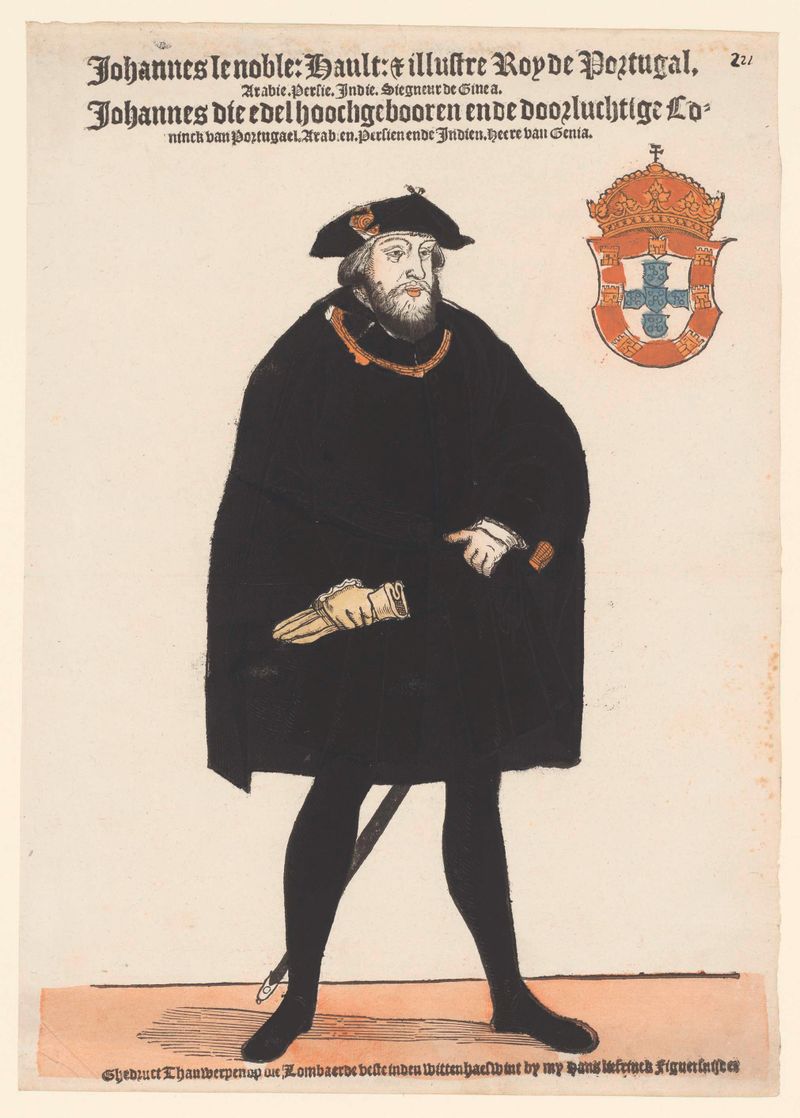
Portret van Johannes III van Portugal
Hans Liefrinck (I)
More Religious Art
Browse all →
The Return of the Prodigal Son
Rembrandt van Rijn

The Garden of Earthly Delights
El Bosco

Count Orgaz’ funeral
El Greco

The Hundred Guilder Print: the central piece with Christ preaching, the plate arched
Rembrandt van Rijn

The Descent from the Cross
Rogier van der Weyden

The return of the prodigal son
Rembrandt van Rijn