
Johannes Flintoe — History & Facts
What first arrests the viewer in Johannes Flintoe by Adolph Tidemand is the intensity of the sitter’s gaze—steady, almost searching, as if the subject is caught in a moment of keen attention. The artist has chosen a stark, uncluttered background, which serves to sharpen our focus on the man’s sharply modeled features and the crisp contrast of his formal attire. The light falls cleanly across his face, accentuating the planes of his cheekbones and brow, while the deep shadows of his coat and the dark backdrop lend a sense of gravity and introspection.
Every detail, from the careful parting of the hair to the precisely tied cravat, signals a portrait meant to convey both dignity and alertness. Painted in 1844, this work belongs to a period when portraiture in Northern Europe was undergoing transformation, balancing between the lingering formality of earlier decades and a growing interest in psychological realism. The sitter’s directness and the restrained palette are hallmarks of mid-19th-century Scandinavian portraiture, where artists like Tidemand sought to capture not just the likeness but the character of their subjects. Little is recorded about the specific commission or early history of this painting, now held in the Norsk portrettarkiv under the care of Riksantikvaren, yet its presence speaks to the era’s desire to memorialize individuals with clarity and respect.
The viewer is left to wonder what thoughts or stories lie behind those watchful eyes, and the painting quietly invites us to linger a little longer.
More Artworks by Adolph Tidemand

Bridal Procession on the Hardangerfjord
Adolph Tidemand
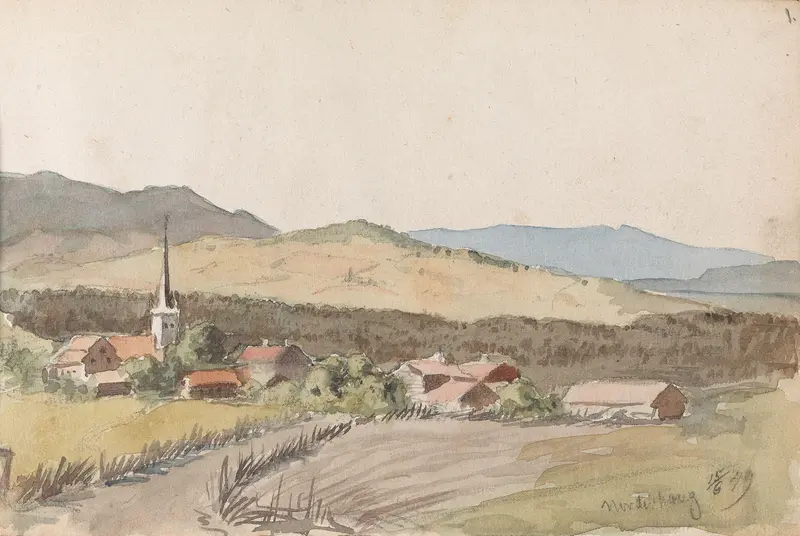
Fra Haugsbygd
Adolph Tidemand
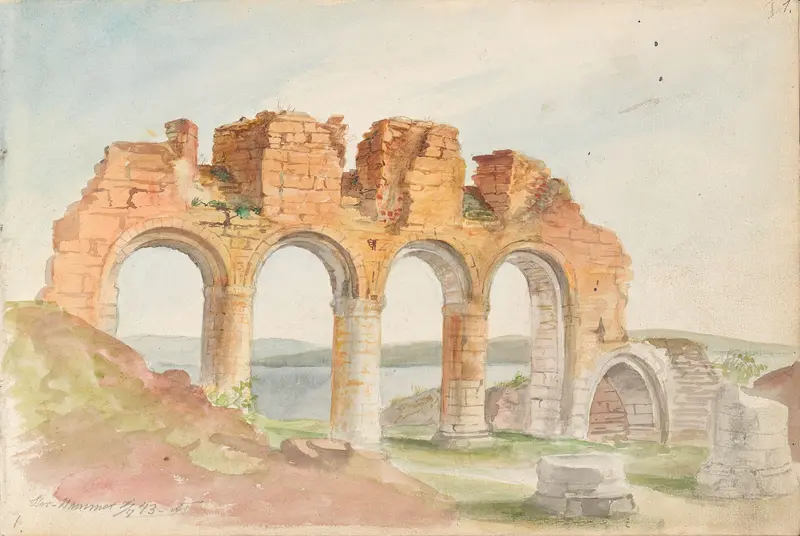
Domkirkeruinen, Hamar
Adolph Tidemand
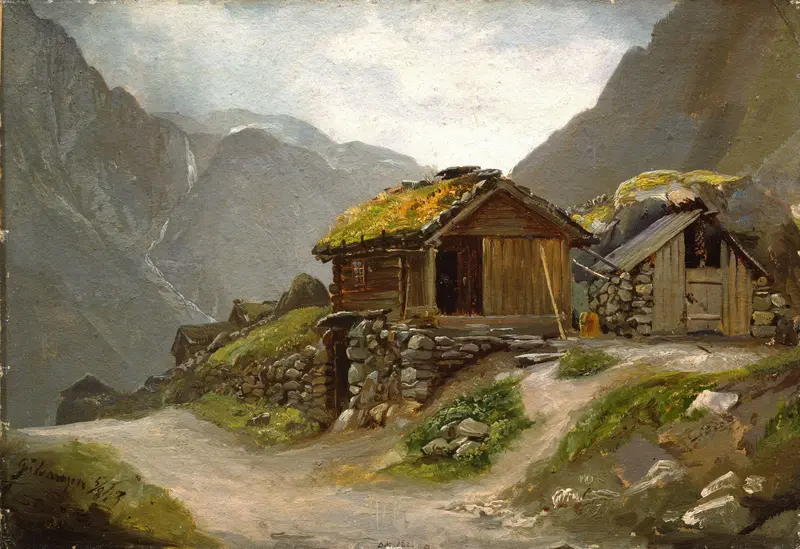
View from Gudvangen
Adolph Tidemand

View of Gudvangen
Adolph Tidemand
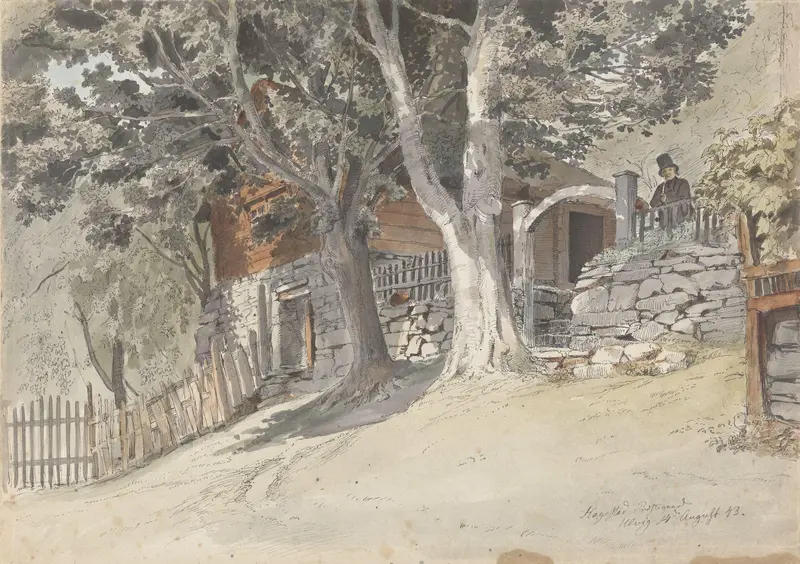
Hagestad prestegård, Ulvik i Hardanger
Adolph Tidemand
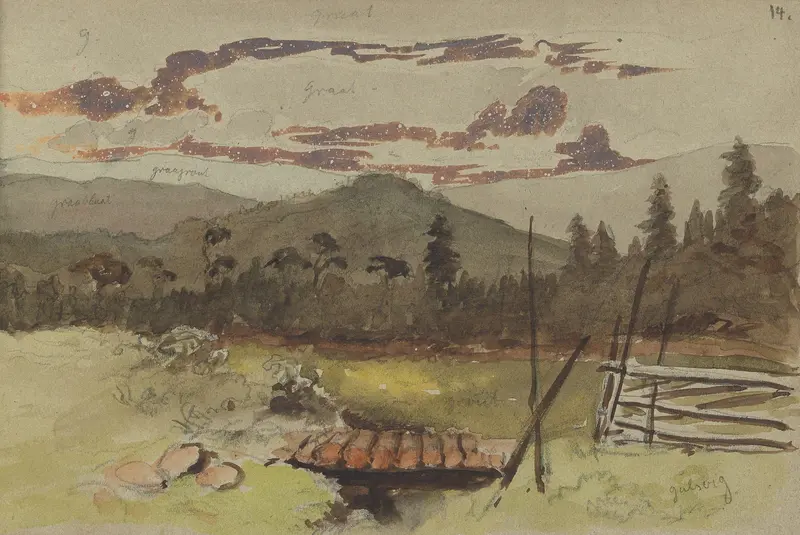
Fra Gulsvik
Adolph Tidemand
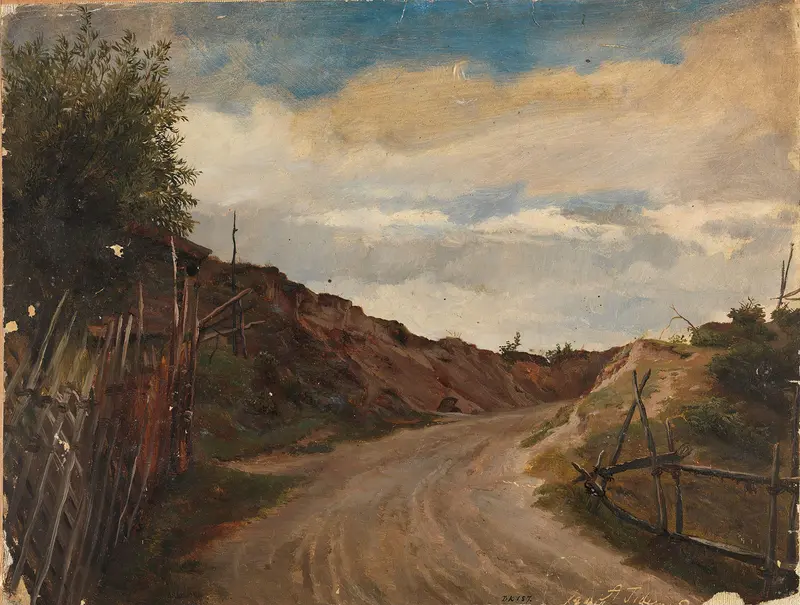
Country Road
Adolph Tidemand
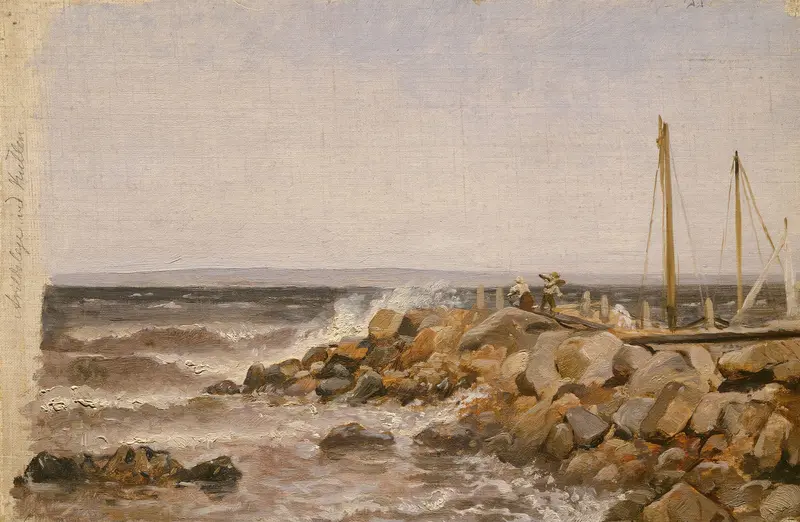
From Kullen in Sweden
Adolph Tidemand
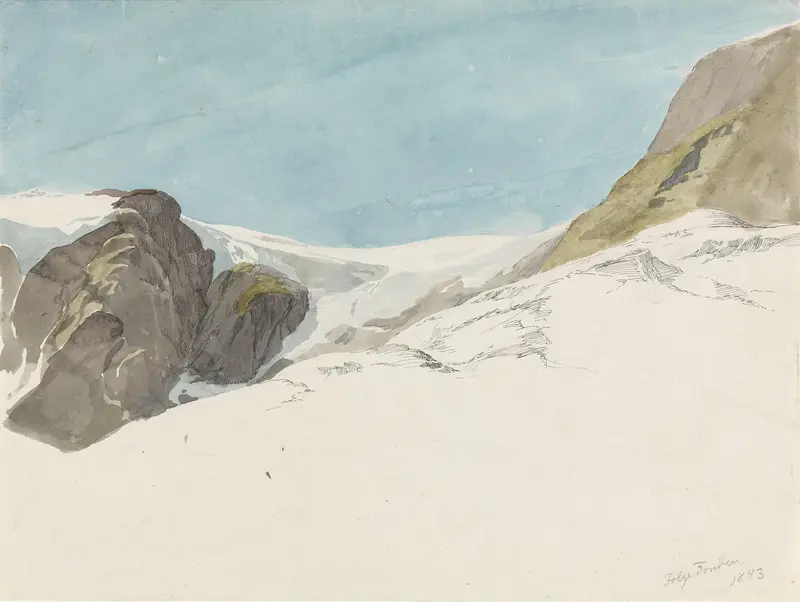
Untitled
Adolph Tidemand





