Jong paar en de Dood — History & Facts
This sentiment echoes in the depths of existence, where the dance between life and death unfolds in haunting elegance. Look to the left at the spectral figure of Death, cloaked in shadow yet intricately detailed, his bony hand reaching towards the unsuspecting couple—an eerie reminder of mortality that hovers just beyond the veil of intimacy. The richly adorned figures of the young couple contrast sharply with the starkness of Death, their vibrant attire gleaming in a palette of reds and golds that evokes life’s fleeting pleasures. Notice how the light gently caresses their faces, illuminating naïveté while casting long shadows, symbolizing the inescapable fate that waits around the corner. Beneath the surface, hidden tensions unravel when we examine the expressions on their faces—innocence colliding with the impending darkness.
The juxtaposition of youth’s vitality against the inevitability of death speaks volumes of humanity’s eternal struggle with mortality, revealing that every joyful moment is tinged with the bittersweet knowledge of its impermanence. The delicate details in their clothing, adorned with symbols of fertility and love, serve as a stark contrast to the skeletal figure of Death, emphasizing this fragile balance between joy and sorrow. Created between 1496 and 1500, this piece emerged during a time when Dürer was deeply engaged in exploring human emotion and the complexities of life. Based in Nuremberg, he navigated the shifting tides of the Renaissance, grappling with themes of mortality and spirituality in a rapidly changing world.
His work reflected not only personal introspection but also the broader cultural anxieties of an era wrestling with the specter of death amidst burgeoning humanism.
More Artworks by Albrecht Dürer
Browse all →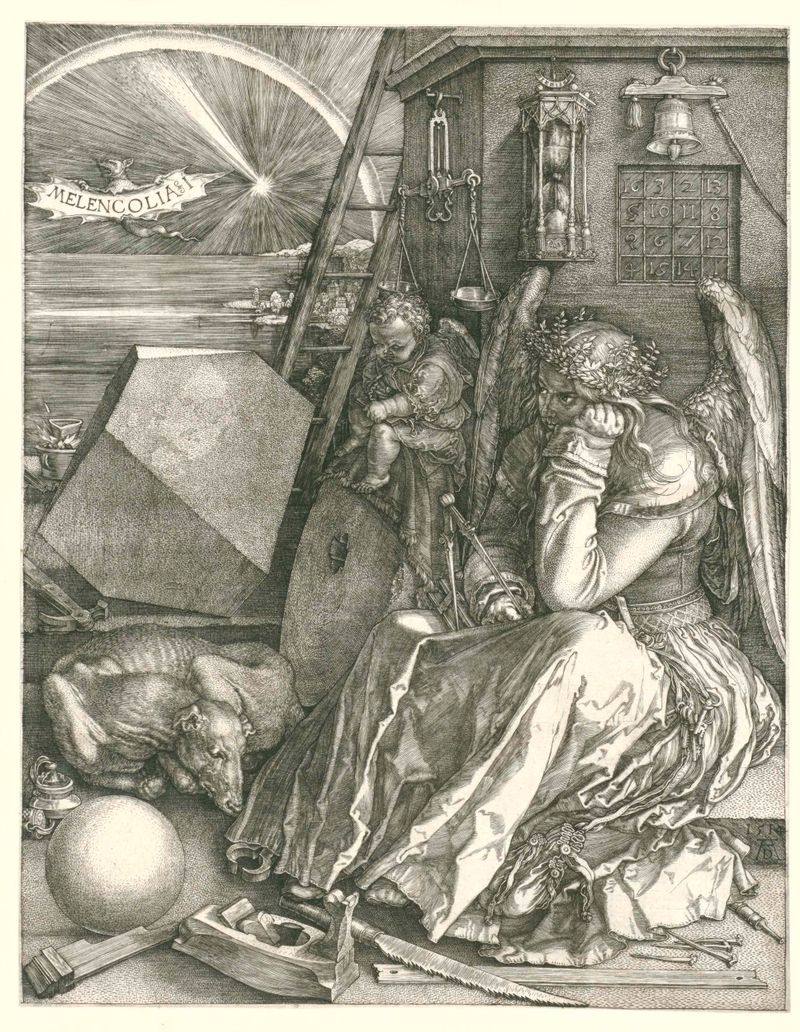
Melancholia
Albrecht Dürer
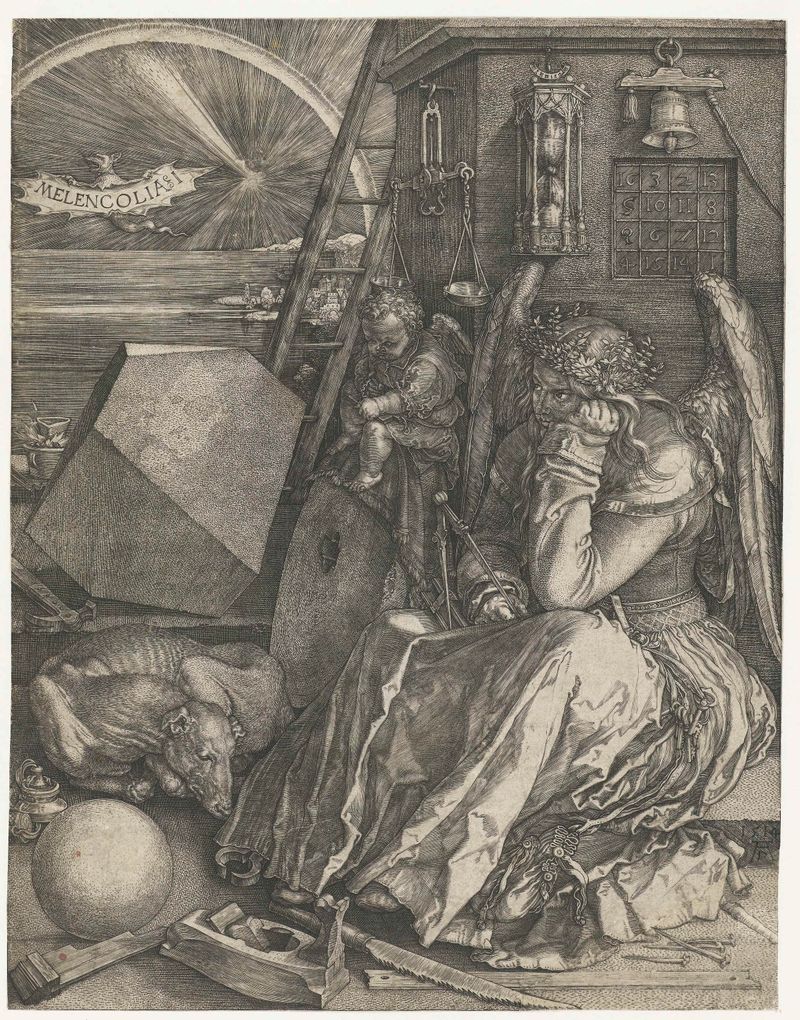
Melancholie
Albrecht Dürer

Neushoorn
Albrecht Dürer
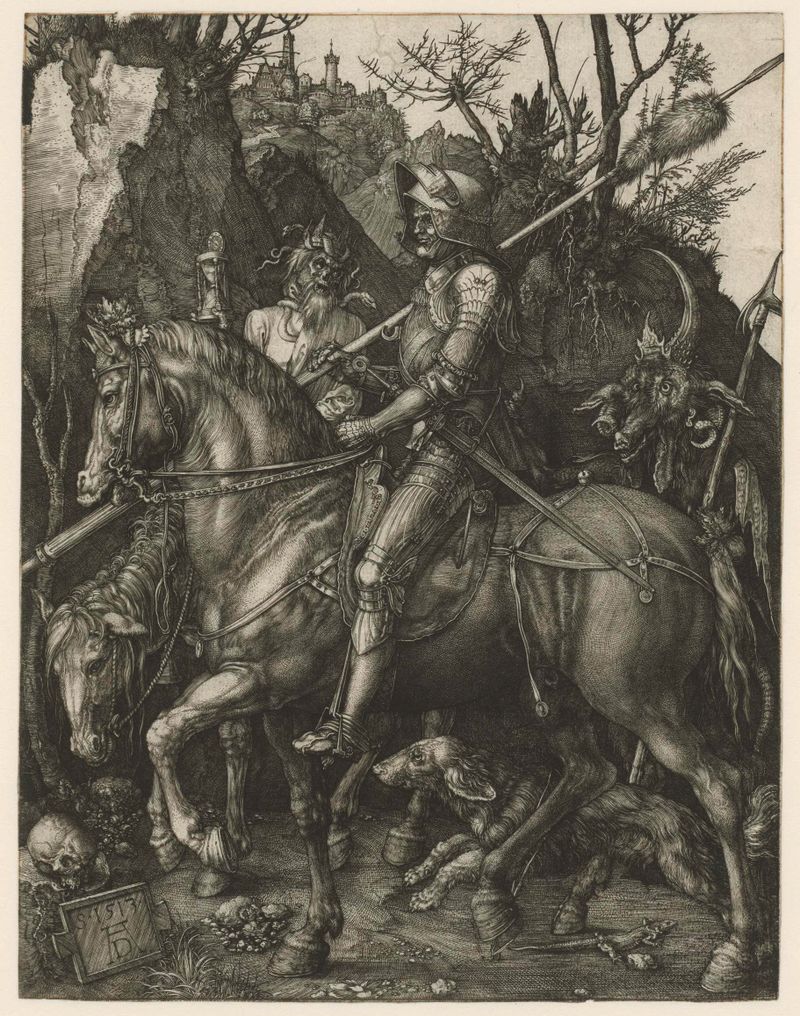
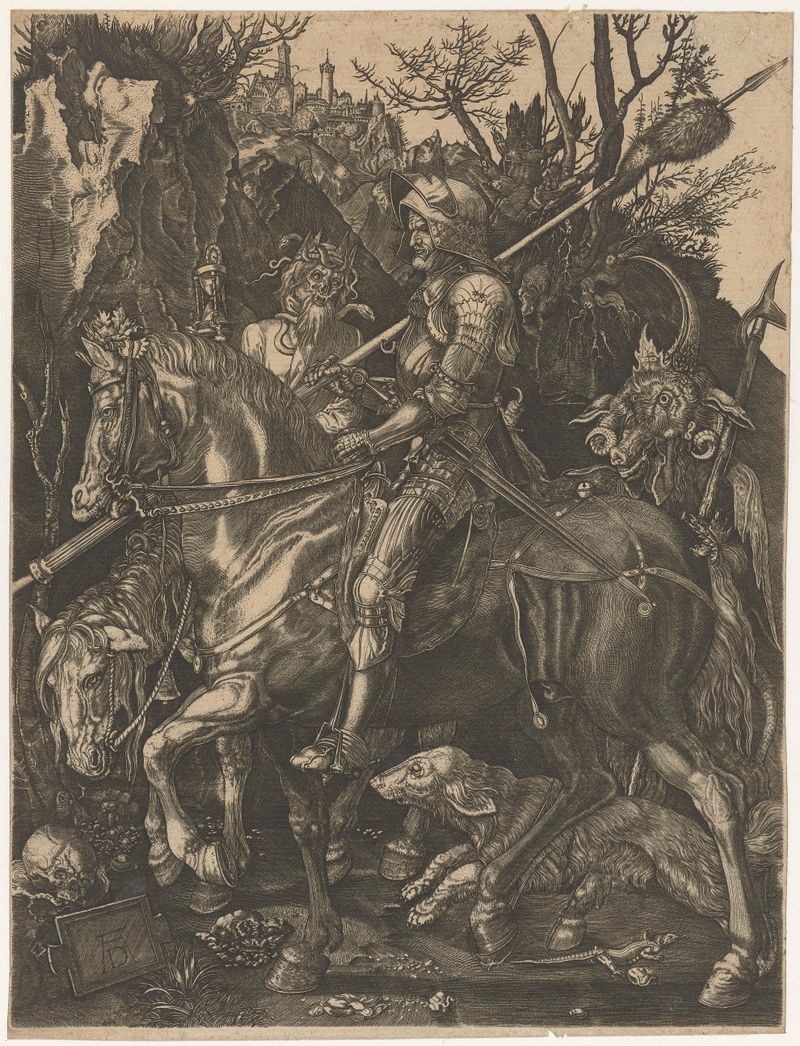
Knight, Death, and the Devil
Albrecht Dürer

De vier ruiters van de apocalyps
Albrecht Dürer

De vier ruiters van de apocalyps
Albrecht Dürer
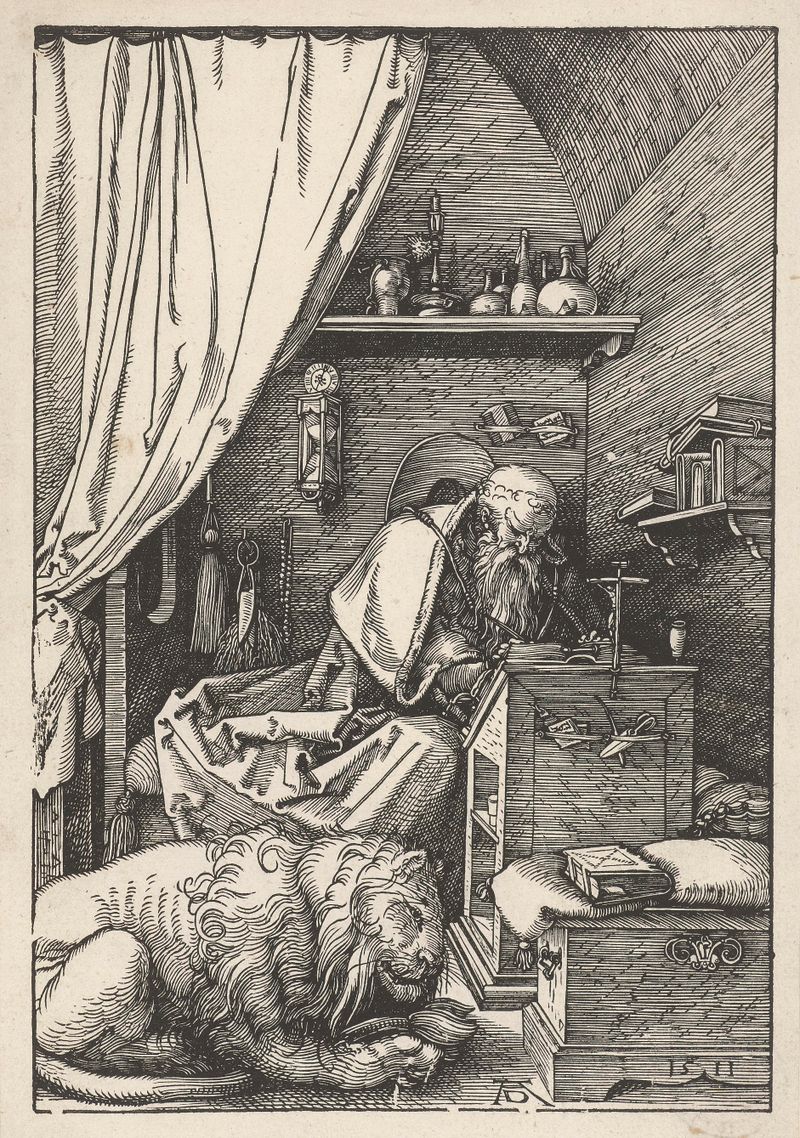
De Heilige Hiëronymus in zijn studeervertrek
Albrecht Dürer
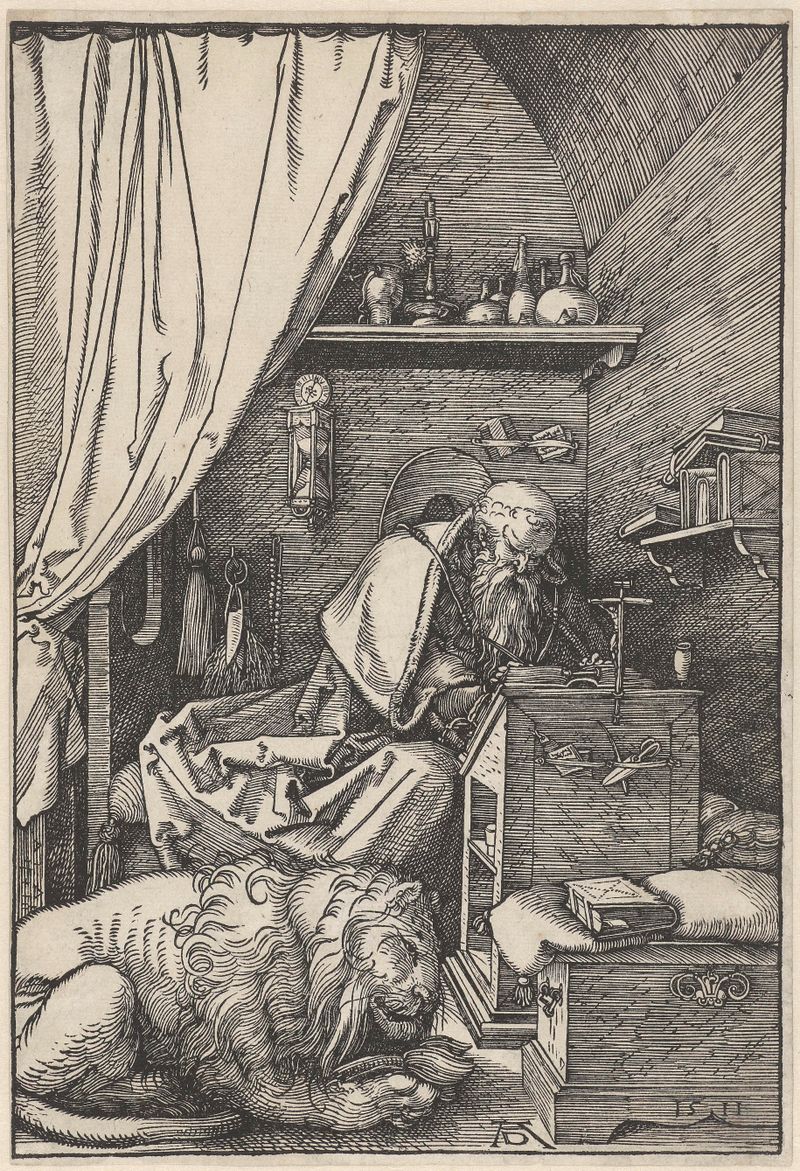
De Heilige Hiëronymus in zijn studeervertrek
Albrecht Dürer
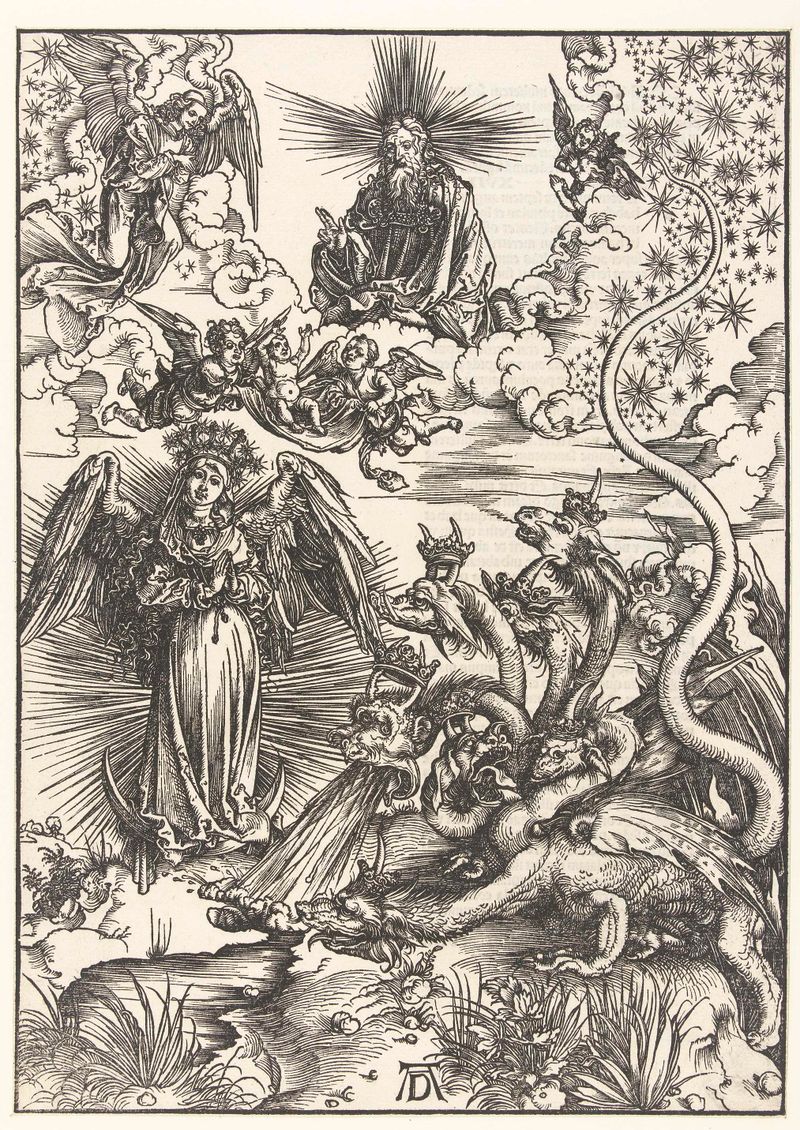
De apocalyptische vrouw en de zevenkoppige draak
Albrecht Dürer
Adam en Eva
Albrecht Dürer