
Jongeman met zwarte hoed, grote kraag en sabel — History & Facts
It invites reflection on the nature of existence and the essence of identity. In the simplicity of a solitary figure, we find ourselves questioning the layers that conceal and reveal. Look to the center of the composition, where a young man stands confidently, adorned in a striking black hat and a voluminous collar that frames his face. The meticulous lines of his attire, deftly etched, contrast against the muted backdrop, creating a sense of depth and dimension.
The subtle interplay of light and shadow across his features accentuates the solemnity in his expression, while the gleam of the saber at his side suggests both strength and vulnerability. Hollar’s skillful handling of ink gives the figure a remarkable clarity, inviting viewers to linger on the details that define his character. Delve deeper into this portrayal, and you’ll uncover feelings of tension between authority and fragility. The saber, a symbol of power, stands juxtaposed to the delicate nature of youth, suggesting a profound moment of transition.
The starkness of the monochromatic palette serves to heighten the emotional gravity, allowing us to meditate on the weight of choices and the looming challenges of adulthood. This duality within the artwork transcends time, resonating with anyone grappling with the complexities of their own journey. Created in 1646, this piece reflects Hollar's transition into a life of exile in London, away from his native Bohemia due to the Thirty Years' War. During this time, he was deeply influenced by the Baroque style, which emphasized detail and dramatic expression.
The artwork encapsulates not only the historical context of a war-torn Europe but also Hollar's determination to capture the human spirit amidst turmoil, making each stroke of his pen resonate with a quiet yet powerful urgency.
More Artworks by Wenceslaus Hollar
Browse all →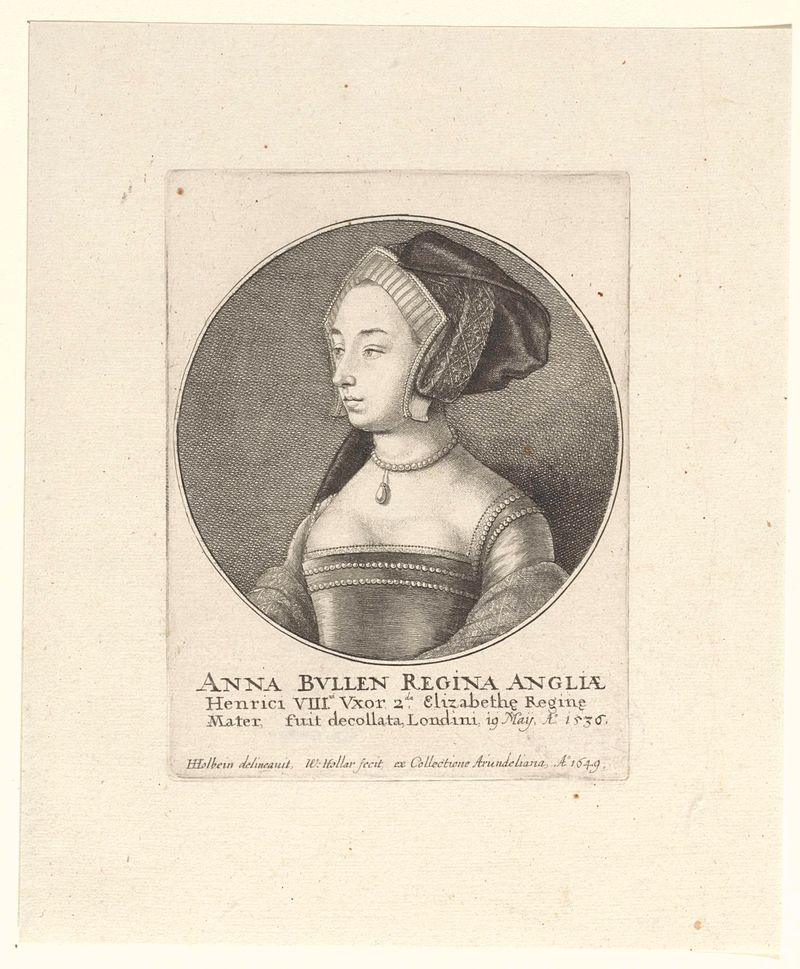
Portret van Anna Boleyn, koningin van Engeland
Wenceslaus Hollar
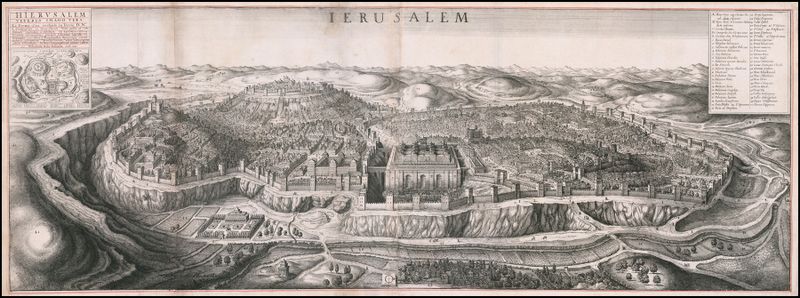
Bird’s eye view of Jerusalem
Wenceslaus Hollar
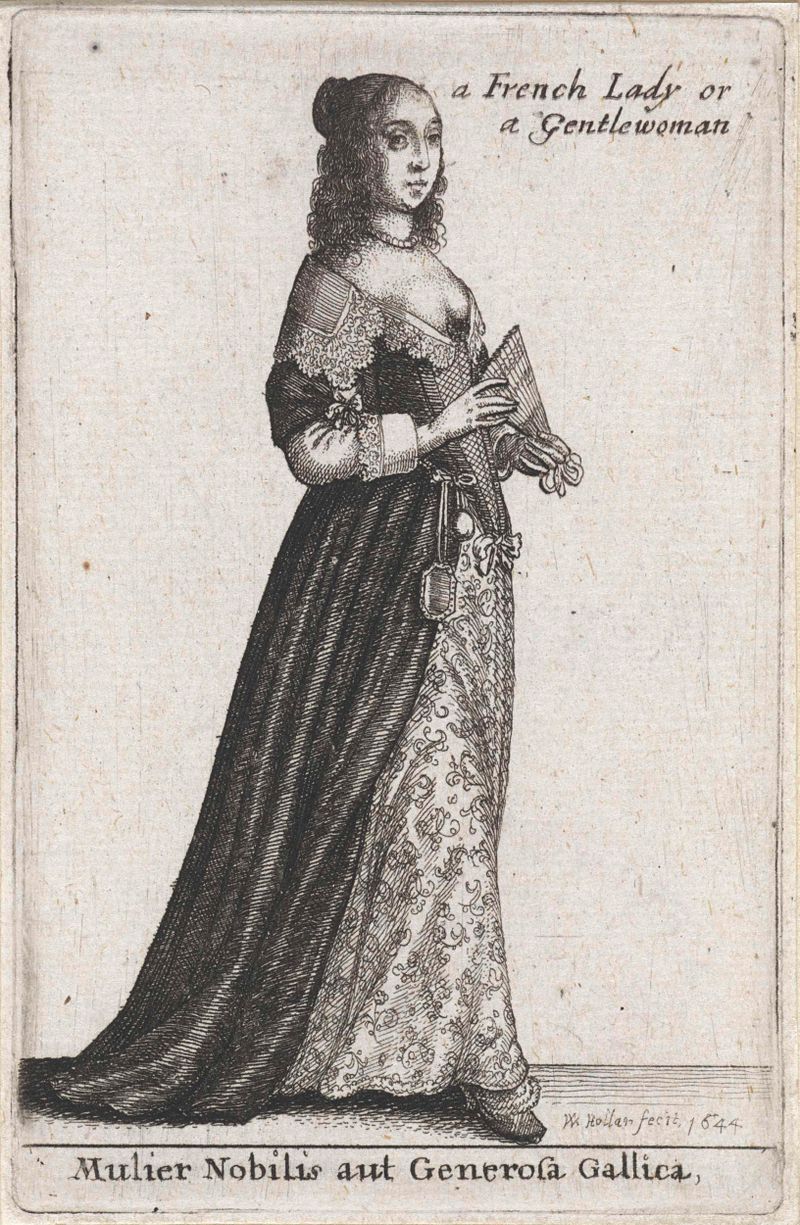
Mulier Nobilis aut Generosa Gallica / a French Lady or Gentlewoman
Wenceslaus Hollar
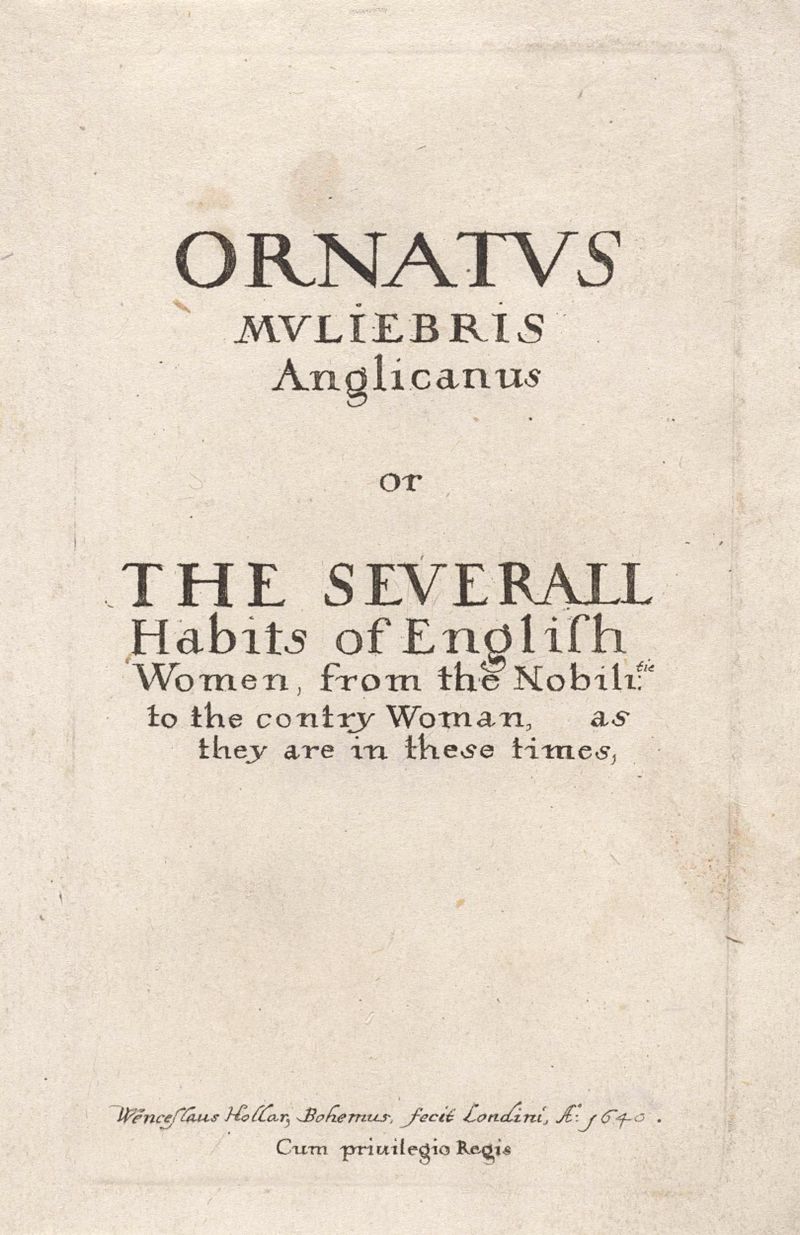
Titelprent voor: Ornatus Muliebris Anglicanus
Wenceslaus Hollar
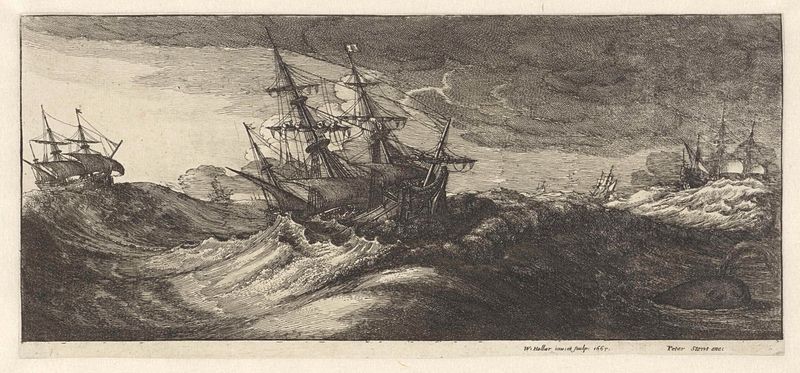
Oorlogsschepen en een walvis in een zeestorm
Wenceslaus Hollar
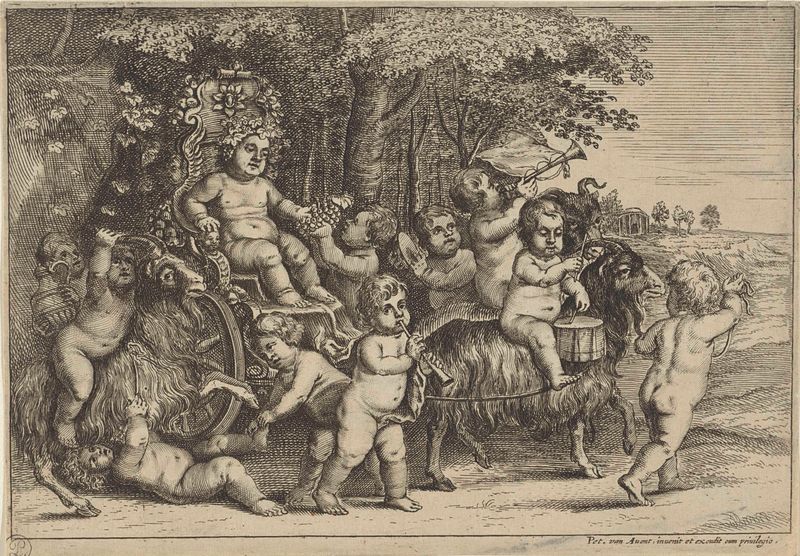
Optocht van bacchant en jongetjes op geiten
Wenceslaus Hollar
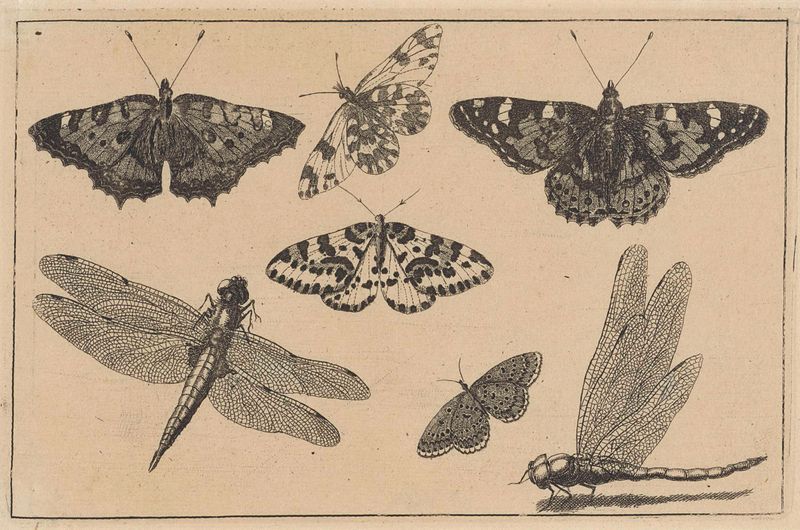
Twee libellen en vijf vlinders
Wenceslaus Hollar
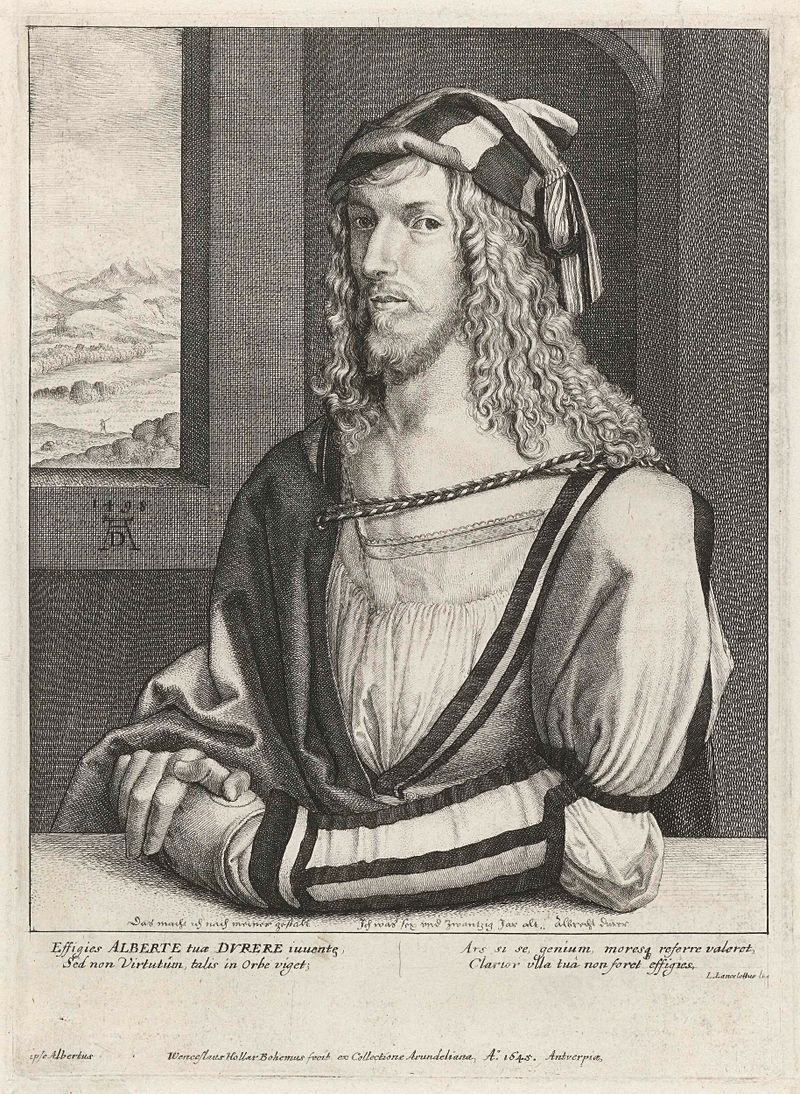
Portret van Albrecht Dürer
Wenceslaus Hollar
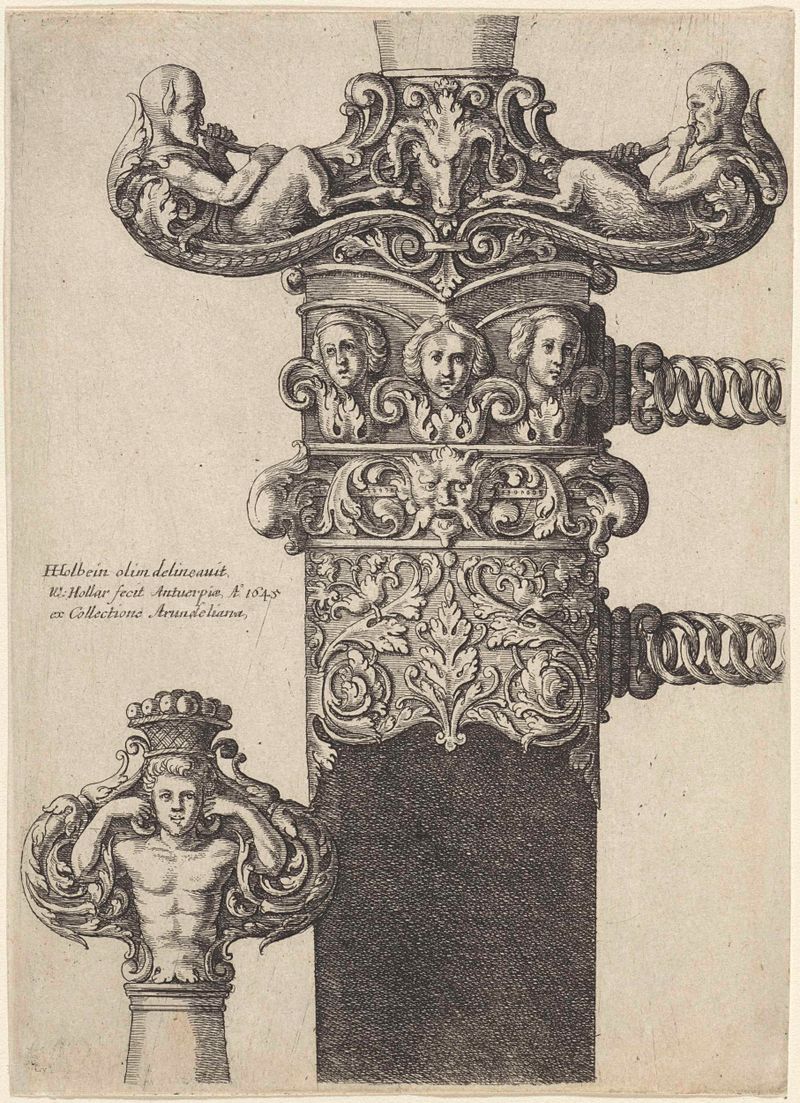
Ornamenteel ontwerp voor een dolk
Wenceslaus Hollar
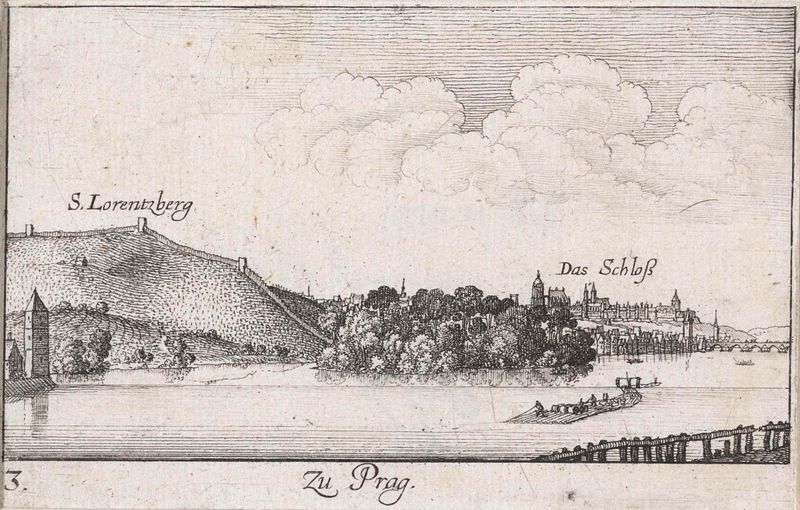
Gezicht op Praag vanaf de Moldau
Wenceslaus Hollar
More Portrait Art
Browse all →
Las meninas
Diego Velázquez

Self-portrait with a Bandaged Ear and Pipe
Unidentified artist

Girl with a Pearl Earring
Johannes Vermeer

The Sampling Officials of the Amsterdam Drapers’ Guild, Known as ‘The Syndics’
Rembrandt van Rijn

The Hundred Guilder Print: the man seen on the back in the lower left corner
Rembrandt van Rijn

Portrait of Dr Gachet
Vincent van Gogh