
Joris (Georgius) staand met lans en twee engelen — History & Facts
In Joris (Georgius) staand met lans en twee engelen, the essence of movement is captured in the poised stance of its subject, poised between earth and the divine. Look to the center where Joris stands confidently, a lance in hand, framed by two ethereal angels. The vibrant crimson and deep greens of his attire contrast sharply with the soft, luminous glow of the angels' wings, drawing the eye and suggesting a dynamic interplay between the corporeal and the celestial. Each detail, from the intricate embroidery of his garment to the delicate features of the angels, is rendered with meticulous care, creating a sense of depth and life.
The play of light across Joris's figure accentuates his noble bearing, while the gentle gestures of the angels convey both reverence and motion. Beneath the surface, the painting radiates emotional tension. The lance, a symbol of protection and valor, hints at conflict and the burden of duty. Meanwhile, the angels' expressions suggest an unspeakable connection to the divine, framing Joris in a moment of consecration.
This juxtaposition of strength and sanctity evokes a dialogue between earthly challenges and heavenly support, inviting viewers to contemplate their own struggles against a backdrop of transcendent grace. Lucas Cranach created this work in 1506, during a time when he was establishing himself as a leading artist in the early Reformation era in Germany. His innovative use of color and detail coincided with the growing influence of humanism and the exploration of individual identity in art. Cranach's engagement with religious themes was reflective of the broader changes in society, as he navigated both the political landscape and the shifting tides of faith.
More Artworks by Lucas Cranach (I)
Browse all →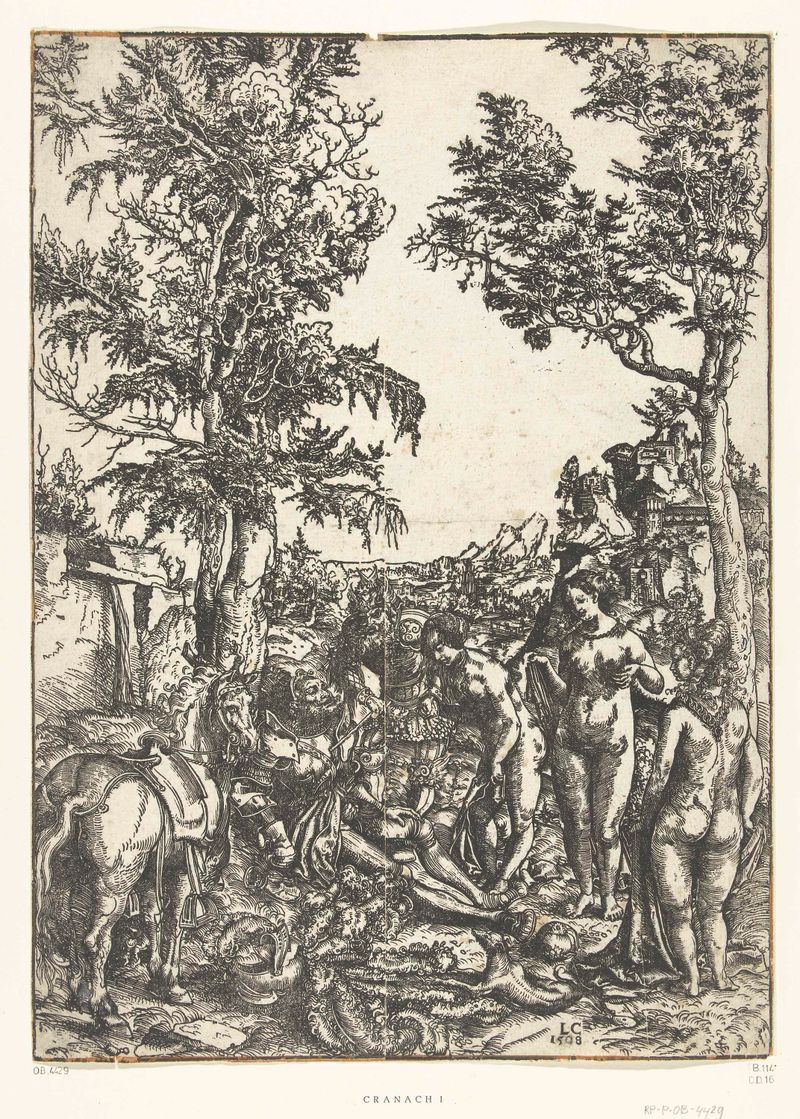
Oordeel van Paris
Lucas Cranach (I)
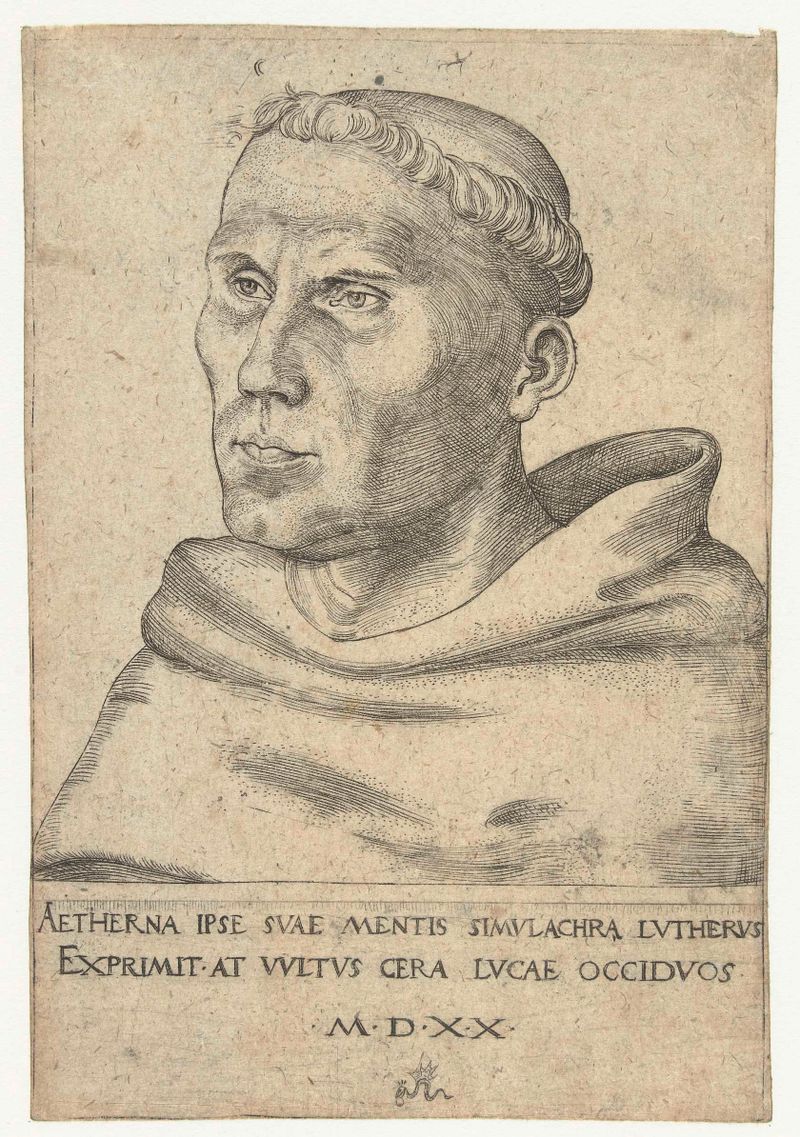
Portret van Martin Luther als Augustijner monnik
Lucas Cranach (I)
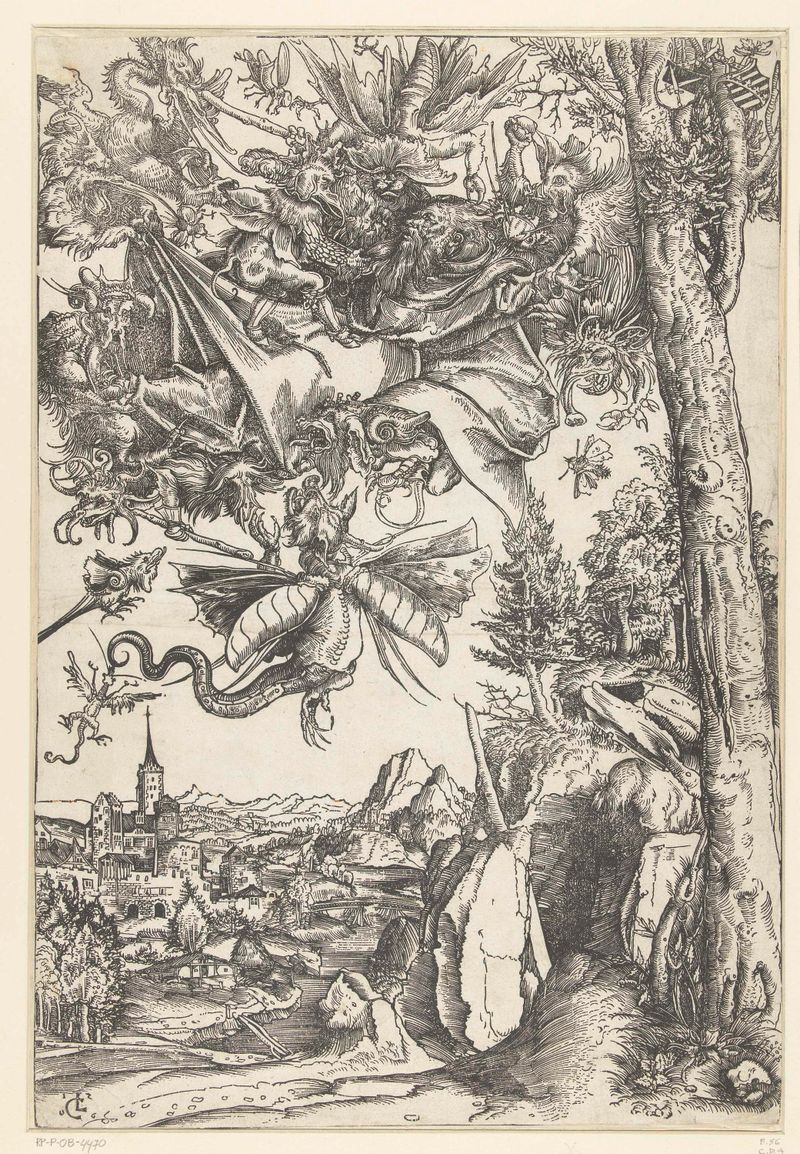
Verzoeking van Antonius met aanval door demonen
Lucas Cranach (I)

Christus en de Samaritaanse vrouw
Lucas Cranach (I)

Duits toernooi met twee edelmannen als ridders te paard
Lucas Cranach (I)
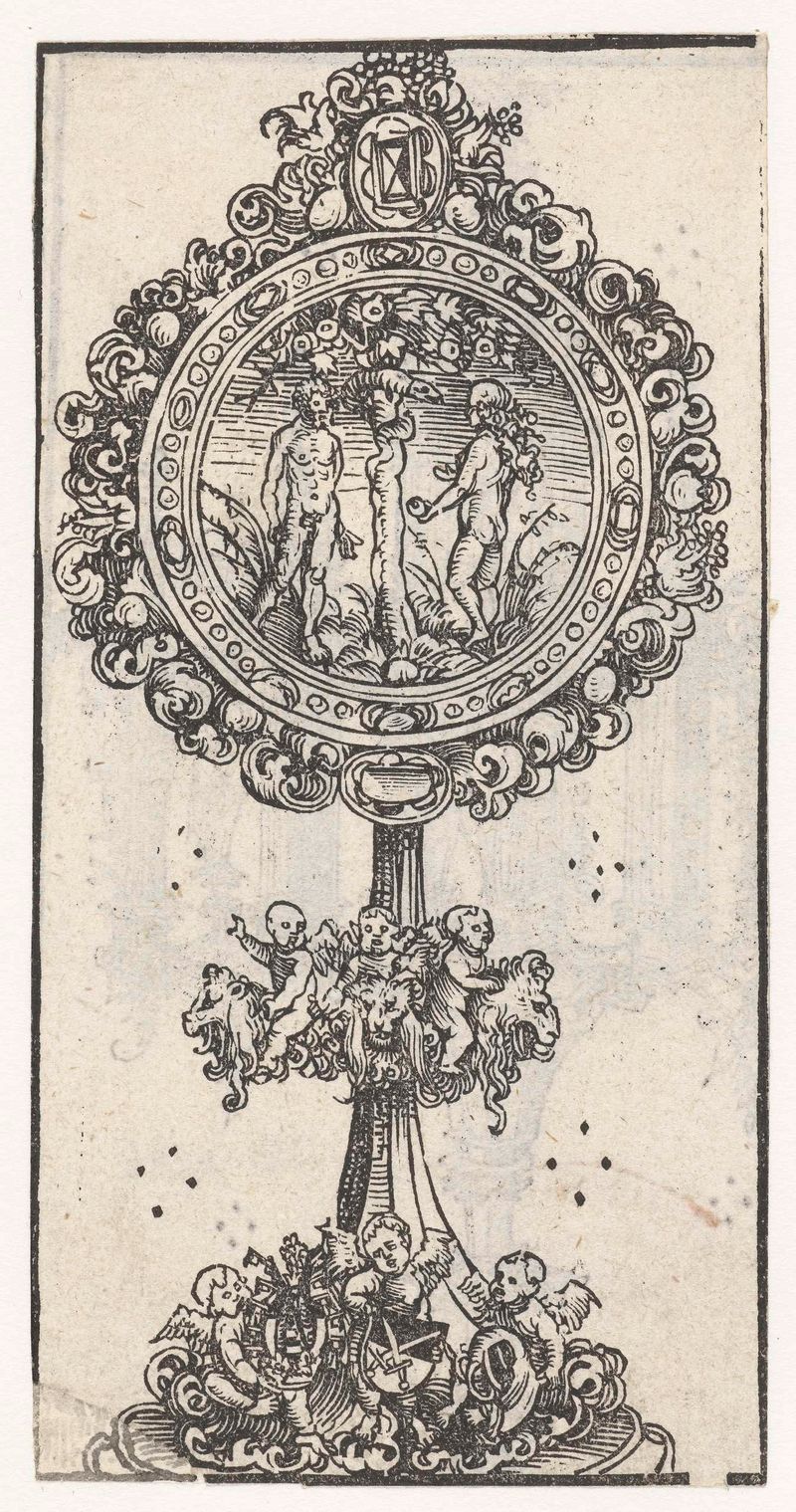
Reliekhouder met de verzoeking van Adam en Eva
Lucas Cranach (I)

Intocht van Christus in Jerusalem
Lucas Cranach (I)
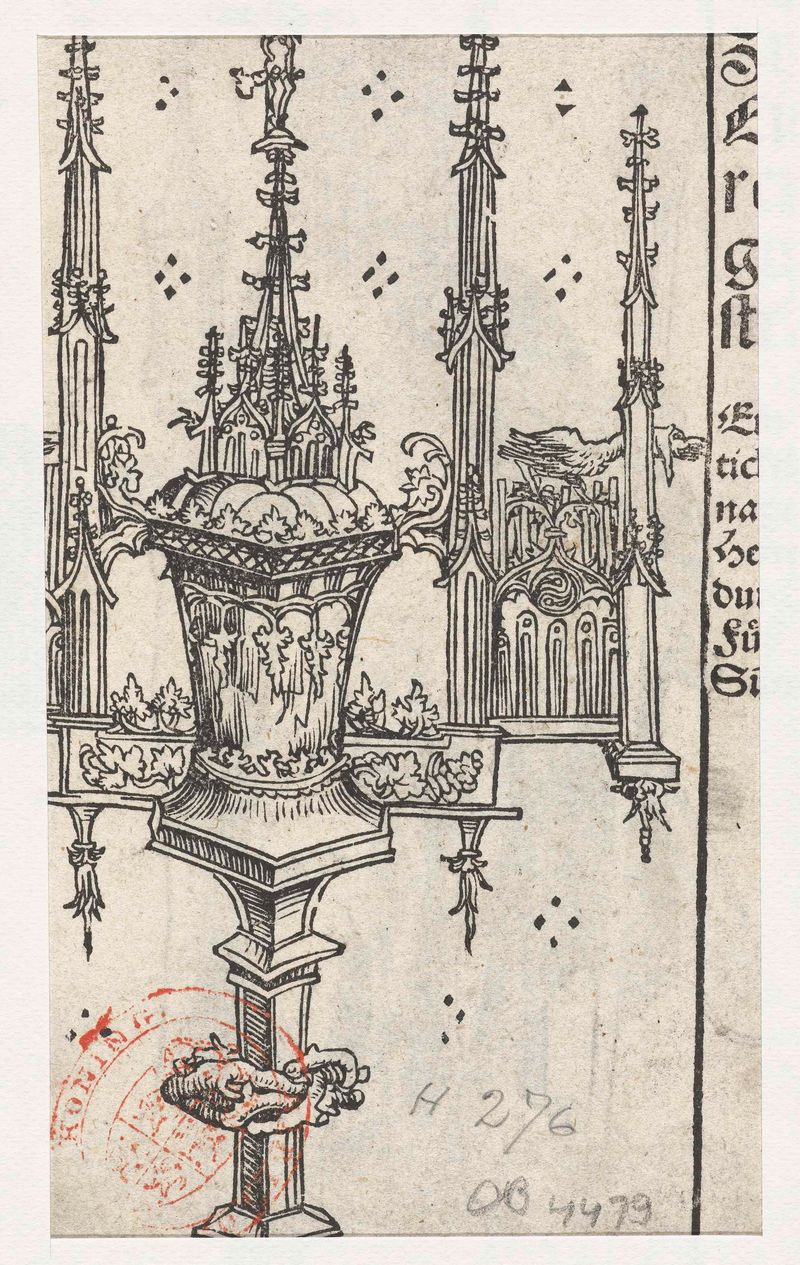
Monstrans met vogel (pelikaan)
Lucas Cranach (I)
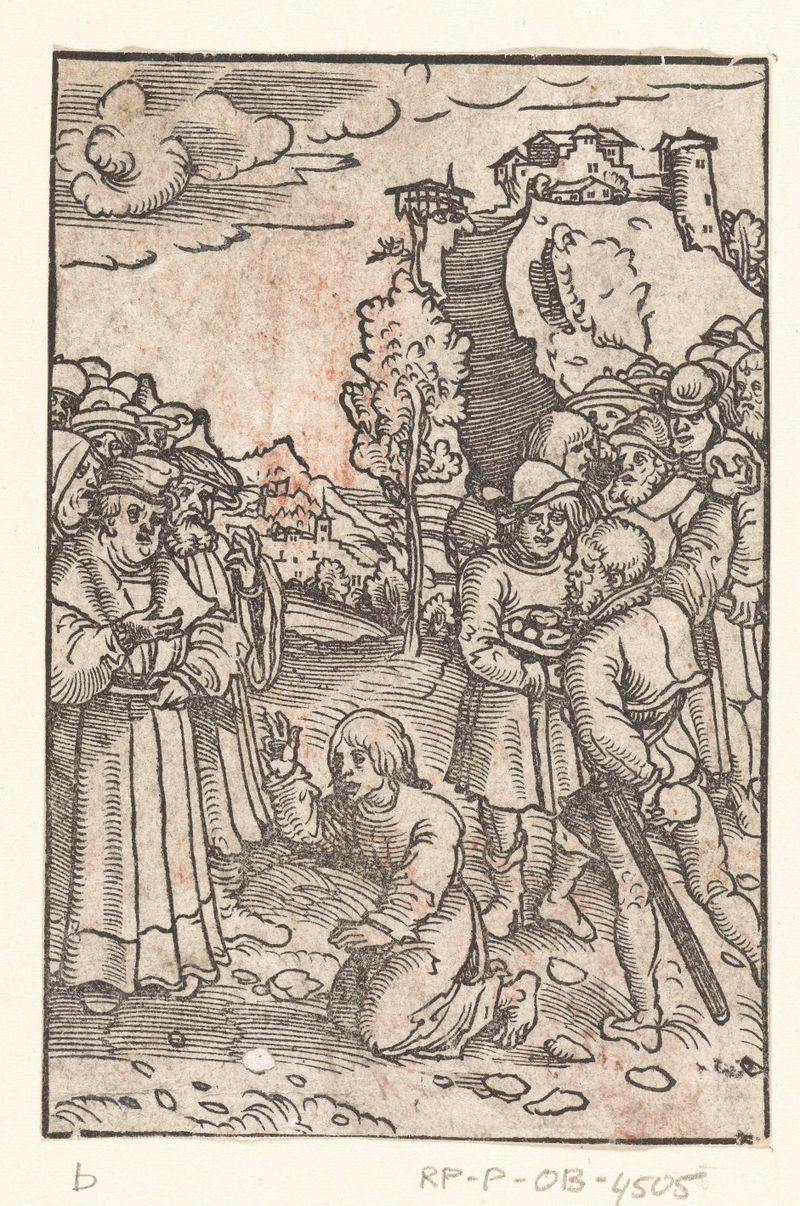
Steniging van Stefanus
Lucas Cranach (I)
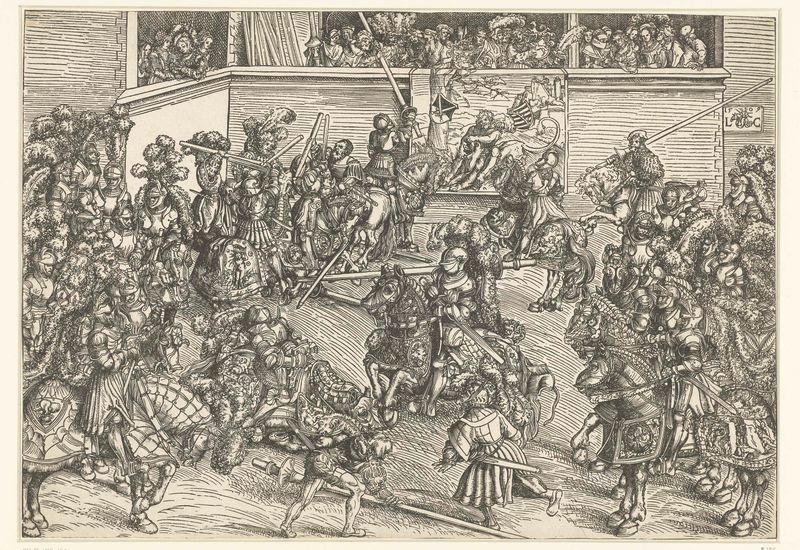
Toernooi van het keurvorstelijk hof van Saksen met wandtapijt Simson doodt de leeuw
Lucas Cranach (I)
More Portrait Art
Browse all →
Las meninas
Diego Velázquez

Self-portrait with a Bandaged Ear and Pipe
Unidentified artist

Girl with a Pearl Earring
Johannes Vermeer

The Sampling Officials of the Amsterdam Drapers’ Guild, Known as ‘The Syndics’
Rembrandt van Rijn

The Hundred Guilder Print: the man seen on the back in the lower left corner
Rembrandt van Rijn

Portrait of Dr Gachet
Vincent van Gogh