
Joseph telling his dreams — History & Facts
What if silence could speak through light? In Joseph telling his dreams, an intricate dialogue unfolds, suspended between the shadows and the illuminated figures that embody obsession and aspiration. Look to the center where Joseph stands, his gaze piercing the viewer with an intensity that draws you in. The delicate interplay of light and dark envelops him, emphasizing the richness of his emotions. Notice how the soft glow highlights the fine details of his garments, a tapestry of deep hues that contrast sharply with the muted background, casting a spell of intimacy over the moment.
The surrounding figures, shrouded in darkness, lean in closer as if to absorb every word, their postures revealing a mix of skepticism and curiosity. The painting conveys the tension between the known and the unknown—a young man's dreams versus the disbelief of those around him. Each character's expression speaks volumes; the elder, burdened by doubt, juxtaposes sharply against Joseph's youthful fervor. This contrast not only enriches the narrative but also unveils the universal struggle of chasing one's dreams against a backdrop of skepticism.
The atmosphere is thick with unspoken words, underscoring the weight of obsession that can both inspire and alienate. In 1638, Rembrandt was navigating his own challenges as a burgeoning artist in Amsterdam, where the art world was evolving rapidly. His focus on emotional depth and character-driven narratives marked a significant departure from the prevailing artistic norms of his time. During this period, he was creating works that explored the human condition, and this painting reflects his deep engagement with themes of aspiration and the complexities of personal ambition.
More Artworks by Rembrandt van Rijn
Browse all →
The Night Watch Militia Company of District II under the Command of Captain Frans Banninck Cocq
Rembrandt van Rijn

The Return of the Prodigal Son
Rembrandt van Rijn

The Hundred Guilder Print: the figures leaning on the wall in the centre left
Rembrandt van Rijn

The Hundred Guilder Print: the central piece with Christ preaching, the plate arched
Rembrandt van Rijn

Isaac and Rebecca, Known as ‘The Jewish Bride’
Rembrandt van Rijn
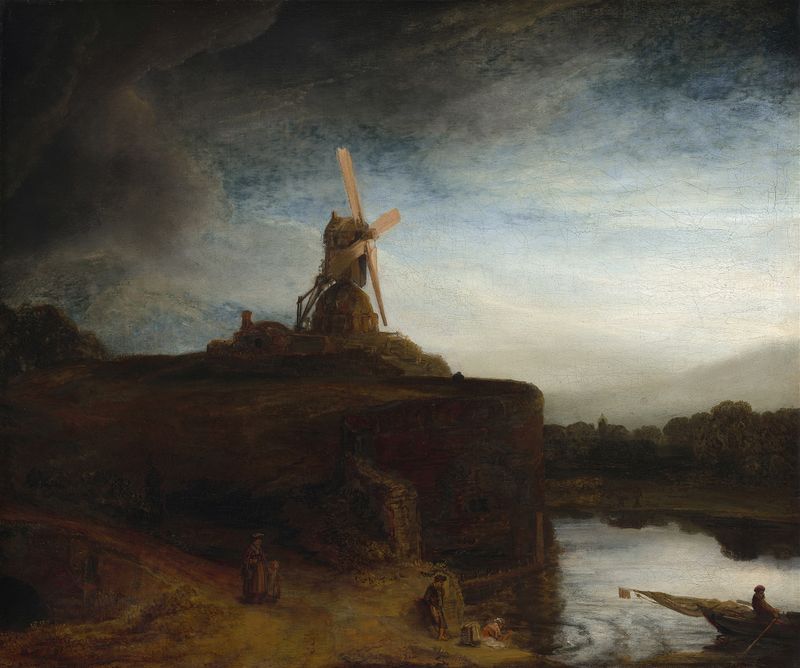
The Mill
Rembrandt van Rijn

The Sampling Officials of the Amsterdam Drapers’ Guild, Known as ‘The Syndics’
Rembrandt van Rijn

The return of the prodigal son
Rembrandt van Rijn
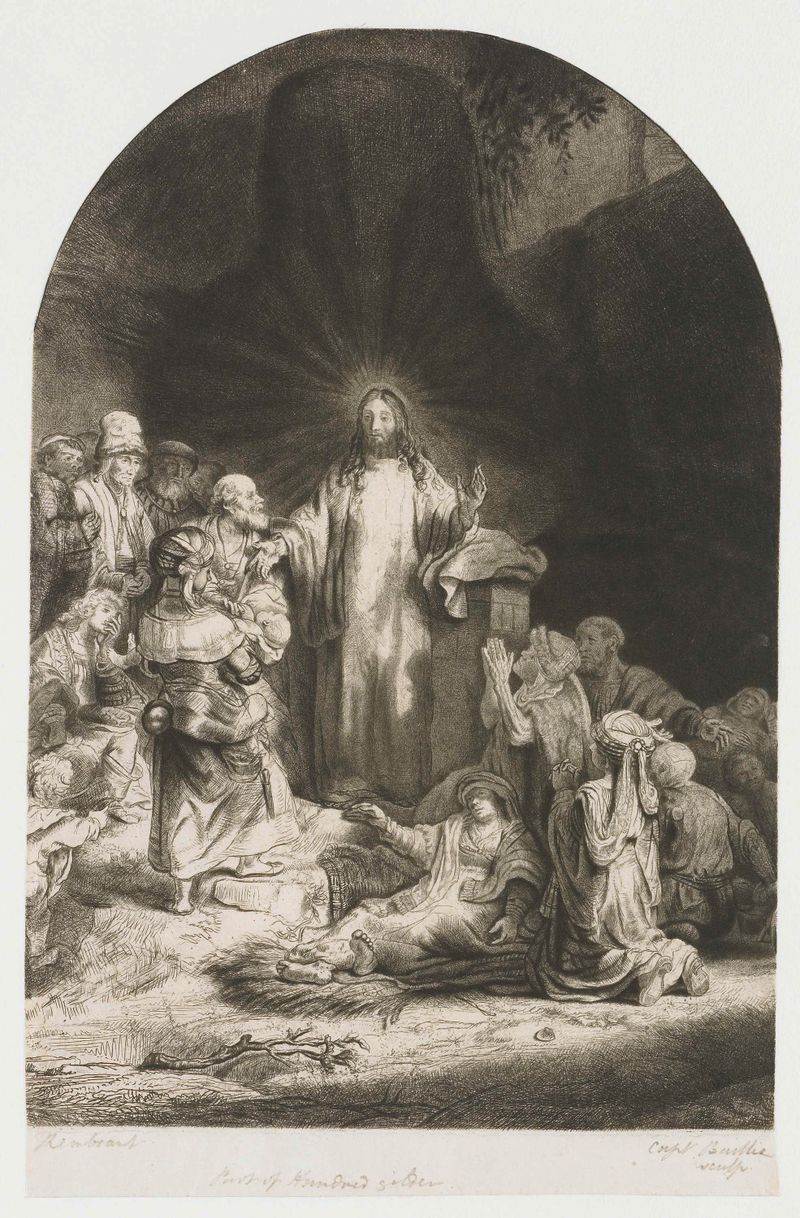
The Hundred Guilder Print: the central piece with Christ preaching, the plate arched
Rembrandt van Rijn

The Hundred Guilder Print: the man seen on the back in the lower left corner
Rembrandt van Rijn
More Historical Art
Browse all →The Night Watch Militia Company of District II under the Command of Captain Frans Banninck Cocq
Rembrandt van Rijn
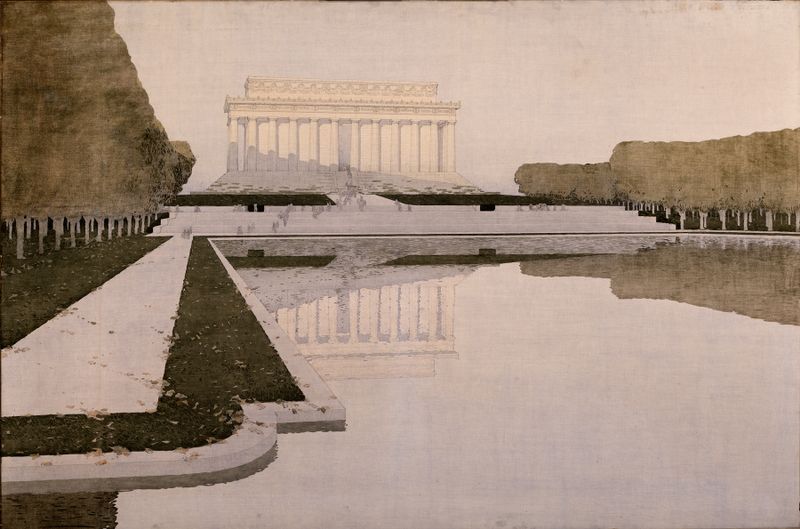
Lincoln Memorial
Henry Bacon
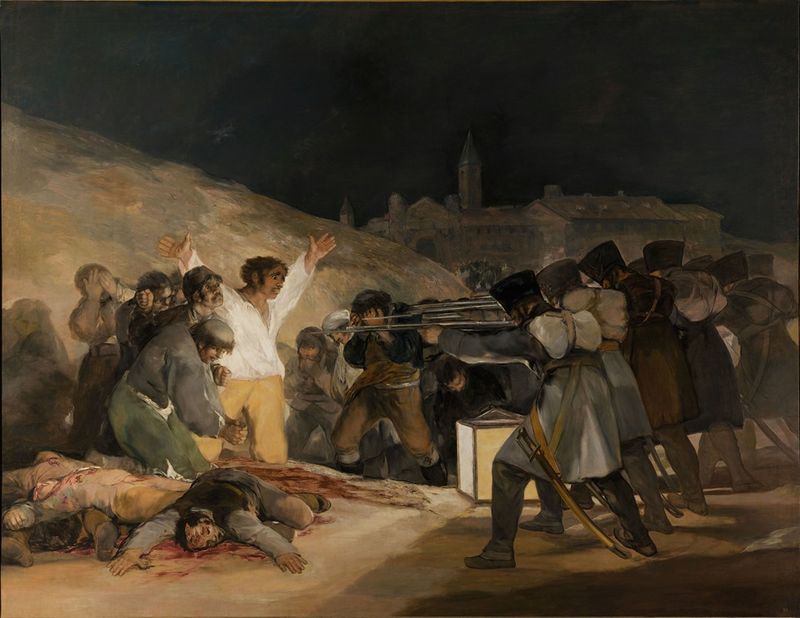
The Third of May 1808
Francisco de Goya
Isaac and Rebecca, Known as ‘The Jewish Bride’
Rembrandt van Rijn
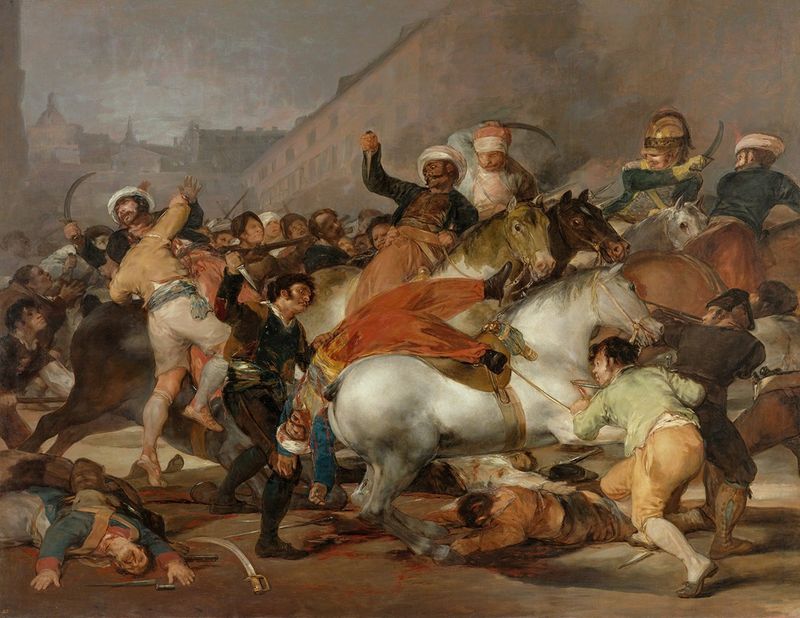
The Charge of the Mamelukes (1814)
Francisco de Goya

De vier ruiters van de apocalyps
Albrecht Dürer