
Joueur de flûte — History & Facts
In Joueur de flûte, we see a young boy playing a flute, surrounded by a lush, green landscape. The colors are vibrant, with rich greens and soft blues dominating the scene. The boy's expression is one of concentration and joy, as he immerses himself in the music.
The setting is tranquil, evoking a sense of peace and harmony with nature. Bouguereau's technique is evident in the detailed rendering of the boy's clothing and the natural surroundings. The use of light and shadow creates depth, making the scene feel three-dimensional. The artist employs a smooth application of paint, characteristic of his Academic style, to achieve a lifelike quality.
Viewers can appreciate the meticulous attention to detail in the boy's features and the textures of the foliage. William Bouguereau was known for his realistic depictions of human figures and everyday life. This work, painted in the 1870s, reflects his mastery of the Academic style and his ability to capture emotion. Interestingly, Joueur de flûte showcases Bouguereau's love for music and its connection to nature.
The painting invites viewers to experience the joy of music in a serene environment.
More Artworks by William Bouguereau

A Study For The Secret
William Bouguereau
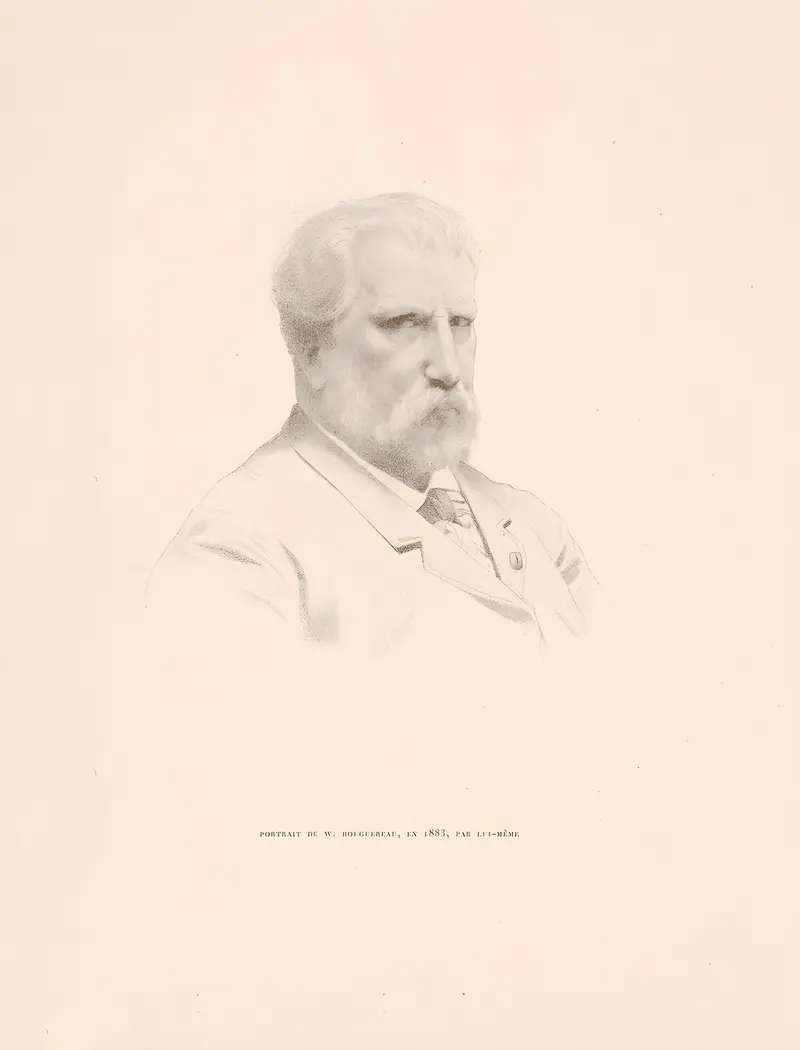
Portrait de W. Bouguereau, en l899
William Bouguereau
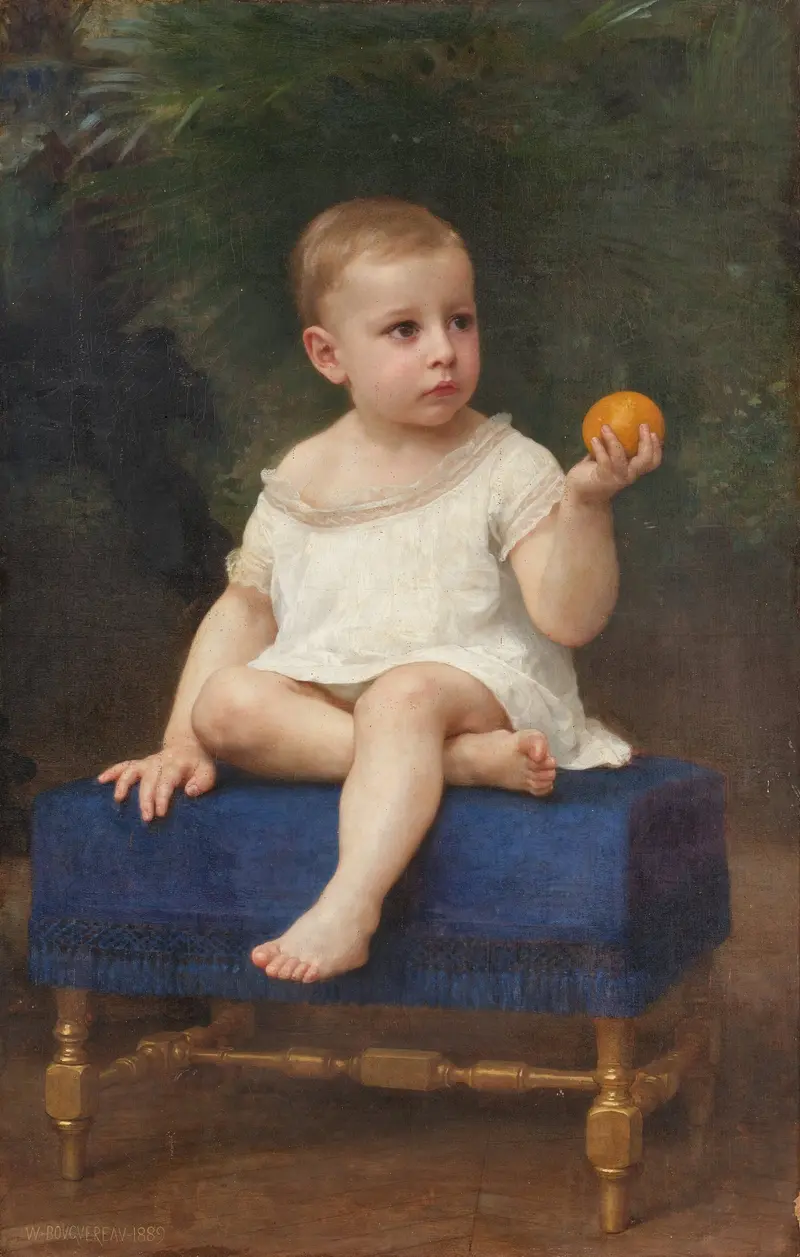
Portrait of a Child of Madame Porter
William Bouguereau
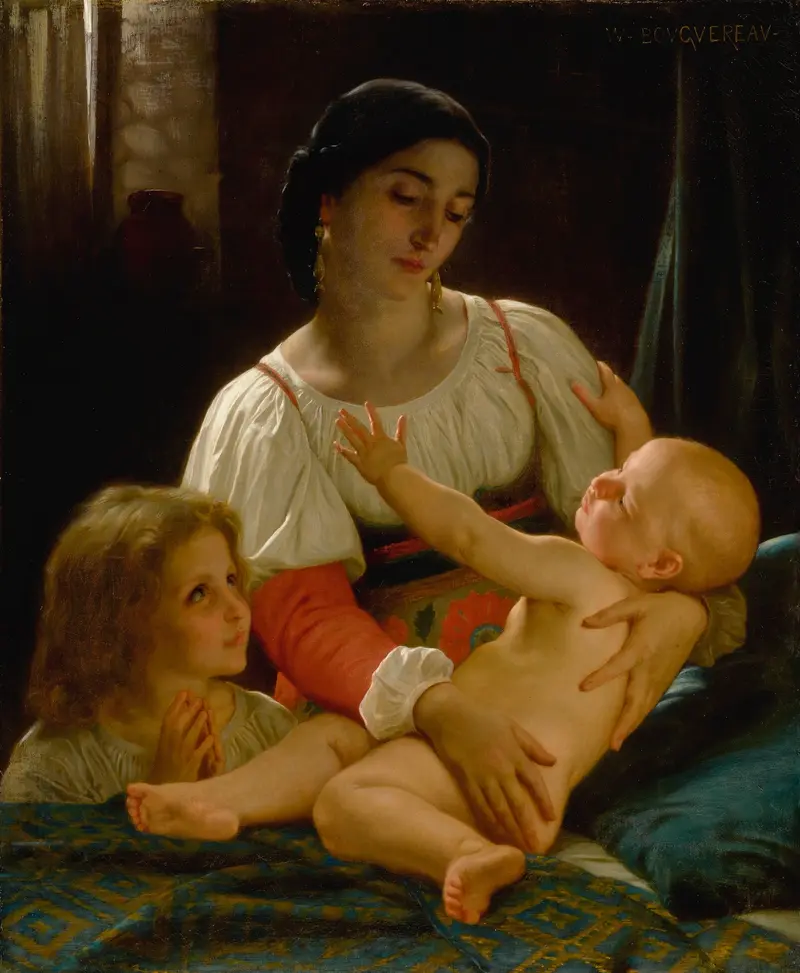
Le Réveil
William Bouguereau
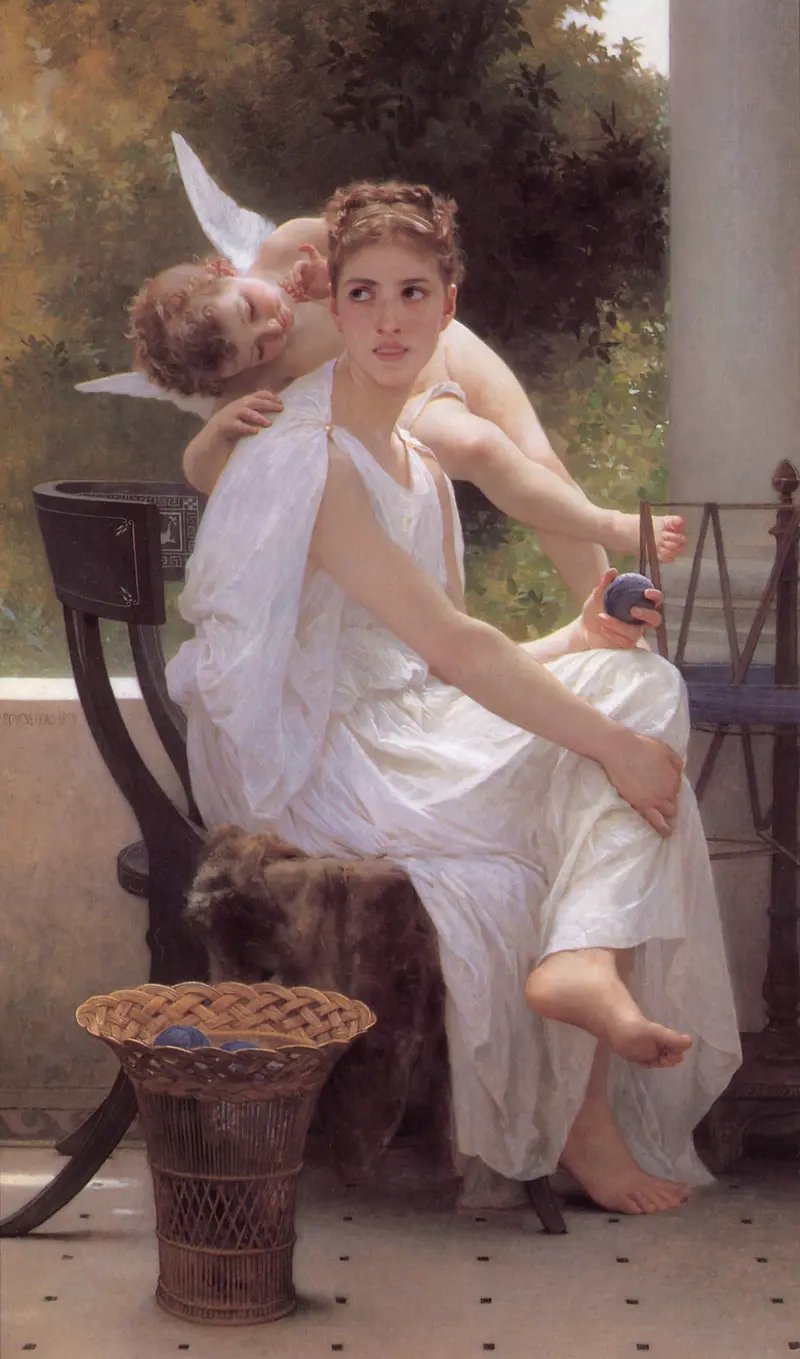
Le travail interrompu
William Bouguereau
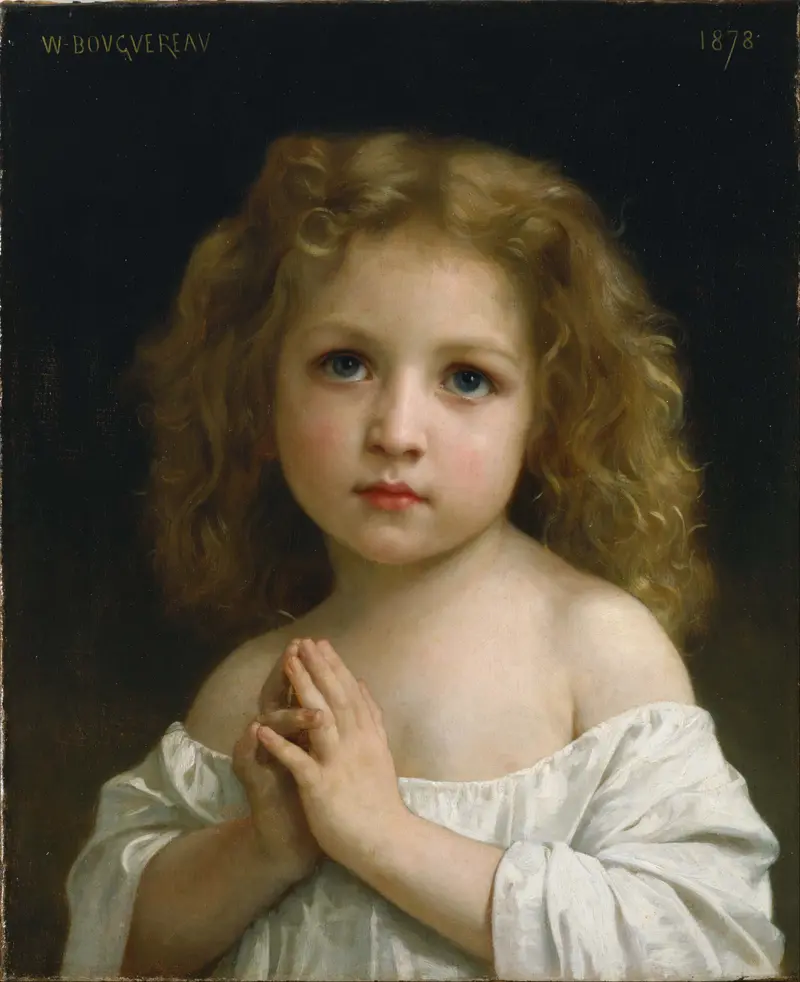
Little Girl
William Bouguereau
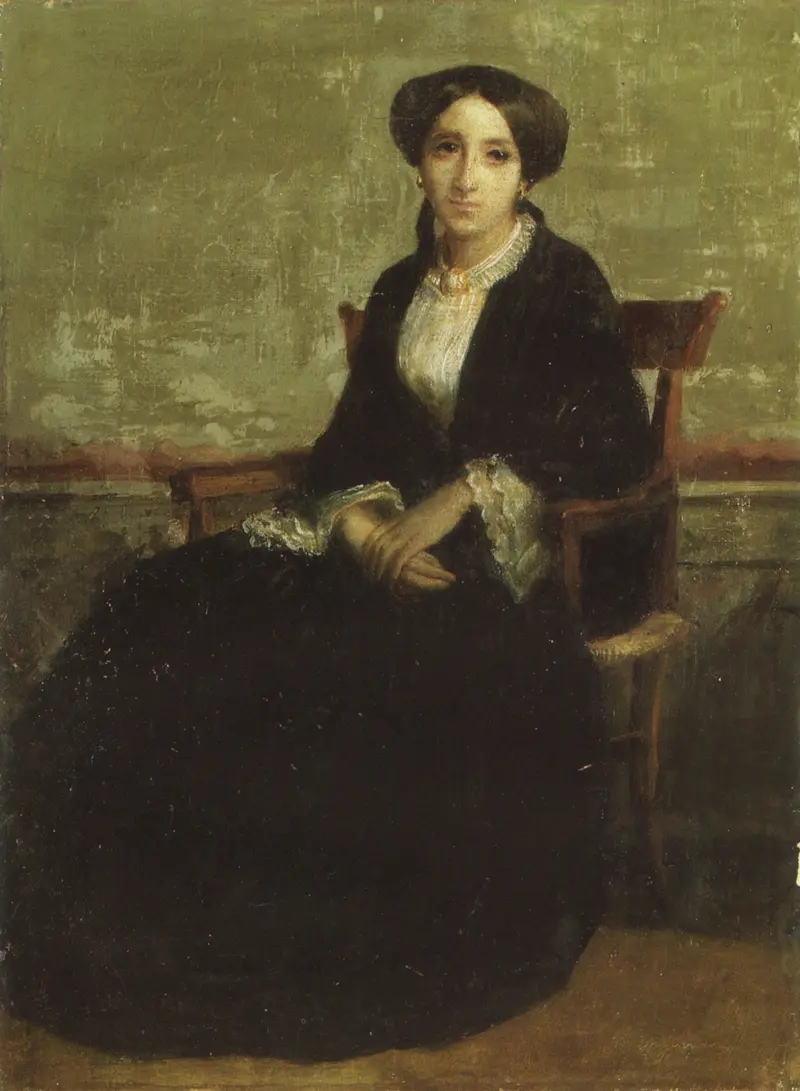
Portrait of Céline Geneviève
William Bouguereau

Bohémienne Au Tambour De Basque
William Bouguereau
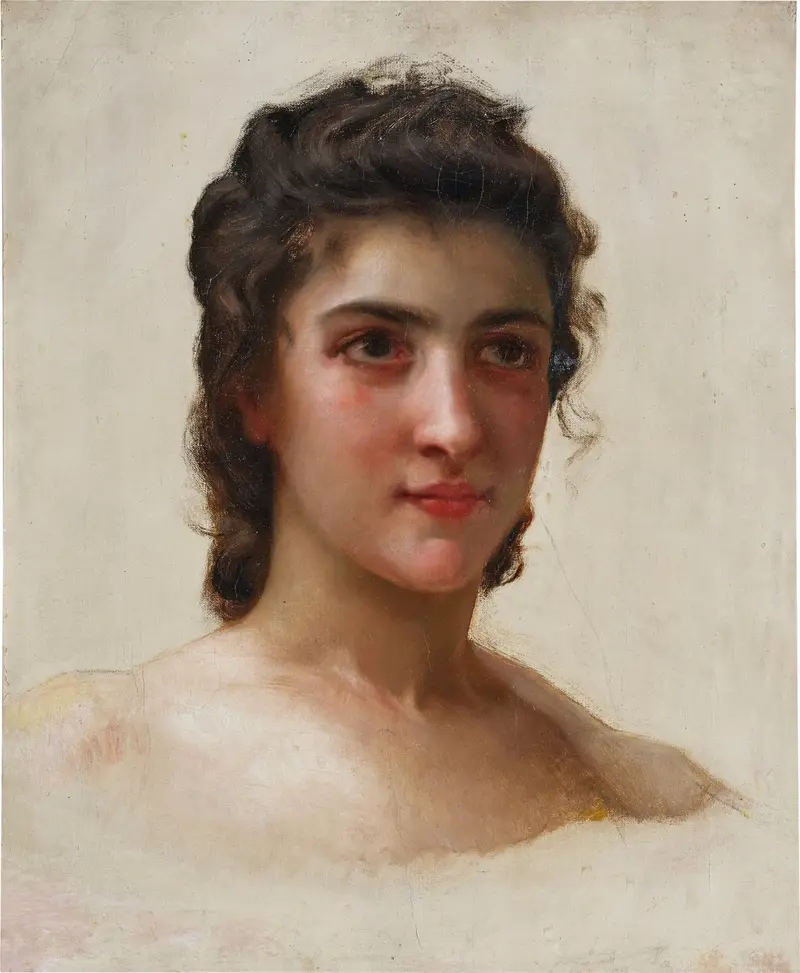
Portrait Study of Gabrielle Drunzer
William Bouguereau
Tête d’enfant
William Bouguereau
More Genre Scene Art

Banquet of the Officers of the St George Civic Guard
Frans Hals

Rembrandt and Saskia in the Scene of the Prodigal Son
Rembrandt van Rijn

Bal du moulin de la Galette
Pierre-Auguste Renoir

Quadrille at the Moulin Rouge
Henri de Toulouse-Lautrec

A Burial at Ornans
Gustave Courbet

When Will You Marry?
Paul Gauguin