
Jozef en de vrouw van Potifar — History & Facts
In the quiet intensity of Jozef en de vrouw van Potifar, obsession unfolds in a chiaroscuro of human emotion. The tension between longing and rejection dances through the air, capturing a moment that resonates with timeless struggle. Focus first on the figures at the center; the dynamic interaction between Joseph and Potiphar's wife draws the eye immediately. Notice how the artist employs rich, warm tones in her garment, contrasting with Joseph's more subdued attire.
This stark difference not only highlights her allure but also hints at the moral conflict simmering beneath the surface. The light illuminating her face imbues her expression with both desire and desperation, while the shadows wrap around Joseph, suggesting his internal struggle and unwillingness to succumb to temptation. Within this composition lies a profound exploration of desire and betrayal. The way Potiphar's wife leans toward Joseph reveals her fixation, yet her posture suggests an impending rejection.
As the viewer's gaze shifts, the tension between their bodies seems to heighten, evoking the complexity of obsession—where passion can quickly turn into desperation. Each detail, from the delicate hand reaching out to the firm resistance of Joseph’s stance, intertwines to reveal the precarious balance of power and vulnerability. Georg Pencz painted this work in 1546 during a period marked by the Northern Renaissance's focus on humanism and its complexities. At this time, he was influenced by the intricate interplay of emotion and narrative in art, reflecting broader societal tensions regarding morality and desire.
As artists sought to depict the human experience more authentically, Pencz emerged as one who deftly navigated these themes through his meticulous technique and thoughtful composition.
More Artworks by Georg Pencz
Browse all →
Parabel van de zaaier
Georg Pencz

Parabel van de arbeiders in de wijngaard
Georg Pencz
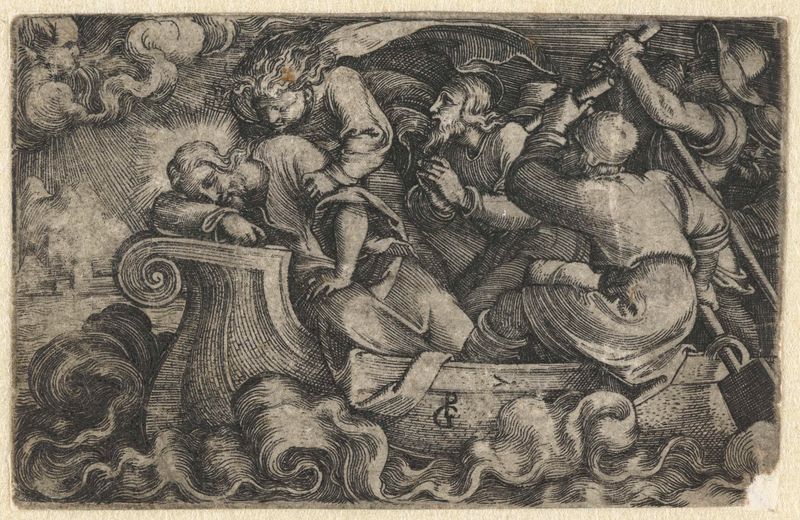
Discipelen wekken slapende Christus tijdens storm op Meer van Galilea
Georg Pencz

Afgunst (Invidia)
Georg Pencz
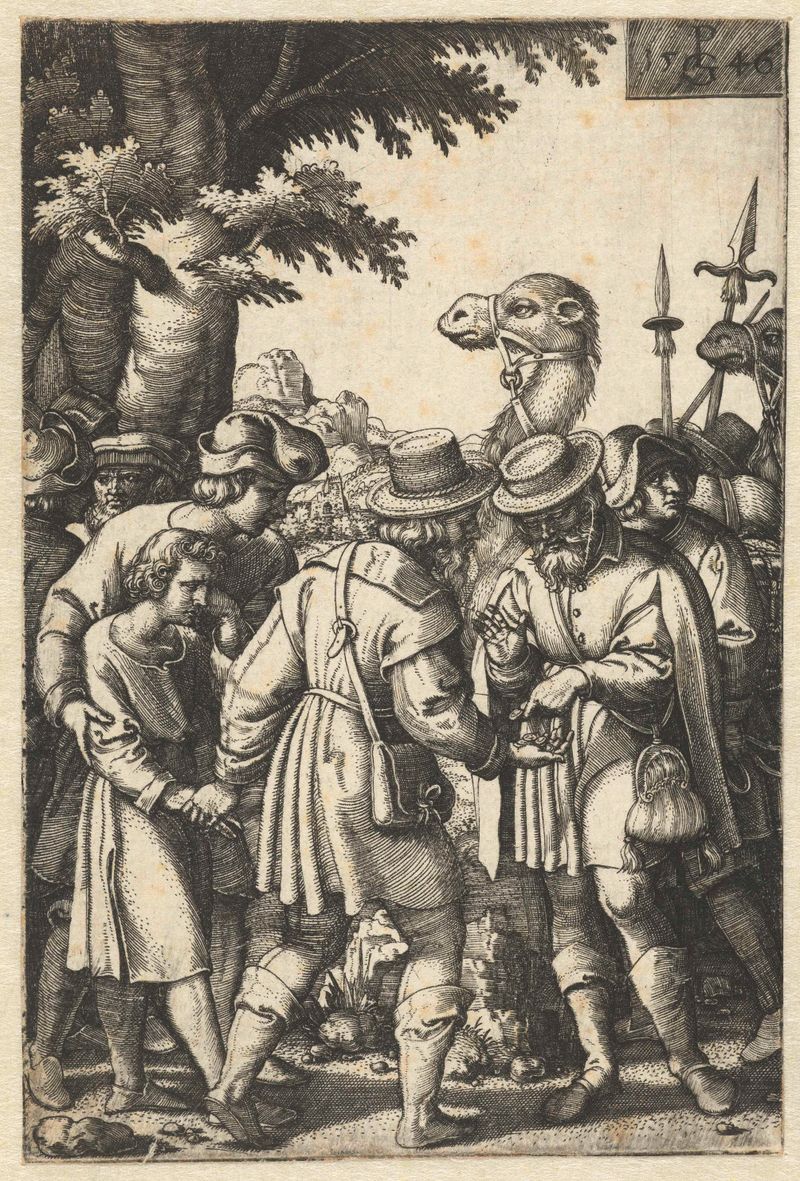
Jozef wordt verkocht aan kooplieden op weg naar Egypte
Georg Pencz

Aanbidding der koningen
Georg Pencz
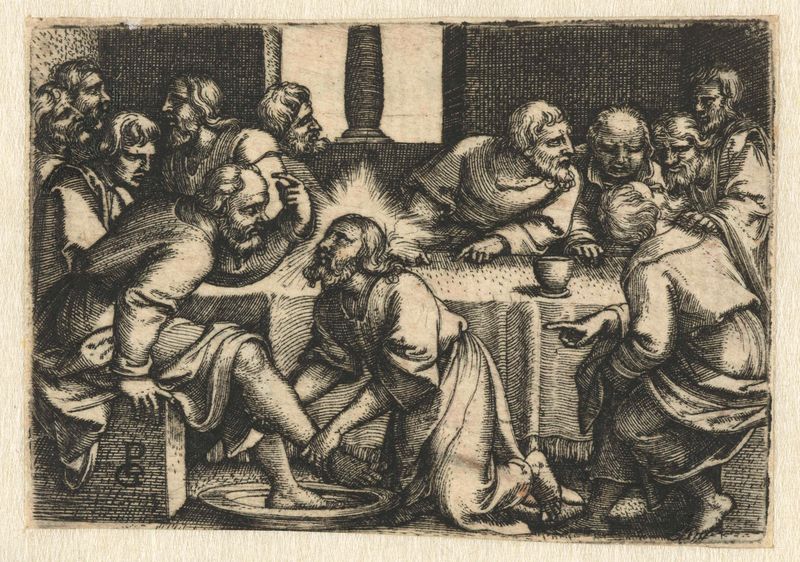
Petrus protesteert als Christus zijn voeten wast
Georg Pencz
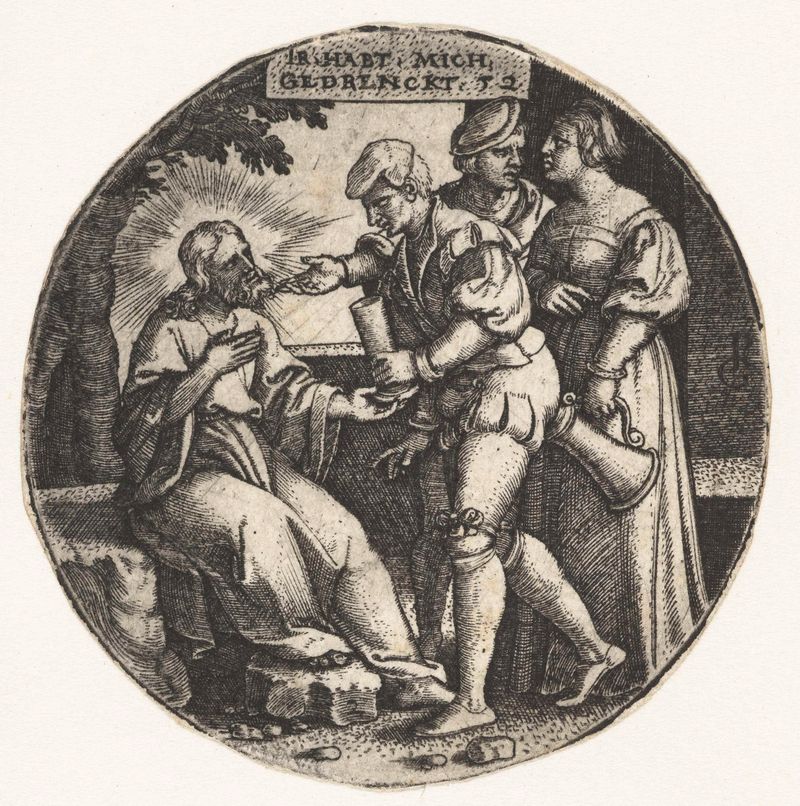
Christus heeft dorst en krijgt drinken aangeboden
Georg Pencz
Ongelovige Thomas raakt wonden Christus aan
Georg Pencz

Offer van Abraham van Isaak
Georg Pencz
More Religious Art
Browse all →
The Return of the Prodigal Son
Rembrandt van Rijn

The Garden of Earthly Delights
El Bosco

Count Orgaz’ funeral
El Greco

The Hundred Guilder Print: the central piece with Christ preaching, the plate arched
Rembrandt van Rijn

The Descent from the Cross
Rogier van der Weyden

The return of the prodigal son
Rembrandt van Rijn