
Jozef met Christuskind — History & Facts
In the stillness of a moment, balance becomes a silent conversation between subjects, colors, and emotions, inviting the viewer to reflect on the harmony of existence. Look to the center of the composition where the child cradled in Joseph’s arms captivates your gaze. The tender, protective gesture emphasizes connection, while the use of soft, muted colors invites a sense of serenity. Notice how the ambient light bathes both figures, creating a natural glow that harmonizes their forms against the darkened background.
The delicate interplay of shadows enhances the depth, drawing attention to the gentle expressions on their faces, illustrating a moment rich with significance. As you explore further, consider the contrast between the earthly presence of Joseph and the ethereal radiance surrounding the child. This juxtaposition invites contemplation on their relationship — the nurturer and the divine. The subtle tension between their gazes encourages a dialogue about devotion and faith, suggesting that each figure holds an essential role in a larger spiritual narrative.
The composition balances figures and colors in a way that evokes a profound feeling of peace amidst the emotional weight of the scene. Jacob Binck created this masterpiece in the early 16th century, a time when Northern Renaissance art was flourishing. Working primarily in Antwerp, he was influenced by the emerging techniques of oil painting and the intricate detail favored in the era. This painting reflects not only his personal journey as an artist but also the broader transition in art, where emotional depth and realism began to intertwine with religious themes.
More Artworks by Jacob Binck
Browse all →
Portret van Christiaan II, koning van Denemarken
Jacob Binck

Christus en de Samaritaanse vrouw
Jacob Binck
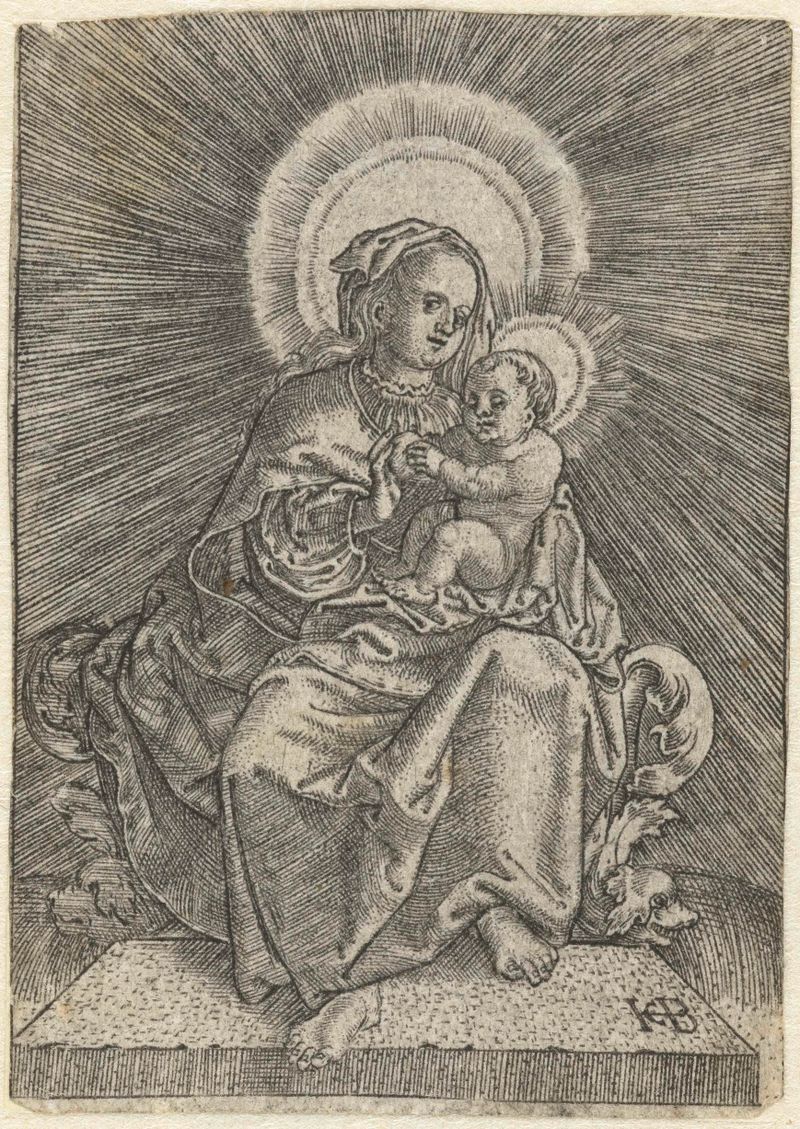
Tronende Maria met kind en appel in stralenkrans
Jacob Binck

Christus op de koude steen
Jacob Binck

Ornament met twee putti op dolfijnen onder een vaas
Jacob Binck
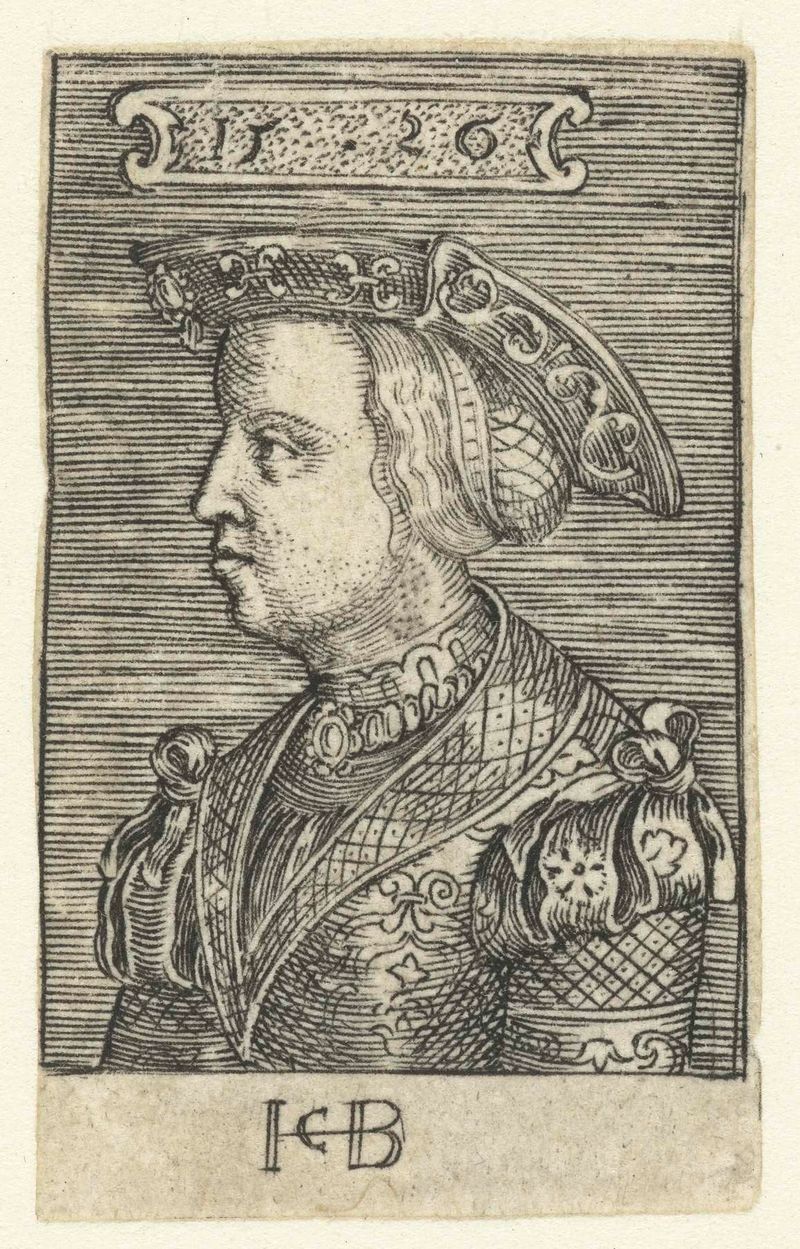
Portret van Claudia van Valois, echtgenote van Frans I
Jacob Binck

Ceres met kroon van korenaren, sikkel, brandende toorts en tweekoppige slang
Jacob Binck
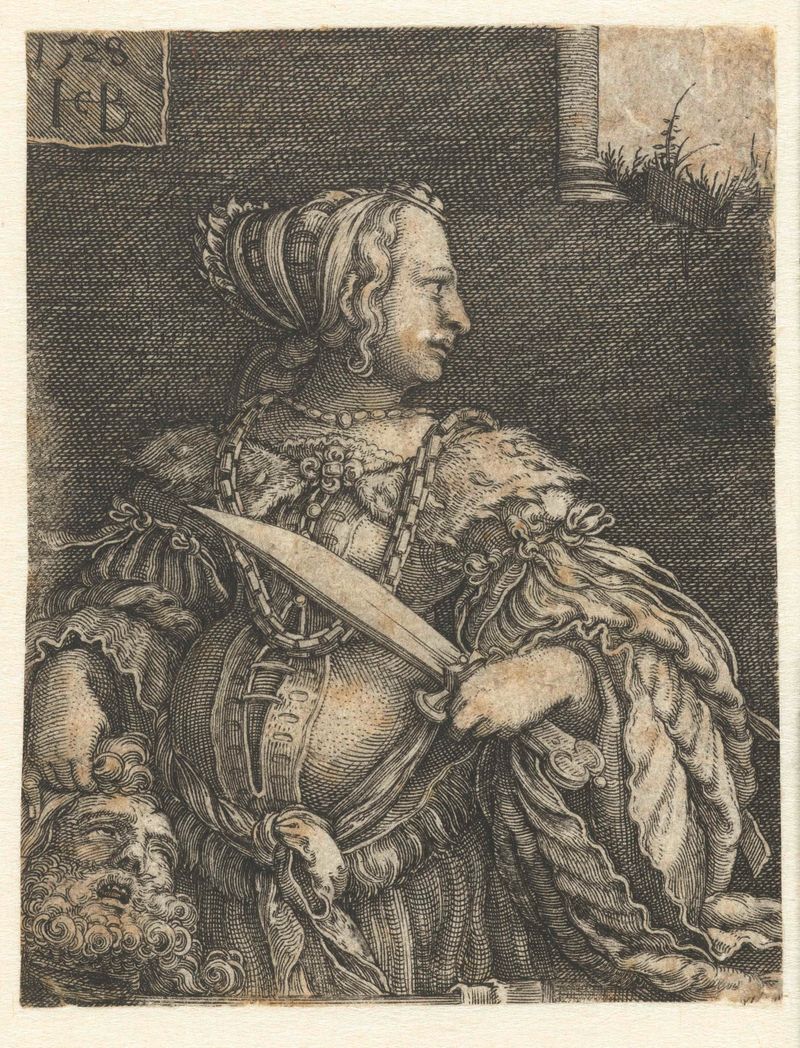
Judith met het hoofd van Holofernes
Jacob Binck
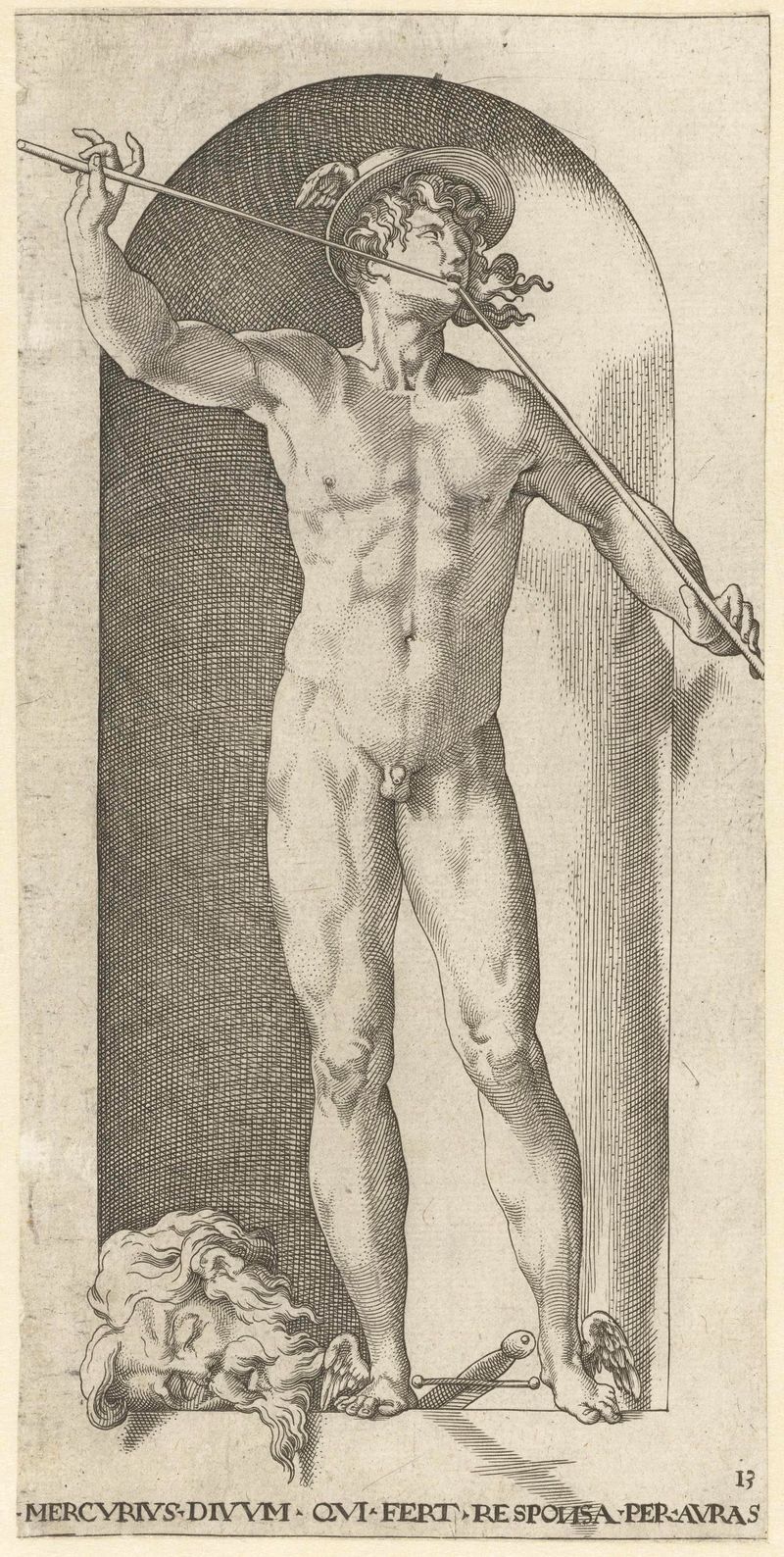
Mercurius met het hoofd van Argus
Jacob Binck

Minerva (Pallas Athena) met Medusahoofd op schild
Jacob Binck
More Religious Art
Browse all →
The Return of the Prodigal Son
Rembrandt van Rijn

The Garden of Earthly Delights
El Bosco

Count Orgaz’ funeral
El Greco

The Hundred Guilder Print: the central piece with Christ preaching, the plate arched
Rembrandt van Rijn

The Descent from the Cross
Rogier van der Weyden

The return of the prodigal son
Rembrandt van Rijn