
Judas Thaddeüs sterft marteldood met knots — History & Facts
In that waiting, we confront the void, the silence that envelops what we dare not fully comprehend. How does one capture the weight of despair without uttering a single word? Focus on the figure at the center, suspended in agony and grace. The martyr's elongated form, caught in the throes of his final moments, draws the eye first to his tortured expression, framed by a vibrant explosion of hues that juxtapose life and suffering.
Glance to the surrounding figures, their faces a mix of horror and reverence, capturing the raw human response to tragedy. The artist employs rich, deep colors, particularly the reds and greens, to evoke both the brutality and the beauty entwined in martyrdom. The underlying tension between the horrific act and the serene beauty of the executioner creates a disquieting contrast that stirs the soul. Look closely at the hands — one grasping the deadly weapon, the other frozen in a final plea — and you’ll see the embodiment of conflict: duty versus compassion.
These details, rendered with meticulous attention, elevate the emotional gravity of the scene, prompting viewers to reflect on themes of sacrifice and redemption amidst the void of death. In the early 16th century, Cranach painted this work during his time in Wittenberg, where the Protestant Reformation was gaining momentum. The artist was deeply entrenched in a world that wrestled with faith and fanaticism, and this painting exemplifies the tension of those transformative years. A skilled court painter, he crafted images not only for the elite but also for a society grappling with religious upheaval, capturing the essence of human struggle through vibrant storytelling.
More Artworks by Lucas Cranach (I)
Browse all →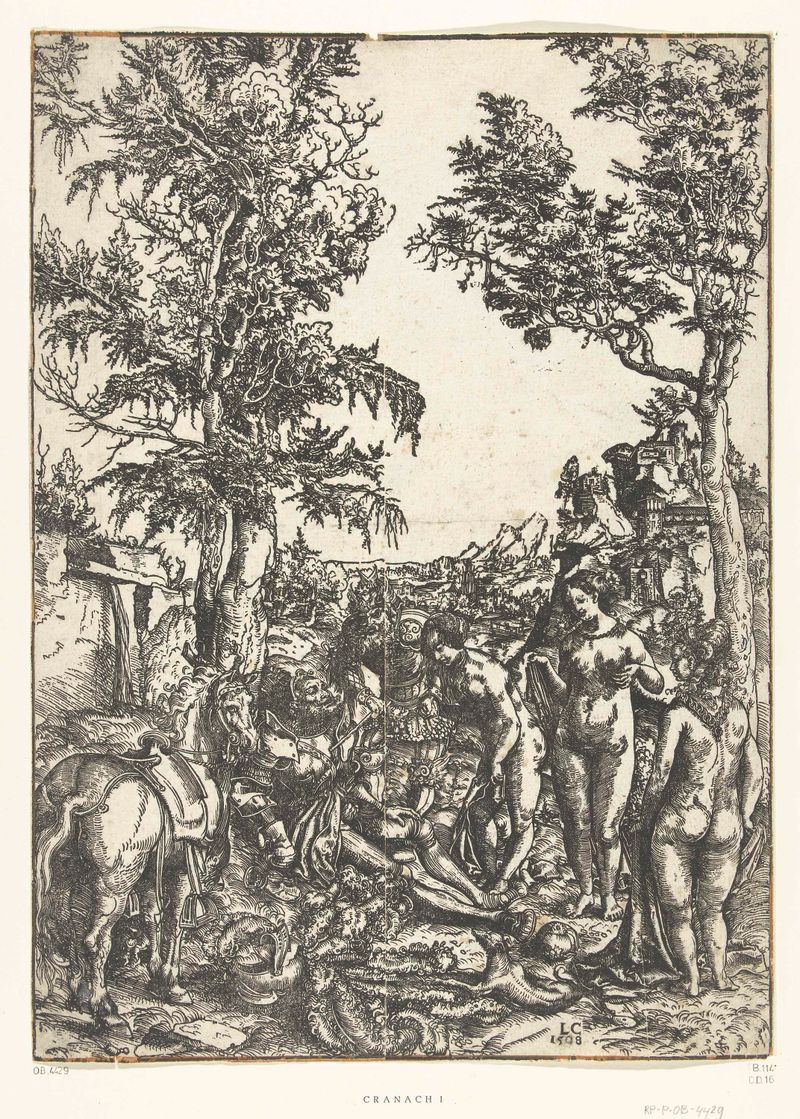
Oordeel van Paris
Lucas Cranach (I)
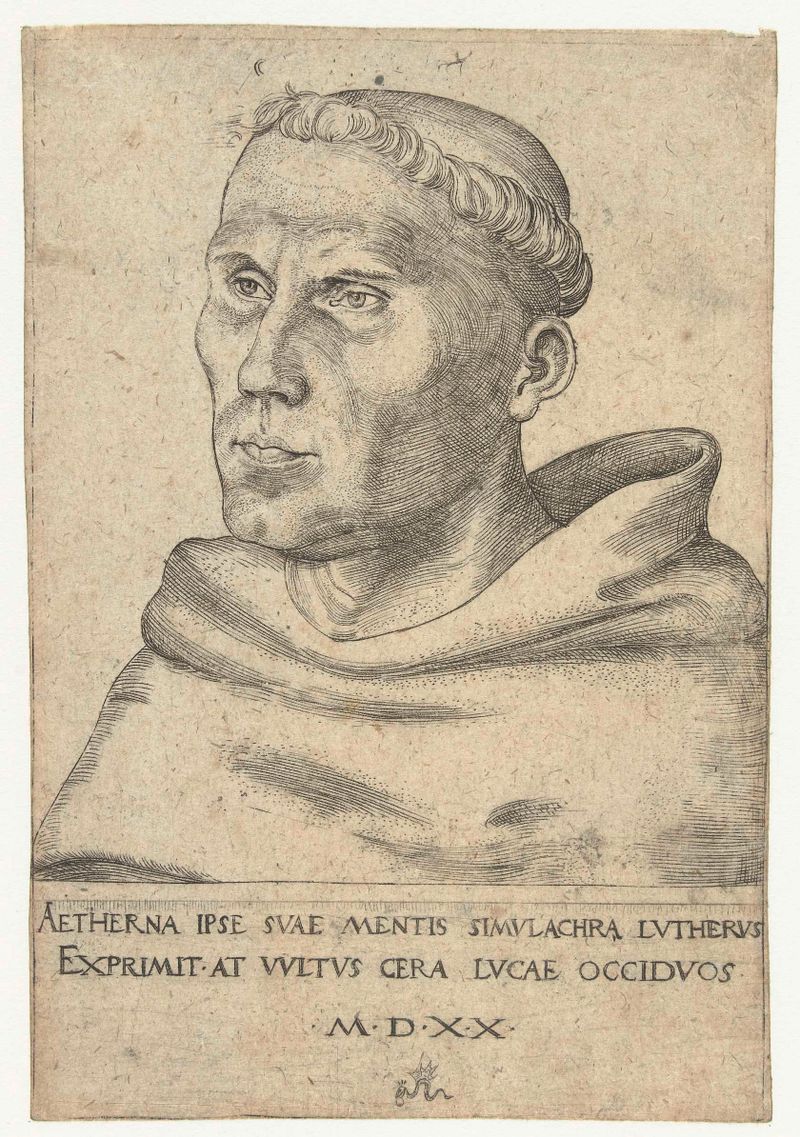
Portret van Martin Luther als Augustijner monnik
Lucas Cranach (I)
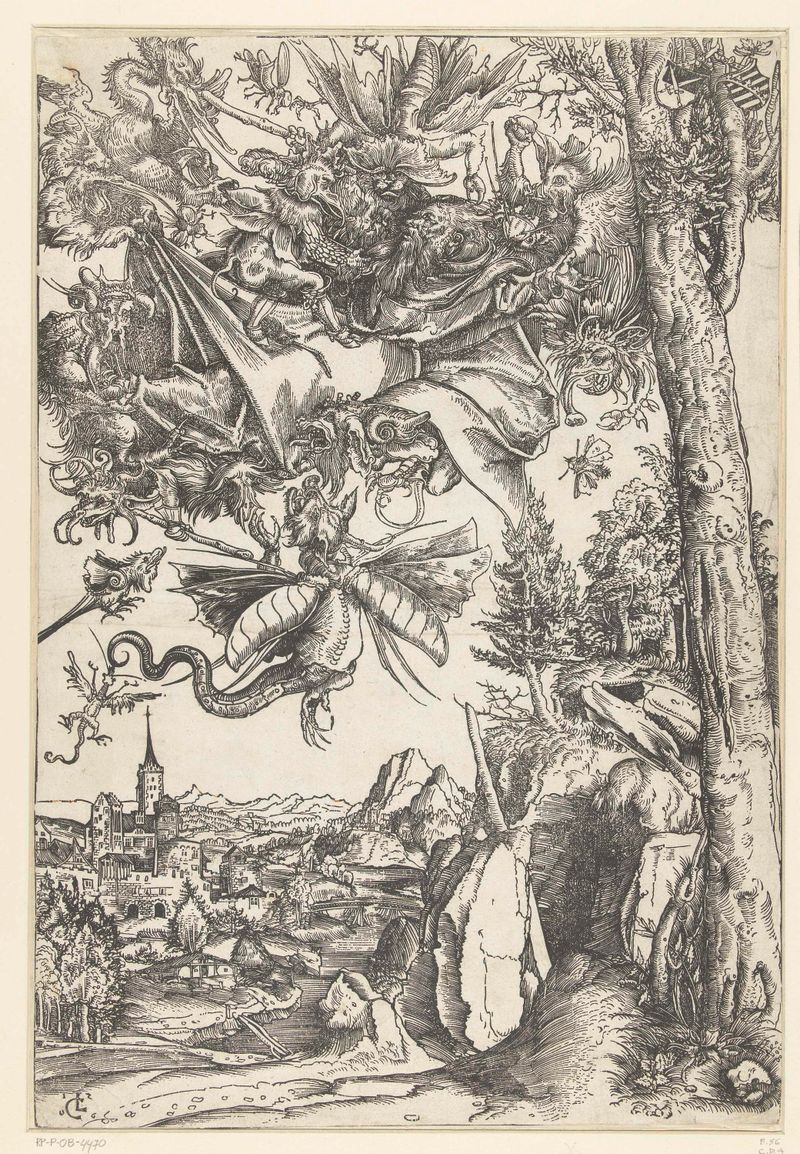
Verzoeking van Antonius met aanval door demonen
Lucas Cranach (I)

Christus en de Samaritaanse vrouw
Lucas Cranach (I)

Duits toernooi met twee edelmannen als ridders te paard
Lucas Cranach (I)
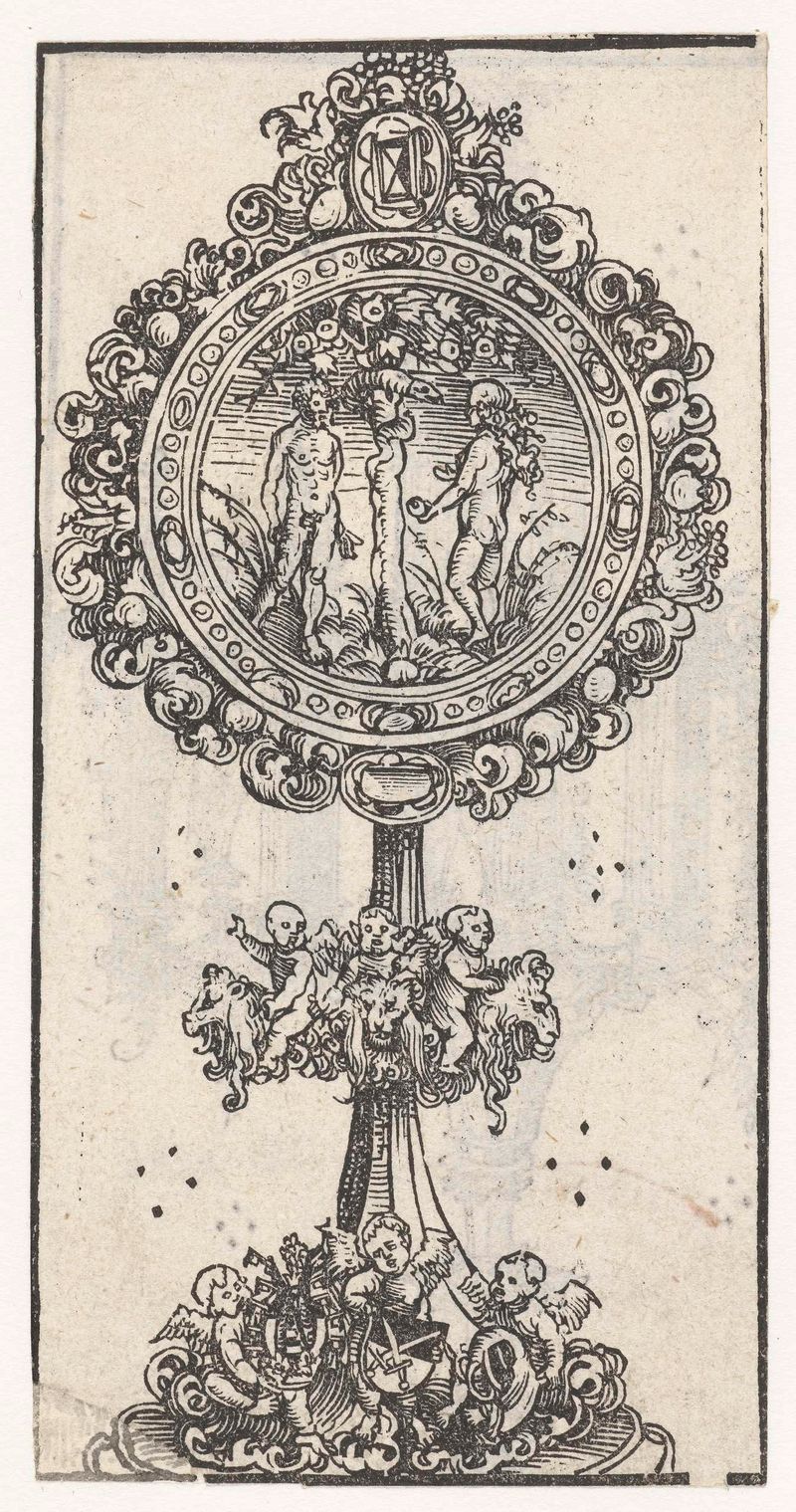
Reliekhouder met de verzoeking van Adam en Eva
Lucas Cranach (I)

Intocht van Christus in Jerusalem
Lucas Cranach (I)
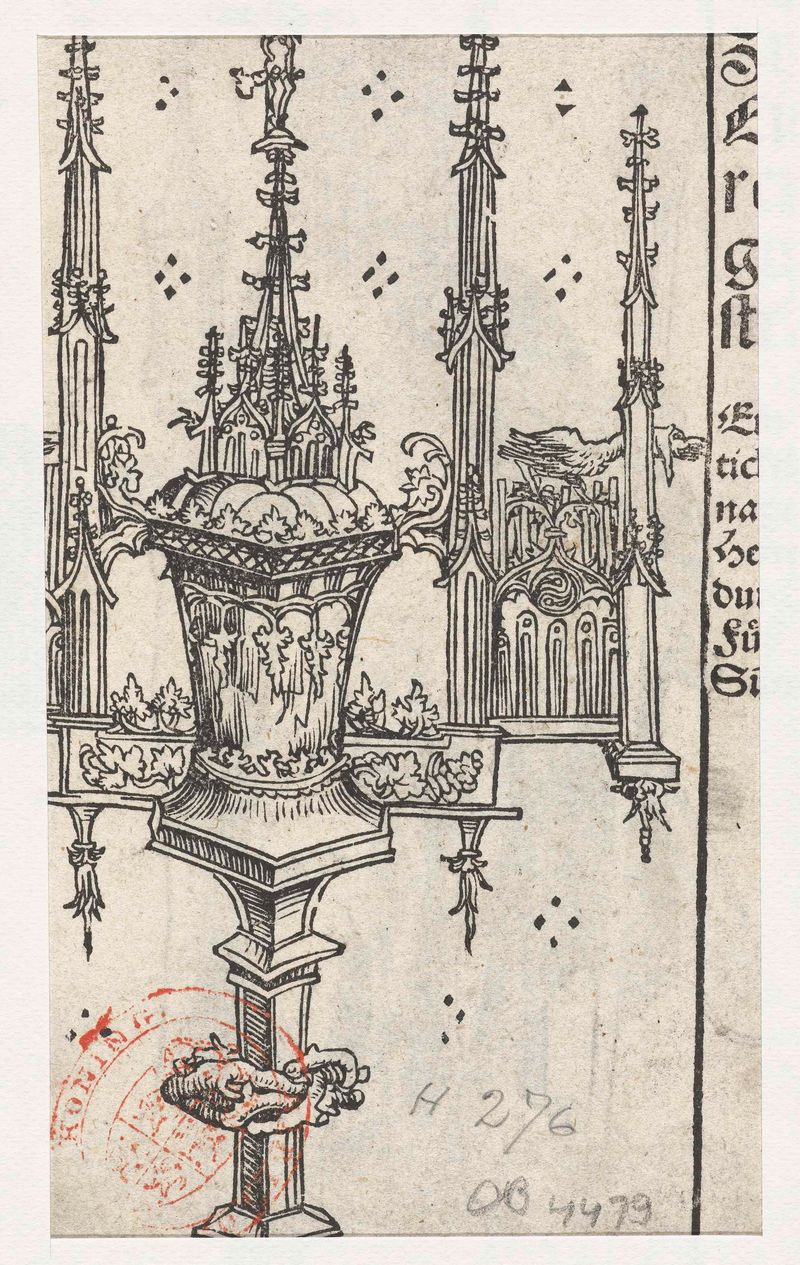
Monstrans met vogel (pelikaan)
Lucas Cranach (I)
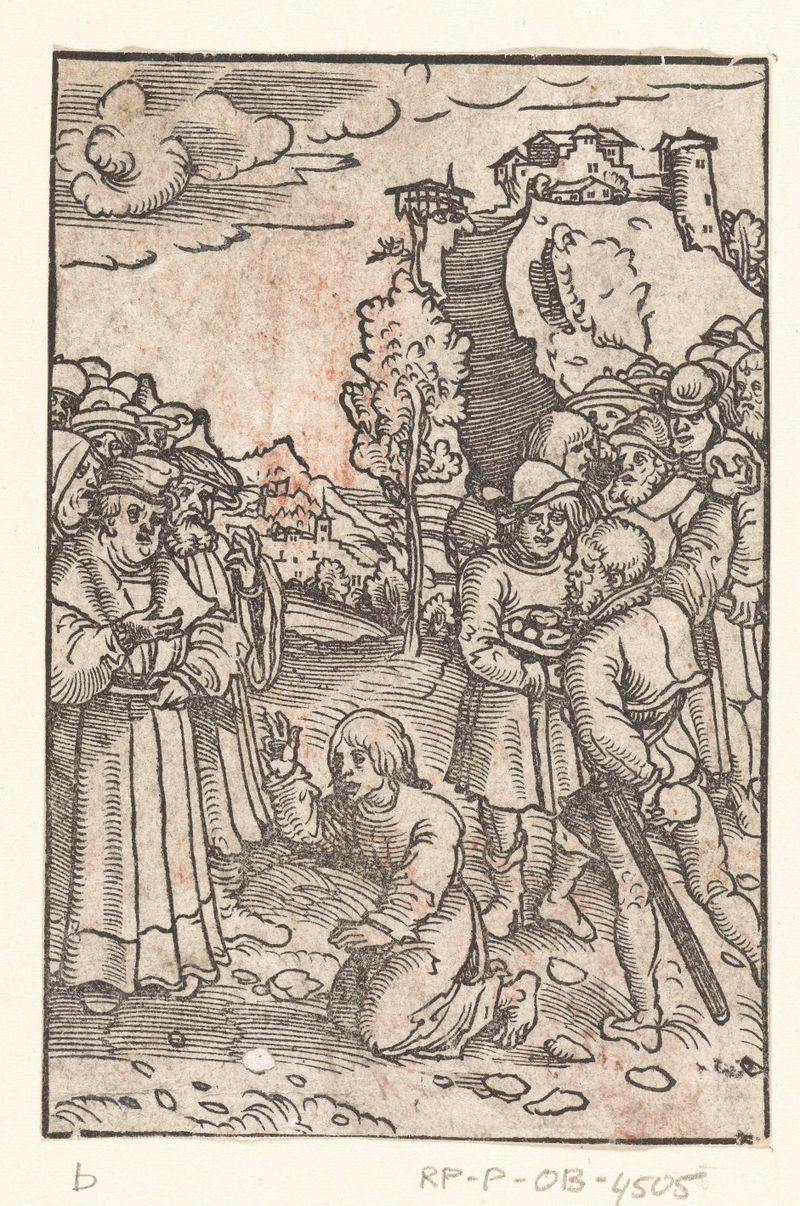
Steniging van Stefanus
Lucas Cranach (I)
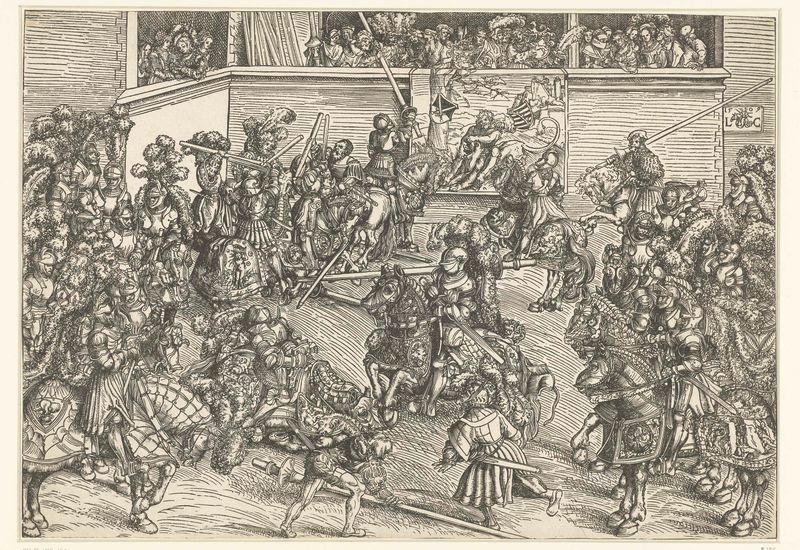
Toernooi van het keurvorstelijk hof van Saksen met wandtapijt Simson doodt de leeuw
Lucas Cranach (I)
More Religious Art
Browse all →
The Return of the Prodigal Son
Rembrandt van Rijn

The Garden of Earthly Delights
El Bosco

Count Orgaz’ funeral
El Greco

The Hundred Guilder Print: the central piece with Christ preaching, the plate arched
Rembrandt van Rijn

The Descent from the Cross
Rogier van der Weyden

The return of the prodigal son
Rembrandt van Rijn