
Judith en haar dienstmaagd met onthoofde Holofernes — History & Facts
In the stillness of art, we encounter echoes of destiny that reverberate through time, compelling us to ponder the weight of our choices. Look to the left at the poised figure of Judith, her expression a blend of triumph and foreboding. The intricate details of her attire, rendered in rich reds and golds, contrast sharply with the muted tones surrounding her, drawing the eye and establishing her as the centerpiece. Notice the way the light illuminates the severed head of Holofernes, positioned in the foreground, its stark realism evoking both horror and awe.
The delicate strokes convey not just the brutality of the act but also the emotional complexity of victory. As you delve deeper, observe the subtle tension in the servant’s gaze, reflective of loyalty and fear. The juxtaposition between Judith's confident posture and the servant's uncertain demeanor suggests not merely a physical act but a profound moral conflict—a destiny intertwined with choices made in a moment of desperation. The exquisite textures of fabric and skin emphasize the palpable contrast between life and death, triumph and subjugation. Georg Pencz painted Judith en haar dienstmaagd met onthoofde Holofernes between 1539 and 1543 during a period marked by the tension of the Reformation and the rise of Northern Renaissance art.
Living in Nuremberg, Pencz was influenced by both the humanist ideas of his time and the dramatic narratives of classical and biblical tales, reflecting the broader cultural shifts within both society and artistic expression. His mastery in portraying complex emotional narratives is encapsulated in this work, echoing the ever-relevant themes of power and fate.
More Artworks by Georg Pencz
Browse all →
Parabel van de zaaier
Georg Pencz

Parabel van de arbeiders in de wijngaard
Georg Pencz
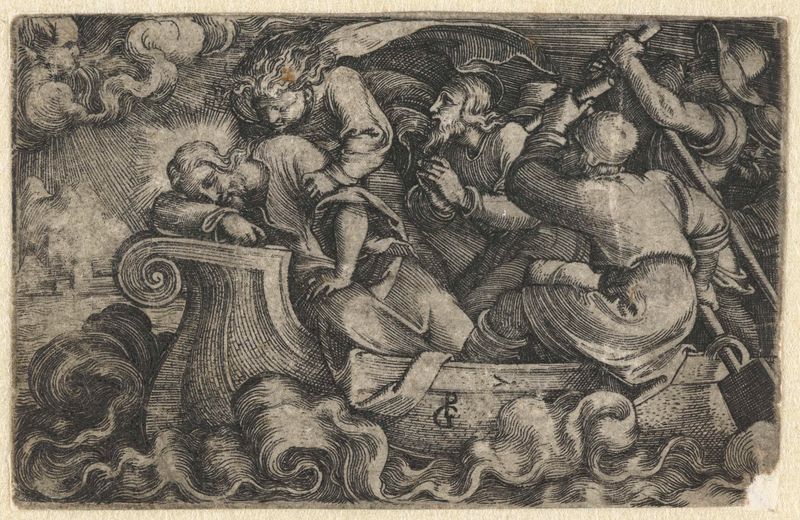
Discipelen wekken slapende Christus tijdens storm op Meer van Galilea
Georg Pencz

Afgunst (Invidia)
Georg Pencz
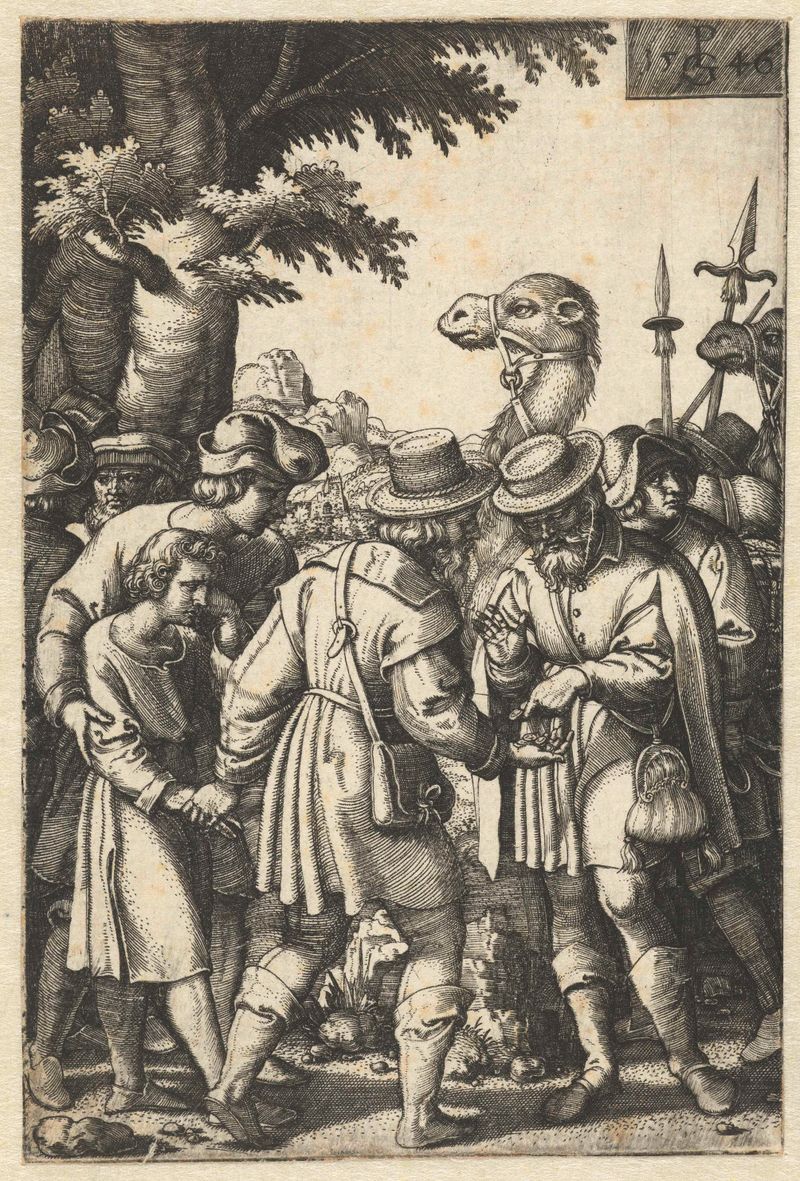
Jozef wordt verkocht aan kooplieden op weg naar Egypte
Georg Pencz

Aanbidding der koningen
Georg Pencz
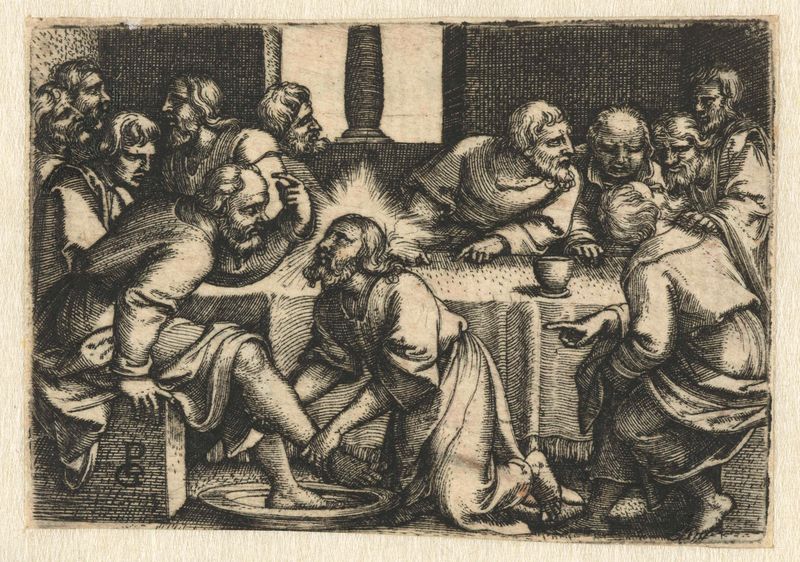
Petrus protesteert als Christus zijn voeten wast
Georg Pencz
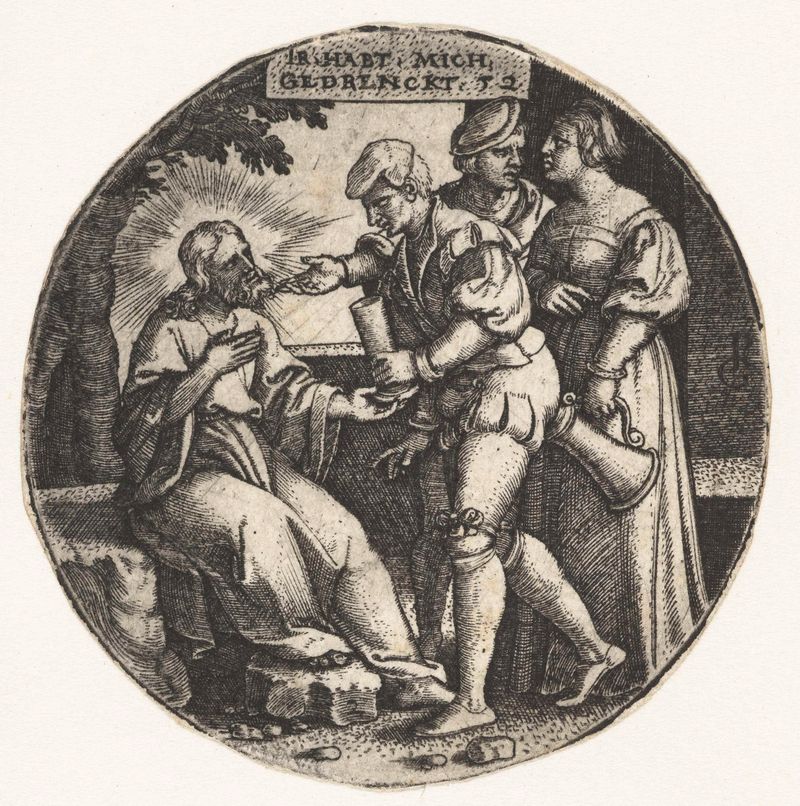
Christus heeft dorst en krijgt drinken aangeboden
Georg Pencz
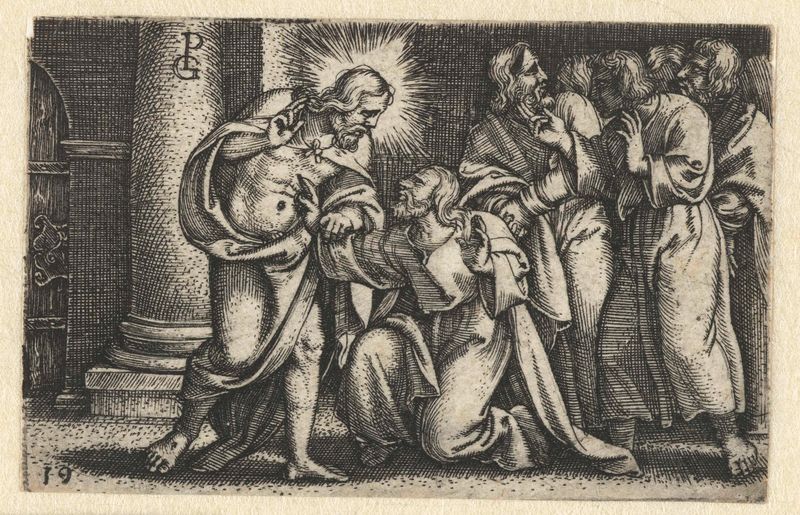
Ongelovige Thomas raakt wonden Christus aan
Georg Pencz

Offer van Abraham van Isaak
Georg Pencz
More Religious Art
Browse all →
The Return of the Prodigal Son
Rembrandt van Rijn

The Garden of Earthly Delights
El Bosco

Count Orgaz’ funeral
El Greco

The Hundred Guilder Print: the central piece with Christ preaching, the plate arched
Rembrandt van Rijn

The Descent from the Cross
Rogier van der Weyden

The return of the prodigal son
Rembrandt van Rijn