
Juima — History & Facts
Few works by Katsushika Hokusai have sparked as much curiosity as Juima, created in 1799, whose very title remains a subject of scholarly debate. Unlike his later, widely celebrated Thirty-six Views of Mount Fuji, Juima is shrouded in mystery—its medium is unrecorded, and its subject has prompted speculation among art historians. Some suggest it may be part of a lost series, while others point to its singularity in Hokusai’s oeuvre.
The uncertainty surrounding its origins and intent only adds to its allure, drawing researchers and enthusiasts alike into a quest for answers. At the heart of Juima lies a scene rich in narrative ambiguity: a solitary figure stands against a backdrop of swirling lines and organic forms, their posture tense yet contemplative. The figure’s gesture—one hand extended as if reaching for something unseen—invites viewers to imagine a story just out of reach. The composition’s dynamic movement, achieved through Hokusai’s characteristic use of line, recalls the energy of his later prints, yet here it is more restrained, almost meditative.
Unlike the overt drama of Utagawa Kuniyoshi’s action-packed warrior prints, Juima opts for introspection, leaving interpretation open to the viewer. Little is known about the early journey of Juima as a physical object. No records survive of its original patron or exhibition, and its whereabouts for much of the nineteenth century are undocumented. It is now generally attributed to Hokusai’s late Edo period, a time when the artist was experimenting with new techniques and subjects.
Today, Juima is held in a private collection, rarely exhibited, and its elusive nature continues to fascinate both scholars and admirers of Katsushika Hokusai. The work stands as a testament to the enigmatic corners of Hokusai’s prolific career, where not every question finds an answer.
More Artworks by Katsushika Hokusai

The Great Wave off Kanagawa
Katsushika Hokusai
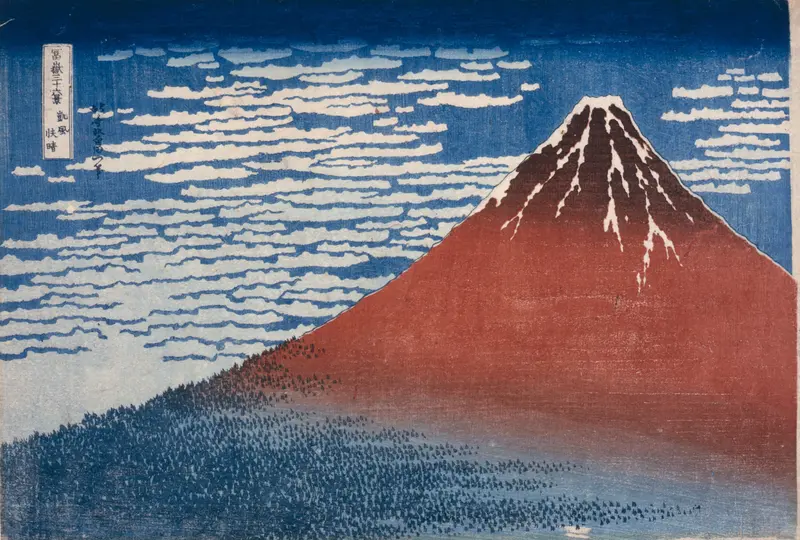
Fine Wind, Clear Morning (Red Fuji)
Katsushika Hokusai
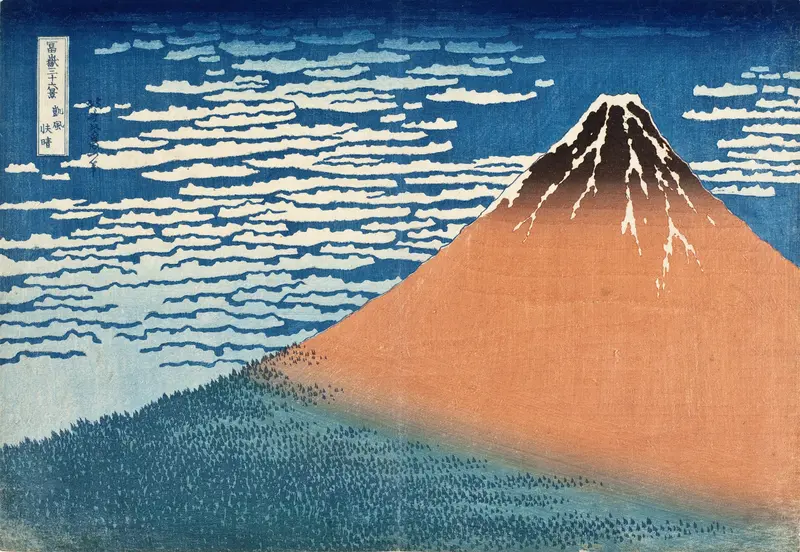
South Wind, Clear Dawn
Katsushika Hokusai
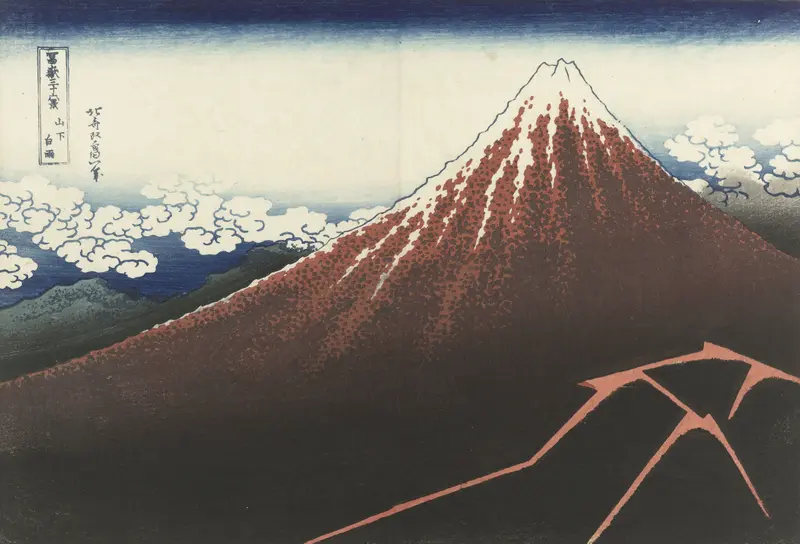
Rainstorm Beneath the Summit
Katsushika Hokusai
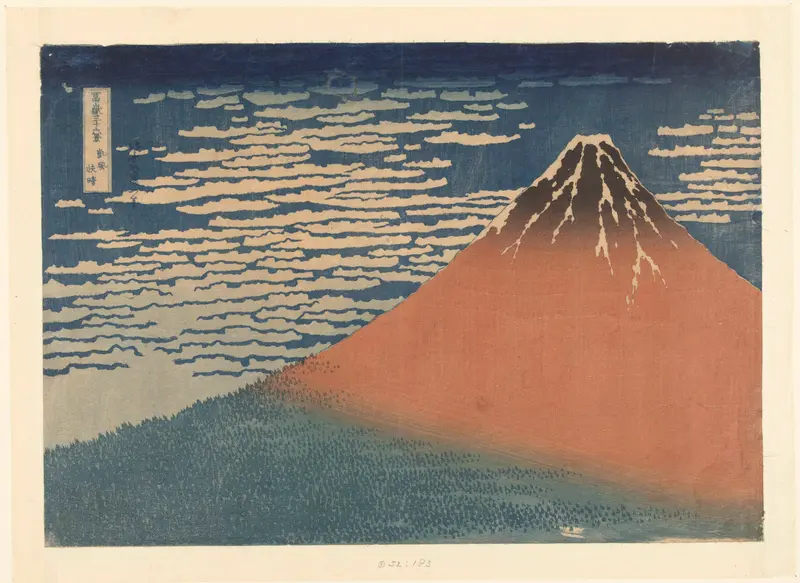
Clear Weather with a Southerly Wind
Katsushika Hokusai
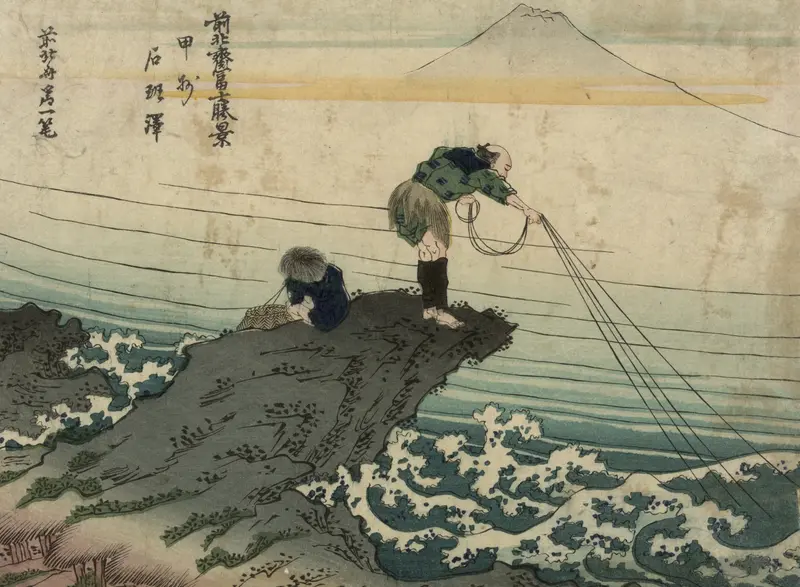
Kōshū kajikazawa
Katsushika Hokusai
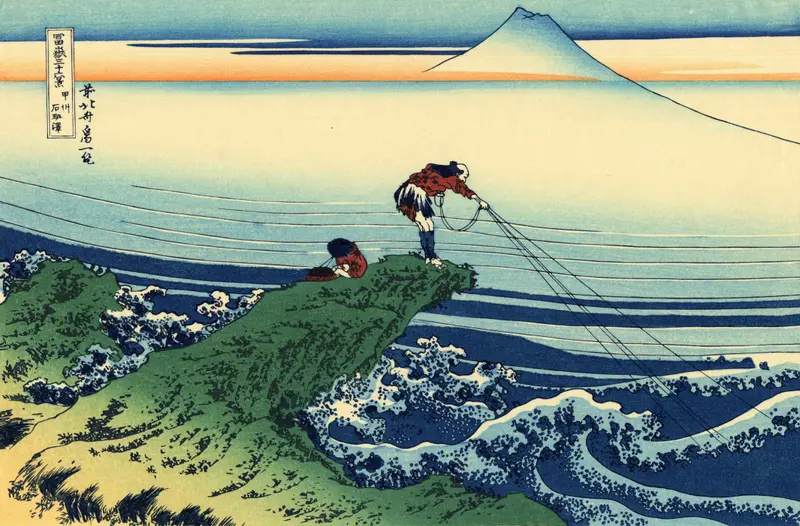
Kōshū kajikazawa 2
Katsushika Hokusai
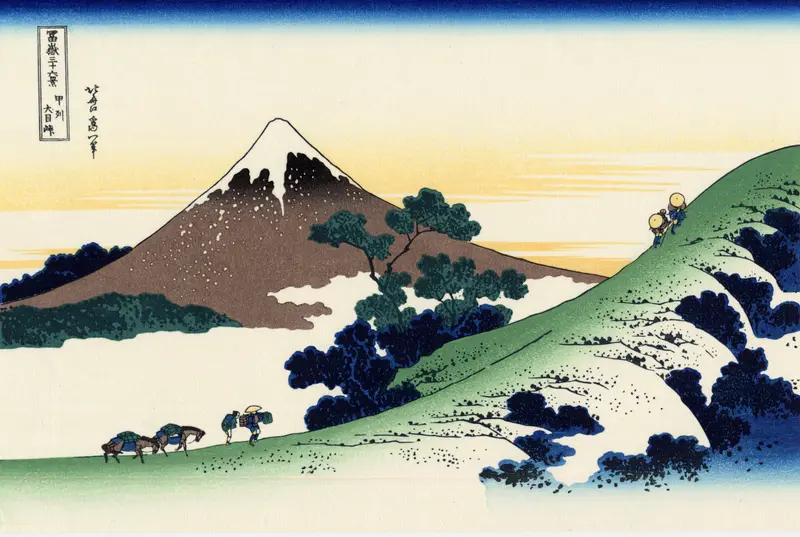
Inume Pass in Kai Province (Kôshû inume-tôge)
Katsushika Hokusai

Yoro Falls in Mino Province (Mino no Yoro no taki), from the series "A Tour of Waterfalls in Various Provinces (Shokoku taki meguri)"
Katsushika Hokusai
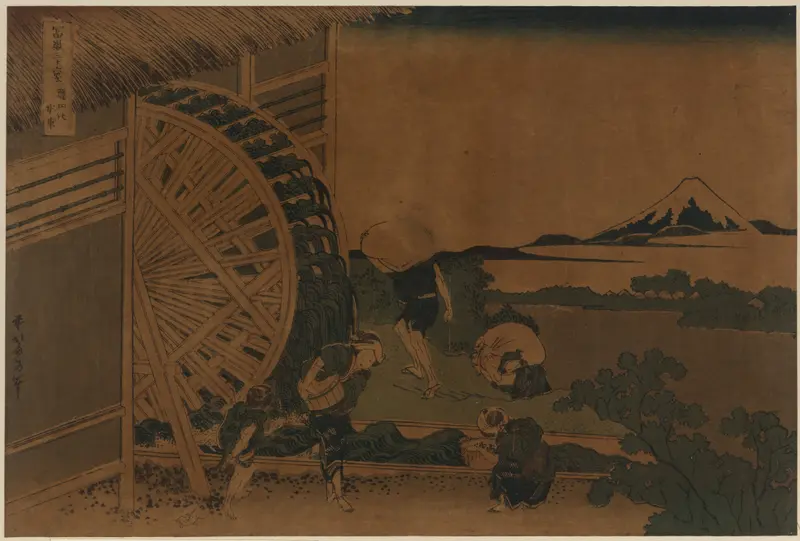
Onden no suisha
Katsushika Hokusai



