
Juno calls to monitor Io Argus — History & Facts
A goddess hovers above the earth, her gaze commanding, as a peacock unfurls its tail in the shadows behind her. The viewer’s eye is drawn first to her—Juno, unmistakable in her regal poise and celestial seat—her arm outstretched in a gesture that is both a warning and a command. Below her, a weathered old man kneels, his staff clutched tightly, his expression wary and searching, while beside him stands a white cow, its presence strangely central, its eyes gentle and resigned.
The light falls softly on the cow’s hide, turning it into a quiet focal point, while Juno’s flowing garments catch the blue of the sky, separating her world from the earthbound figures. Every gesture and glance is charged with meaning: the peacock, sacred to Juno, signals divine authority; the man’s tense posture and the cow’s calm acceptance set the scene’s emotional stakes. Works like this, painted in 1738 by Aert Schouman, belong to a tradition that delighted in retelling the myths of antiquity with theatrical flair and painterly ingenuity. In the 18th-century Netherlands, such mythological scenes were prized by collectors eager to display both their learning and their taste for drama.
Artists like Schouman, often better known for animal studies and decorative arts, turned now and then to these classical stories, interpreting them with the light, decorative palette and fluid brushwork of the Rococo. This painting now resides in the Dordrechts Museum, a reminder of a time when myth, allegory, and painterly skill met to enchant the eye—and when even a cow could become the centerpiece of a divine intrigue.
More Artworks by Aert Schouman

Gezicht op Dordrecht met de Rietdijkspoort en windmolens
Aert Schouman
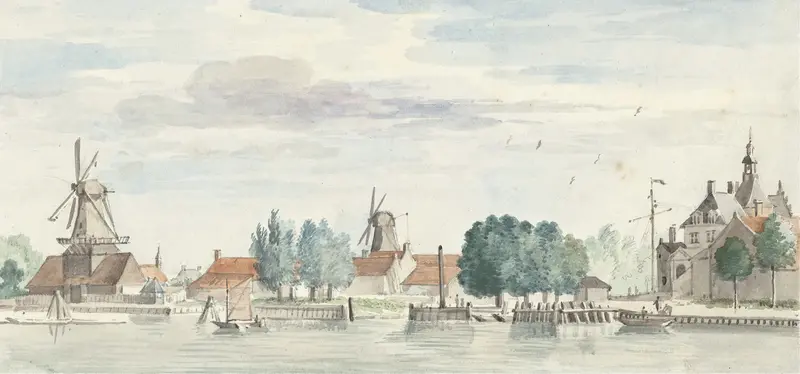
Gezicht op Dordrecht met de Rietdijkspoort en windmolens
Aert Schouman
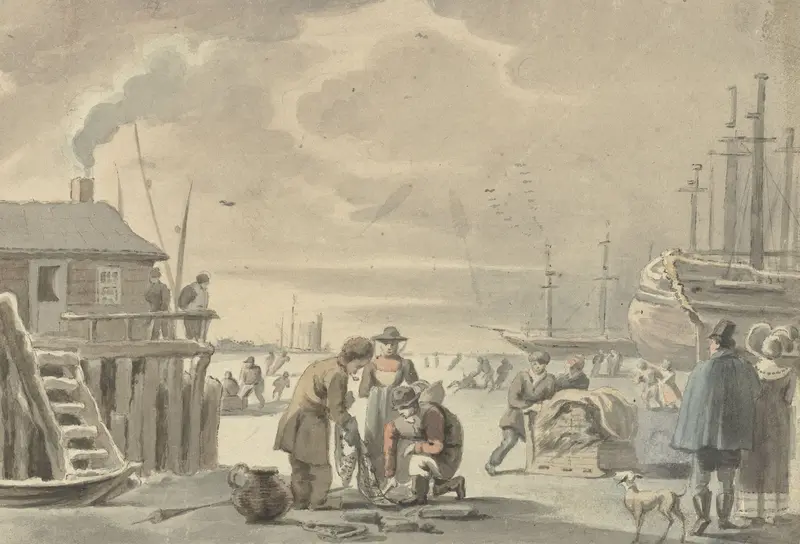
Gezicht op de bevroren Merwede bij Moerdijk
Aert Schouman
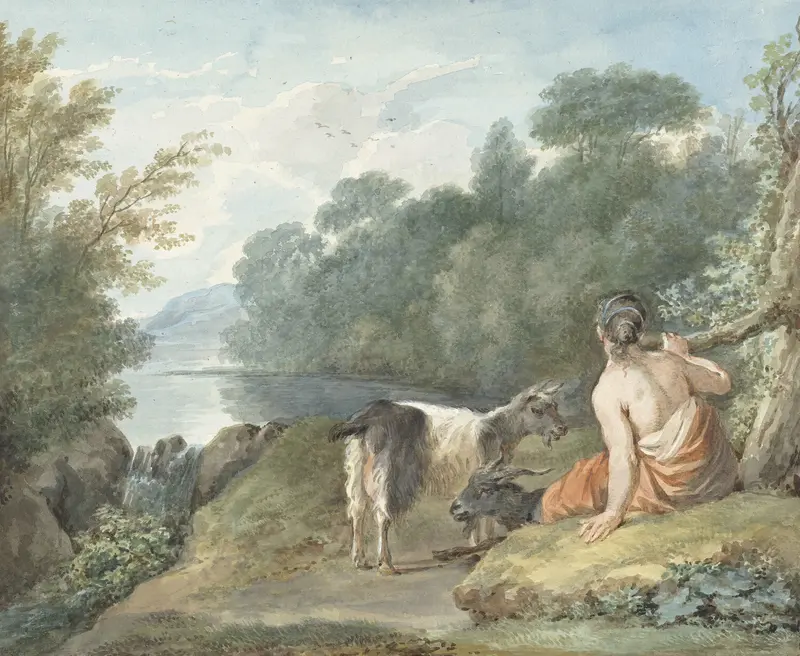
Herderin met geiten in een landschap met een meer
Aert Schouman
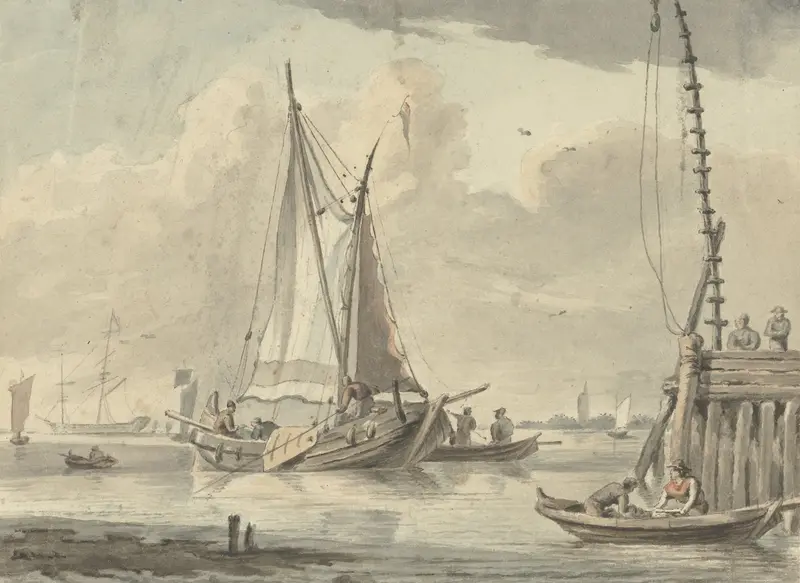
Zeilschepen op de rivier bij Dordrecht
Aert Schouman

Zeilend schip op de Beneden Merwede bij de Papendrechtse dijk
Aert Schouman
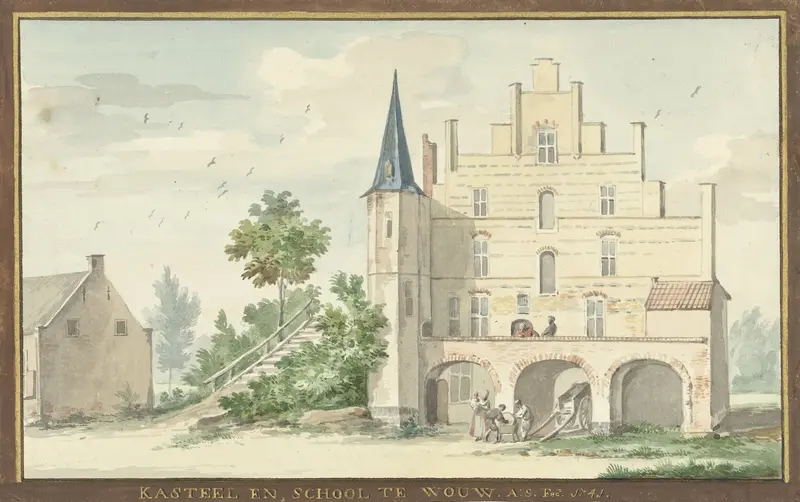
Het kasteel en school te Wouw
Aert Schouman
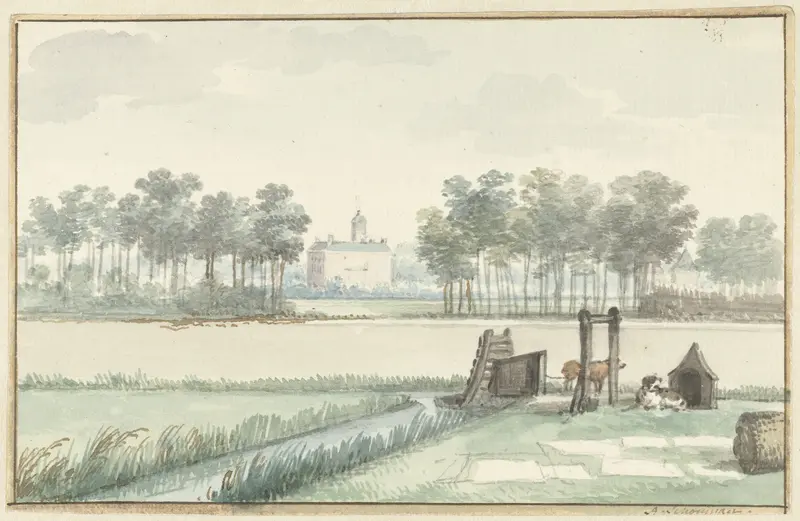
Het kasteel Ter Hooge op Walcheren
Aert Schouman
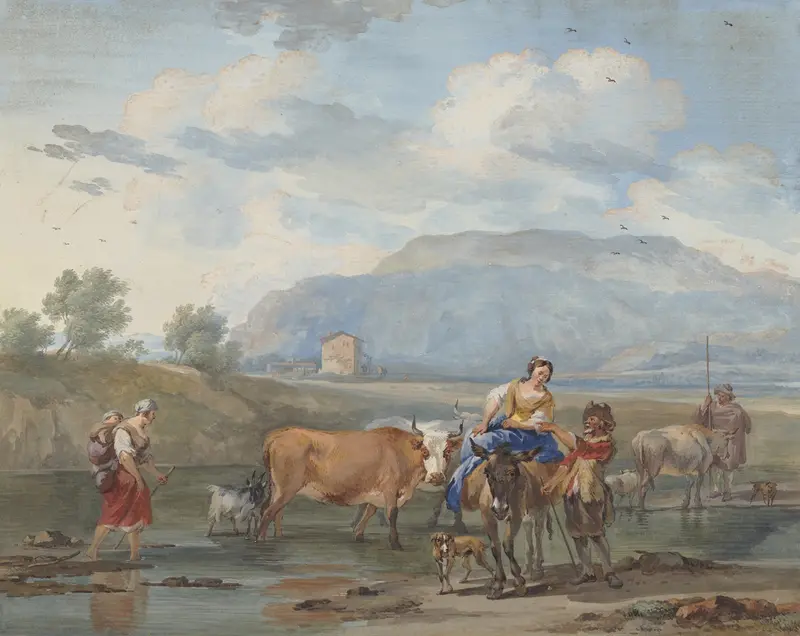
Hirten treiben Kühe durch ein Wasser, links trägt eine Frau ihr Kind auf dem Rücken, rechs reitet eine andere auf einem Esel
Aert Schouman
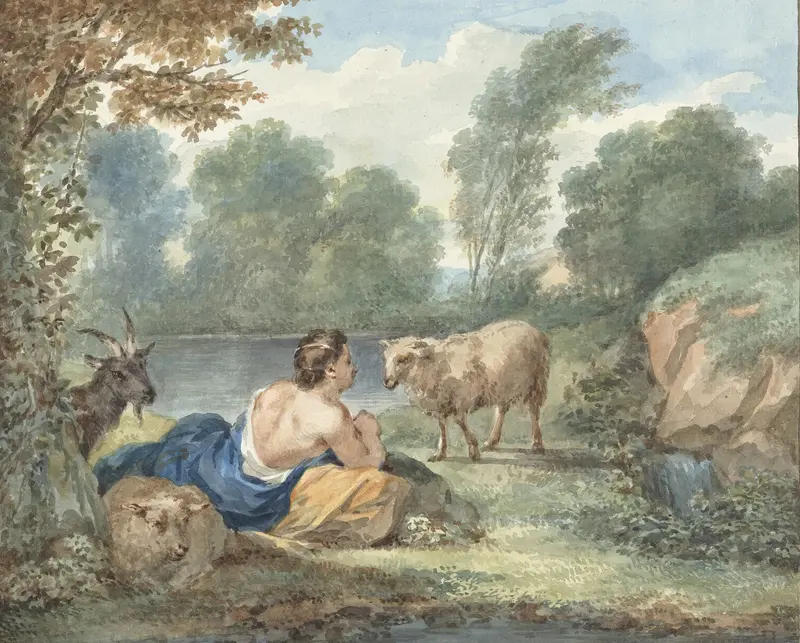
Herderin met schapen in een landschap met een meertje
Aert Schouman





