
Kain doodt Abel — History & Facts
Who listens when art speaks of silence? In Kain doodt Abel, the weight of divinity and human transgression hangs palpably in the air, inviting contemplation and reflection. Look to the center of the canvas, where the brutal act occurs: Cain stands over Abel, a stark contrast wrought in blood reds and deep earthy tones. Notice how the light glimmers on the glistening blade, drawing your eye to the violence that seems both immediate and shocking. The figures are framed by muted colors, with the background dissolving into shadowy hues that suggest an ominous presence, as if the very earth mourns the act of fratricide.
Each stroke reveals a mastery of texture, breathing life into drapery and skin alike, while the haunting expressions of the figures amplify the moment's emotional weight. Delve deeper into the underlying narrative. The positioning of Abel’s body, almost languid in its defeat, suggests a profound stillness that contrasts with Cain's tense posture. This juxtaposition of life and death speaks to the eternal struggle between good and evil, a tension echoed in the way the two figures seem to exist in separate dimensions — one of divine retribution, the other of sorrow.
The subtle hints of divine light cascade over the scene, evoking a sense of judgment, as if the heavens themselves bear witness to this primal act of betrayal. Created during the turbulent era of the Reformation, Jacob Binck painted Kain doodt Abel in a time of great religious and societal upheaval. Working in the Netherlands, he focused on themes of morality, often drawing from biblical narratives to explore the human condition. This artwork reflects not just personal interpretation but echoes the larger dialogues of faith and morality that defined his contemporaries.
As such, it serves as both a reflection of his time and a timeless meditation on the darker facets of human nature.
More Artworks by Jacob Binck
Browse all →
Portret van Christiaan II, koning van Denemarken
Jacob Binck

Christus en de Samaritaanse vrouw
Jacob Binck
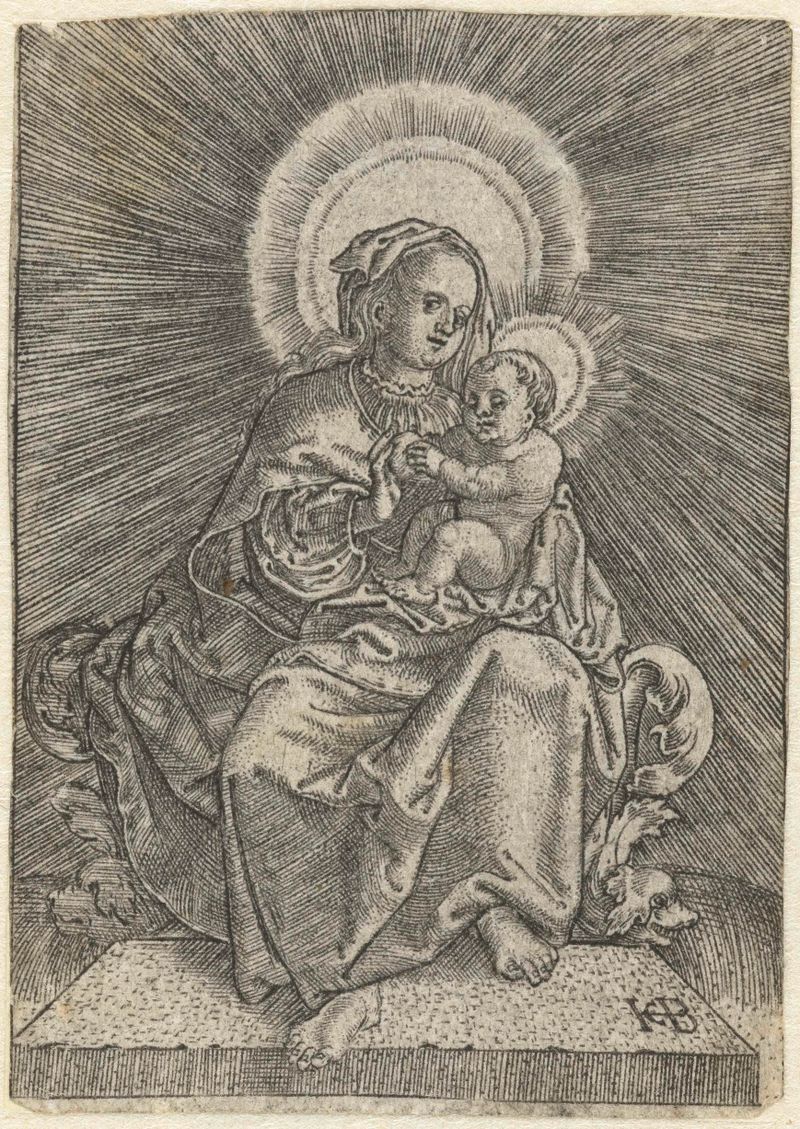
Tronende Maria met kind en appel in stralenkrans
Jacob Binck

Christus op de koude steen
Jacob Binck

Ornament met twee putti op dolfijnen onder een vaas
Jacob Binck
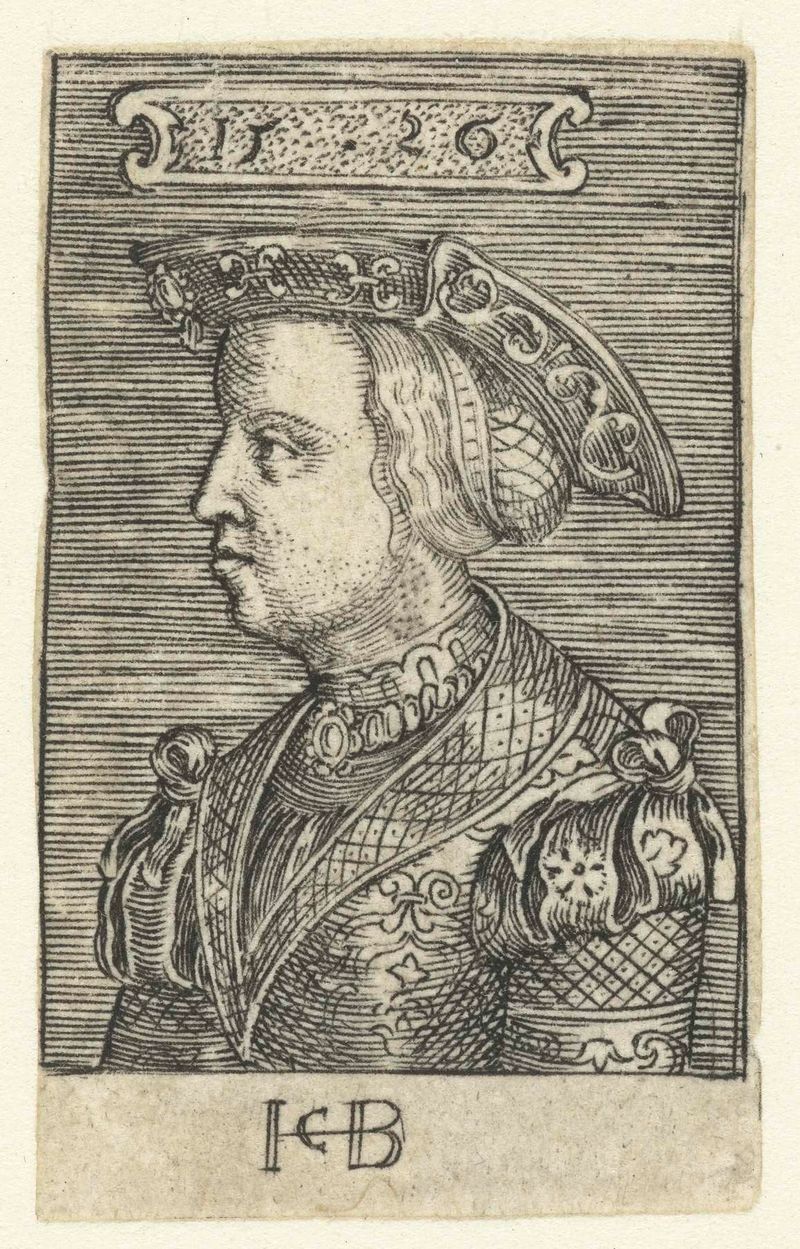
Portret van Claudia van Valois, echtgenote van Frans I
Jacob Binck

Ceres met kroon van korenaren, sikkel, brandende toorts en tweekoppige slang
Jacob Binck
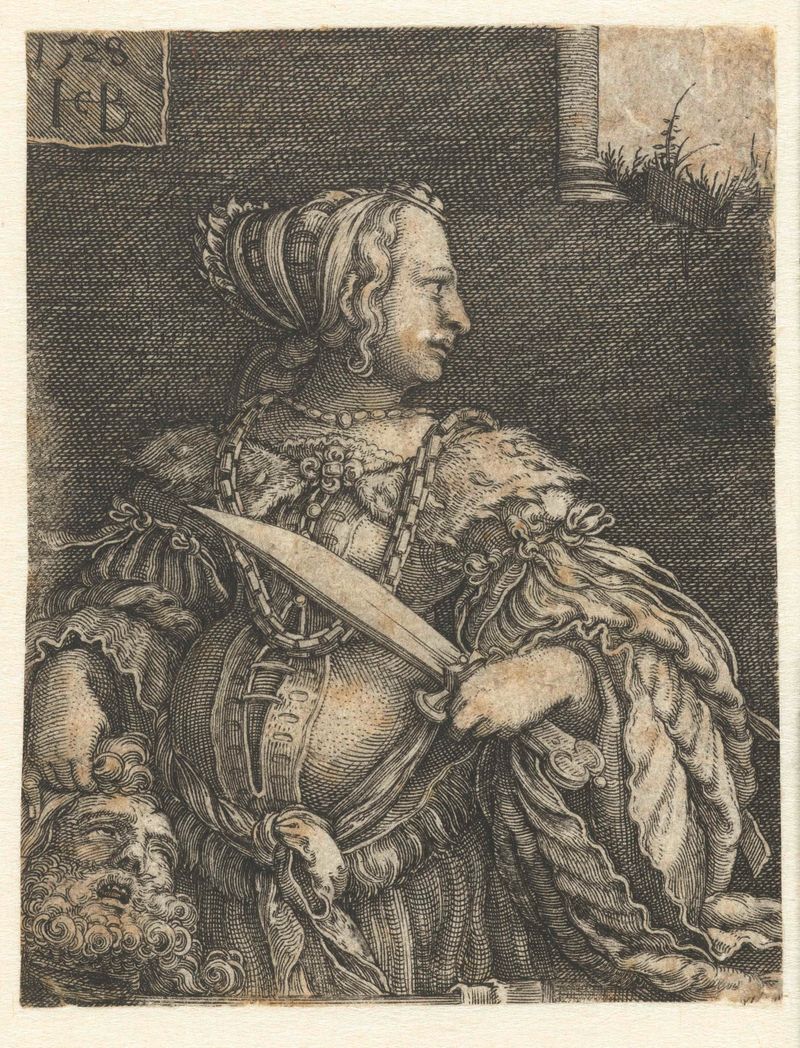
Judith met het hoofd van Holofernes
Jacob Binck
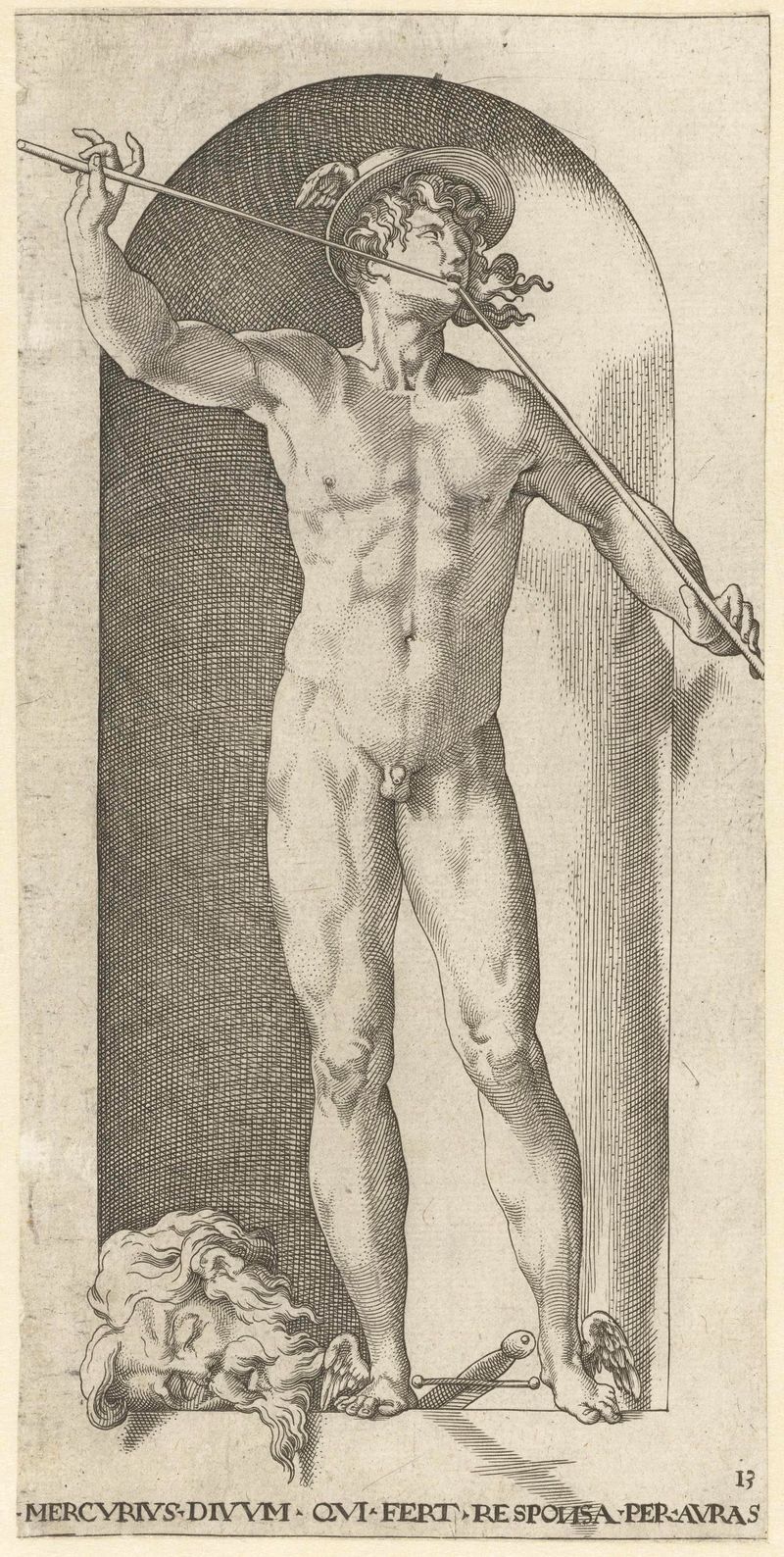
Mercurius met het hoofd van Argus
Jacob Binck

Minerva (Pallas Athena) met Medusahoofd op schild
Jacob Binck
More Religious Art
Browse all →
The Return of the Prodigal Son
Rembrandt van Rijn

The Garden of Earthly Delights
El Bosco

Count Orgaz’ funeral
El Greco

The Hundred Guilder Print: the central piece with Christ preaching, the plate arched
Rembrandt van Rijn

The Descent from the Cross
Rogier van der Weyden

The return of the prodigal son
Rembrandt van Rijn