Kallham — History & Facts
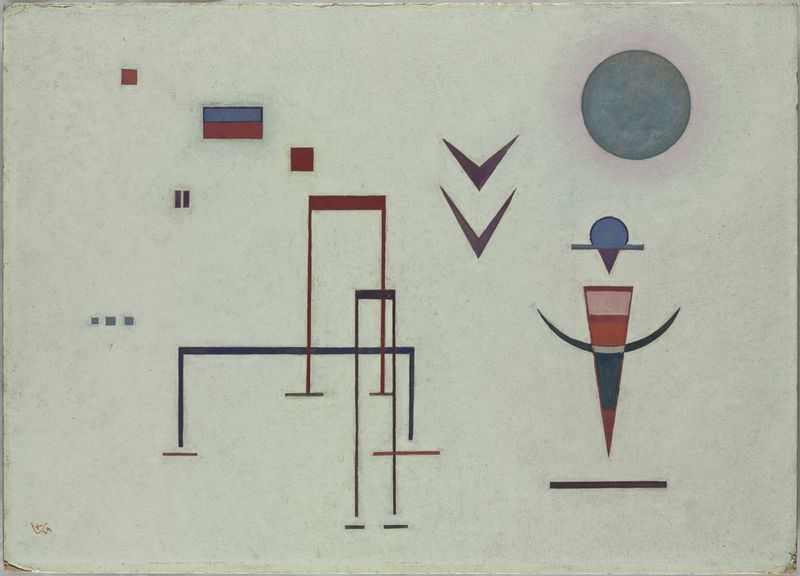
This quiet interplay of time and emotion invites us to linger and reflect deeply on life’s fleeting moments. How do we capture the essence of time itself, allowing it to resonate through strokes of color and shadow? Look to the center of the canvas, where vibrant hues converge in a kaleidoscope of tones. Notice the way light dances across the surface, illuminating certain areas while leaving others shrouded in dusk-like mystery.
The bold brushwork and layered textures draw the eye, creating a sense of movement as if the colors are whispering their own stories. Each section is meticulously crafted, leading the viewer through a maze of visual narratives that interconnect the past, present, and future. Within this composition lies a profound tension between chaos and order. The vibrant colors suggest vitality and the passage of time, while the darker sections evoke a sense of nostalgia and loss.
Subtle details—perhaps the delicate brushstrokes that hint at a figure long gone—prompt reflections on what remains when the noise of life fades. This duality invites contemplation of our own temporal experiences and the legacies we create. In 1948, Oskar Laske was navigating the aftermath of World War II, a period marked by both artistic innovation and a search for meaning amid destruction. Living in post-war Europe, he explored the relationship between color and emotion, finding solace in abstraction.
It was a time of transformation, not just for Laske but for many artists, as they redefined the boundaries of expression and sought to reconstruct identity through their work.
More Artworks by Oskar Laske
Browse all →
Faschingsumzug am Stock im Eisen Platz
Oskar Laske

Schönbrunn (Winter)
Oskar Laske
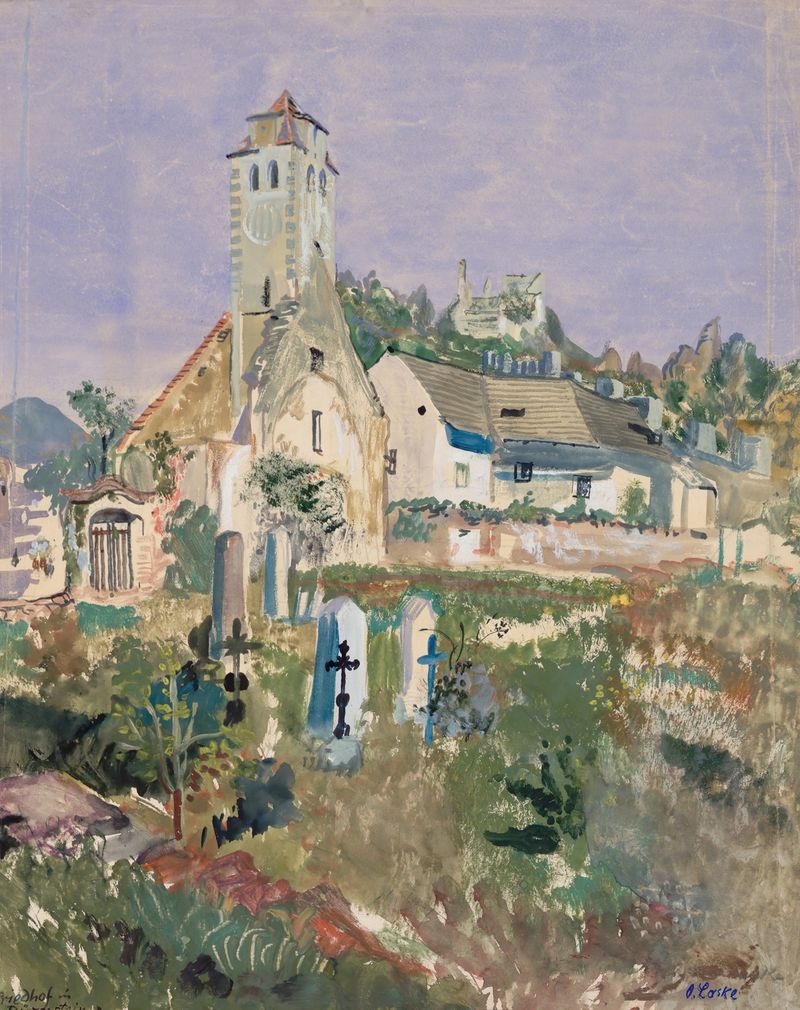
Friedhof in Dürnstein
Oskar Laske

Pratermotiv an der alten Donau
Oskar Laske

Frühjahrsnebel in Niederösterreich
Oskar Laske

Begräbnis des Wiener Bürgermeisters Dr. Karl Lueger
Oskar Laske

Maria Theresien-Denkmal mit Blick gegen das Burgtor
Oskar Laske
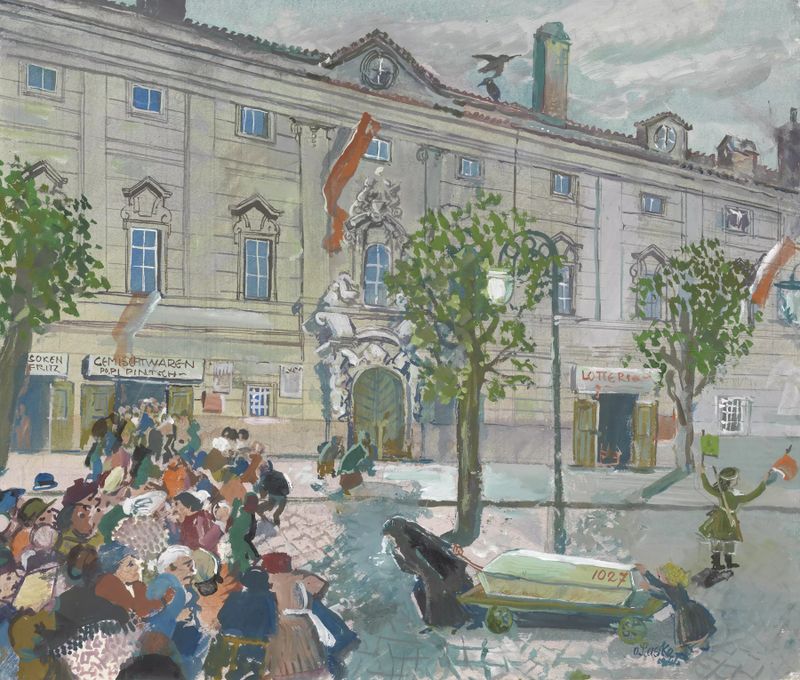
Wiener Straßenbild vom Mai 1945
Oskar Laske

Winterlandschaft in Pressbaum
Oskar Laske

Ansicht von Positano
Oskar Laske