
Kaloderma Seife, Gelée, Puder — History & Facts
What first catches the eye here is not the product, but the woman’s gaze—a sidelong look, at once distant and intimate, that draws the viewer into her private world. The soft, monochrome palette in shades of rose bathes the scene in a gentle glow, while the elegant script of Kaloderma Seife, Gelée, and Puder floats around her like whispered promises. Her pose, with one arm draped languidly and the other hand poised in a delicate gesture, suggests a moment of personal ritual, the quiet confidence of someone who knows she is observed and yet remains serenely self-possessed.
The background, with its subtle lamps and shadows, frames her in a space that is both domestic and aspirational, inviting us to linger on the details of her world. Created in 1924 for the pages of Jugend: Münchner illustrierte Wochenschrift für Kunst und Leben, this advertisement by Ludwig Hohlwein sits at the intersection of art and commerce during a period when graphic design was rapidly evolving. The early twentieth century in Germany saw the rise of the Sachplakat, or “object poster,” where clarity, boldness, and emotional resonance became the hallmarks of effective advertising. Companies like F.
Wolff & Sohn, based in Karlsruhe, turned to artists to elevate everyday products—soap, gel, powder—into objects of desire and modernity. While history has kept few traces of this specific image’s journey, its presence in a leading art and lifestyle magazine of the Weimar era reminds us how artful persuasion shaped the visual language of modern life. Look again, and see how every curve and letter works to make the ordinary unforgettable.
More Artworks by Ludwig Hohlwein
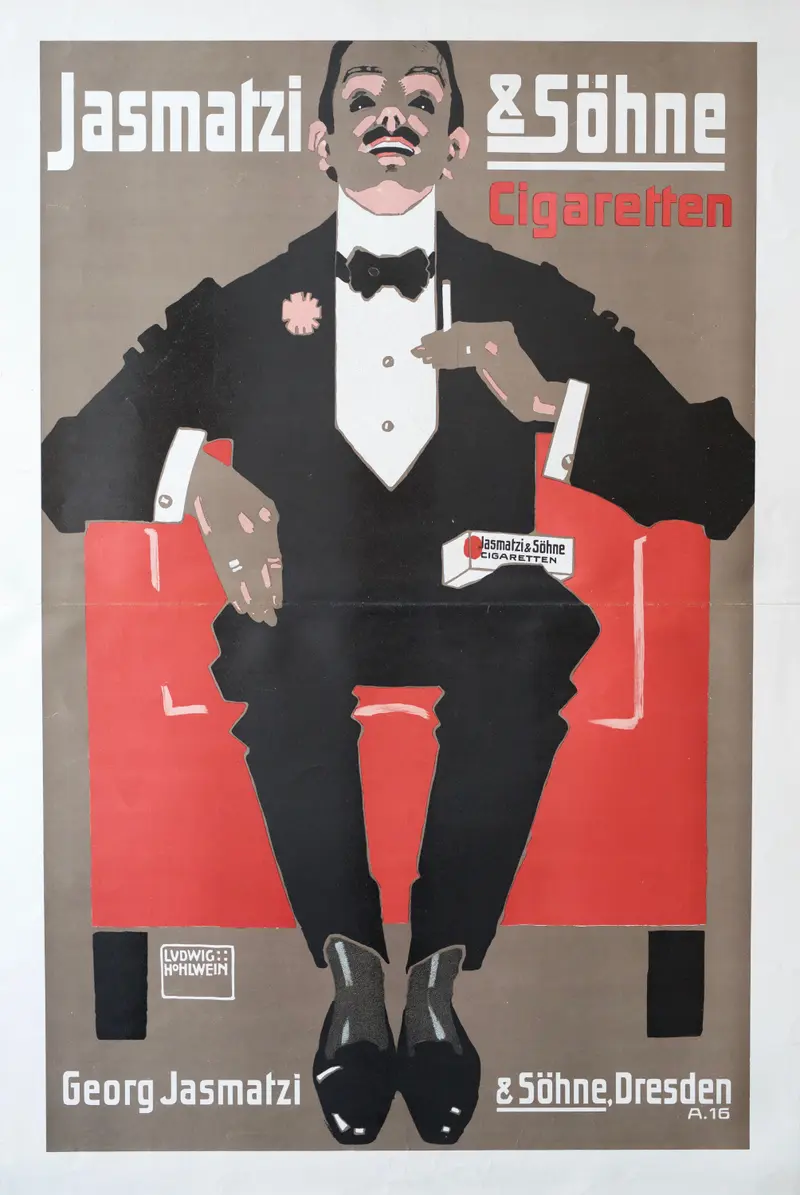
Jasmatzi & Söhne Zigaretten
Ludwig Hohlwein
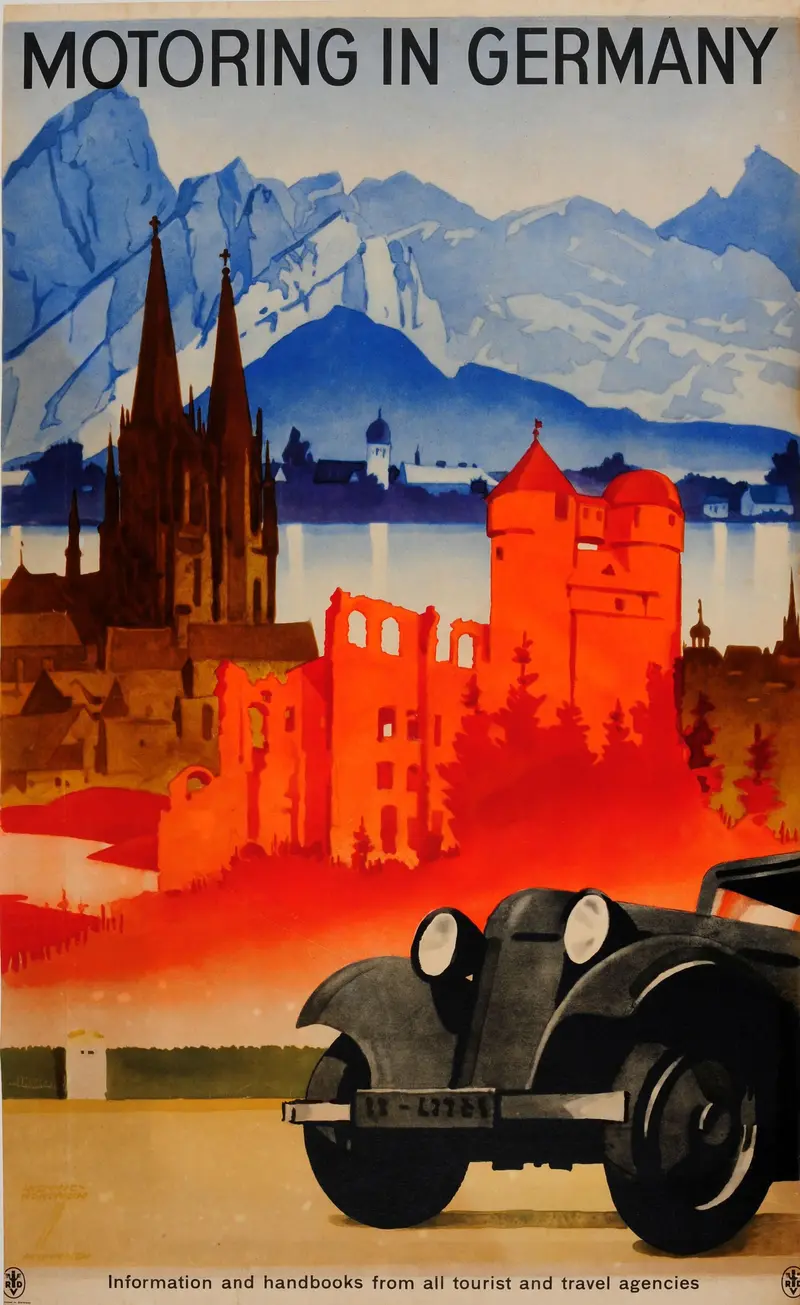
Motoring in Germany
Ludwig Hohlwein
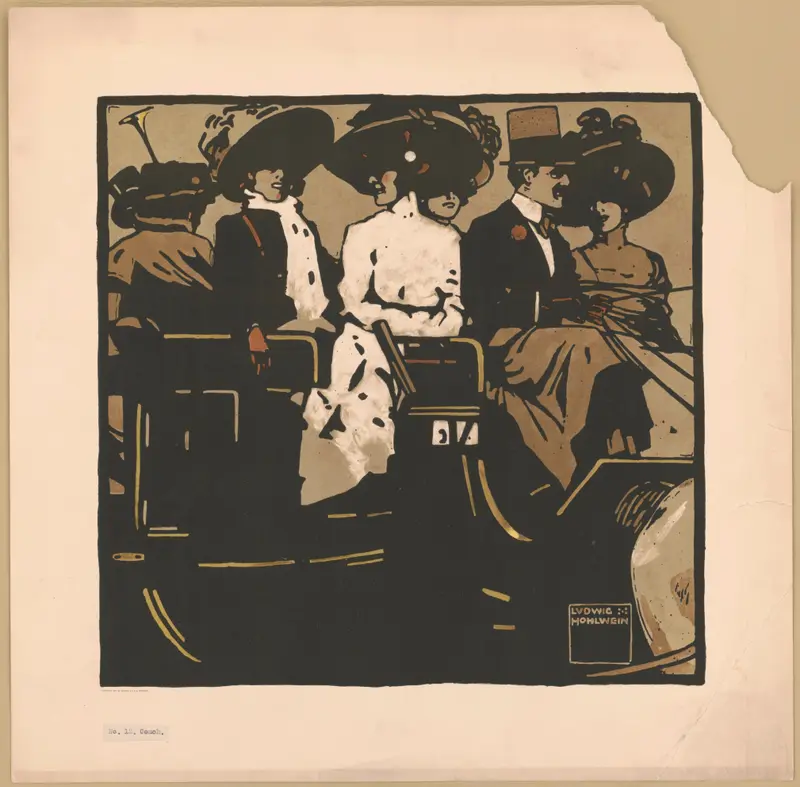
Coach (Turf)
Ludwig Hohlwein
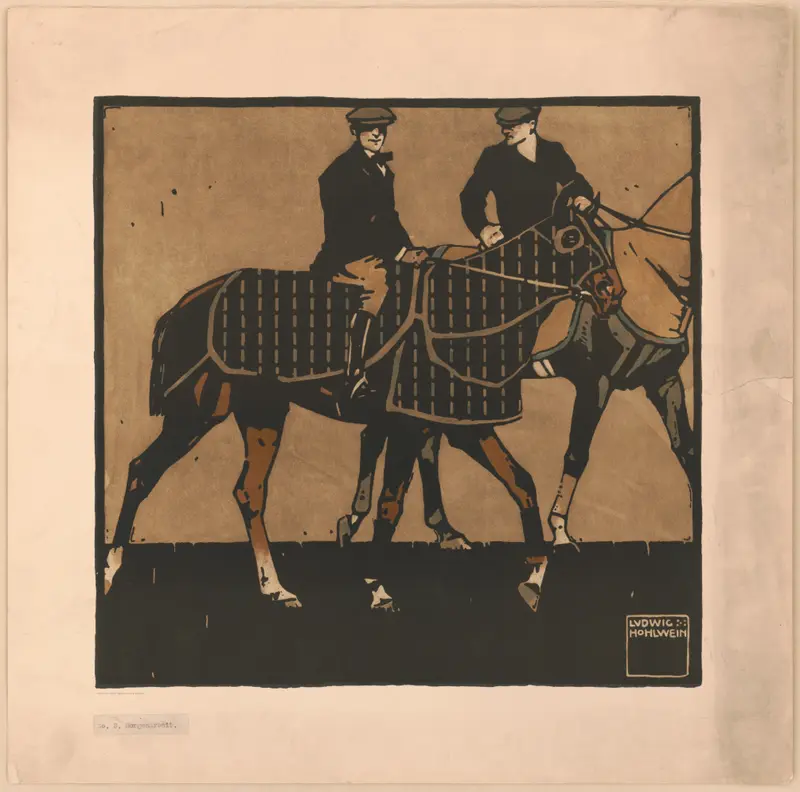
Morgenarbeit (Turf)
Ludwig Hohlwein
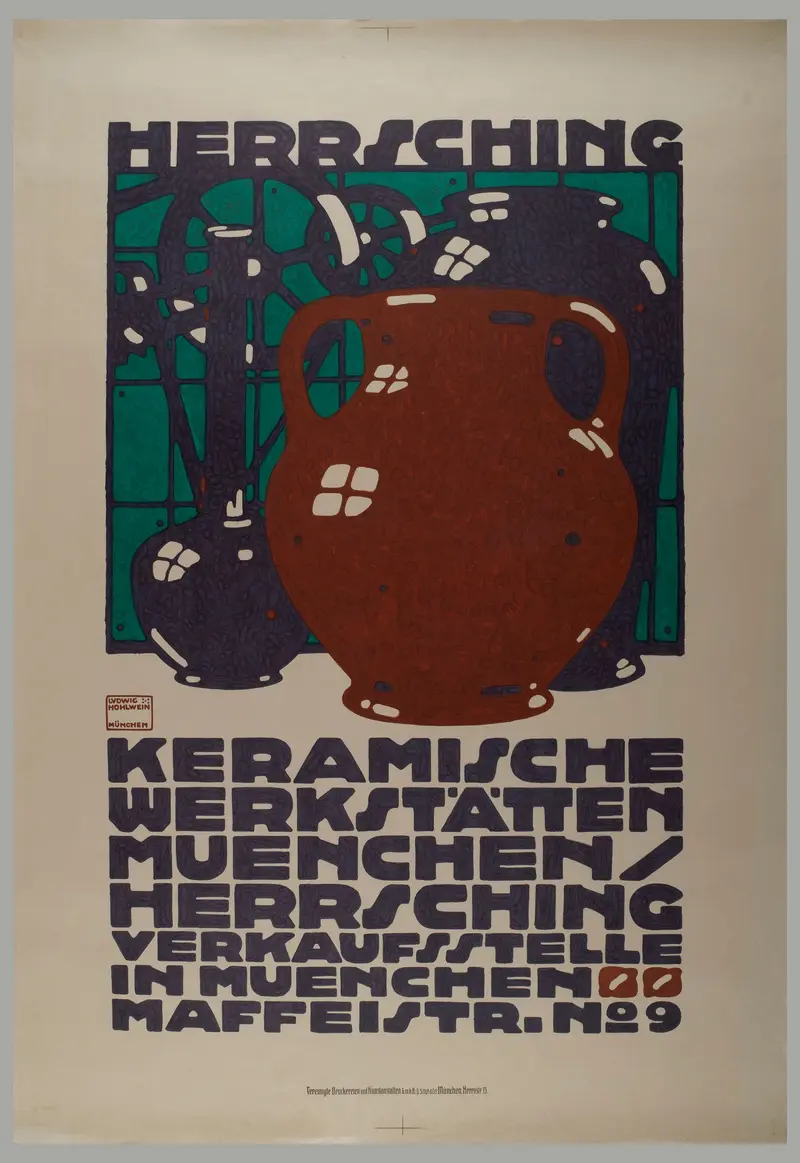
Keramische Werkstätten München-Herrsching
Ludwig Hohlwein
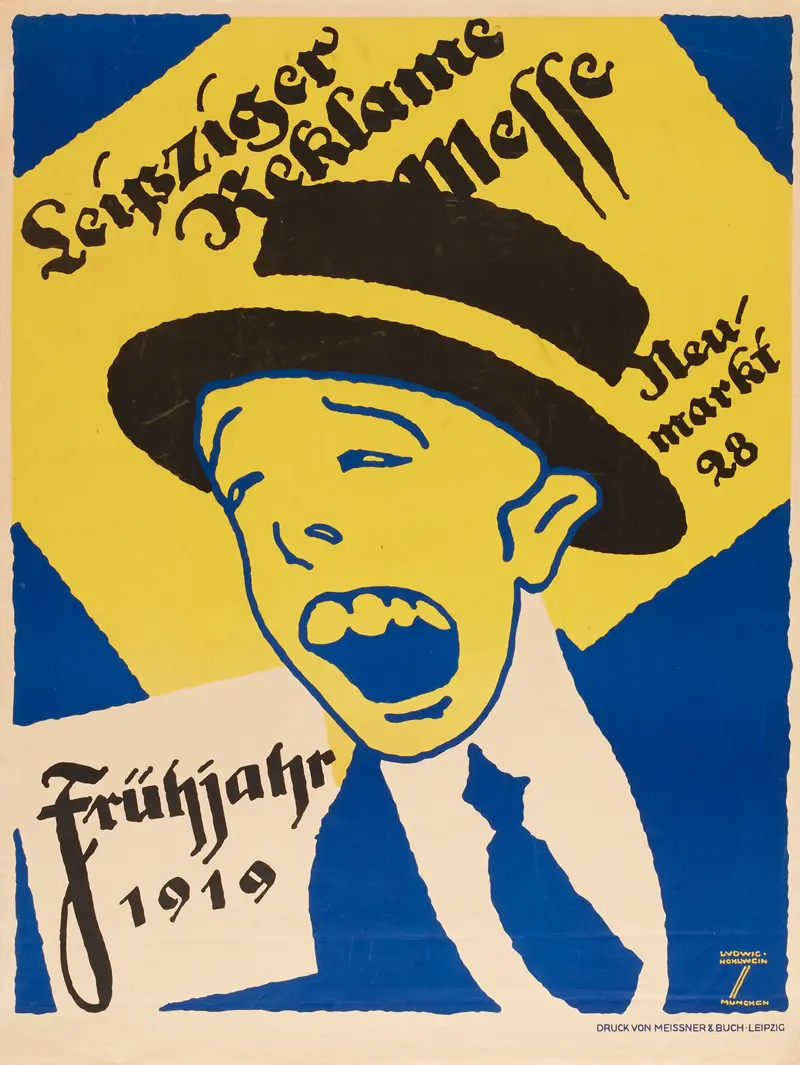
Leipziger Reklame-Messe, Frühjahr 1919
Ludwig Hohlwein
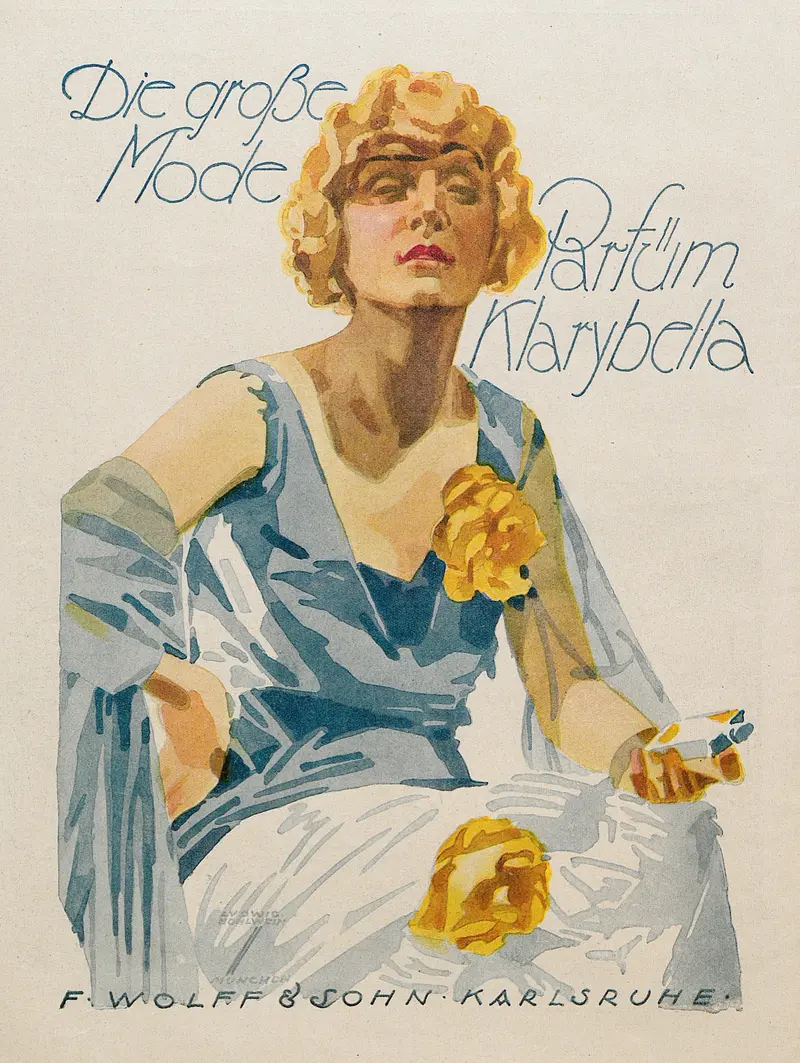
Parfüm Klarybella
Ludwig Hohlwein
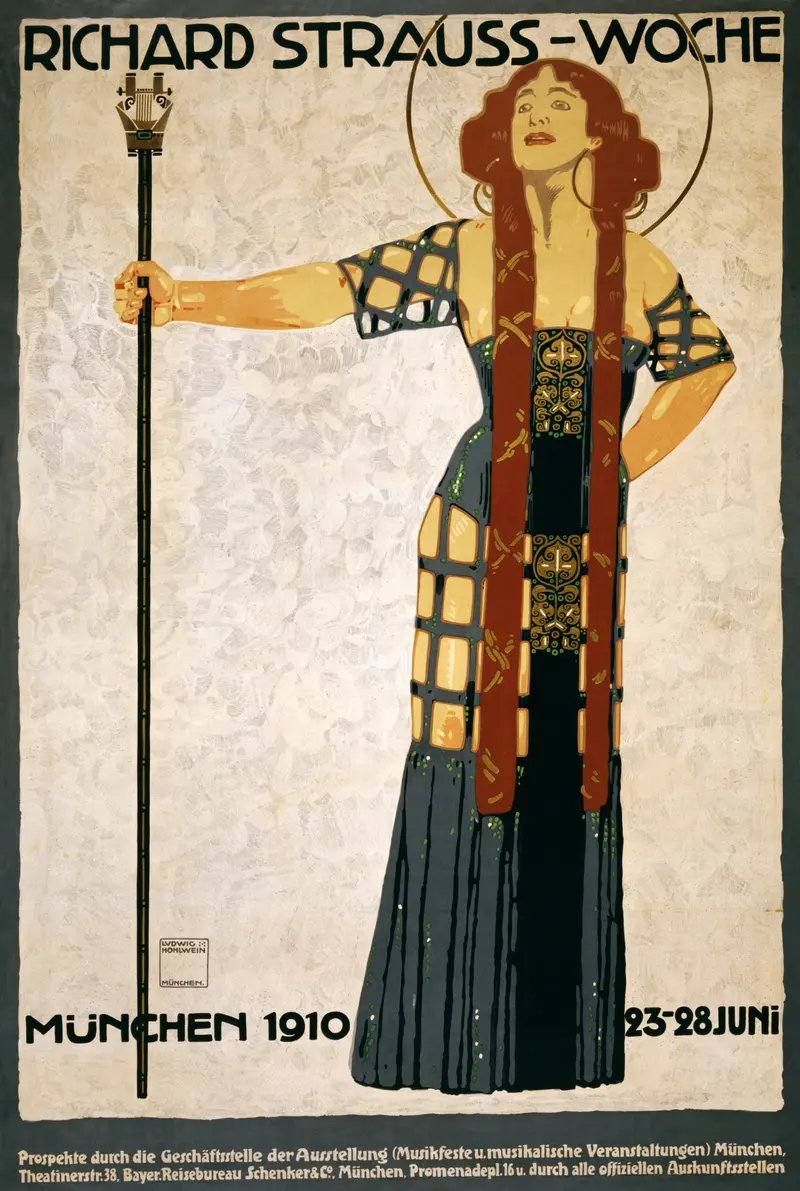
Richard Strauss-Woche, München 1910
Ludwig Hohlwein
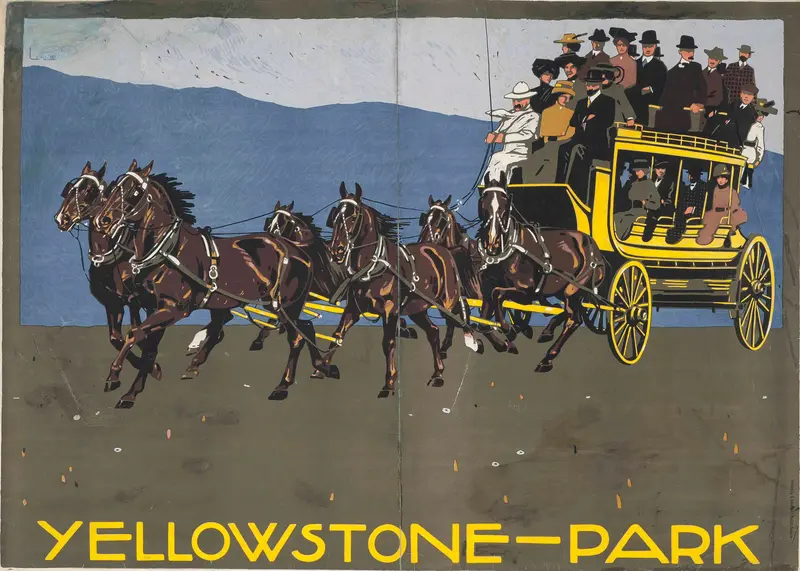
Yellowstone Park
Ludwig Hohlwein
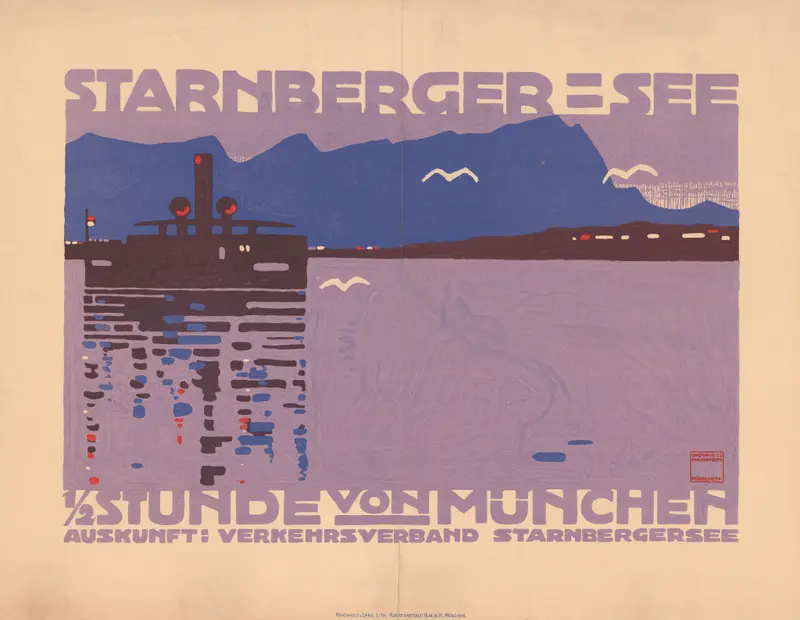
Starnberger See – ½ Stunde von München
Ludwig Hohlwein



