Keramische Werkstätten München-Herrsching — History & Facts
What first catches the eye in Keramische Werkstätten München-Herrsching is the bold, almost architectural presence of the pottery itself—three vases, their forms simplified and monumental, command the upper half of the design. The largest vessel, rendered in a deep, earthy red, seems to glow with the promise of utility and beauty, its glossy highlights echoing the light from an unseen window. Behind it, the cool blue and teal shapes of other pots and the geometric lattice of a tiled wall create a stage, while the stylized potter’s wheel in the corner hints at the human hand behind these crafted objects.
The palette is deliberate: the warmth of the clay set against the cool, industrial blue, inviting the viewer to imagine both the tactile pleasure of ceramics and the modernity of their making. Created in 1910, this poster by Ludwig Hohlwein belongs to a world where art and commerce were rapidly converging. The Jugendstil movement—Germany’s answer to Art Nouveau—favored strong outlines, flat color, and a union of craft and design, all visible here. Such posters were not mere advertisements; they were declarations of a new aesthetic, celebrating workshops like the Keramische Werkstätten as temples of modern taste.
History has kept few traces of the everyday business of these workshops, but this image survives as a testament to the era’s faith in both industry and artistry. Notice how the text below, blocky and rhythmic, anchors the image—drawing your gaze back up to those vessels, and the world of possibility they represent.
More Artworks by Ludwig Hohlwein
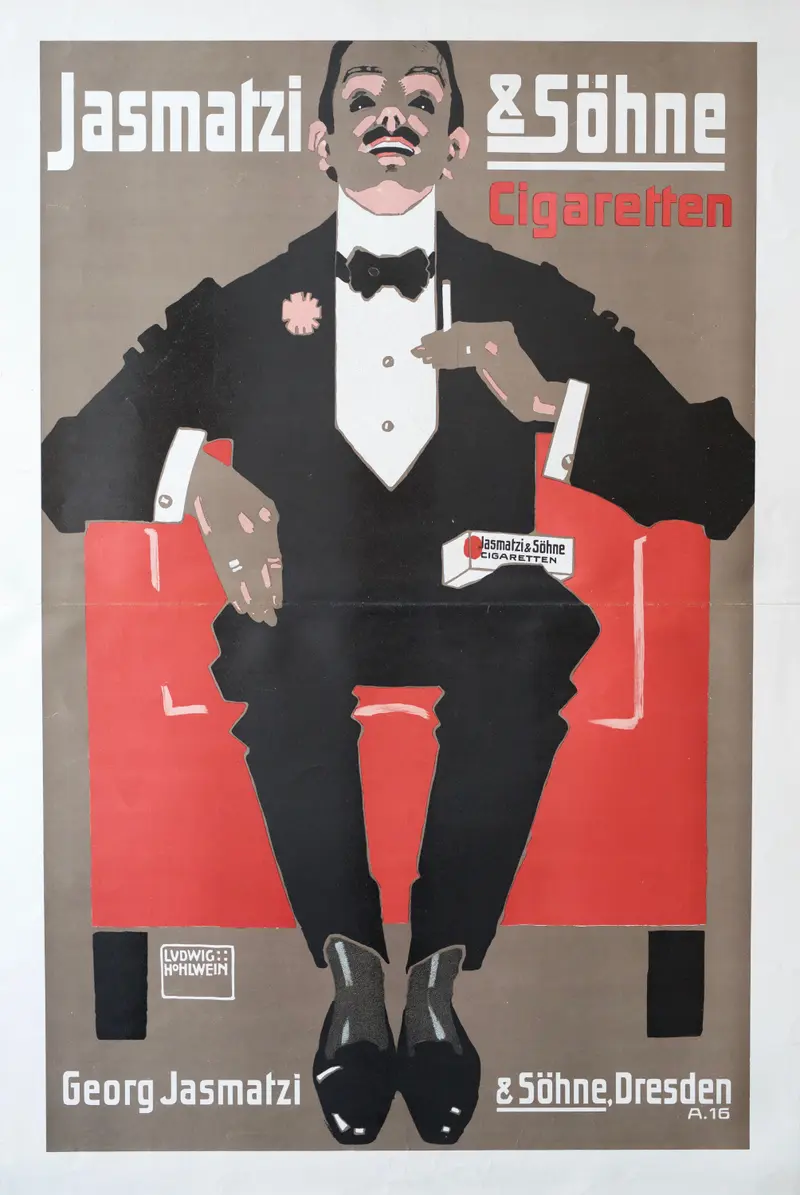
Jasmatzi & Söhne Zigaretten
Ludwig Hohlwein
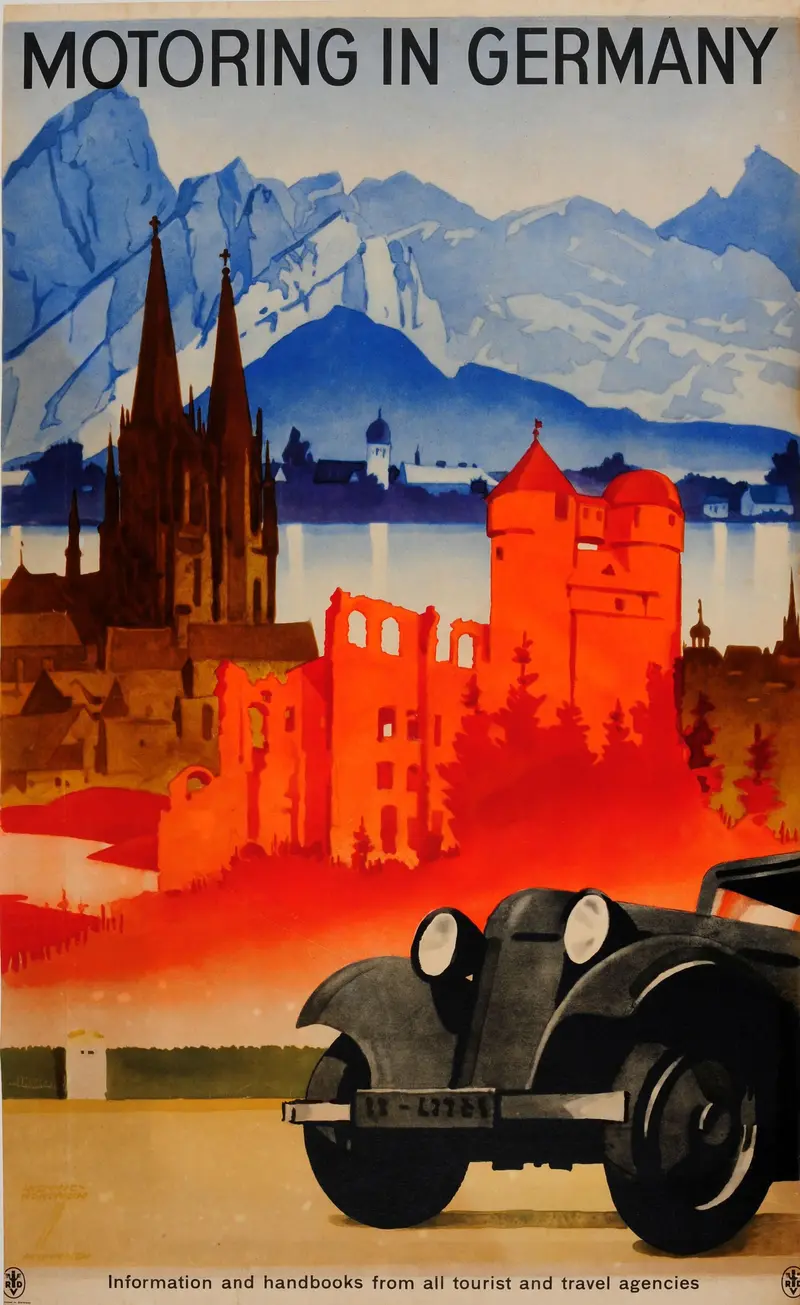
Motoring in Germany
Ludwig Hohlwein
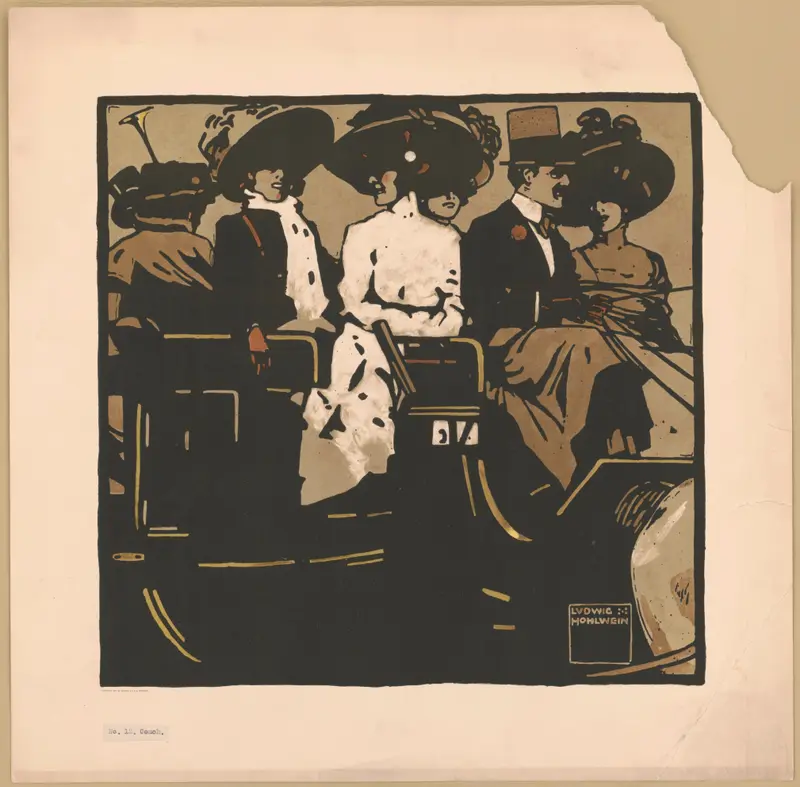
Coach (Turf)
Ludwig Hohlwein
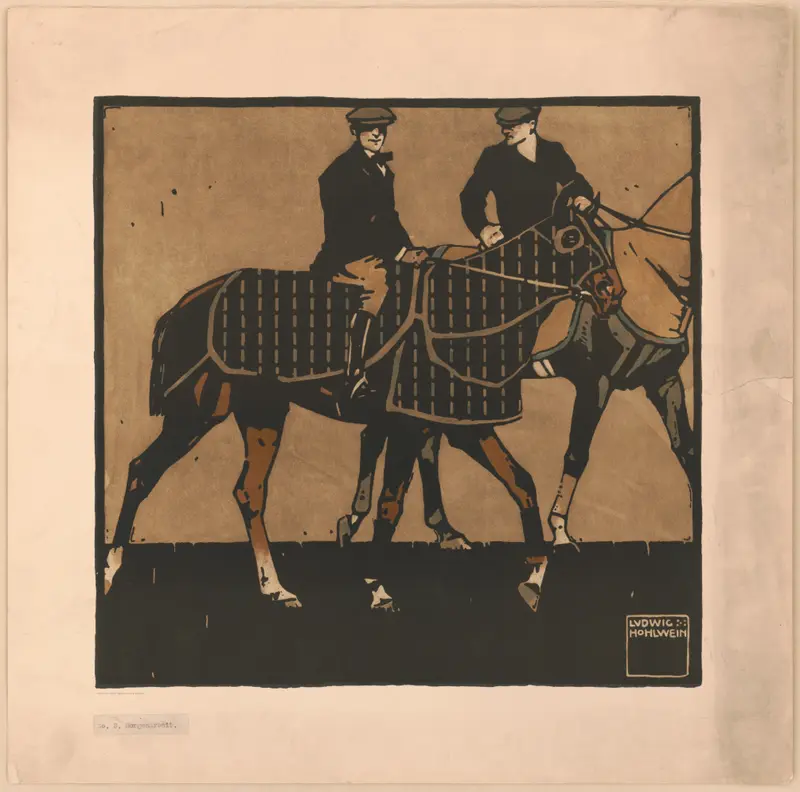
Morgenarbeit (Turf)
Ludwig Hohlwein
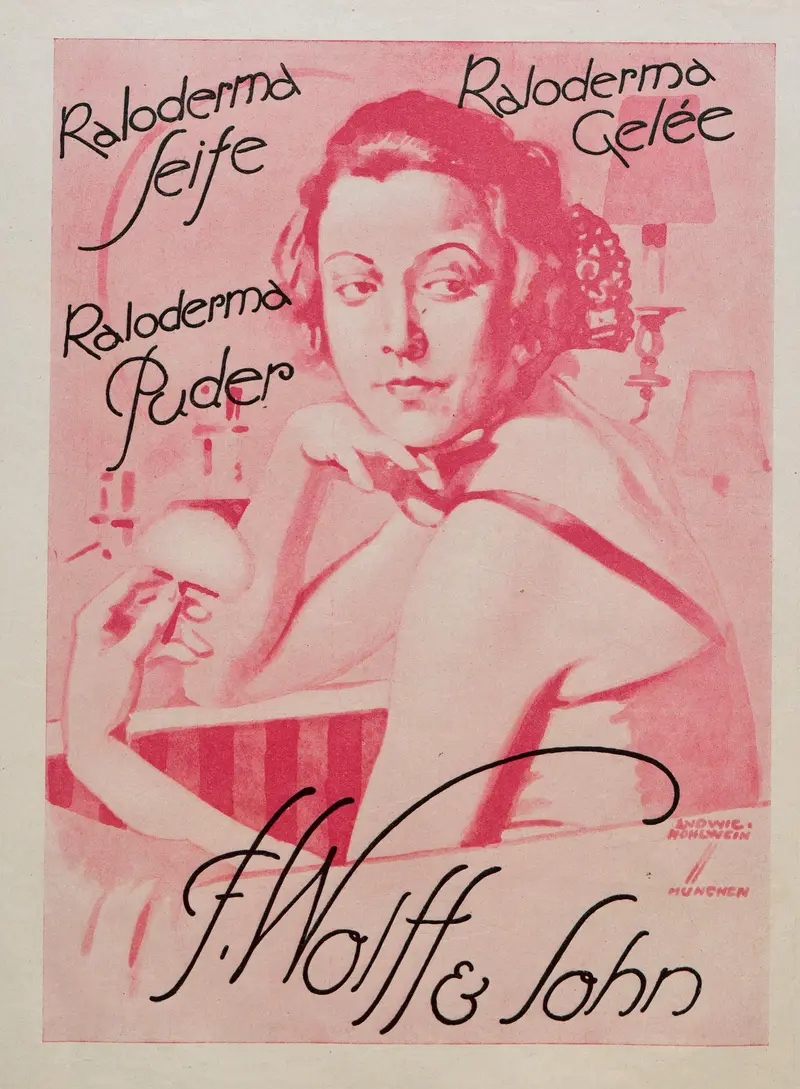
Kaloderma Seife, Gelée, Puder
Ludwig Hohlwein
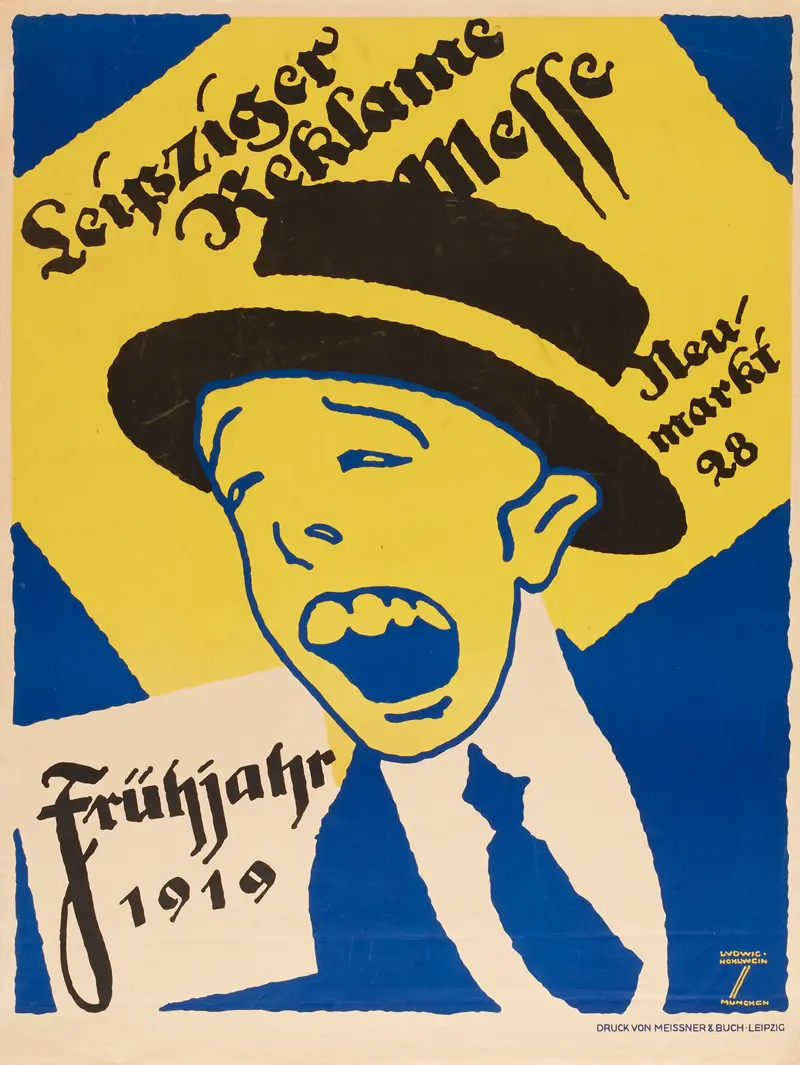
Leipziger Reklame-Messe, Frühjahr 1919
Ludwig Hohlwein
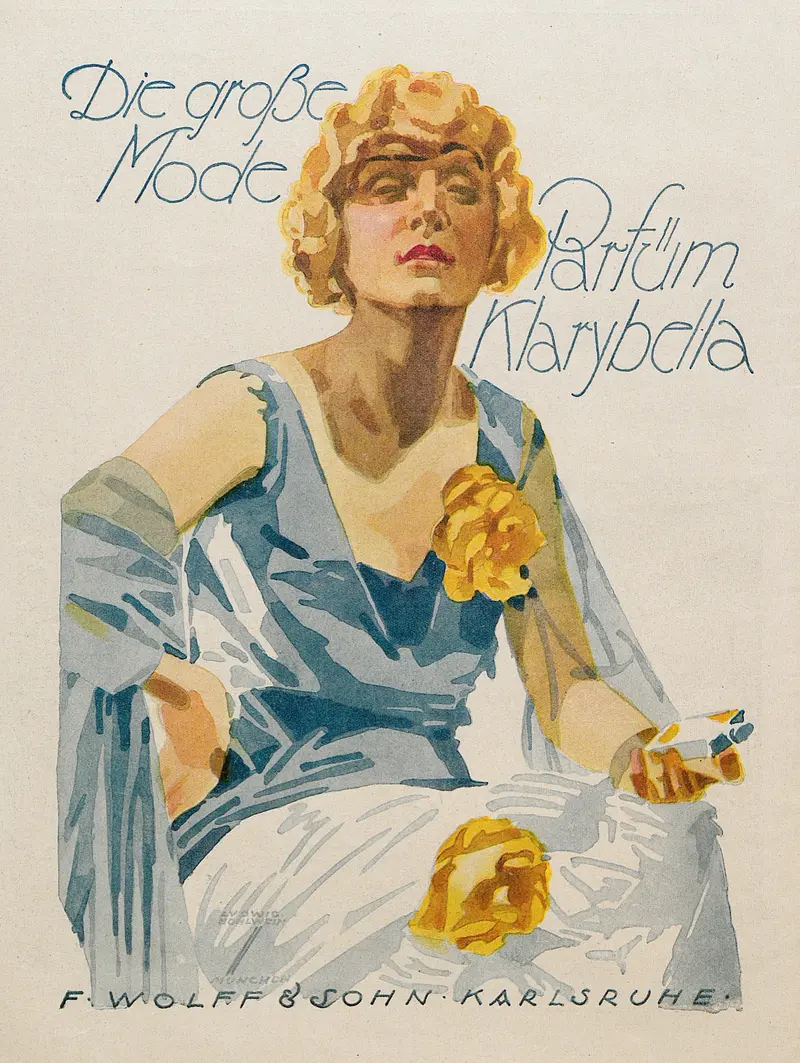
Parfüm Klarybella
Ludwig Hohlwein
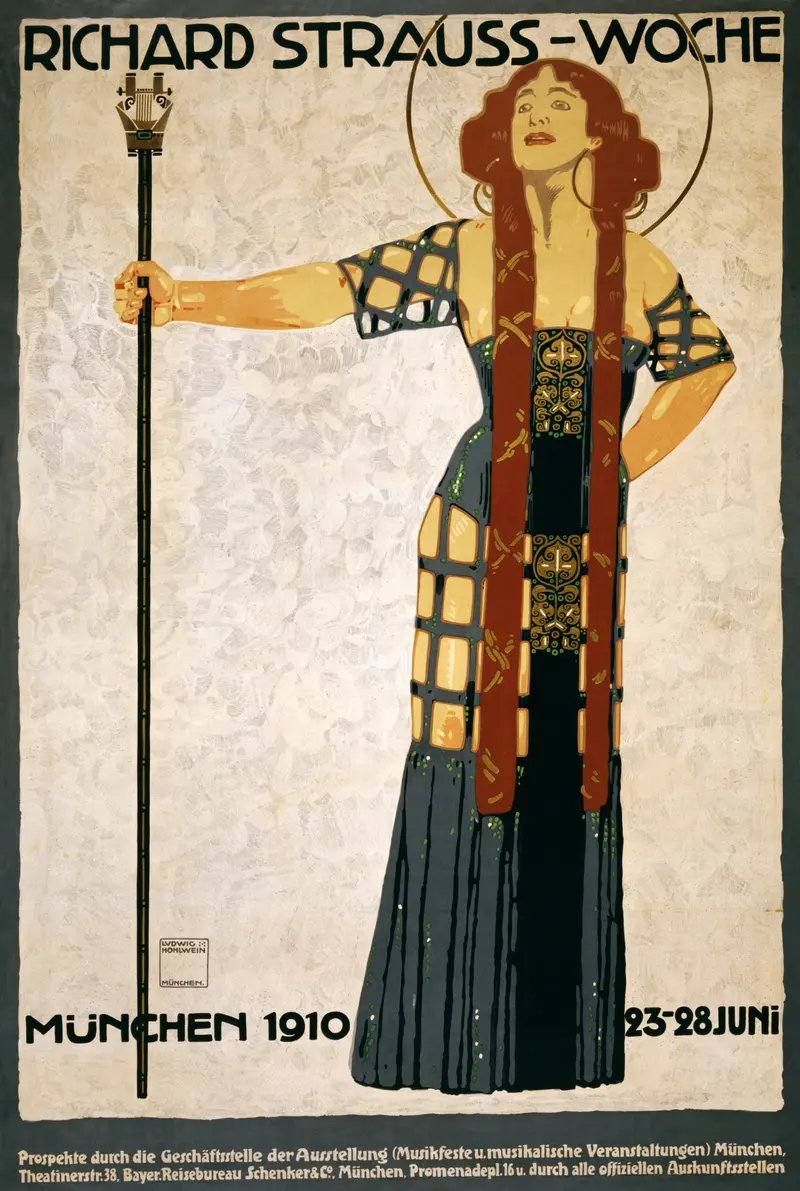
Richard Strauss-Woche, München 1910
Ludwig Hohlwein
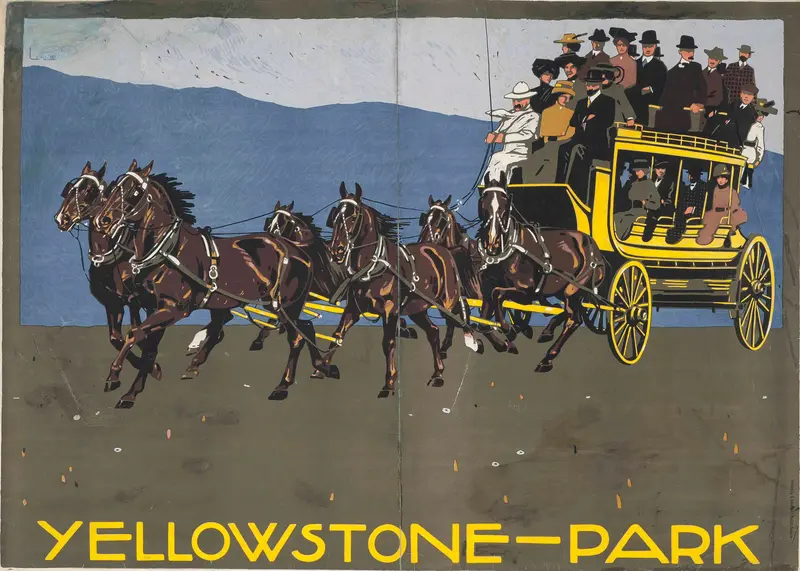
Yellowstone Park
Ludwig Hohlwein
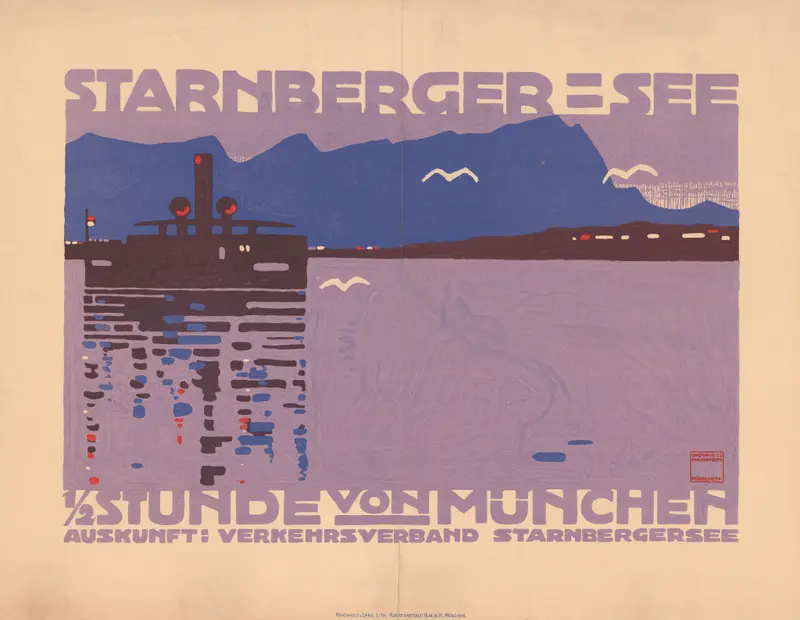
Starnberger See – ½ Stunde von München
Ludwig Hohlwein