
Motoring in Germany — History & Facts
A black automobile, all sharp curves and gleaming headlights, commands the foreground, its presence as bold as the block letters above: Motoring in Germany. Behind it, a fantasy of German landmarks unfurls in radiant color—ruined castle walls in blazing orange-red, gothic spires rendered in deep brown, and distant blue mountains rising like a painted promise. The car is not just a vehicle but an invitation, its angled chassis leading the eye into a landscape where history and modernity collide.
The palette is theatrical, almost cinematic, with the fiery architecture glowing against the cool serenity of the mountains, as if the past itself is illuminated by the possibilities of travel. This is not a scene of quiet contemplation; it is a call to adventure, to movement, to the thrill of the open road. Created in the 1920s and published by the Reichsbahnzentrale für den Deutschen Reiseverkehr in Berlin, this work belongs to the golden age of the travel poster, when railways and motorcars were transforming the rhythms of European life. Artists like Ludwig Hohlwein were commissioned to conjure dreams of escape, using bold contrasts and simplified forms to make destinations feel both accessible and extraordinary.
These posters were the visual language of a new era—one where tourism was a mark of modernity, and the journey itself became a kind of spectacle. History has kept few traces of individual posters, but their impact lingers in the way they made travel feel urgent, glamorous, and within reach. Stand before this image, and you can almost hear the engine start.
More Artworks by Ludwig Hohlwein
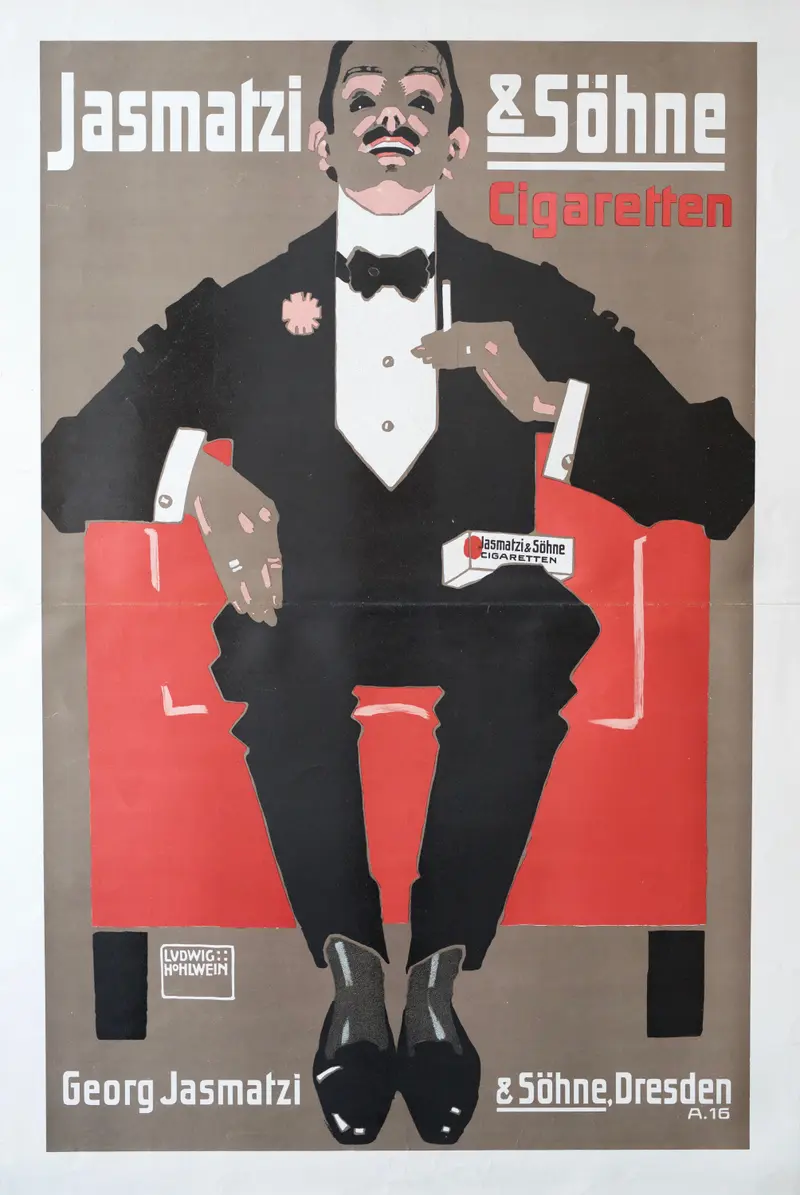
Jasmatzi & Söhne Zigaretten
Ludwig Hohlwein
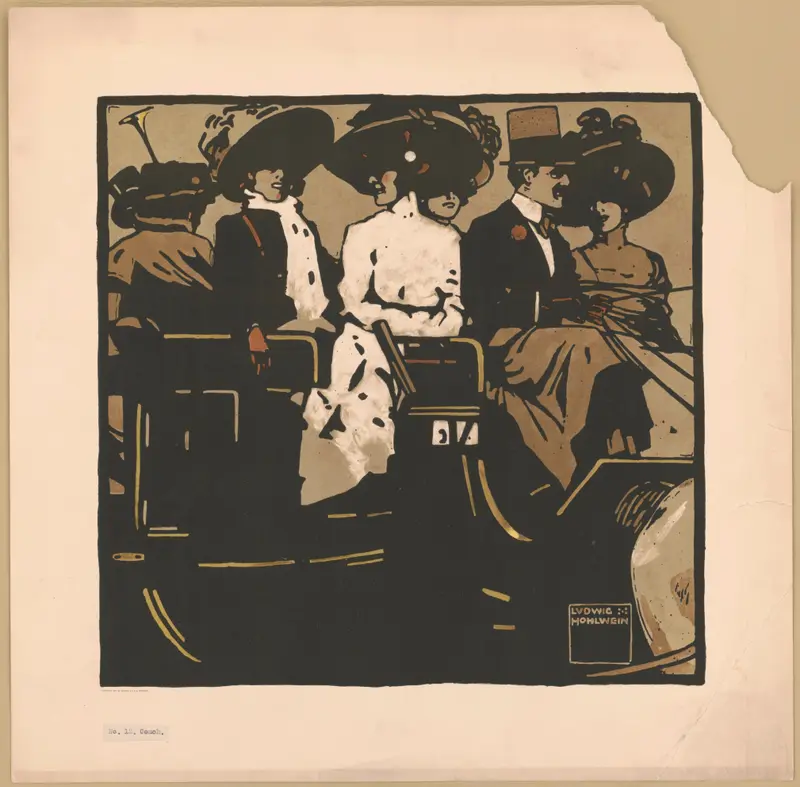
Coach (Turf)
Ludwig Hohlwein
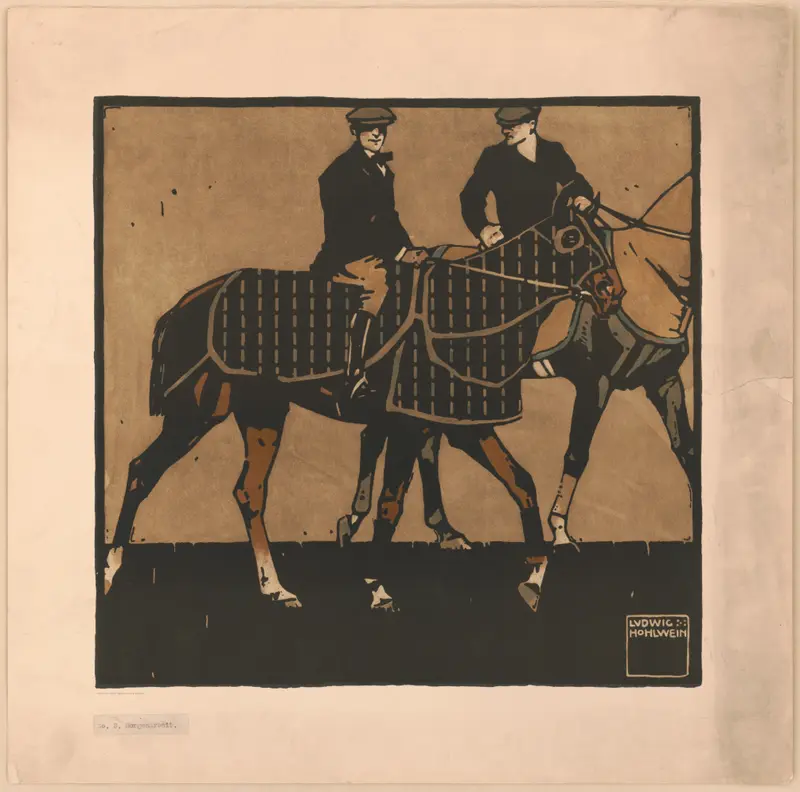
Morgenarbeit (Turf)
Ludwig Hohlwein
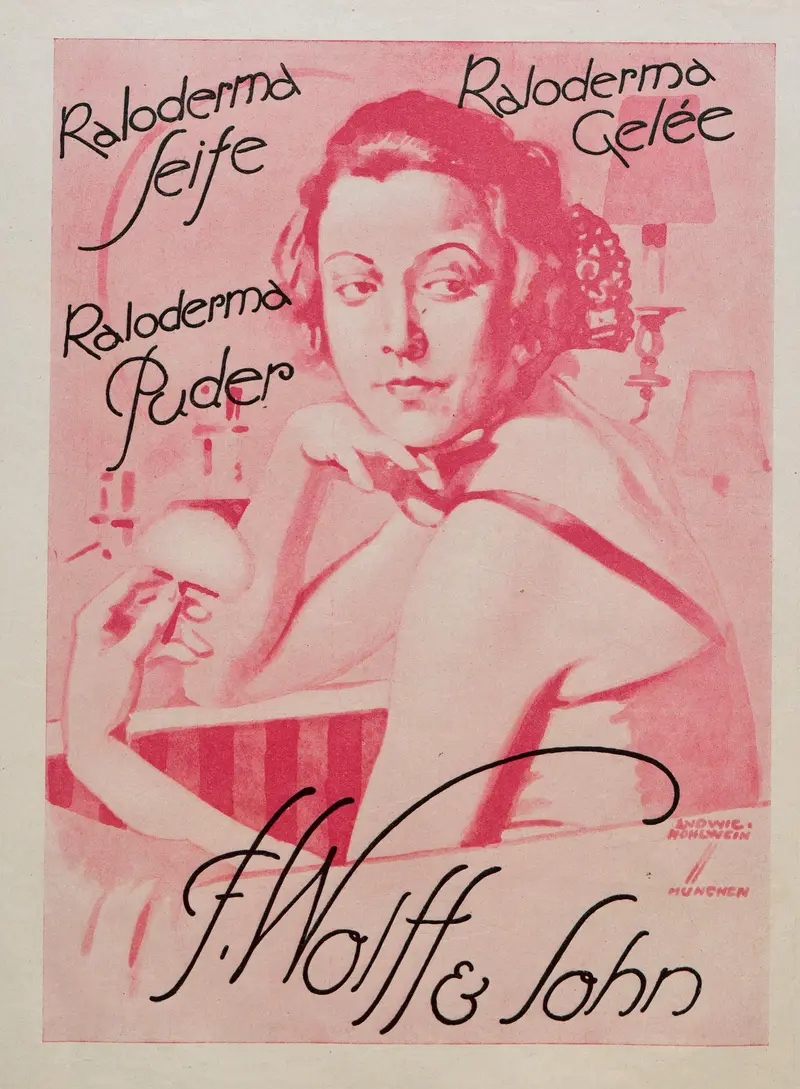
Kaloderma Seife, Gelée, Puder
Ludwig Hohlwein
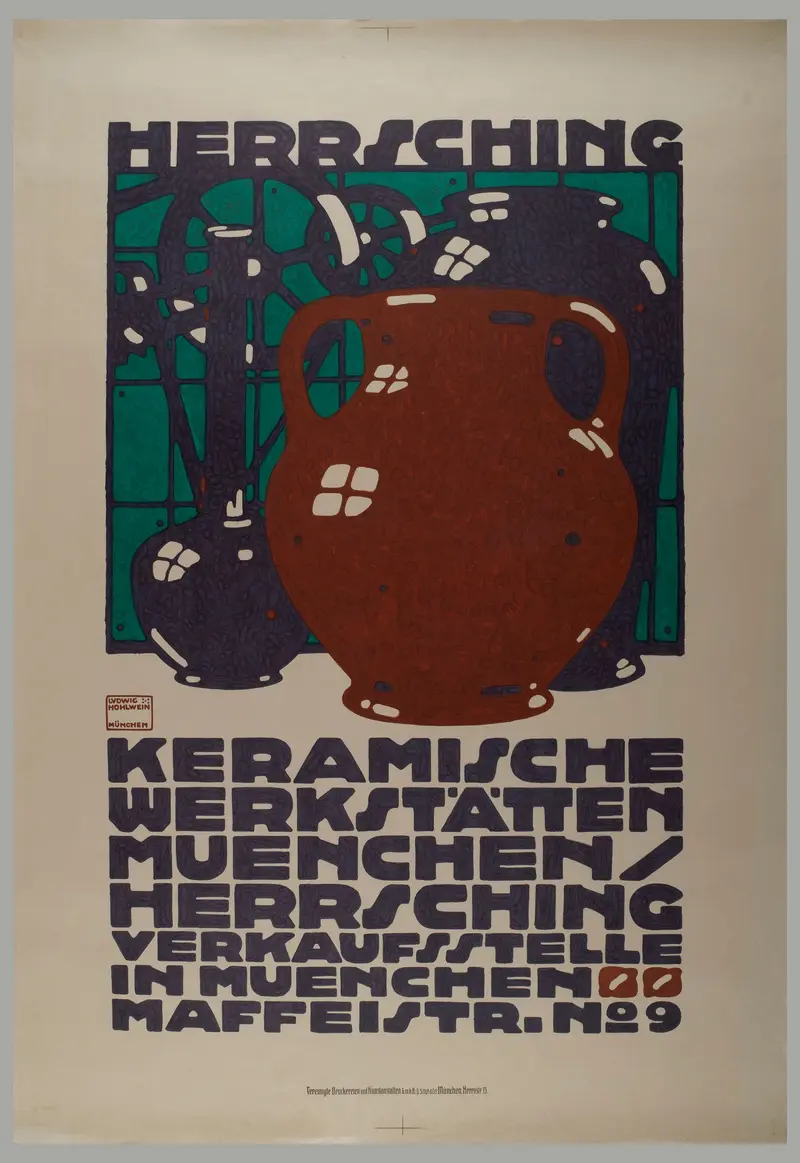
Keramische Werkstätten München-Herrsching
Ludwig Hohlwein
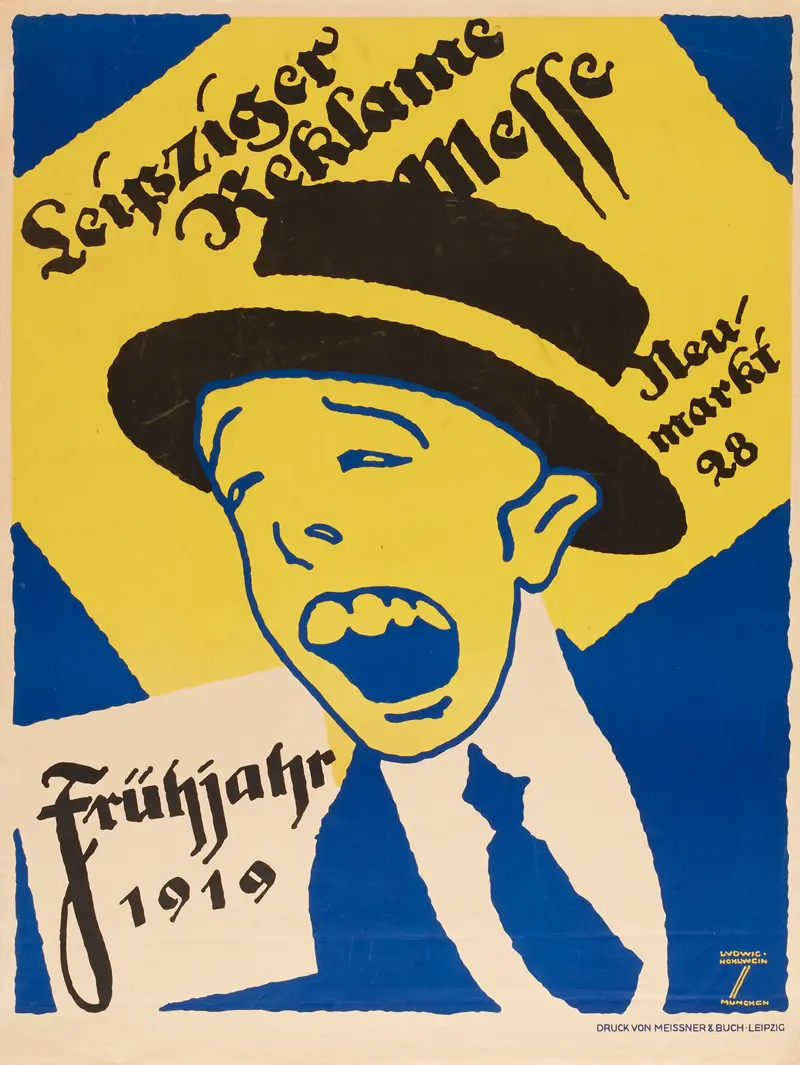
Leipziger Reklame-Messe, Frühjahr 1919
Ludwig Hohlwein
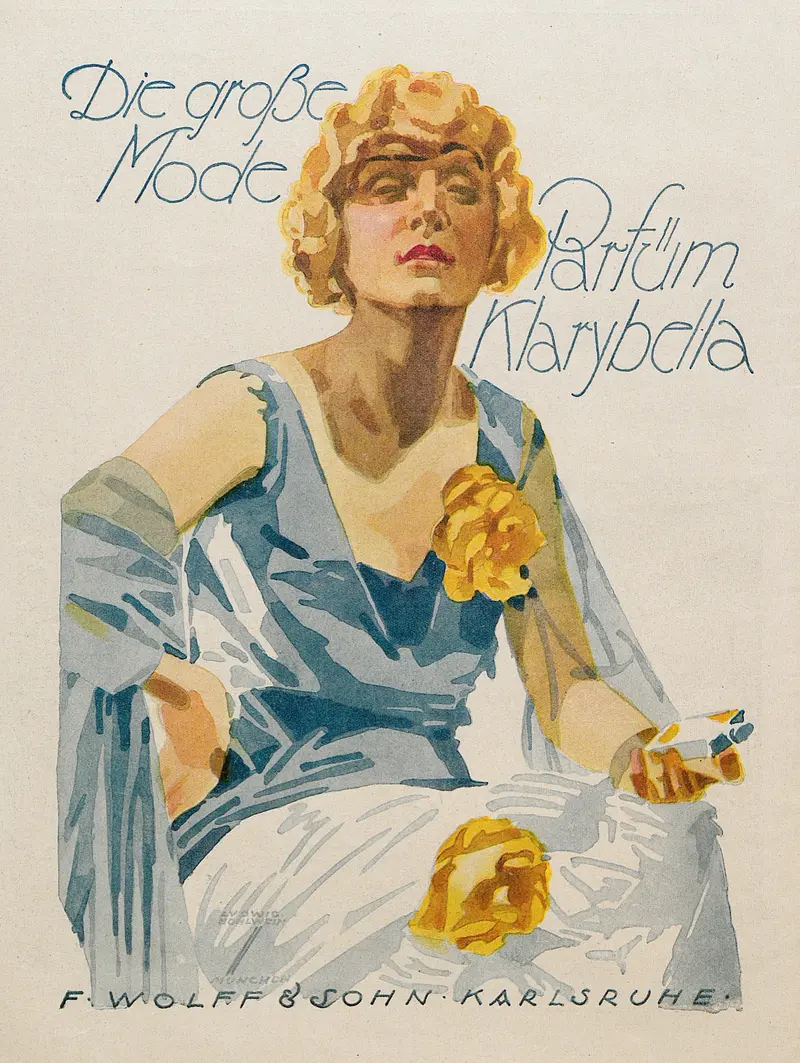
Parfüm Klarybella
Ludwig Hohlwein
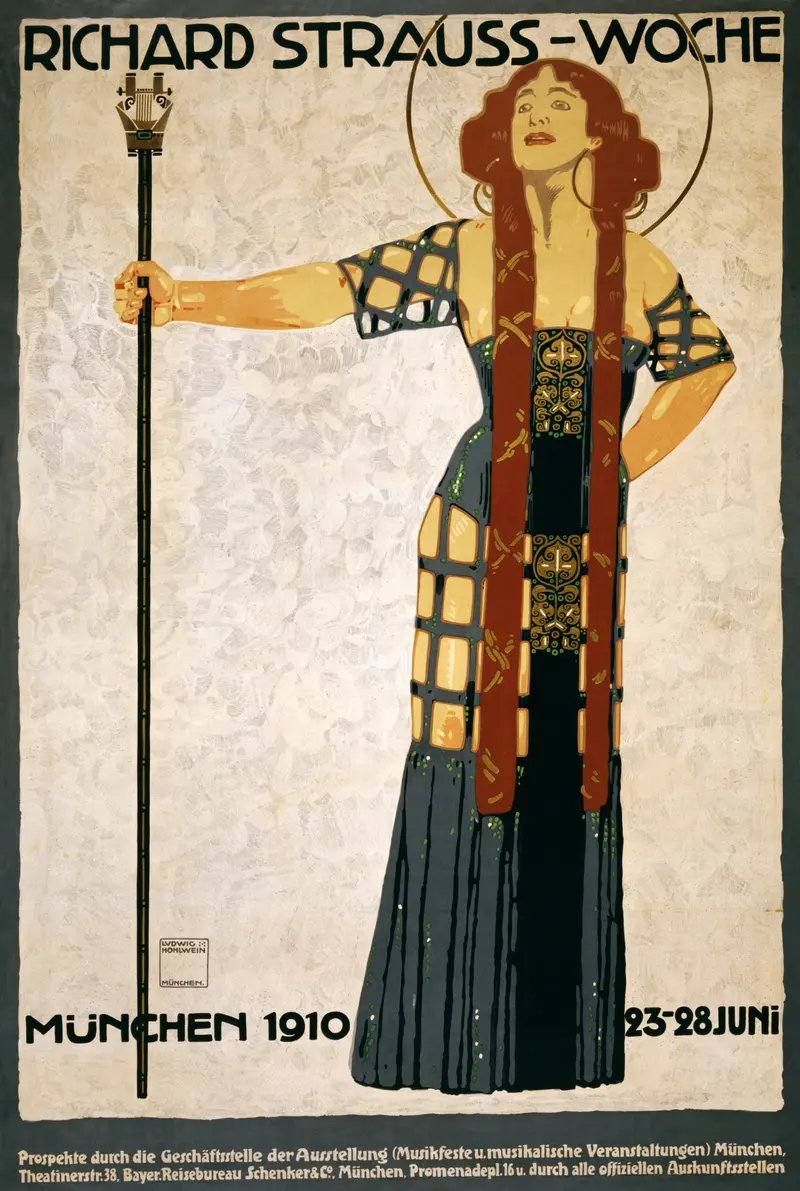
Richard Strauss-Woche, München 1910
Ludwig Hohlwein
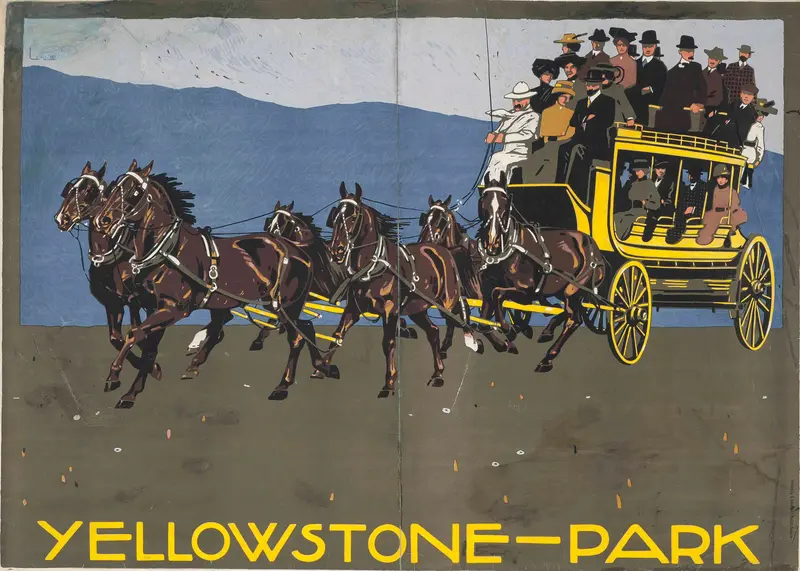
Yellowstone Park
Ludwig Hohlwein
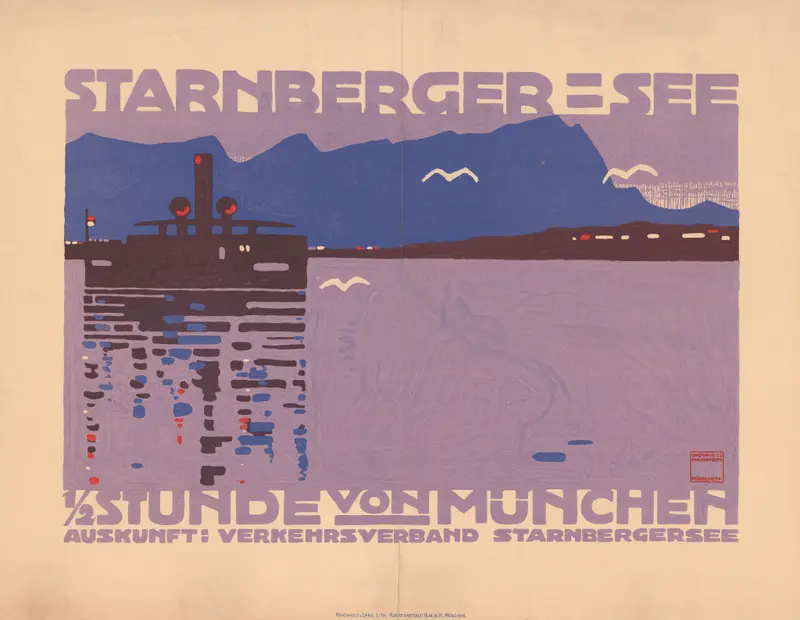
Starnberger See – ½ Stunde von München
Ludwig Hohlwein
More Landscape Art

Starry Night
Vincent van Gogh

View of Delft
Johannes Vermeer

Water Lilies
Claude Monet

The Grand Canal, Venice, looking north-west from the Ca' Corner to the Ca' Contarini degli Scrigni, with the campanile of Santa Maria della Carità
Canaletto

Windsor Castle
Canaletto

The Grand Canal looking North-East from the Palazzo Dolfin-Manin to the Rialto Bridge
Canaletto