
Jasmatzi & Söhne Zigaretten — History & Facts
What first seizes the eye in Jasmatzi & Söhne Zigaretten is the theatrical confidence of its subject: a sharply dressed man, rendered in bold, flat colors, leans back in a crimson armchair, exuding an air of effortless sophistication. Every element of Ludwig Hohlwein’s design is calibrated for impact—the crisp white of the shirtfront and cuffs, the glossy black of the tuxedo, and the sudden, almost shocking, red of the chair all work together to frame the man’s poised, almost mischievous smile. The pack of Jasmatzi cigarettes, held with casual assurance, becomes the focal point, its label echoing the bold typography above.
The lighting, with its stark contrasts and stylized shadows, sharpens the figure’s features and throws his expression into relief, while the restrained palette keeps the viewer’s attention fixed on the essentials: elegance, modernity, and allure. Created in 1913, this poster belongs to a world where advertising was rapidly becoming an art form in its own right. Hohlwein, one of Germany’s most influential poster artists, helped define the look of early twentieth-century commercial graphics with his signature blend of clarity and drama. Commissioned for the Dresden cigarette manufacturer Georg Jasmatzi & Söhne, works like this were designed to catch the eye of the urban consumer, promising not just a product but a lifestyle—stylish, urbane, and distinctly modern.
Today, the poster survives in the Sammlung Marc Wegner in Berlin, a vivid reminder of an era when the boundaries between commerce and art were being redrawn, and when a single image could make a brand unforgettable. Let your eyes linger on the man’s knowing smile, and imagine the world of 1913, where glamour and advertising walked hand in hand.
More Artworks by Ludwig Hohlwein
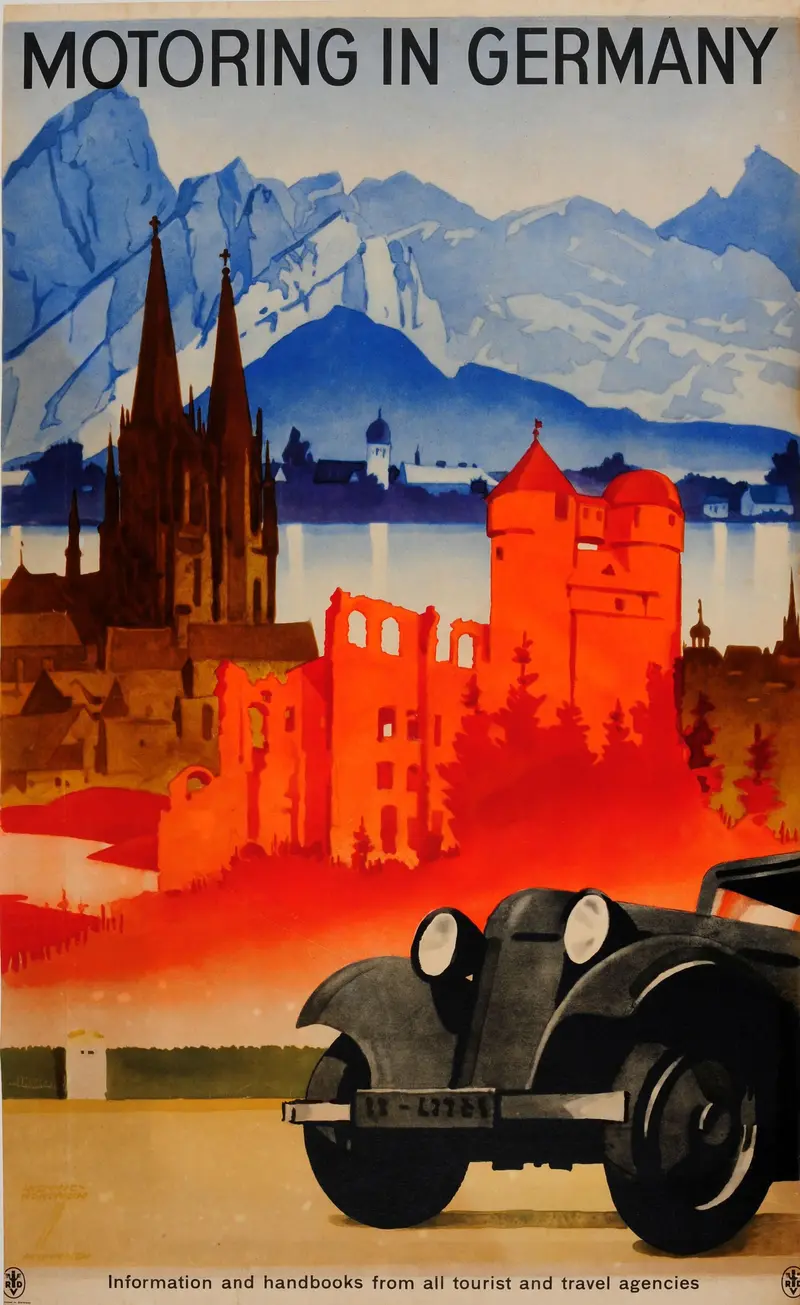
Motoring in Germany
Ludwig Hohlwein
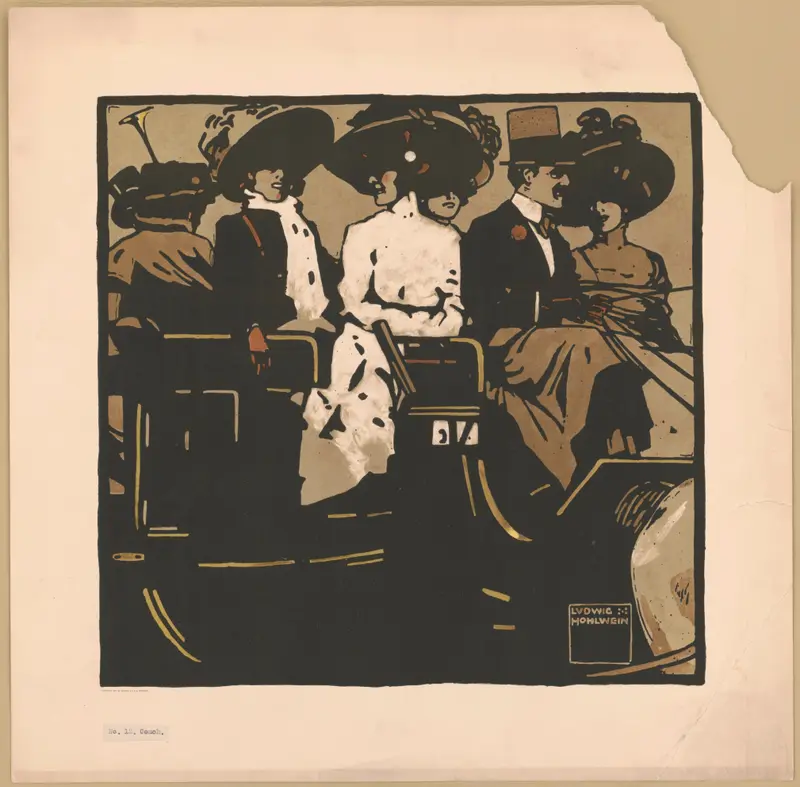
Coach (Turf)
Ludwig Hohlwein
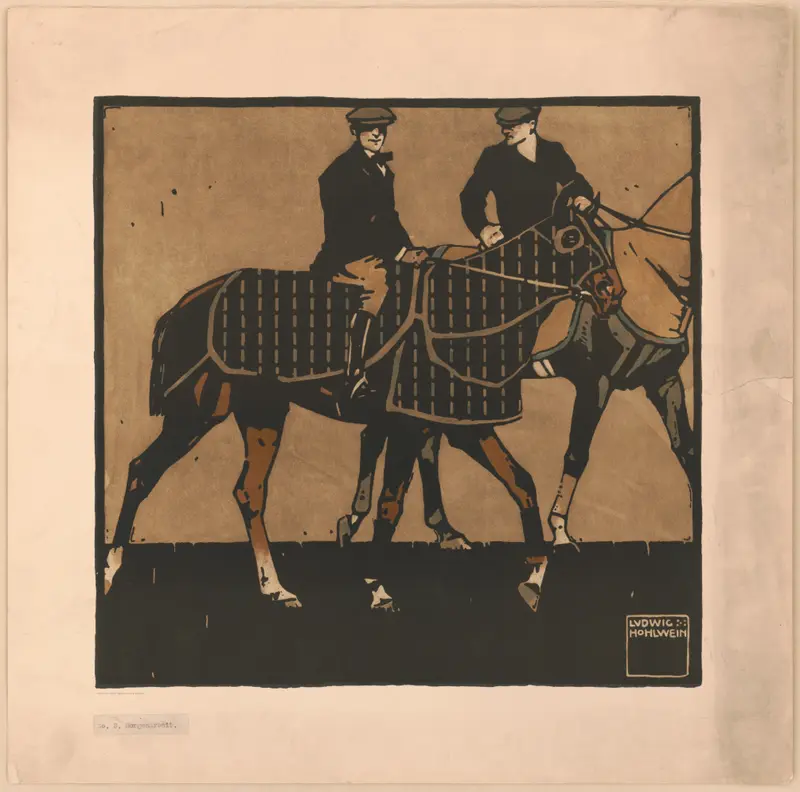
Morgenarbeit (Turf)
Ludwig Hohlwein
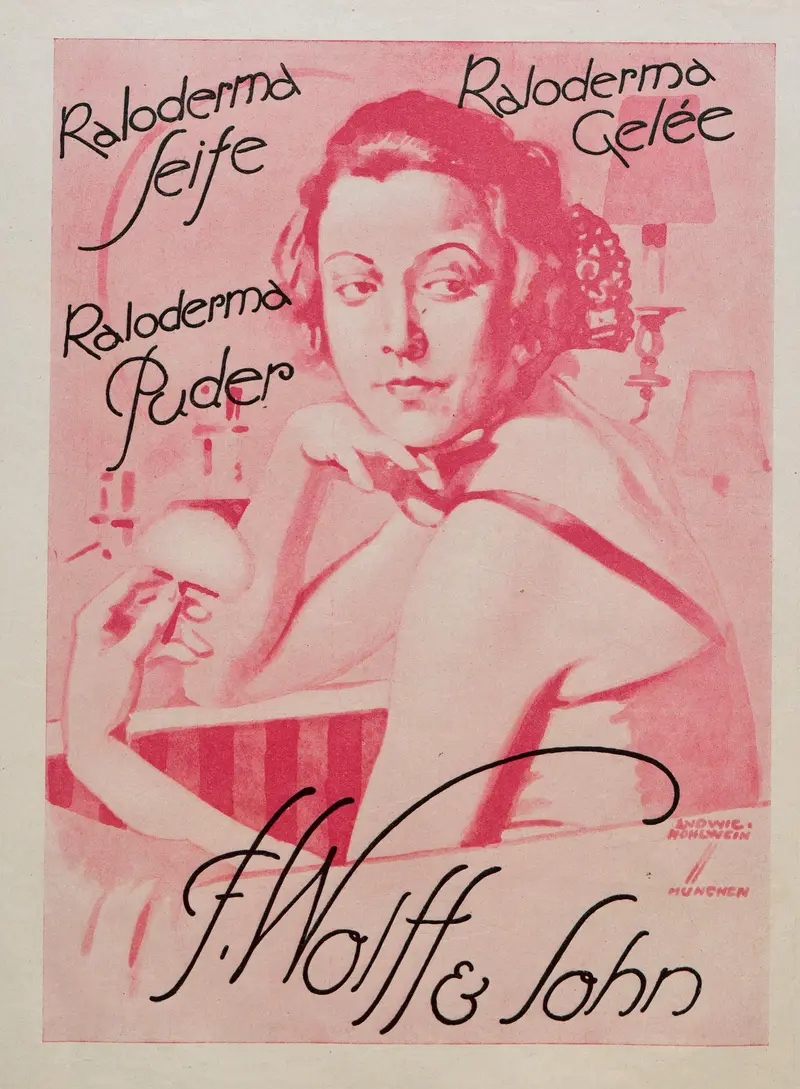
Kaloderma Seife, Gelée, Puder
Ludwig Hohlwein
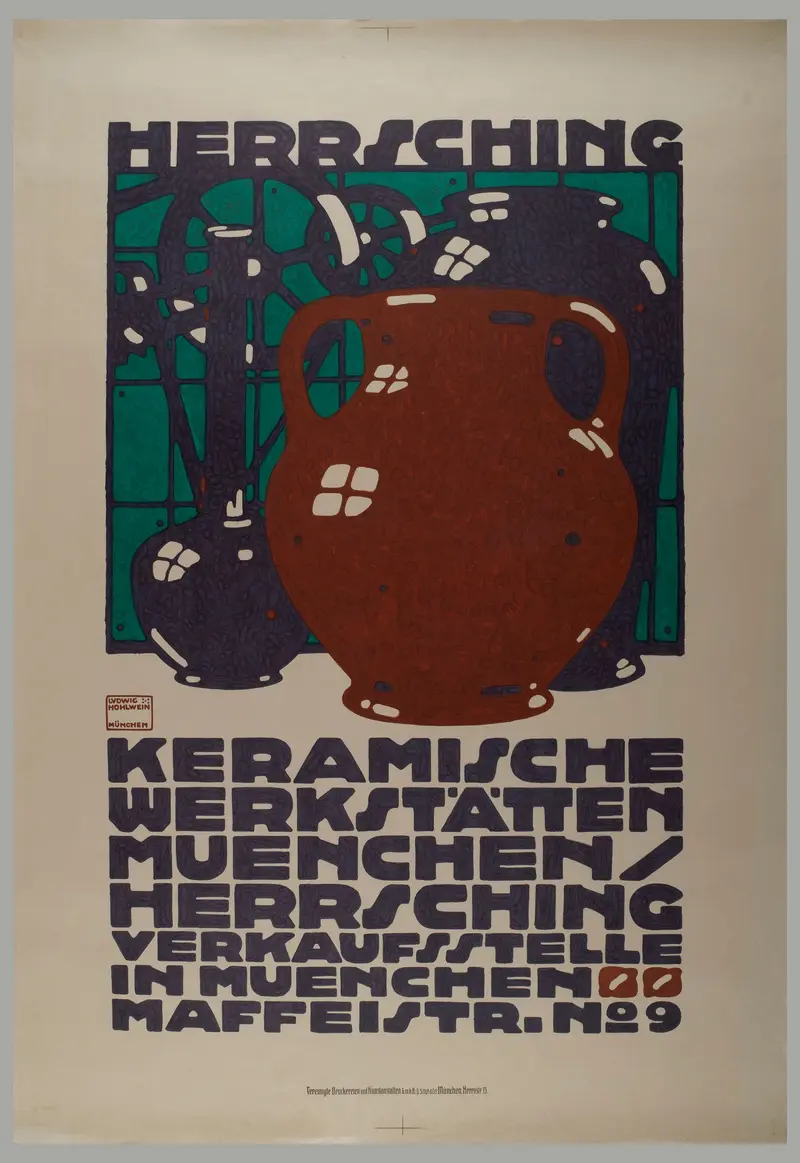
Keramische Werkstätten München-Herrsching
Ludwig Hohlwein
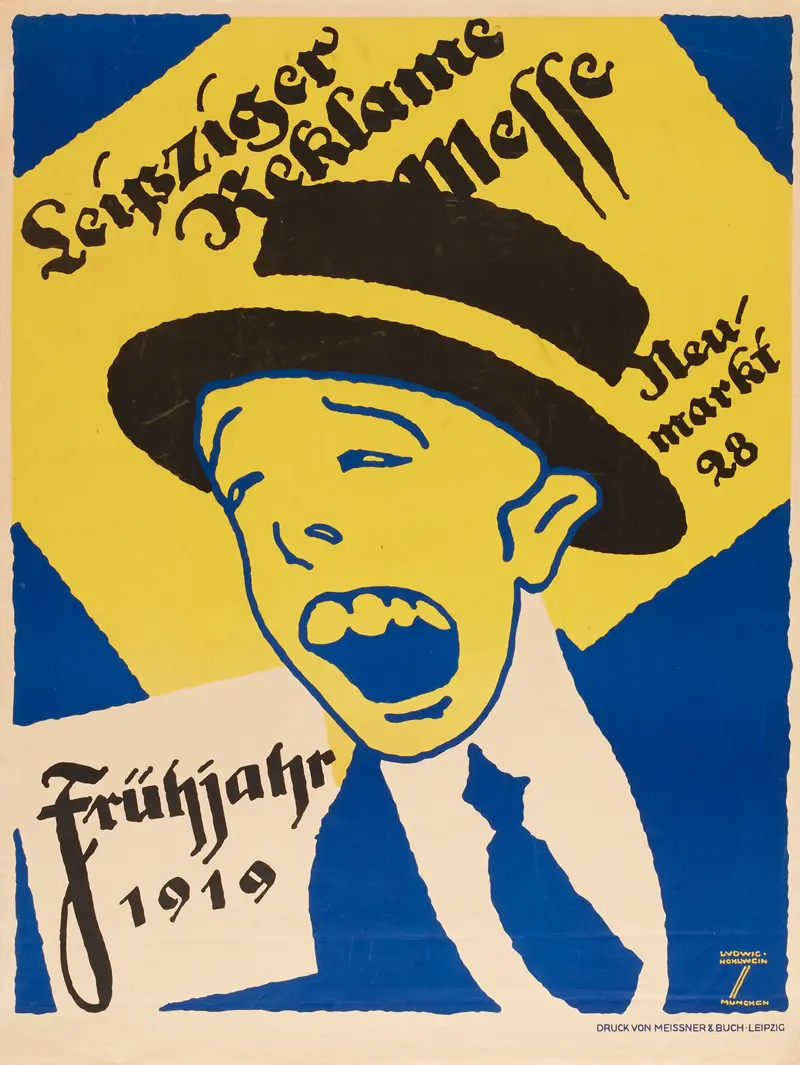
Leipziger Reklame-Messe, Frühjahr 1919
Ludwig Hohlwein
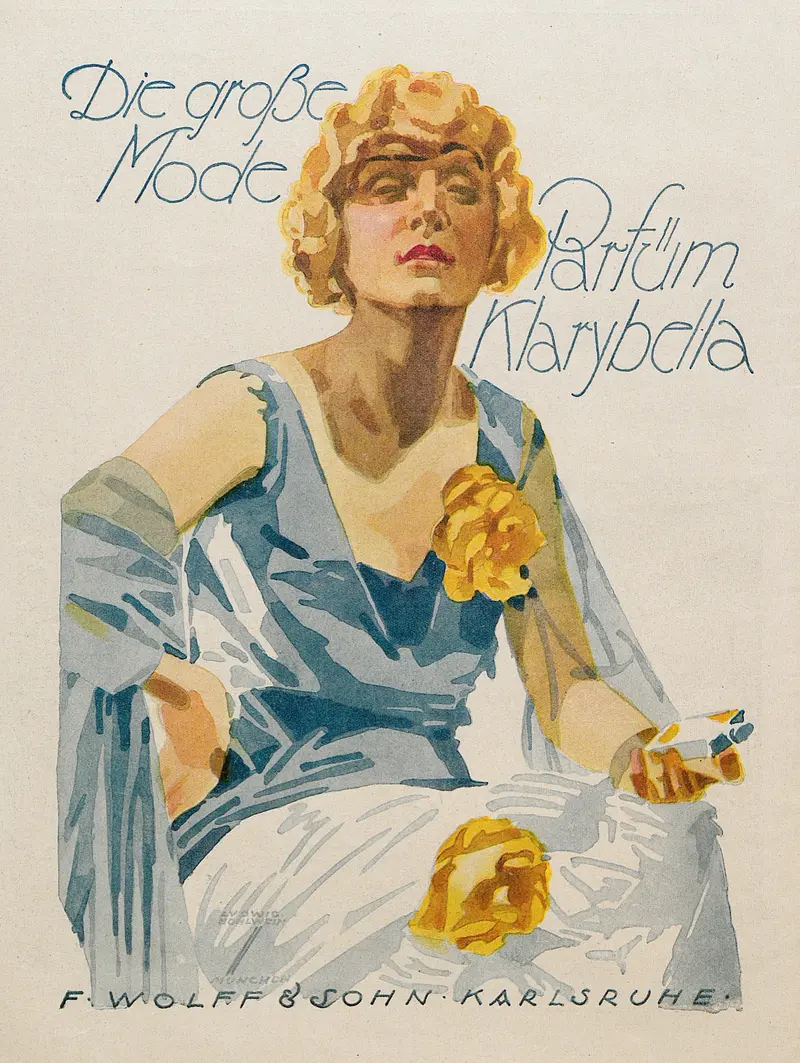
Parfüm Klarybella
Ludwig Hohlwein
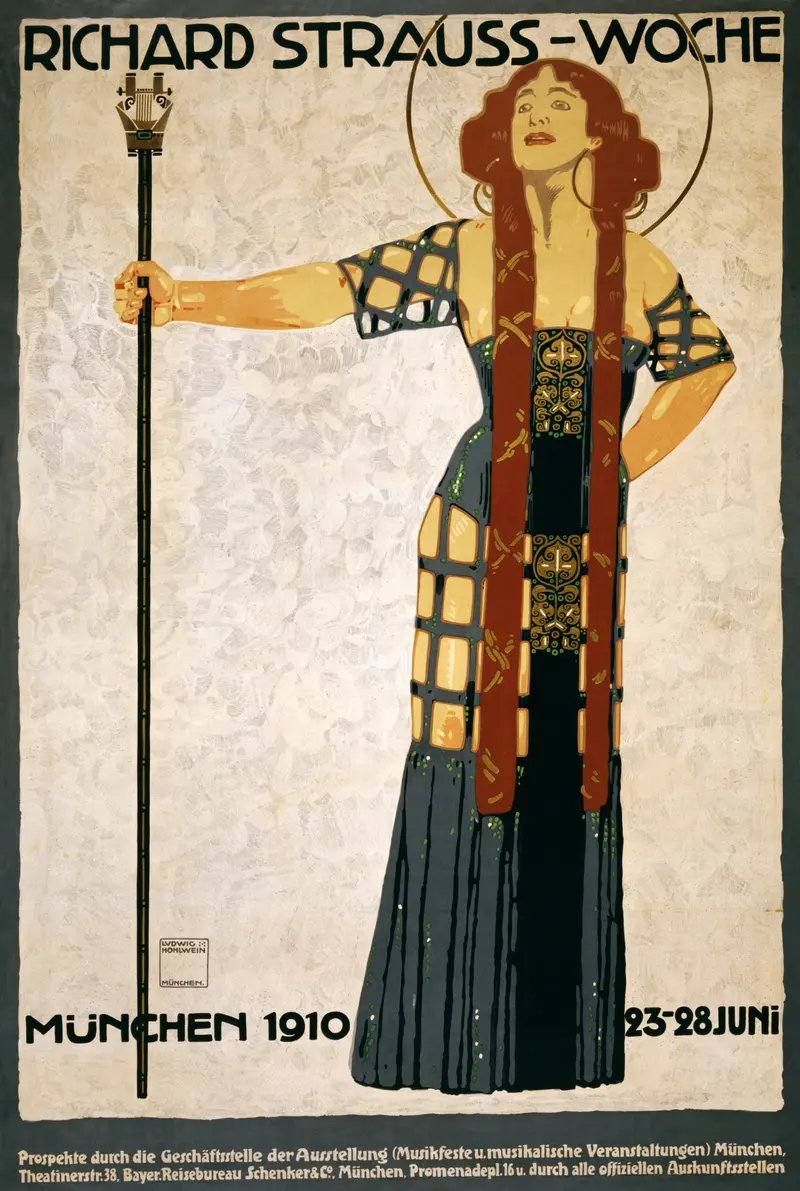
Richard Strauss-Woche, München 1910
Ludwig Hohlwein
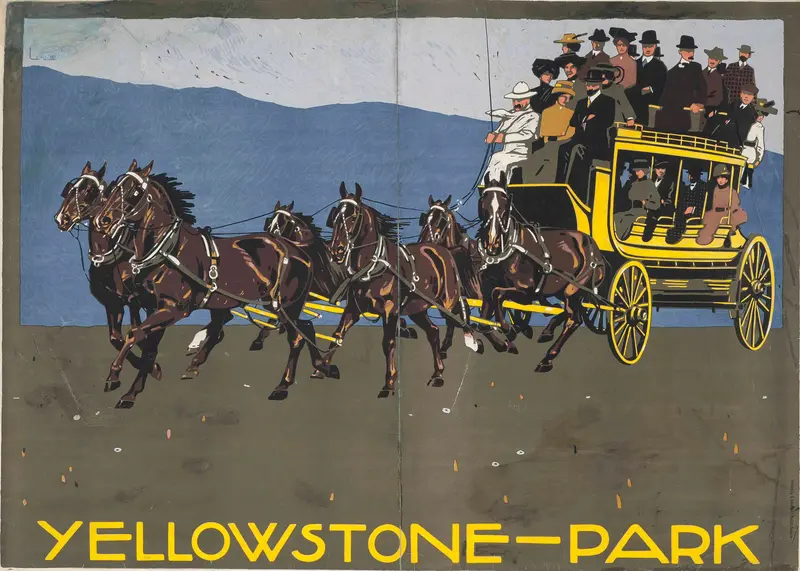
Yellowstone Park
Ludwig Hohlwein
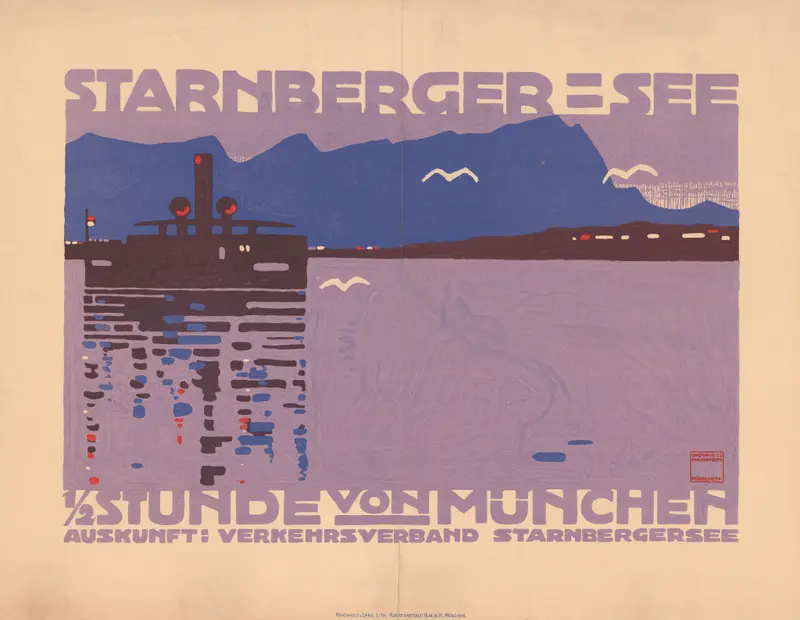
Starnberger See – ½ Stunde von München
Ludwig Hohlwein



