
Kamezaki Bishu — History & Facts
When did color learn to lie? In Kamezaki Bishu, vivid hues twist reality, pulling us into a longing that transcends the visible world into the realm of emotion. This work whispers of nostalgia and the bittersweet pang of remembrance, inviting contemplation of what is lost and what remains. Look to the tranquil waters at the bottom of the composition, where the reflections shimmer with an ethereal blend of blues and greens. Notice how the soft strokes of the trees on the left seem to cradle the scene, their leaves intertwined with the delicate pink of the evening sky.
The artist's masterful use of color harmonizes with the balance of form, guiding our gaze up towards the distant hills, setting a serene yet restless tone. Amidst the tranquility lies a tension between reality and dream. The bright colors signal a vibrancy that begs to be felt, yet the overall composition evokes a sense of yearning and loss—a reminder of fleeting moments. The juxtaposition of the serene landscape with the evocative hues suggests an inner world filled with unfulfilled desires, echoing the complexities of time and memory. In 1928, Kawase Hasui painted this piece during a period marked by a resurgence of interest in traditional Japanese aesthetics within the printmaking community.
As Japan grappled with modernization, Hasui sought to capture the serenity of traditional landscapes, infusing them with his deep emotional resonance. This work stands as a testament to his dedication to reviving the ukiyo-e style while navigating the tensions of his time.
More Artworks by Kawase Hasui
Browse all →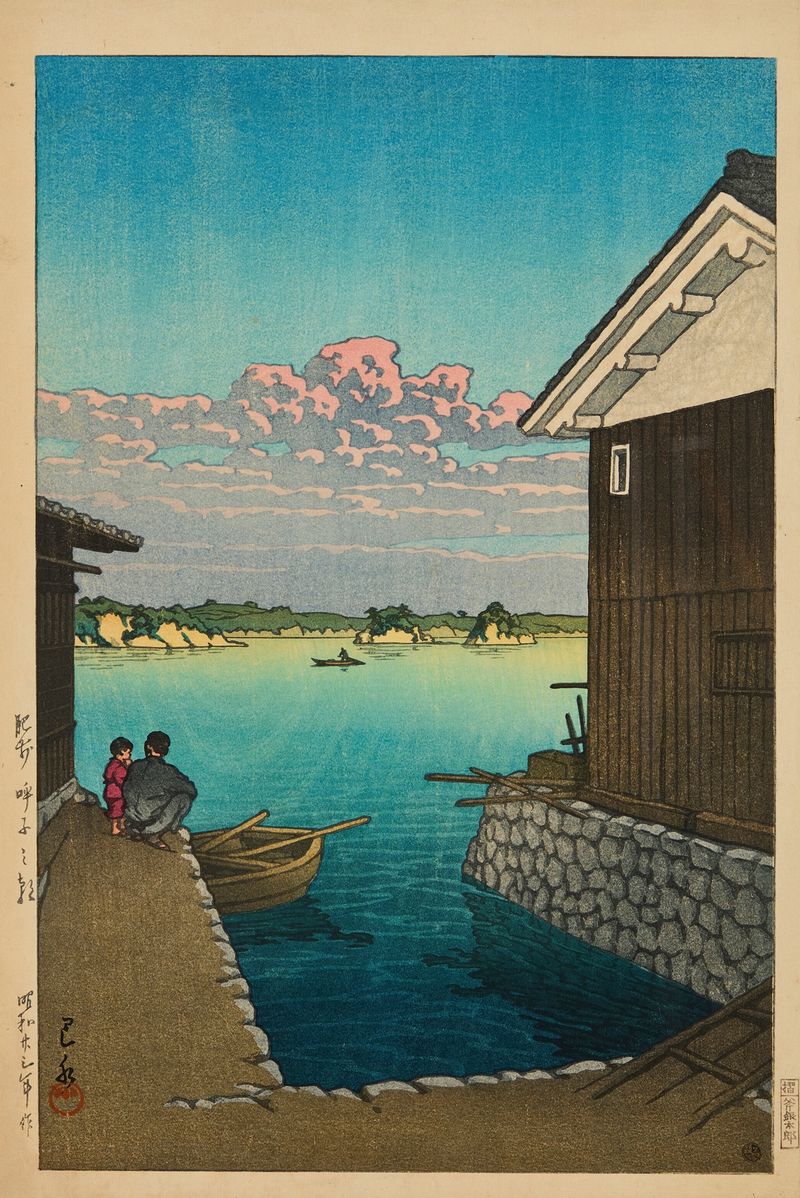
Hizen Yobuko no asa (Morning in Yobuko, Hizen)
Kawase Hasui
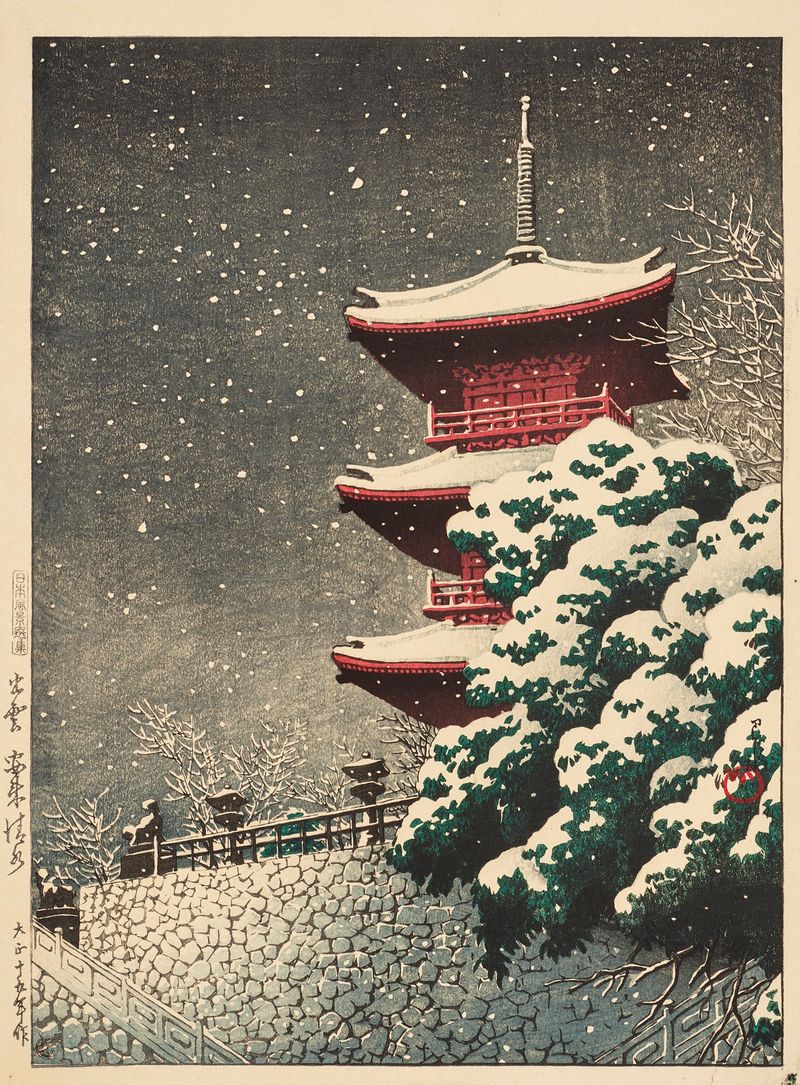
Izumo, Yasugi Kiyomizu (Yasugi Kiyomizu Temple at Izumo)
Kawase Hasui
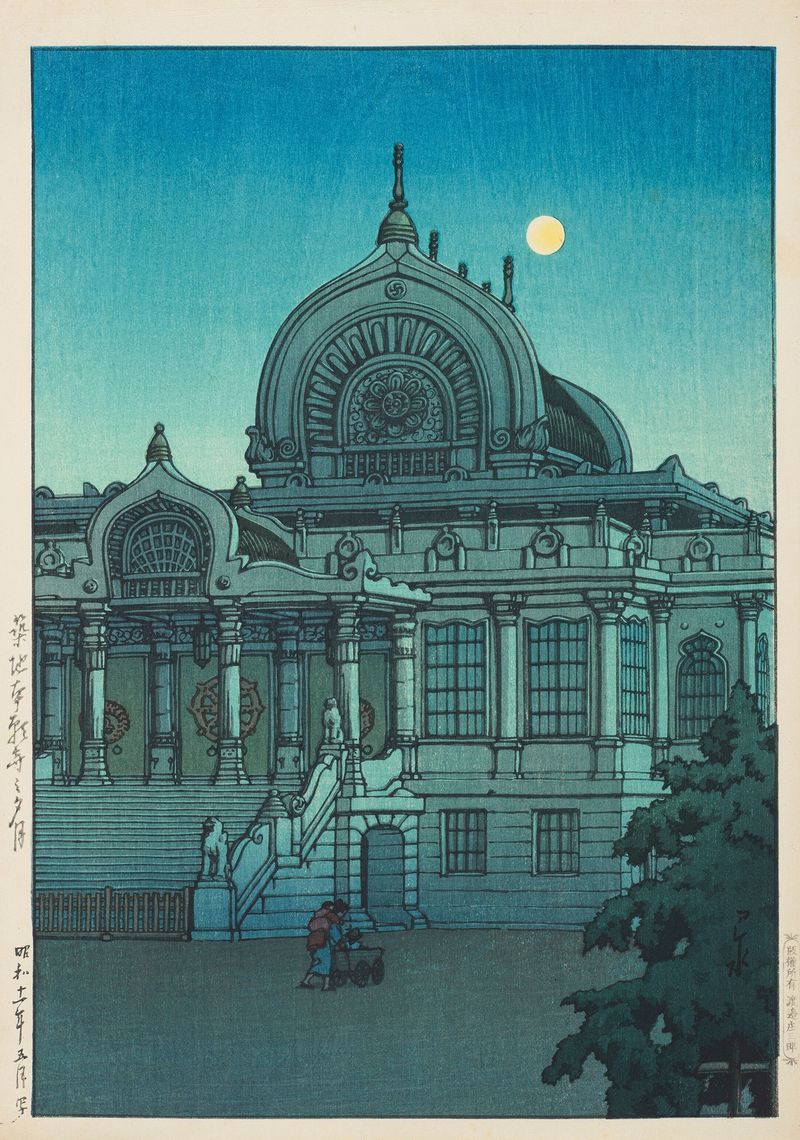
Tsukiji Honganji no yuzuki (Evening moon at Honganji Temple in Tsukiji)
Kawase Hasui
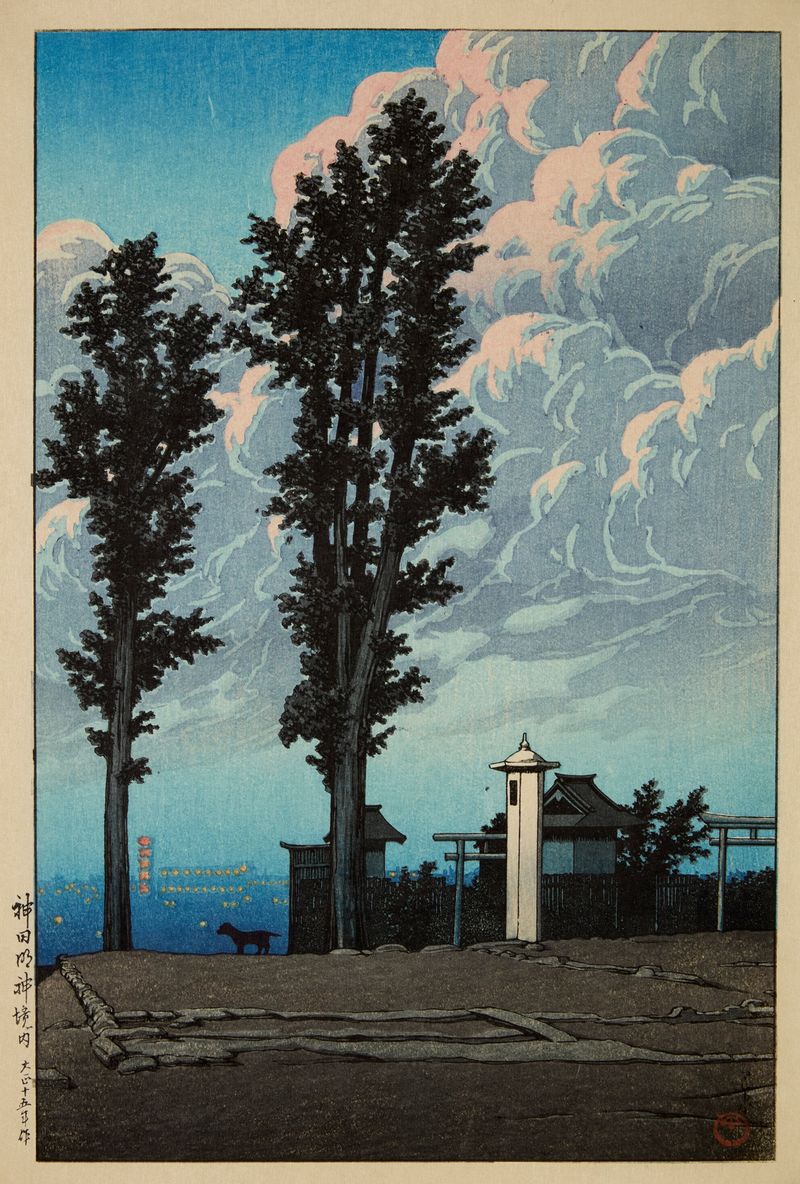
Kanda Myojin keidai (Kanda Myojin Shrine precent)
Kawase Hasui
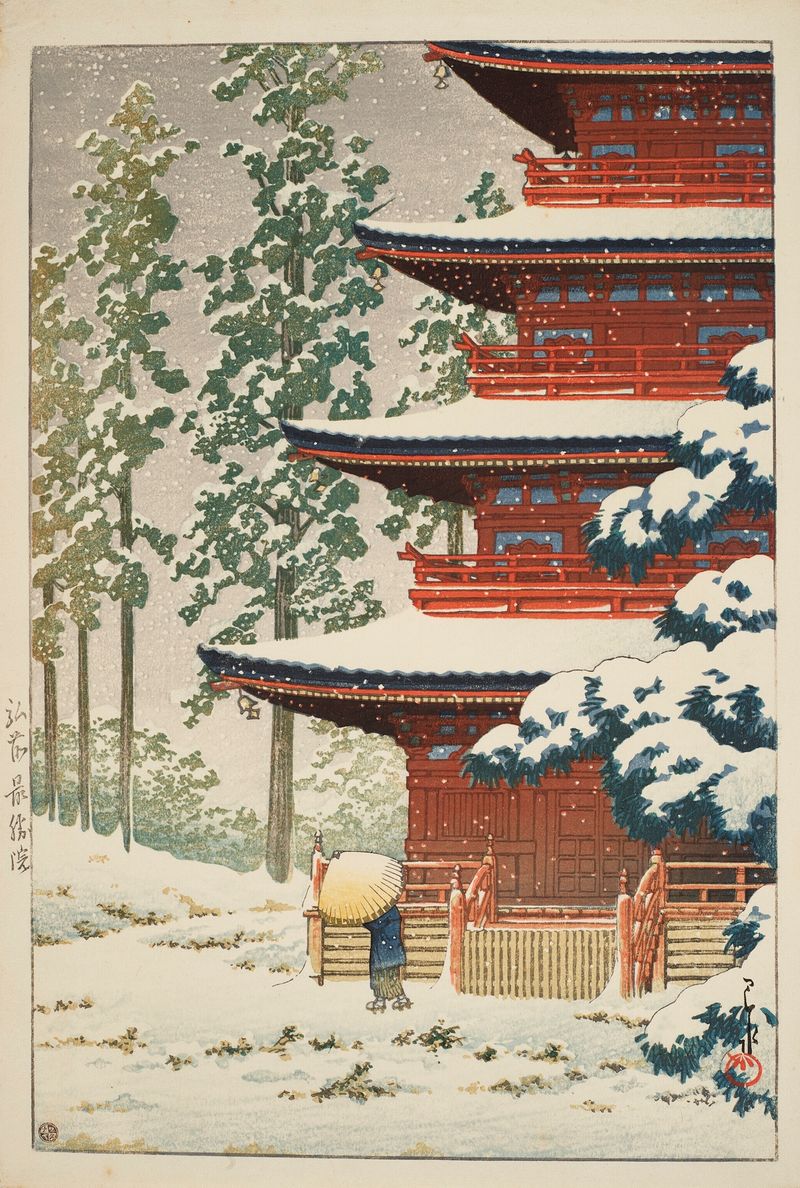
Saisho-in Temple, Hirosaki
Kawase Hasui
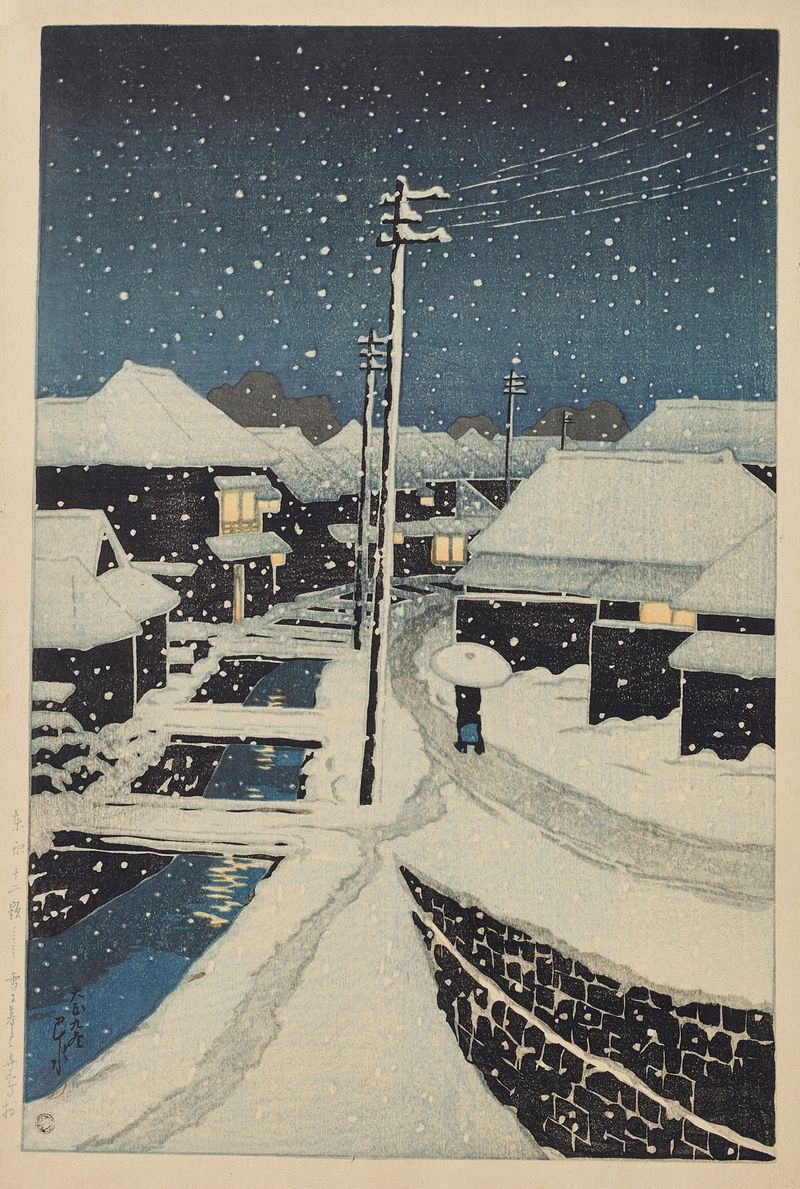
Yuki ni fururu Terajima mura (Evening snow at Terajima Village)
Kawase Hasui
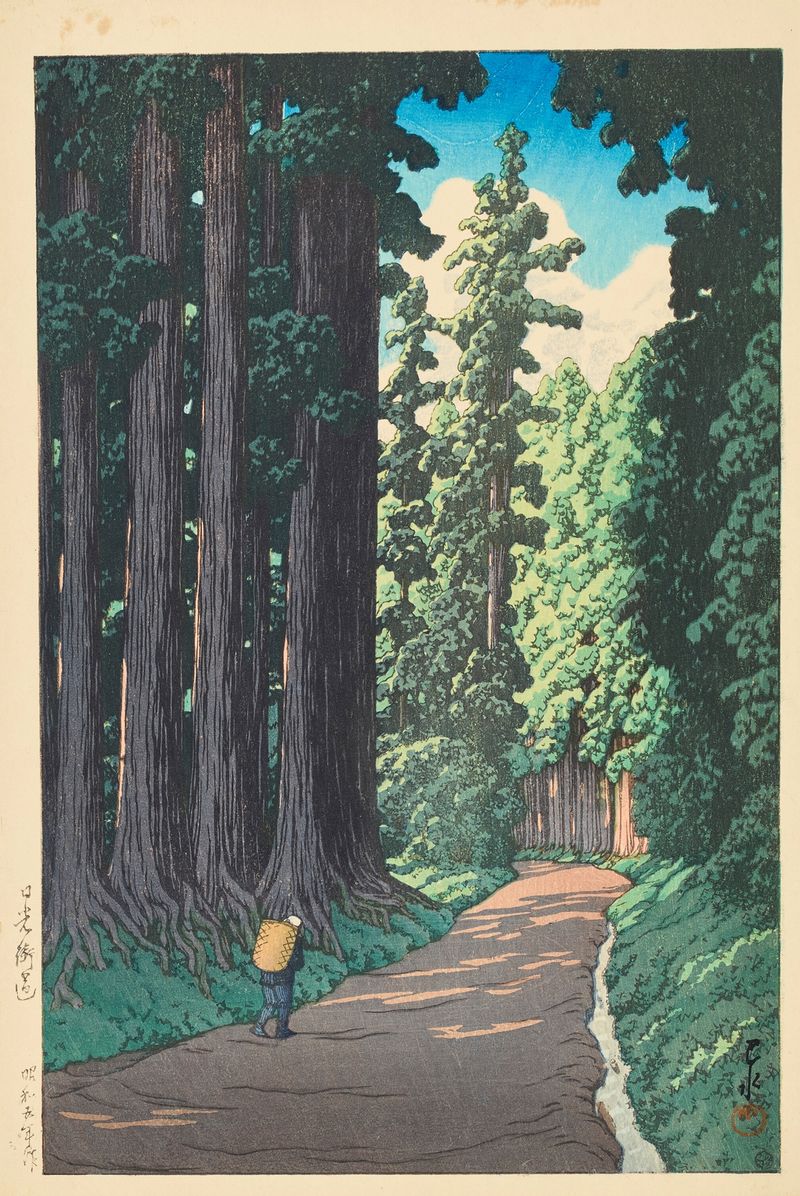
Nikko gaido (The Road to Nikko)
Kawase Hasui
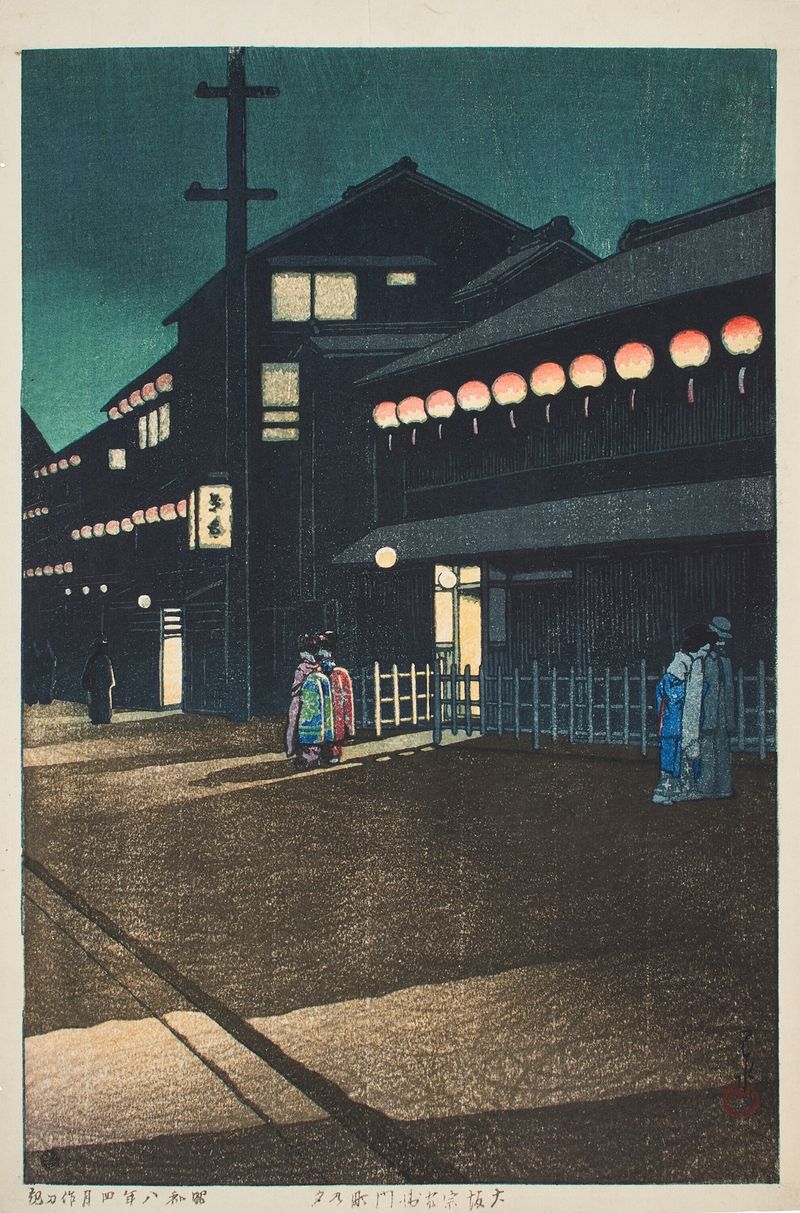
Osaka Soemon-cho no yu (Evening in Soemon-cho, Osaka)
Kawase Hasui
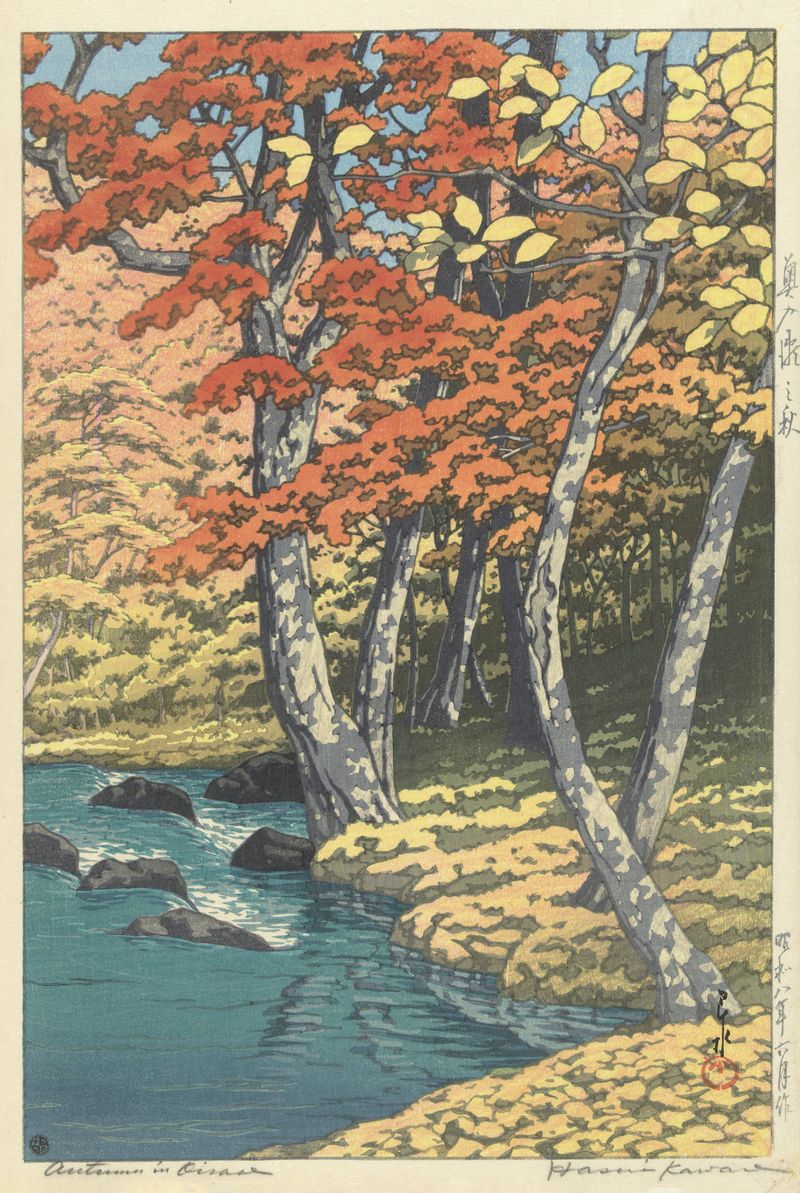
Autumn In Oirase
Kawase Hasui
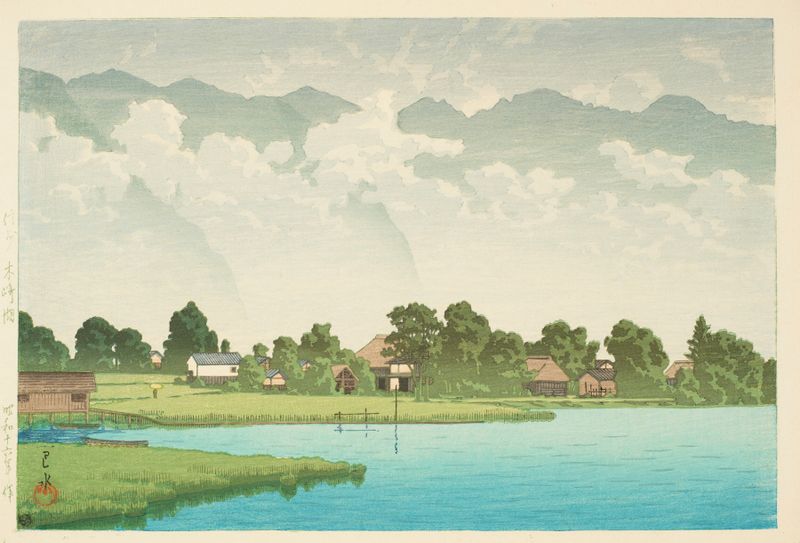
Shinshu Kizakiko (Kizaki Lake in Shinshu)
Kawase Hasui





