
Kaïn doodt Abel — History & Facts
Where does light end, and longing begin? In Kaïn doodt Abel, Jacob Binck captures the tragedy of humanity through the haunting gaze of a fratricide. The painting invites us to confront the madness that lies just beneath the surface of our existence, illustrating the moment when brotherly love devolves into violence. Look to the left at the figure of Cain, drenched in shadow, his face contorted with a mix of rage and sorrow. The muted earth tones of his clothing blend seamlessly with the barren landscape, enhancing the weight of his sin.
Notice how the pale, almost ghostly figure of Abel lies motionless at his feet, bathed in a soft, ethereal light that stands in stark contrast to the darkness surrounding Cain. This chiaroscuro technique not only emphasizes the moral divide between the two brothers but also highlights the emotional turmoil that defines the scene. As your gaze moves across the canvas, consider the small details: the blood pooling beneath Abel, a stark red against the otherwise muted colors, serves as a visceral reminder of the cost of betrayal. The anguished expressions of unseen witnesses lurking in the background suggest that the act of violence is not merely a personal tragedy but a communal catastrophe that reverberates through generations.
The madness of Cain is not solitary; it is intertwined with the sorrow of loss and the burden of guilt. Jacob Binck painted this work in 1526 during a time of significant artistic transformation in Northern Europe. He was influenced by the rising tensions of the Protestant Reformation, which questioned established norms and values. His meticulous attention to detail and psychological depth reflect the era’s exploration of human emotion and morality, positioning Kaïn doodt Abel as both a powerful narrative and a profound commentary on the human condition.
More Artworks by Jacob Binck
Browse all →
Portret van Christiaan II, koning van Denemarken
Jacob Binck

Christus en de Samaritaanse vrouw
Jacob Binck
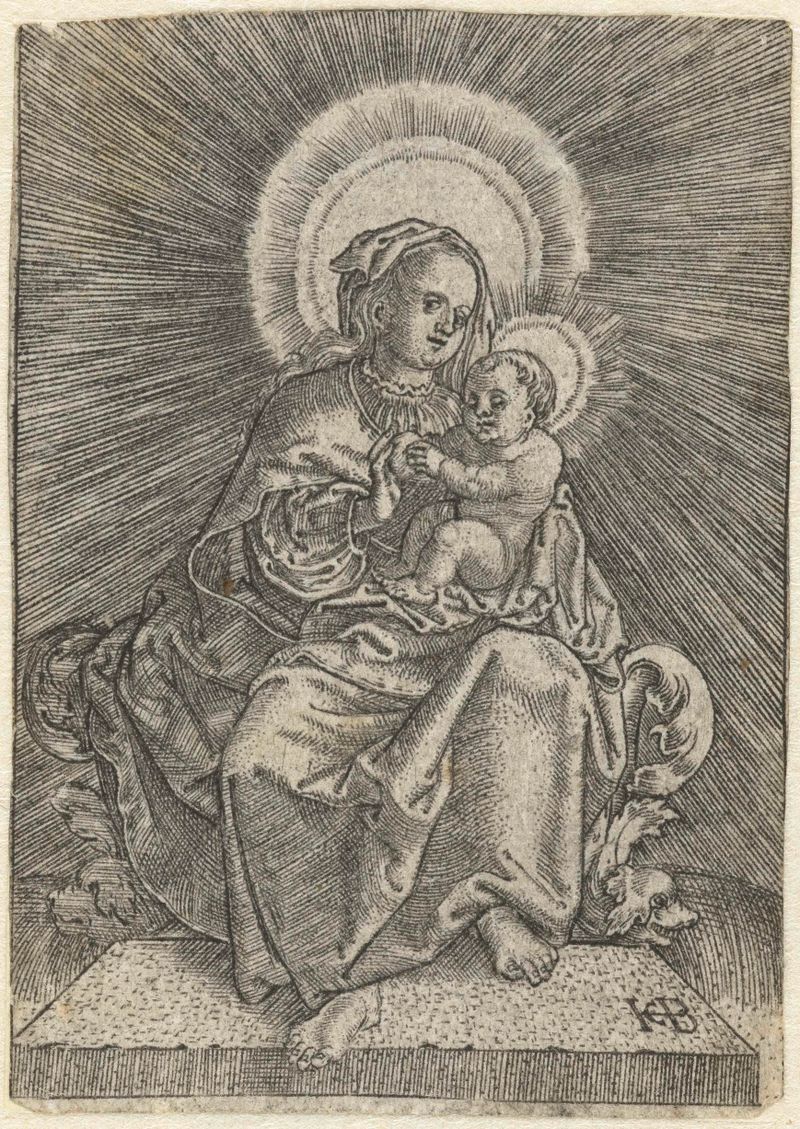
Tronende Maria met kind en appel in stralenkrans
Jacob Binck

Christus op de koude steen
Jacob Binck

Ornament met twee putti op dolfijnen onder een vaas
Jacob Binck
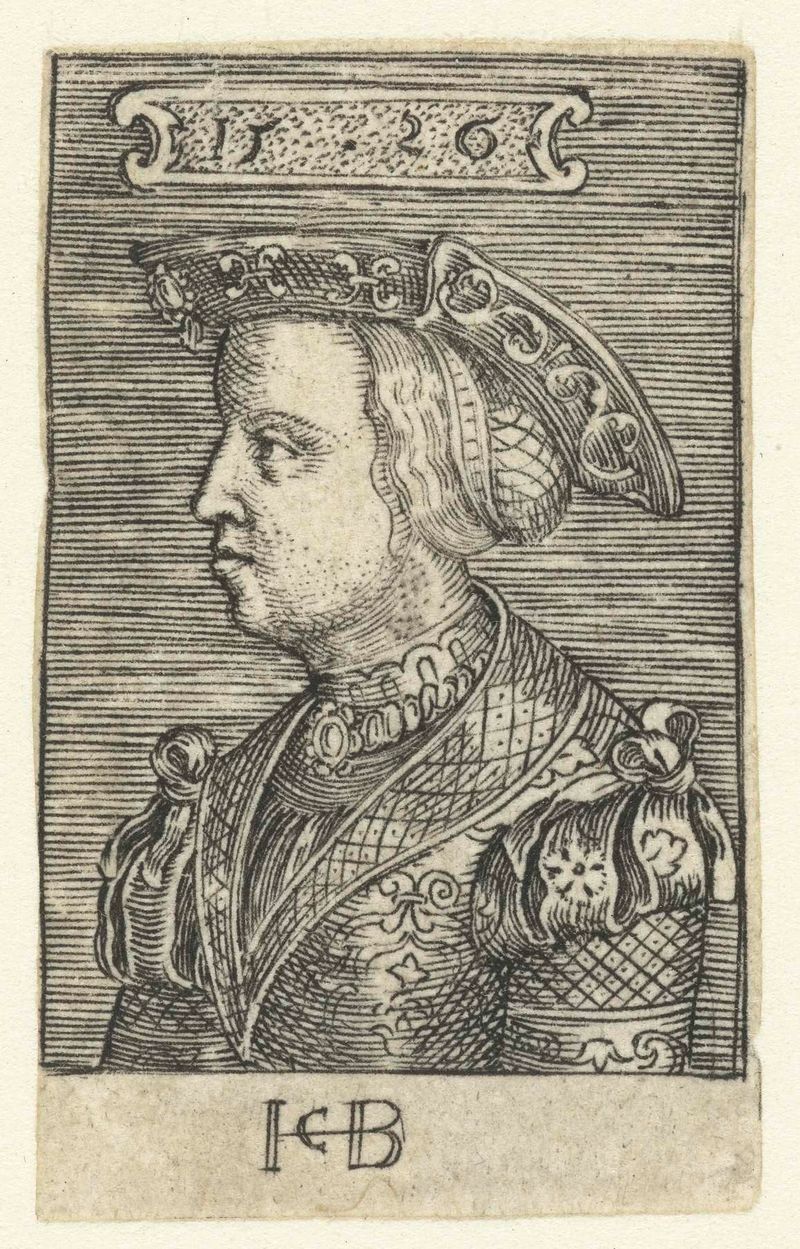
Portret van Claudia van Valois, echtgenote van Frans I
Jacob Binck

Ceres met kroon van korenaren, sikkel, brandende toorts en tweekoppige slang
Jacob Binck
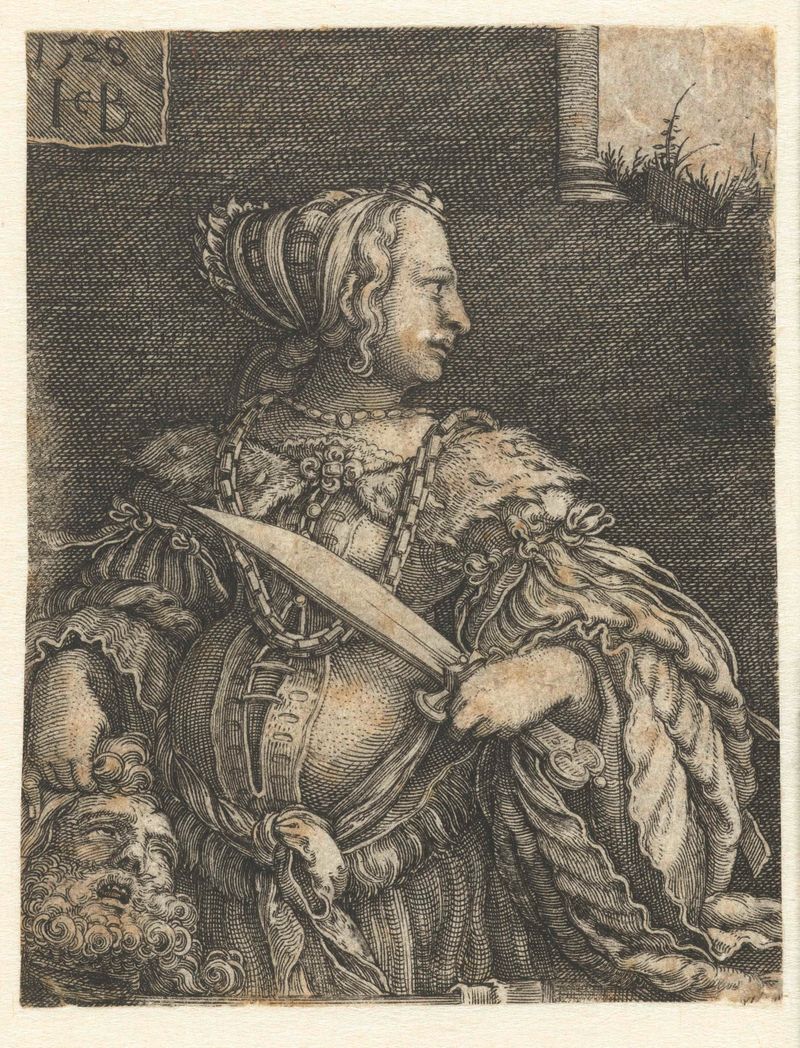
Judith met het hoofd van Holofernes
Jacob Binck
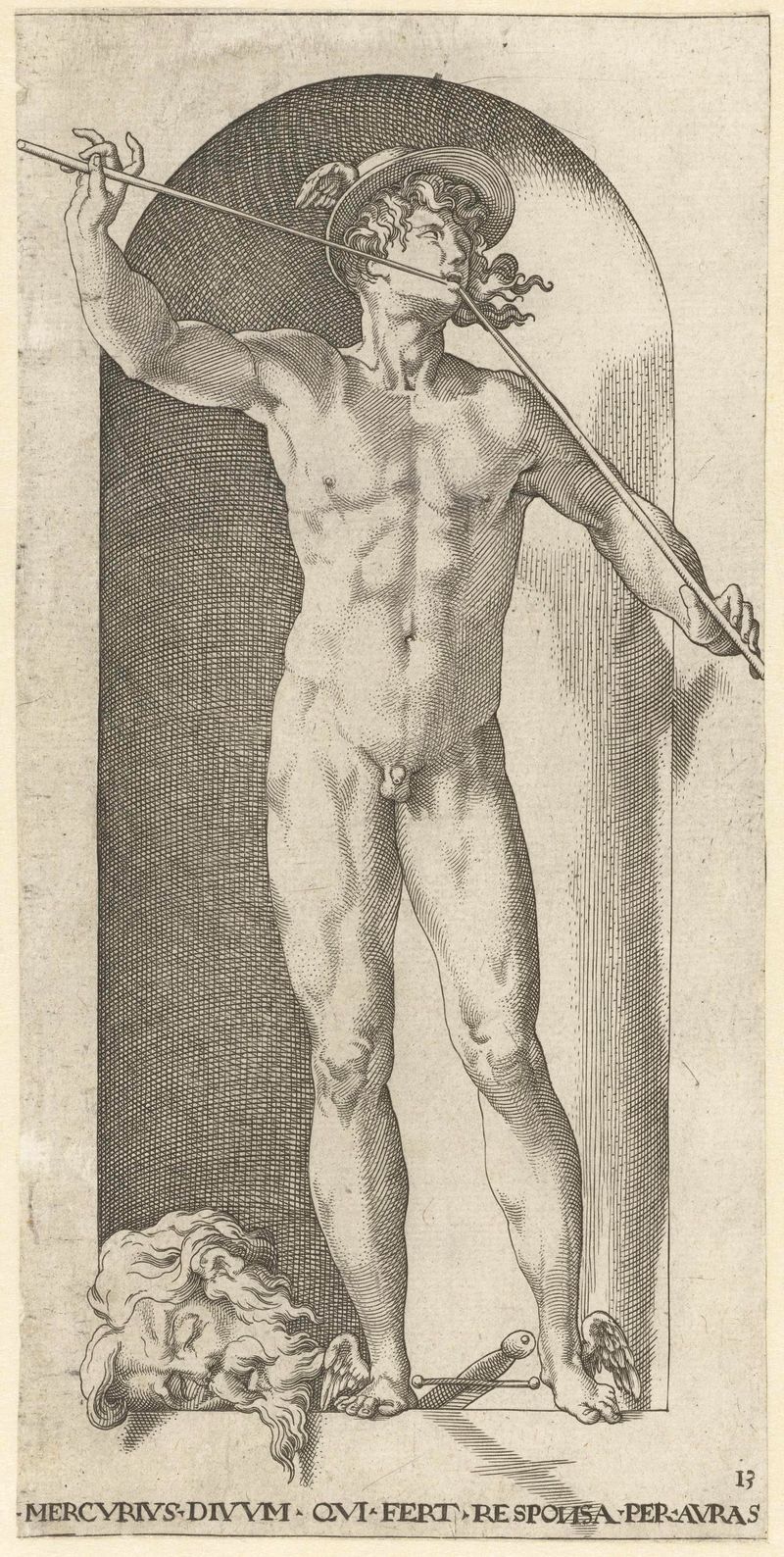
Mercurius met het hoofd van Argus
Jacob Binck

Minerva (Pallas Athena) met Medusahoofd op schild
Jacob Binck
More Religious Art
Browse all →
The Return of the Prodigal Son
Rembrandt van Rijn

The Garden of Earthly Delights
El Bosco

Count Orgaz’ funeral
El Greco

The Hundred Guilder Print: the central piece with Christ preaching, the plate arched
Rembrandt van Rijn

The Descent from the Cross
Rogier van der Weyden

The return of the prodigal son
Rembrandt van Rijn