Karfunkelstadt — History & Facts
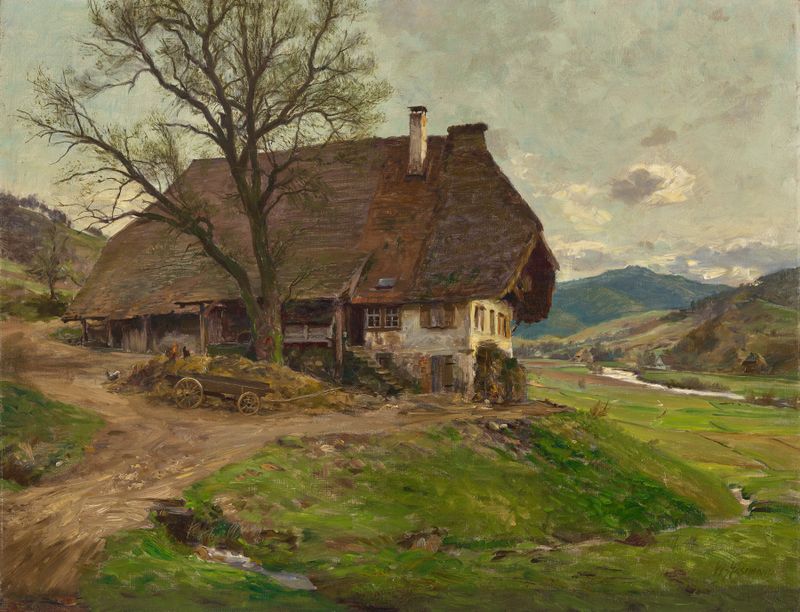
In this intriguing piece, innocence transforms into a vibrant tapestry of colors and forms, inviting us to contemplate the fragile beauty of childhood amidst the complexities of life. Look to the center of the composition where swirling hues of blue and green coalesce, creating a dreamlike landscape that draws the eye. Notice how the brushstrokes dance with both spontaneity and precision, suggesting movement and a sense of wonder. The juxtaposition of warm and cool tones evokes a feeling of harmony, while the soft edges of the forms blend seamlessly, whispering of a world where boundaries fade and imagination reigns. Delve deeper into the artwork and you’ll uncover a rich emotional landscape.
The play of light hints at both joy and nostalgia, reflecting the innocence associated with youth. Subtle figures emerge from the backdrop, their shapes almost ghostly, evoking fleeting moments of childhood that shimmer like silvery memories. This ethereal quality speaks of the transient nature of innocence, emphasizing how quickly it can be lost amid life's complexities. Wilhelm Gustav Friedrich Hasemann created Karfunkelstadt in 1906, during a time when the art world was increasingly captivated by modernism and the exploration of abstract forms.
Living in Germany, Hasemann was part of an artistic milieu that valued experimentation, as artists sought new ways to interpret reality. The work reflects his innovative spirit and personal exploration of innocence, resonating with a universal longing for simpler times within a rapidly changing world.